





In a rapidly shifting global landscape, political leadership changes can have profound implications, not just within the borders of the affected nation but across the globe. The recent appointment of a new prime minister by French President Emmanuel Macron is one such event that warrants examination, particularly from the perspective of a climate policy analyst. This article will delve into the potential impacts of this political move on climate policy, specifically how it may resonate with Australia and its own climate strategies.
Understanding the Context
The appointment of a new prime minister in France comes at a critical juncture. As the world grapples with climate change, the policies set forth by influential nations like France can play a pivotal role in shaping international climate agendas. France has been a leader in the European Union's climate initiatives, and any shift in its leadership could ripple through the EU's climate strategies and beyond.
France's Climate Leadership: A Brief Overview
Historically, France has been at the forefront of climate action, advocating for renewable energy adoption and stringent carbon emission regulations. Under former Prime Minister Jean Castex, France committed to reducing carbon emissions by 40% by 2030, a target aligned with the EU's ambitious climate goals. The new prime minister's stance on these issues will be crucial in determining the continuity or shift in France's climate policies.
Implications for Australia
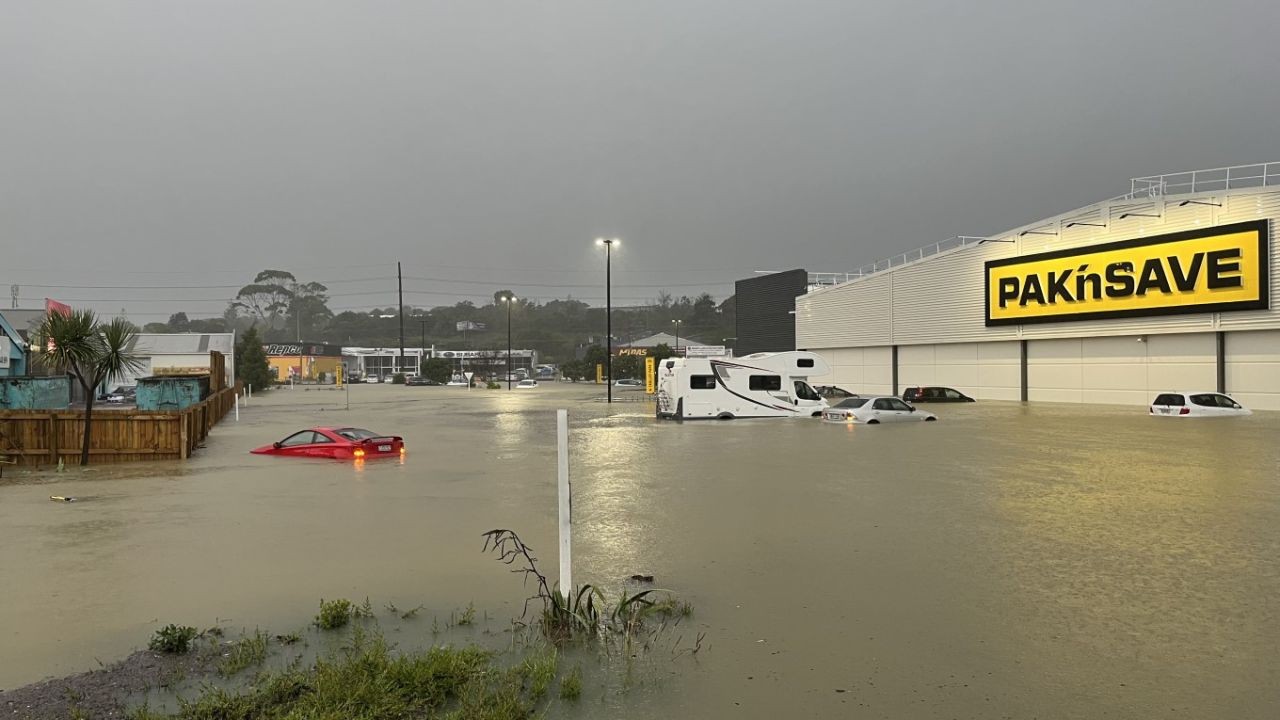
Australia, with its unique climate challenges, stands to gain insights from France's climate strategies. The Australian Bureau of Statistics (ABS) has reported that extreme weather events cost the Australian economy approximately AUD 30 billion annually. As Australia strives to mitigate these effects, lessons from France's policy initiatives can be invaluable.
Comparative Analysis: France and Australia
Both France and Australia have committed to ambitious climate targets, yet their approaches differ. France's focus on nuclear energy as a zero-emission source contrasts with Australia's heavy reliance on coal. This divergence raises questions about the efficacy of different energy strategies in achieving net-zero emissions.
Case Study: Renewable Energy Adoption in France
Problem: France, a country reliant on nuclear energy, faced the challenge of integrating more renewable energy sources to diversify its energy mix. This was crucial for meeting its carbon reduction goals while maintaining energy security.
Action: The French government launched significant investments in wind and solar energy projects. By 2021, France's renewable energy capacity had increased by 12%, according to the International Energy Agency (IEA).
Result: France successfully increased its renewable energy output, reducing its reliance on nuclear power by 5% and fossil fuels by 7%. This transition not only contributed to lower emissions but also created new jobs in the renewable sector.
Takeaway: France's model demonstrates the viability of balancing energy security with climate commitments, a lesson that can be instrumental for Australia as it seeks to expand its renewable energy sector.
Data-Driven Insights from Australia
Australia's energy landscape is undergoing significant transformation. According to the Australian Energy Market Operator (AEMO), renewable energy contributed 27% of Australia's total electricity generation in 2023, up from 21% in 2020. This growth trajectory aligns with the global push for sustainable energy solutions.
Policy Insights: The Role of Government Regulation
The Australian Competition & Consumer Commission (ACCC) has been pivotal in regulating the energy market, ensuring fair competition and protecting consumer interests. As Australia navigates its energy transition, regulatory frameworks akin to those in France can provide a blueprint for balancing market dynamics with sustainable growth.
Pros and Cons of Leadership Change
Pros:
- Policy Innovation: New leadership can bring fresh perspectives and innovative policy ideas, potentially accelerating climate action.
- International Collaboration: A new prime minister might strengthen France's role in international climate negotiations, fostering global cooperation.
- Economic Opportunities: Emphasis on green policies can stimulate economic growth through new industries and job creation.
Cons:
- Policy Uncertainty: Changes in leadership can lead to shifts in policy priorities, causing uncertainty in the market.
- Implementation Delays: New policies often require time for formulation and implementation, which could slow progress.
- Potential Backlash: Radical policy changes may face resistance from stakeholders, impacting overall effectiveness.
Myths and Misconceptions
Several myths persist about climate policy impacts following leadership changes:
Myth 1: Leadership Change Guarantees Policy Overhaul
Reality: While leadership changes can lead to new policy directions, existing frameworks and international commitments often temper drastic shifts.
Myth 2: France's Energy Model is Inapplicable to Australia
Reality: Despite differing energy sources, the underlying principles of innovation and sustainability in France's approach can inform Australia's strategies.
Myth 3: Economic Growth and Environmental Sustainability are Incompatible
Reality: Numerous studies, including those by the RBA, have shown that green policies can stimulate economic growth by creating jobs and fostering technological advancements.
Future Trends and Predictions
The future of climate policy under France's new prime minister may include heightened focus on renewable energy and international cooperation. According to a report by the World Economic Forum, countries that prioritize sustainable energy are more likely to achieve economic resilience. For Australia, adopting similar strategies could mean a robust, future-proof economy.
Conclusion
The appointment of a new prime minister in France offers a timely opportunity for Australia to recalibrate its climate policies by drawing from international successes. As both nations navigate their energy transitions, the lessons learned can pave the way for a more sustainable future. The key takeaway is the importance of maintaining flexibility and openness to innovative approaches in climate policy.
Final Takeaways
- France's leadership change could influence global climate policy, providing lessons for Australia.
- Australia's renewable energy sector is growing, offering opportunities for economic and environmental benefits.
- Myths about climate policy impacts are debunked with data-driven insights.
- Future trends highlight the integration of sustainability with economic resilience.
Call to Action
Stay informed about the latest in climate policy and how it impacts your industry by subscribing to our newsletter. Join the conversation on LinkedIn to share your thoughts on how leadership changes abroad could shape Australia's climate future.
People Also Ask
- How does France's new leadership impact climate policy? France's new leadership can influence global climate strategy, encouraging nations, including Australia, to adopt sustainable practices.
- What are the economic benefits of renewable energy in Australia? Renewable energy has created thousands of jobs in Australia and offers significant potential for economic growth, as reported by the ABS.
- How can Australia benefit from France's climate strategies? By adopting France's innovative energy policies, Australia can enhance its renewable energy sector and achieve its net-zero targets.
Related Search Queries
- French climate policy changes
- Australia renewable energy trends
- Impact of leadership changes on climate policy
- France and Australia climate policy comparison
- Economic impact of renewable energy in Australia
- Sustainable energy strategies in France
- Global climate policy trends
- Australian energy market analysis
- France's renewable energy initiatives
- Future of climate policy in Australia
For the full context and strategies on French President Emmanuel Macron picks new prime minister – (And What It Means for Aussie Businesses), see our main guide: Vidude For Creators.