





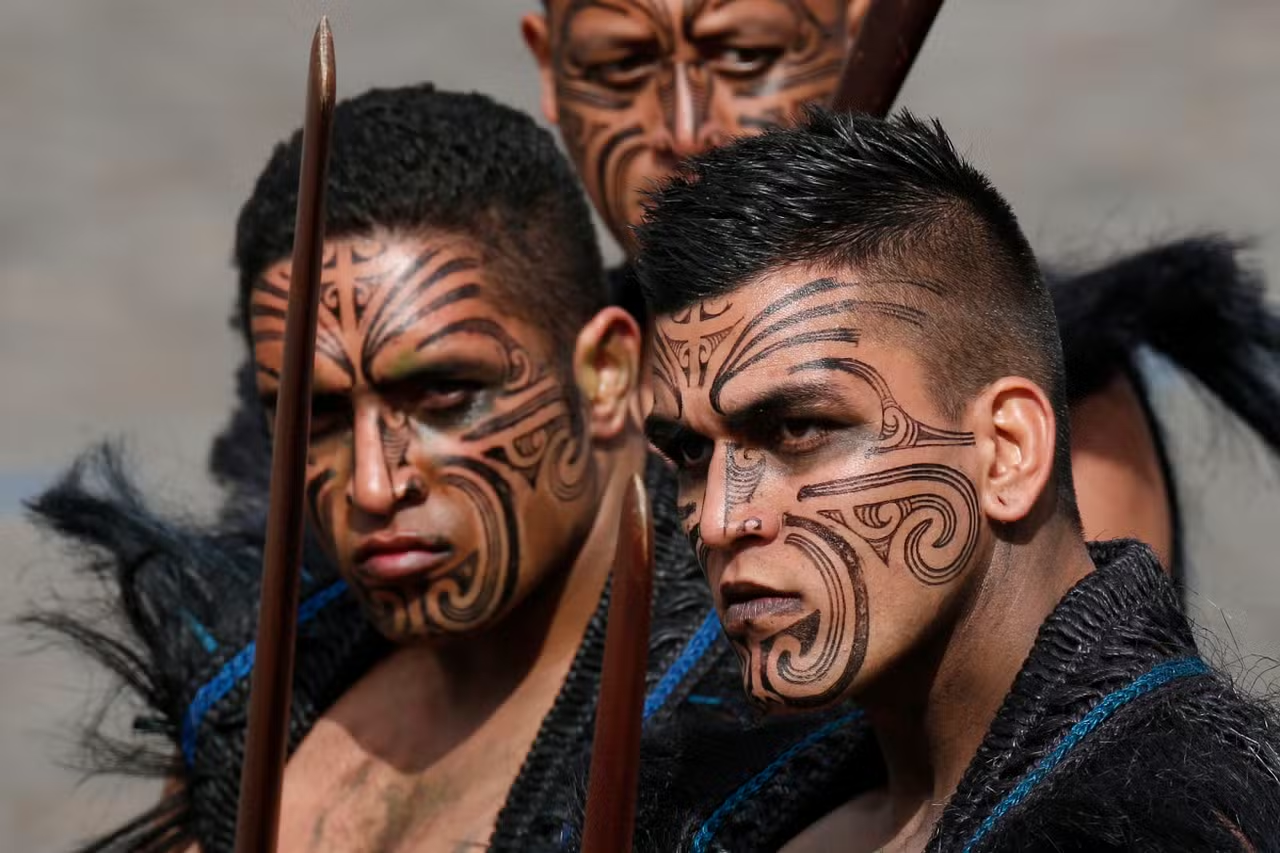
In the intricate tapestry of history, voices often unheard or overlooked can hold profound insights. In New Zealand, the narratives of the Māori people have historically been marginalized, despite their foundational role in shaping the nation's identity. This oversight not only distorts the historical record but also deprives New Zealand of a richer, more nuanced understanding of its past. As we delve into the reasons behind this historical neglect and explore the transformative potential of embracing Māori accounts, we can uncover a pathway to a more inclusive future.
Historical Context: The Underrepresentation of Māori Narratives
The omission of Māori perspectives in New Zealand's historical accounts can be traced back to the colonial era. British colonization brought with it a Eurocentric worldview that prioritized Western narratives and methodologies. This bias led to the systematic exclusion of indigenous voices in historical documentation, resulting in a skewed representation of New Zealand's past.
According to a report by Stats NZ, only 15% of historical publications in the early 20th century included Māori perspectives. This statistic underscores the extent of the oversight, reflecting a broader global trend where indigenous histories are often overshadowed by colonial narratives.
Economic and Policy Implications
The impact of overlooking Māori historical accounts extends beyond cultural implications; it has tangible economic and policy repercussions. The Reserve Bank of New Zealand highlights that Māori-led businesses are among the fastest-growing sectors in the country, contributing significantly to the national economy. Yet, the historical underrepresentation of Māori perspectives can lead to policy decisions that inadequately address the needs and contributions of these communities.
For instance, land ownership and use policies often fail to incorporate traditional Māori land stewardship practices, which can lead to conflicts and inefficiencies. By integrating Māori historical insights into policymaking, New Zealand can foster more sustainable and equitable economic growth.
Expert Opinion: The Importance of Māori Histories
Dr. Aroha Harris, a prominent Māori historian, emphasizes the transformative power of integrating Māori narratives into New Zealand's historical discourse. She argues that acknowledging these perspectives not only enriches the historical record but also empowers Māori communities by validating their experiences and contributions.
“We must move beyond tokenistic inclusion,” Dr. Harris asserts. “True integration of Māori accounts requires a fundamental shift in how history is taught and understood in New Zealand. It’s about recognizing the value of oral histories, genealogies, and traditional knowledge systems in shaping our collective understanding of the past.”
Case Study: The Tāmaki Makaurau Initiative
The Tāmaki Makaurau Initiative serves as a compelling example of how integrating Māori histories can yield positive outcomes. This Auckland-based project aims to document and preserve Māori oral histories, offering a platform for indigenous voices to share their narratives.
Problem: Many Māori elders expressed concern that their stories and cultural knowledge were being lost as younger generations became more urbanized and disconnected from their roots.
Action: The initiative employed digital storytelling techniques and collaborated with local iwi (tribes) to record and disseminate these histories.
Result: Within two years, the project successfully documented over 200 stories, significantly increasing awareness and understanding of Māori history among Auckland residents.
Takeaway: The Tāmaki Makaurau Initiative demonstrates the potential of technology in preserving indigenous histories, highlighting the importance of community collaboration in such endeavors.
Pros and Cons of Incorporating Māori Accounts in History
Pros
- Richer Historical Understanding: Integrating Māori perspectives offers a more comprehensive view of New Zealand's past, acknowledging diverse experiences and contributions.
- Cultural Empowerment: Recognizing Māori narratives validates and empowers indigenous communities, fostering a sense of pride and identity.
- Policy Improvement: Historical insights can inform more inclusive and effective policymaking, particularly in areas like land use and education.
Cons
- Resource Intensive: Documenting and integrating oral histories requires significant time and resources, including skilled researchers and community collaboration.
- Cultural Sensitivity: There is a risk of misrepresenting or commodifying Māori stories if not approached with respect and understanding.
- Resistance to Change: Some may resist altering established historical narratives, viewing it as a challenge to traditional academic frameworks.
Common Myths and Misconceptions
Myth vs. Reality
Myth: Māori histories are purely oral and lack credibility.
Reality: Māori histories encompass a rich tapestry of oral traditions, genealogies, and artworks, which are equally valid as historical sources (Source: University of Auckland).
Myth: Including indigenous perspectives will dilute New Zealand's history.
Reality: Embracing diverse narratives enriches the historical record, offering a more accurate and inclusive understanding of the past.
Future Trends: Embracing a Multivocal History
As New Zealand continues to evolve, there is a growing recognition of the importance of Māori perspectives in historical narratives. According to a 2023 report by the Ministry of Education, there is an increasing incorporation of Māori histories in school curricula, reflecting a broader societal shift towards inclusivity.
Looking ahead, it is predicted that by 2030, Māori accounts will form a core component of New Zealand's historical discourse, leading to more informed and culturally sensitive policies and practices. This shift is not only a moral imperative but also a strategic advantage in a globalized world that values diversity and inclusivity.
Conclusion: Charting a Path Forward
The journey towards integrating Māori accounts into New Zealand's historical narrative is both challenging and rewarding. By embracing these perspectives, New Zealand can foster a more inclusive society that honors its diverse heritage. As we move forward, it is crucial to continue advocating for the recognition of indigenous voices, ensuring that history reflects the true tapestry of human experience.
What’s your take? Share your insights and thoughts below on how we can better integrate Māori accounts into our understanding of history.
Related Search Queries
- Māori history in New Zealand
- Indigenous perspectives in historical narratives
- New Zealand colonial history
- Māori oral traditions
- Inclusive history curriculum
For the full context and strategies on Why New Zealand’s Historians Have Often Overlooked Maori Accounts of History – Why Ignoring It Could Be a Costly Mistake, see our main guide: Vidude For Smes Reach More Kiwis Less Spend.