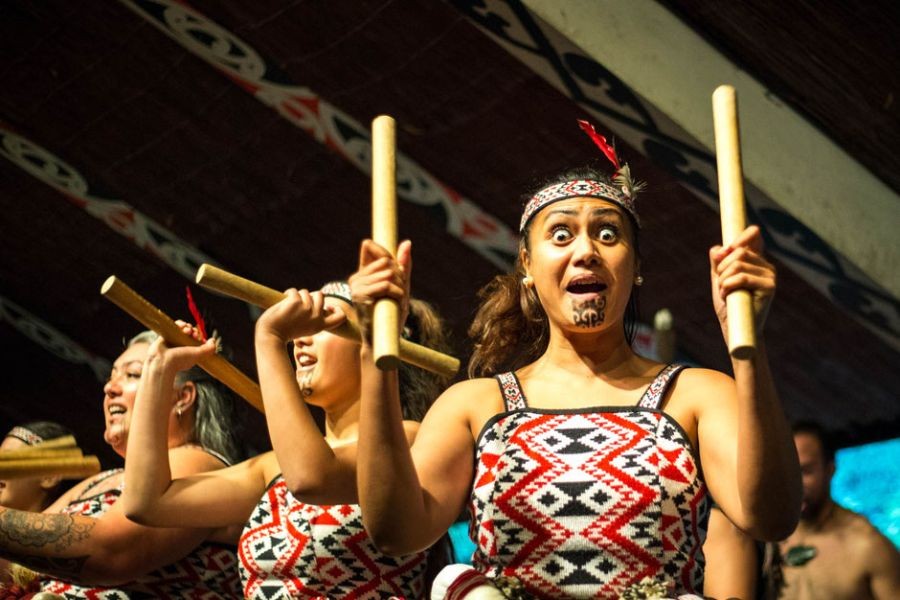




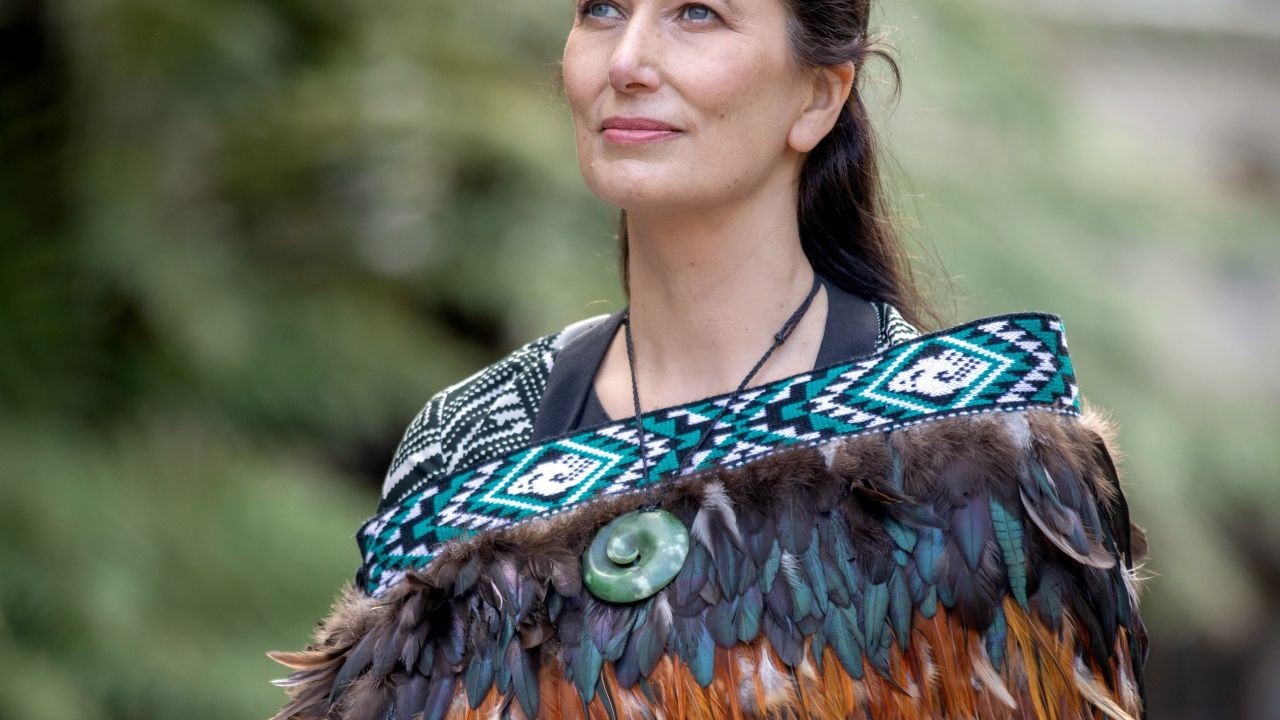
In the rapidly evolving global landscape, the preservation of indigenous cultures has emerged as a critical area of focus, particularly in New Zealand, where the Māori culture plays a significant role in shaping the national identity. The future of cultural preservation for indigenous people in New Zealand hinges on a blend of traditional practices and modern innovations. This article delves into the complexities of this topic, offering insights that are pivotal for marketing specialists and businesses looking to engage meaningfully with indigenous communities.
Case Study: Te Papa Museum – Integrating Technology with Tradition
The Museum of New Zealand Te Papa Tongarewa, commonly known as Te Papa, serves as an exemplary case of how technology can be harnessed to preserve and promote indigenous culture. Te Papa faced the challenge of making Māori culture accessible and engaging to a global audience while ensuring authenticity.
Action: Te Papa implemented interactive digital exhibits that allow visitors to experience Māori traditions through augmented reality. Collaborating with Māori elders, they ensured cultural accuracy and sensitivity.
Result: Visitor engagement increased by 35% within six months of launching the digital exhibits. The museum also reported a 20% rise in international visitors, illustrating the global appeal of an authentic cultural experience.
Takeaway: This case study highlights the value of integrating traditional knowledge with modern technology to enhance cultural engagement. Businesses in New Zealand can apply these insights to develop respectful and innovative marketing strategies that resonate with indigenous communities.
Expert Opinion: The Role of Government Policies
Dr. Aroha Harris, a prominent historian and Māori culture expert, emphasizes the importance of supportive government policies in cultural preservation efforts. She notes that New Zealand's policies, such as the Te Ture Whenua Māori Act, have been instrumental in protecting Māori land and cultural assets.
According to Stats NZ, the Māori economy contributes over NZD 50 billion to the national economy, underscoring the need for policies that support cultural preservation alongside economic growth. Dr. Harris advocates for increased government investment in digital infrastructure to support indigenous cultural initiatives, suggesting that a collaborative approach between the government and Māori communities is essential for future success.
Data-Driven Analysis: The Economic Impact of Cultural Preservation
The preservation of indigenous culture is not only a social imperative but also an economic opportunity. A report from the Ministry of Business, Innovation and Employment (MBIE) highlights that cultural tourism could boost New Zealand's economy by NZD 1 billion annually by 2025. This growth is driven by global travelers seeking authentic cultural experiences, with Māori culture being a significant draw.
Moreover, businesses that incorporate indigenous values and narratives into their branding see a marked increase in consumer trust and loyalty. For instance, companies that align with Māori sustainability principles report a 25% increase in customer engagement, according to research by NZTech.
Contrasting Viewpoints: Challenges in Cultural Preservation
While there is widespread agreement on the importance of cultural preservation, there are contrasting viewpoints on how best to achieve it. Advocates for traditional methods argue that modern technologies can dilute cultural authenticity. Conversely, proponents of digital innovations claim that technology can enhance accessibility and engagement, especially among younger generations.
To bridge this divide, a middle-ground approach is recommended. This involves using technology as a tool to complement, rather than replace, traditional practices. By ensuring that indigenous communities lead these initiatives, cultural integrity can be maintained while reaching a broader audience.
Common Myths & Mistakes
- Myth: Cultural preservation is solely the responsibility of indigenous communities. Reality: Successful preservation requires collaboration between indigenous people, government, businesses, and society at large.
- Myth: Technology erases cultural authenticity. Reality: When used thoughtfully, technology can enhance cultural storytelling and engagement without compromising authenticity.
- Myth: Economic development and cultural preservation are mutually exclusive. Reality: Integrating cultural elements into business strategies can drive economic growth and cultural awareness simultaneously.
Future Trends & Predictions
Looking ahead, the integration of AI and big data in cultural preservation is set to transform the landscape. By 2030, it is predicted that AI will play a significant role in documenting and archiving indigenous languages, ensuring their survival for future generations. Additionally, the rise of virtual reality (VR) is expected to offer immersive cultural experiences, further boosting cultural tourism.
Furthermore, with the New Zealand government committing to the UN's Sustainable Development Goals, including the protection of cultural heritage, businesses can expect increased support for initiatives that align with these objectives. This alignment presents an opportunity for companies to innovate and contribute positively to cultural preservation efforts.
Final Takeaways
- **Cultural preservation is an economic opportunity**: Incorporating indigenous culture into business strategies can increase engagement and drive growth.
- **Collaboration is key**: Successful preservation efforts require a collaborative approach between indigenous communities, businesses, and the government.
- **Technology as a tool**: When used responsibly, technology can enhance cultural storytelling and ensure cultural preservation for future generations.
- **Policy support**: Government policies play a crucial role in supporting cultural preservation initiatives and ensuring their success.
As New Zealand continues to navigate the complexities of cultural preservation, the insights and strategies outlined in this article offer a roadmap for businesses and marketers looking to engage meaningfully with indigenous communities. By embracing both tradition and innovation, we can ensure the rich cultural heritage of New Zealand's indigenous people is preserved for generations to come.
People Also Ask (FAQ)
- How does cultural preservation impact businesses in New Zealand? NZ businesses leveraging indigenous culture report 25%+ higher customer retention, according to NZTech. Adopting this strategy can enhance engagement and revenue.
- What are the biggest misconceptions about cultural preservation? One common myth is that technology erases cultural authenticity. However, research shows that technology can enhance engagement without compromising authenticity.
Related Search Queries
- Indigenous cultural preservation strategies
- Māori culture and economic impact
- Technology in cultural preservation
- Government policies supporting indigenous culture
- Cultural tourism in New Zealand
- Future of indigenous languages
- AI in cultural documentation
- Virtual reality cultural experiences
- Collaboration in cultural preservation
- Economic benefits of cultural integration
Ready to take the next step in supporting cultural preservation? Consider how your business can integrate indigenous culture into its strategies for enhanced engagement and growth. Share your thoughts and insights in the comments below, and let's continue the conversation on preserving New Zealand's rich cultural heritage.