




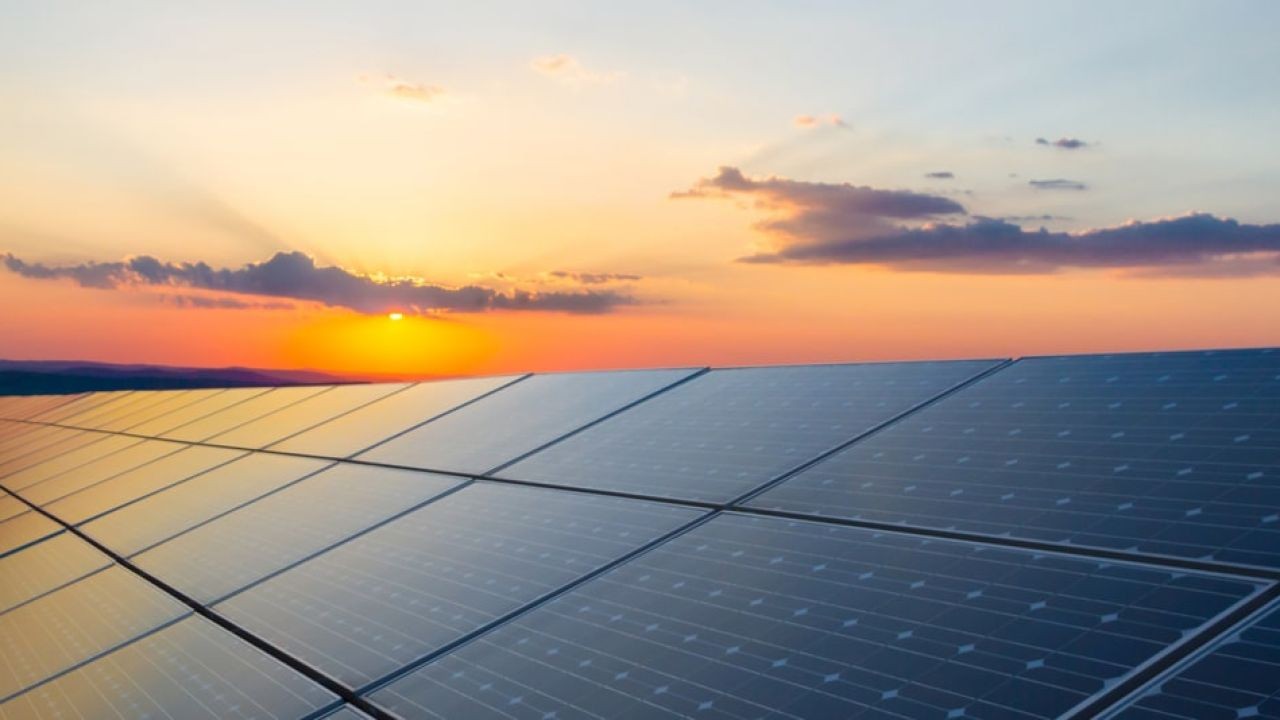
Australia has long been at the forefront of solar energy adoption, thanks to its abundant sunlight and increasing governmental incentives. However, not every Australian household is able to tap into this renewable energy source. There are several barriers, ranging from property-specific issues to broader regulatory challenges. This article delves into the myriad reasons why some Australian homes can't install solar panels, providing expert insights and data-driven analysis.
Solar energy has become a defining feature of Australia’s residential landscape. With abundant sunlight, rising electricity costs, and strong public awareness, rooftop solar is often seen as an obvious upgrade for homeowners. Yet despite Australia’s global leadership in solar adoption, a significant number of houses are unable to install solar panels at all, or can only do so with major limitations. Understanding why this happens is essential for Australian professionals working in property, construction, energy, finance, and local governance.
One of the most common barriers to solar installation is roof suitability. Many Australian homes, particularly older properties, were not designed with solar loads in mind. Roofs may lack sufficient structural strength to support panel systems, especially when combined with wind uplift requirements. In some cases, extensive reinforcement is required, making installation technically complex and economically unviable. This is particularly relevant in heritage homes, post-war housing, and lightweight constructions common in certain regions.
Roof orientation and available surface area also play a decisive role. Solar systems perform best when panels face north with minimal shading, but not all homes meet this requirement. Narrow lots, steep roof pitches, complex roof geometries, or excessive dormers can reduce usable space to the point where a system cannot generate meaningful output. In dense urban areas, overshadowing from neighbouring buildings or trees can further compromise performance, even if the roof itself is structurally sound.
Heritage overlays and planning restrictions present another major limitation. Many Australian homes fall under heritage protection or local council controls that restrict visible alterations. In these cases, rooftop solar panels may be prohibited outright or subject to lengthy approval processes. Even when allowed, strict placement requirements can significantly reduce system efficiency, making installation impractical from both a technical and financial perspective.
Electrical infrastructure constraints are an often-overlooked factor. Some older homes have outdated switchboards, insufficient wiring capacity, or incompatible earthing systems. Before solar can be installed, these properties require electrical upgrades to meet current safety standards. In regional or fringe urban areas, grid connection limits can also prevent new solar systems from exporting energy, reducing the value proposition for homeowners and sometimes halting installations altogether.
Apartment buildings and strata-titled properties introduce an additional layer of complexity. Individual unit owners typically do not control roof space, and solar installations require approval from owners’ corporations or body corporates. Disputes over cost-sharing, maintenance responsibility, and benefit allocation frequently delay or block projects. For many apartment residents, solar remains inaccessible despite strong demand.
Environmental factors can also restrict installation. Homes in cyclone-prone regions face stricter engineering requirements to ensure panels can withstand extreme weather. Bushfire-prone areas may impose additional safety standards or limit roof penetrations. Coastal properties must account for corrosion risks that shorten system lifespan, making installations less attractive without specialised equipment.
From a professional standpoint, these limitations carry broader implications. Real estate professionals need to understand that solar potential is not universal and should avoid oversimplified assumptions when marketing properties. Builders and designers must account for solar readiness at the planning stage rather than treating it as a retrofit. Energy consultants and installers need to communicate constraints transparently to avoid unrealistic expectations and compliance issues.
For policymakers and industry leaders, the persistence of non-solar-ready housing highlights the importance of systemic solutions. These include modernising building codes, incentivising electrical upgrades, supporting community solar models, and addressing grid capacity constraints. Without such measures, solar adoption risks becoming uneven, reinforcing energy inequality between households that can install systems and those that cannot.
Solar power remains one of Australia’s most powerful tools for reducing emissions and energy costs, but its deployment is shaped by physical, regulatory, and infrastructural realities. Not every roof is suitable, and not every home can be adapted easily. For Australian professionals, recognising these constraints is not a setback but a necessary step toward smarter planning, better advice, and more inclusive energy solutions.
Understanding why some houses cannot install solar panels allows professionals to move beyond simple advocacy and toward practical, credible guidance. As Australia continues its energy transition, the challenge is not just expanding solar uptake, but ensuring that the system works for the full diversity of the nation’s built environment.
Understanding the Solar Landscape in Australia
Australia is known for its sunny climate, making it an ideal location for solar energy production. According to the Australian Bureau of Statistics, about 30% of Australian households have solar panels installed, a number that continues to rise due to both environmental awareness and economic incentives. Yet, some homes remain unable to join this solar revolution.
Property-Specific Challenges
One of the primary obstacles to solar panel installation is the physical and structural limitations of certain properties. For instance, homes with shaded roofs, unsuitable roof orientations, or insufficient structural integrity may not support solar installations effectively. Additionally, properties in heritage-listed areas often face restrictions that prevent modifications necessary for solar panel installations.
Regulatory and Policy Barriers
Regulatory challenges also play a significant role. In some Australian states, building codes and local council regulations can complicate or even prohibit the installation of solar panels. These regulations aim to preserve the aesthetic value of neighborhoods, particularly in areas with historical significance. Moreover, strata properties, which include apartment buildings and townhouses, often have complex governance structures that require unanimous or majority agreement from owners before solar installations can proceed.
Economic Factors and Incentives
While the Australian government provides various incentives for solar energy adoption, such as the Small-scale Renewable Energy Scheme, economic factors can still deter homeowners. The upfront cost of solar panel installation can be prohibitive, particularly for low-income households. Even with potential savings on energy bills, the initial investment remains a significant barrier for many.
The Reserve Bank of Australia notes that while interest rates on loans for renewable energy projects have decreased, financial barriers persist. Many homeowners are unable to access the necessary capital or are unwilling to take on additional financial risk.
Case Study: Heritage Home in Sydney
A heritage-listed home in Sydney faced numerous challenges when attempting to install solar panels. The local council's regulations required that any modifications to the property's exterior maintain its historical integrity. As a result, the homeowners had to navigate a complex approval process, ultimately deciding against installation due to the high costs and time involved.
Environmental Concerns and Technological Limitations
Environmental factors also impact solar panel installation. In regions prone to extreme weather conditions, such as cyclones or bushfires, the durability and safety of solar installations can become a concern. Technology is advancing, but some areas still lack the resilient solutions needed to withstand these environmental challenges.
Expert Insight: The Role of Innovation
Dr. Emily Turner, a renewable energy consultant, highlights that innovation in solar technology is essential. "As we develop more resilient and adaptable solar solutions, we can overcome many of the current barriers. However, this requires significant investment in research and development," she explains.
Debunking Common Myths
- Myth: "All homes can install solar panels with ease." Reality: Many homes face structural, regulatory, and economic challenges that prevent easy installation.
- Myth: "Solar panels are always a cost-saving solution." Reality: While solar panels can reduce energy bills, the initial investment and maintenance costs can outweigh the benefits for some households.
- Myth: "Government incentives make solar panels affordable for everyone." Reality: Incentives help, but they do not fully offset the upfront costs, making solar panels less accessible for low-income families.
Future Trends and Predictions
Looking ahead, the solar industry in Australia is poised for growth, but several trends could influence who can install solar panels. The Australian Energy Market Operator predicts an increase in community solar projects, which could provide more accessible solar energy solutions for those unable to install panels on their homes directly.
Additionally, advancements in battery storage technology and microgrid systems may play a crucial role in overcoming current limitations. These innovations could allow for more flexible and resilient energy solutions, making solar power a viable option for a broader range of properties.
Conclusion and Call to Action
While barriers to solar panel installation exist, understanding and addressing these challenges can pave the way for broader adoption. Homeowners, policymakers, and industry leaders must collaborate to develop solutions that make solar energy accessible to all Australian households. If you're facing challenges with solar installation, consider consulting with a renewable energy expert to explore alternative solutions and incentives available in your area.
People Also Ask
- How does the Australian government support solar energy adoption? The government offers incentives like the Small-scale Renewable Energy Scheme, which provides financial benefits to households installing solar panels.
- What are the biggest misconceptions about solar panels in Australia? A common myth is that all homes can install solar panels easily. In reality, many face structural, regulatory, and economic challenges.
- What future trends could impact solar panel installation in Australia? Community solar projects and advancements in battery storage technology may increase accessibility to solar energy across diverse property types.
Related Search Queries
- Why can't some homes install solar panels?
- Challenges of solar panel installation in Australia
- Australian government incentives for solar energy
- Solar panel regulations in heritage areas
- Future of solar energy in Australia
For the full context and strategies on Why Some Australian Houses Can’t Install Solar Panels – What Aussie Professionals Should Know, see our main guide: Medical Clinic Videos Australia.