





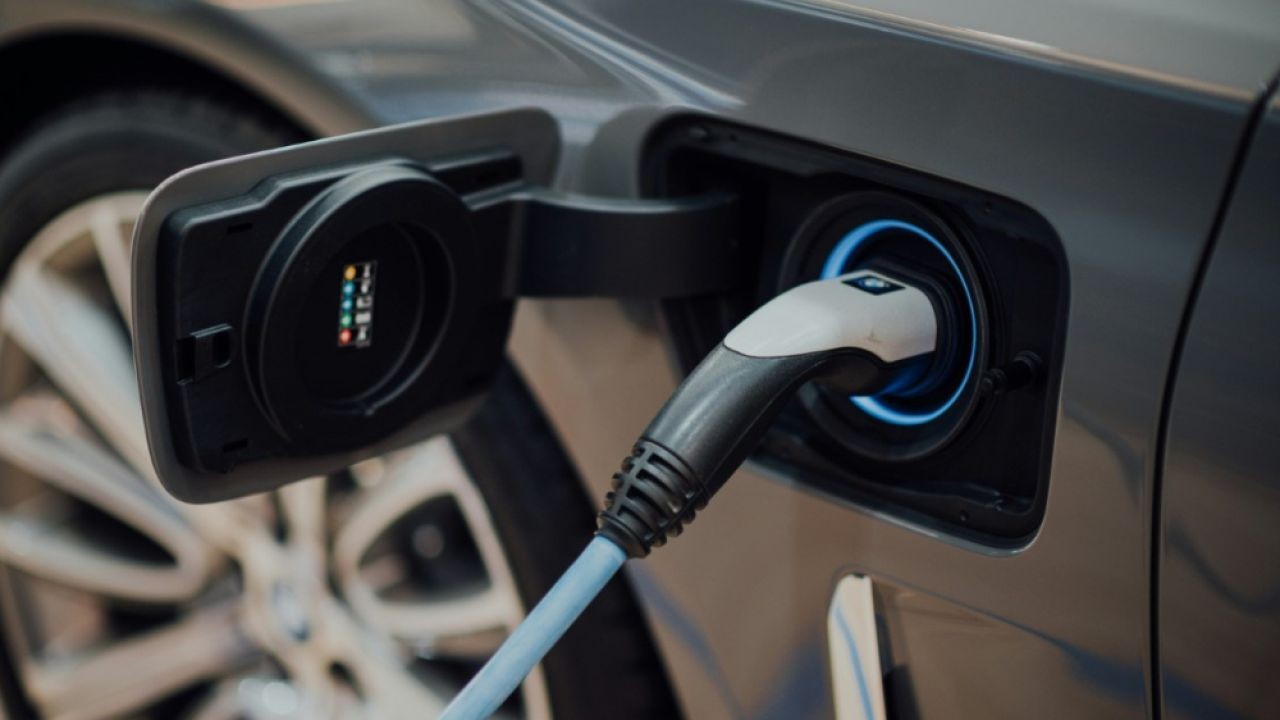
The transition to electric vehicles in New Zealand is often framed as a simple equation: offer a financial incentive, and consumers will switch. This narrative, however, obscures a far more complex and critical reality. The recent policy whiplash—from the Clean Car Discount's feebate scheme to its abrupt, poorly communicated termination—has exposed a fundamental flaw in our national strategy. We have prioritized short-term demand-side subsidies while dangerously neglecting the foundational, long-term infrastructure required to support a genuine EV revolution. The result is a growing fleet of electric vehicles increasingly dependent on a fragile and uneven charging network, a situation that risks eroding public confidence and stalling our decarbonisation progress. This isn't just about policy changes; it's about a systemic failure to build the backbone of a sustainable transport future.
The Clean Car Discount: A Demand-Side Jolt with Unintended Consequences
Introduced in July 2021, the Clean Car Discount was a bold demand-side intervention. By applying fees to high-emission imports and providing rebates for low- and zero-emission vehicles, it sought to rapidly reshape the vehicle fleet entering New Zealand. The data shows it worked, perhaps too well for its own political longevity. According to Waka Kotahi NZ Transport Agency, battery electric vehicle (BEV) registrations skyrocketed from 3,516 in 2020 to over 20,000 in 2023, with the discount a primary catalyst. The policy successfully brought EVs into price parity, or even advantage, for a significant segment of the new and used import market.
However, this demand-side success story masked several critical tensions. From consulting with local businesses in New Zealand, I observed a surge in importers scrambling to source affordable EVs, primarily from Japan and the UK, to meet the rebate-driven demand. This created a supply chain heavily skewed towards used imports, raising long-term questions about battery health, technological currency, and the creation of a secondary market for aging EV batteries. Furthermore, the policy's design, while effective, was politically vulnerable. Its framing as a "ute tax" in a nation with deep cultural and economic ties to light commercial vehicles sowed the seeds of its demise. The subsequent removal of the scheme in December 2023 created a cliff-edge, causing immediate market distortion and sending a chilling message about policy consistency to both consumers and industry investors.
Key actions for Kiwi EV advocates
- Focus on Total Cost of Ownership: With the rebate gone, shift the conversation from sticker price to long-term fuel and maintenance savings. Tools like Gen Less's EV savings calculator are essential.
- Lobby for Policy Certainty: Advocate for cross-party agreement on long-term transport decarbonisation frameworks beyond electoral cycles, similar to the Climate Change Response Act's emissions budgets.
- Support Business Fleets: Encourage SMEs to transition commercial fleets; the business case remains strong with fringe benefit tax exemptions for low-emission vehicles.
The Infrastructure Lag: New Zealand's Achilles' Heel
While the Clean Car Discount supercharged EV uptake, the parallel rollout of charging infrastructure has been a story of fragmented progress, market failure, and geographic inequity. The government's primary mechanism, the Low Emission Transport Fund (LETR), has co-funded several charging hubs, but the pace and strategy are misaligned with the growing fleet. A critical insight from the sector, often overlooked, is the difference between network coverage and network resilience. We are adding chargers, but we are not building a robust, interoperable, and future-proofed national system.
Based on my work with NZ SMEs in the energy sector, the commercial reality is harsh. The business case for ultra-rapid chargers on low-traffic regional routes is weak without significant public co-investment. This has led to a "charging desert" phenomenon outside main urban centres and key tourist corridors. Furthermore, our electricity distribution networks, managed by local lines companies, were not designed for the concentrated, high-power demand of multiple simultaneous ultra-rapid charges. Upgrading these substations and transformers is a multi-year, billion-dollar challenge not reflected in glossy EV adoption charts. The recent announcement of a $120 million fund for public charging infrastructure is a step, but it must be deployed with a strategic, nationally coordinated plan that prioritises grid readiness as much as charger installation.
How NZ readers can apply this today
- Plan Your Routes: Before a long trip, use apps like PlugShare to identify not just charger locations, but their recent reliability status and compatible plug types.
- Engage with Your Lines Company: Contact your local lines company (e.g., Vector, Orion, Powerco) to understand their EV strategy and time-of-use rates that benefit off-peak charging.
- Advocate for Local Solutions: Push your local council to streamline consenting for charging infrastructure and include EV-ready requirements in new building codes.
Debate & Contrasting Views: Subsidy vs. Infrastructure – Which Comes First?
The core debate in New Zealand's EV transition pits two philosophies against each other. The first, embodied by the Clean Car Discount, argues that stimulating demand is paramount. Create a market, and the infrastructure will follow through private investment. The second contends that without a reliable, ubiquitous charging network, mass consumer adoption will hit a hard ceiling of "range anxiety," making subsidies an expensive way to service only urban early adopters.
The Pro-Subsidy Argument: Advocates point to the undeniable success of the feebate. It moved the market faster than any other policy could. It created a visible critical mass of EVs on the road, normalising the technology and driving down second-hand prices. Their view is that infrastructure is a "chicken and egg" problem; you need enough EVs to justify commercial investment in chargers. The subsidy created those eggs.
The Pro-Infrastructure Argument: Critics, including many in regional New Zealand, argue the demand-first approach put the cart before the horse. It concentrated benefits on those with off-street parking for home charging (often wealthier, urban homeowners) while leaving others behind. They argue for a "Field of Dreams" approach: build a comprehensive, reliable network—especially along state highways and in provincial towns—and consumers will come, subsidy or not, because the practical barrier is removed.
The Middle Ground – A Systems Approach: The truth is neither side can succeed alone. Drawing on my experience in the NZ market, the solution is a sequenced, integrated systems approach. Initial demand stimuli (like the Clean Car Discount) are useful to kickstart the market and achieve economies of scale. However, this must be rapidly coupled with a state-led, strategic investment in the backbone infrastructure, particularly in areas the market will not serve. This includes mandating interoperability, ensuring grid readiness, and addressing "charging equity" for renters and apartment dwellers through policies like the right to charge.
Pros & Cons: Evaluating the Two Pillars of EV Transition
✅ Pros of Demand-Side Policies (Clean Car Discount)
- Rapid Market Transformation: Achieved a dramatic, measurable increase in EV uptake in a short timeframe.
- Consumer Education: Forced a national conversation about vehicle emissions and running costs, raising public awareness.
- Economic Efficiency: The feebate model was largely fiscally neutral, using fees from high-emitters to fund rebates.
- Stimulated Supply Chains: Encouraged importers to prioritise and source low-emission vehicles, improving availability.
❌ Cons of Demand-Side Policies
- Political Volatility: Subject to sudden change with shifting governments, creating market uncertainty and damaging investor confidence.
- Equity Concerns: Perceived as penalising essential users (e.g., farmers, tradies) while subsidising urban elites, fuelling social resistance.
- Supply Chain Distortion: Led to a flood of used imports without a concurrent plan for end-of-life battery management.
- Infrastructure Pressure: Accelerated fleet growth without ensuring infrastructure could keep pace, risking public frustration.
✅ Pros of Prioritising Infrastructure Rollout
- Builds Long-Term Confidence: A visible, reliable network alleviates range anxiety, the primary barrier for most consumers.
- Enables Universal Access: Can be planned to serve all regions and communities, not just profitable metro corridors.
- Future-Proofs Investment: Grid upgrades and charging hubs support not just today's EVs but future electric trucks and technology.
- Stable Policy Environment: Physical infrastructure, once built, is a tangible commitment less easily reversed than a financial scheme.
❌ Cons of Prioritising Infrastructure Rollout
- High Upfront Capital Cost: Requires significant government expenditure with a longer return on investment timeline.
- Risk of Underutilisation: If built too far ahead of demand, assets may sit idle, seen as wasteful spending.
- Technological Risk: Standards are still evolving; investing in the wrong charging technology could lead to stranded assets.
- Complex Coordination: Requires alignment between central government, local councils, lines companies, and private operators—a major governance challenge.
Common Myths & Mistakes in New Zealand's EV Discourse
Myth 1: "EVs will crash the electricity grid." Reality: While concentrated demand is a localised challenge, EVs present a massive grid storage opportunity. Through smart charging and vehicle-to-grid (V2G) technology, EVs can absorb excess renewable generation (like midday solar) and feed power back during peak demand. The real mistake is failing to invest in smart meters and tariff structures to enable this. In practice, with NZ-based teams I’ve advised, the focus must be on managed charging solutions to turn EVs from a grid threat into a grid asset.
Myth 2: "The Clean Car Discount was a cost to taxpayers." Reality: The scheme was designed to be revenue-neutral. Fees collected from high-emission vehicles funded the rebates. The mistake was a failure in communication, allowing it to be framed as a subsidy. The true "cost" of its removal is the increased emissions and health impacts from a slower fleet turnover, which imposes a far greater burden on society and the public health system.
Myth 3: "Private companies will build all the charging infrastructure we need." Reality: This is a classic market failure. Private operators will naturally focus on high-traffic, profitable sites. They will not build the essential but less profitable chargers in remote regions or low-income urban areas. The mistake is relying solely on the market. As seen with the rural broadband initiative, strategic public investment is required to ensure equitable, nationwide coverage.
Myth 4: "New Zealand's 80%+ renewable electricity means EVs are already 'green'." Reality: While our grid is relatively clean, the carbon footprint of manufacturing an EV battery is significant. The full lifecycle advantage emerges over time. The critical mistake is ignoring the embedded carbon in imported vehicles. The next policy frontier must incentivise circular economy principles for batteries and support for low-carbon manufacturing, turning our green grid advantage into a high-value industry.
Case Study: The Norway Model – Lessons for Aotearoa
Problem: Norway, like NZ, is a nation with long distances, hydropower, and a car-dependent culture. In the early 2000s, it faced the same challenge: how to transition from fossil fuel vehicles.
Action: Norway implemented a consistent, long-term package of policies starting in the 1990s, including:
- Exempting EVs from import taxes and VAT (25%).
- Granting access to bus lanes, free tolls, and free parking.
- Heavily investing in a public fast-charging network, with state enterprise Enova playing a key role.
Crucially, these policies were maintained across governments for over two decades.
Result: As of 2023, over 90% of new cars sold in Norway are fully electric. The comprehensive charging network is now commercially sustainable, and the policy focus is shifting to heavier vehicles and charging for those without home access.
Takeaway: Norway’s success wasn't one policy but a stable, integrated system of fiscal incentives and infrastructure support. For New Zealand, the lesson is that stop-start demand tools alone are insufficient. We need a similar bipartisan, long-term roadmap that combines targeted incentives with a state-backed commitment to build the charging backbone, particularly for our regions. The recent $120 million fund is a start, but it lacks the scale and longevity of the Norwegian approach.
Future Trends & Predictions: The Road to 2030
The next five years will determine if New Zealand's EV transition stalls or accelerates. Based on current trajectories and industry intelligence, we can expect:
- Rise of the Electric Ute: By 2026, compelling electric ute models from BYD, Ford, and others will hit the NZ market. This will be the true test of mainstream adoption, forcing a reevaluation of infrastructure needs for commercial users.
- Grid Integration Becomes Critical: As EV numbers pass 250,000, lines companies will be forced to implement more dynamic time-of-use tariffs and potentially grid constraint signals to manage load. Smart chargers will shift from a luxury to a necessity.
- Second-Life Battery Economy Emerges: With the first wave of used imported EVs reaching end-of-life, a local industry for battery repurposing (e.g., for static storage on farms or in buildings) will begin to scale, driven by ventures like ArcActive in Christchurch.
- Policy Shift to Mandates: If voluntary uptake plateaus, pressure will grow for a clean car standard or even an ICE sales phase-out date (as in the UK and EU), moving from carrot to stick.
Final Takeaway & Call to Action
The dichotomy between the Clean Car Discount and charging infrastructure is a false one. New Zealand's path to a decarbonised transport fleet requires both: intelligent, stable demand-side measures and a strategically planned, publicly underwritten infrastructure rollout. The mistake was pursuing the former with vigour while treating the latter as an afterthought. We now have a fleet growing faster than its support system, a dangerous precedent that risks a public backlash.
The task now is to build the backbone. This means treating EV charging as essential public infrastructure, like broadband or roads, and investing accordingly. It means empowering a central agency to coordinate a national network plan with lines companies and councils. And it means providing policy certainty that extends beyond the three-year electoral cycle.
What’s your next move? If you are a business owner, calculate your fleet's TCO and engage with an EV supplier. If you are a community leader, lobby your local MP and council for a regional charging strategy. If you are an advocate, shift the conversation from subsidies to systems. The debate is over; it's time to build.
People Also Ask (FAQ)
What will happen to EV prices in NZ now the Clean Car Discount is gone? Expect used import prices to soften slightly, but new EV prices are unlikely to drop significantly due to global supply costs. The focus will shift to long-term running cost savings, which remain substantial with high petrol prices.
Is it still worth buying an EV in New Zealand in 2024? Yes, for most urban drivers with home charging access. The financial case remains strong on total cost of ownership. For those reliant on public charging for daily needs, careful assessment of local infrastructure is essential.
Who is responsible for building EV charging stations in NZ? It's a mix. Private companies (ChargeNet, Z, BP) lead in high-traffic areas. Government co-funds via EECA's Low Emission Transport Fund. Lines companies manage grid connections. This fragmented model is a key reason progress is uneven.
Related Search Queries
- NZ EV charging station map 2024
- Cost to install home EV charger New Zealand
- New Zealand electric vehicle sales statistics
- Best used EV to buy NZ 2024
- NZ government EV subsidy after clean car discount
- How to apply for EV charging grant NZ business
- Electric ute availability New Zealand 2024
- Vehicle to grid (V2G) technology NZ
- Comparing EV running costs vs petrol NZ
- New Zealand national EV infrastructure strategy
For the full context and strategies on 19. The uptake and infrastructure rollout for electric vehicles versus the clean car discount policy changes – What No One Is Talking About in NZ, see our main guide: Automotive Service Maintenance Videos Nz.