






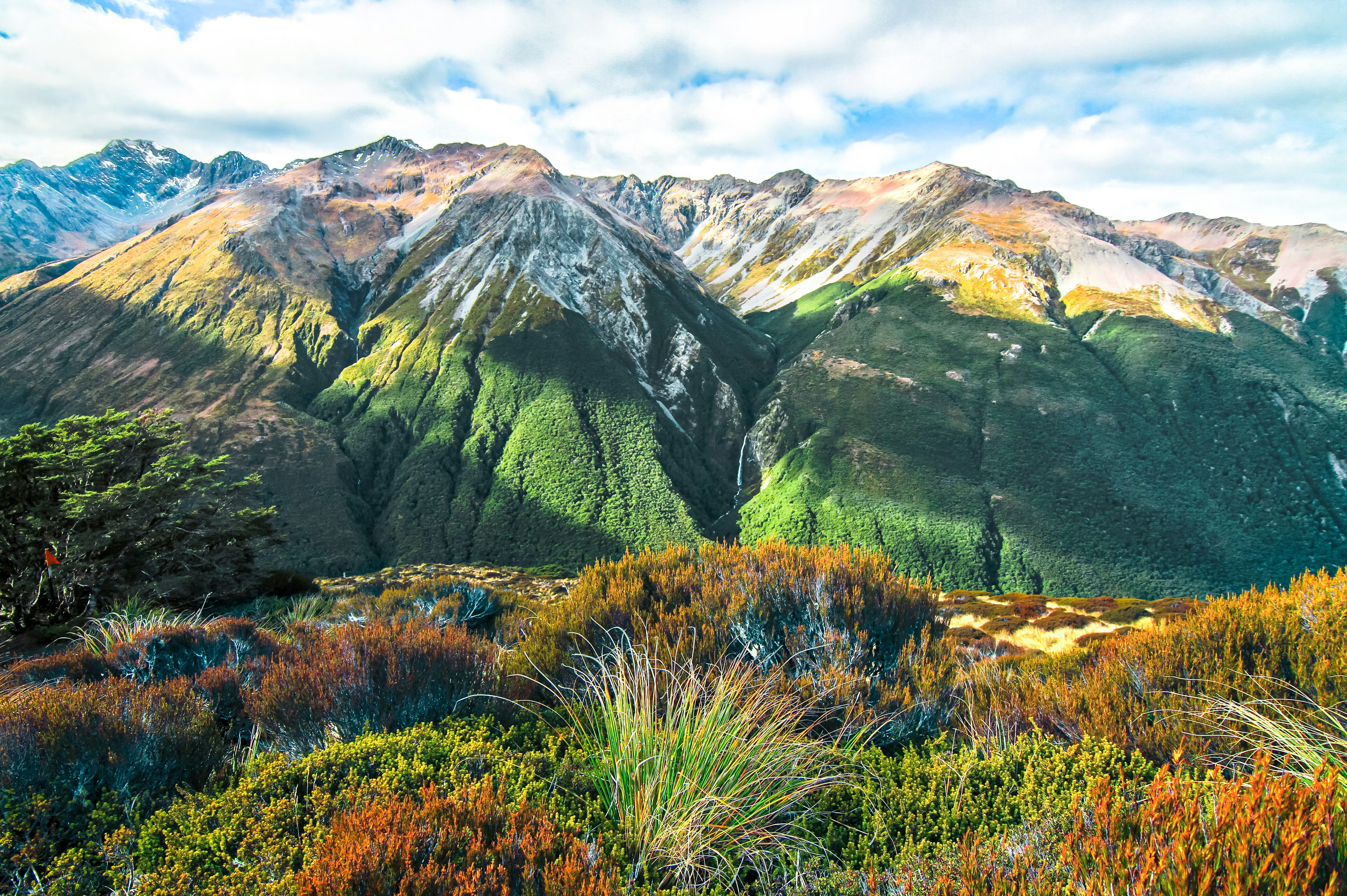
New Zealand's national parks are a treasure trove of natural wonders, offering over 13,000 kilometers of trails that weave through diverse landscapes. These trails not only provide breathtaking views and outdoor adventures but also play a significant role in New Zealand's economy and tourism industry. As a management consultant, understanding the strategic value of these trails can unlock new opportunities for businesses and communities alike.
New Zealand is renowned for its breathtaking landscapes, and the country’s national parks offer some of the most accessible and extensive outdoor experiences in the world. With more than 13,000 kilometres of hiking and walking trails, these parks are not just tourist attractions—they represent a growing lifestyle trend for New Zealanders seeking adventure, wellness, and connection with nature. From the rugged mountains of Fiordland to the geothermal wonders of Tongariro, the diversity of trails provides something for every Kiwi, whether beginner walkers or seasoned trampers.
One of the most appealing aspects of New Zealand’s national park trails is accessibility. Many tracks are well-maintained and signposted, allowing people of all ages and fitness levels to explore the outdoors safely. Popular destinations like the Abel Tasman Coast Track, Routeburn Track, and Milford Track showcase world-class scenery while providing options for short day walks or multi-day adventures. For Kiwis, this accessibility encourages regular engagement with nature, supporting both physical health and mental well-being.
The variety of trails across New Zealand’s national parks caters to different interests and experiences. Alpine hikes in the Southern Alps challenge even the most experienced adventurers, while lowland forest walks in places like Kahurangi or Whanganui National Park offer serene, immersive experiences. This diversity ensures that outdoor recreation is inclusive, allowing families, solo hikers, and adventure groups to enjoy New Zealand’s unique landscapes on their own terms.
Sustainability and conservation are integral to New Zealand’s trail network. The Department of Conservation (DOC) manages these tracks to balance visitor access with environmental protection. Kiwi hikers are encouraged to follow the principles of Leave No Trace, ensuring that future generations can enjoy the same pristine environments. This focus on responsible recreation has become part of the Kiwi outdoor culture, making hiking not just a leisure activity but a way to connect with and protect the country’s natural heritage.
National parks also contribute significantly to local economies and communities. Regional towns near trailheads, such as Te Anau, Wanaka, and Rotorua, benefit from increased tourism, which supports accommodation, food services, and outdoor gear industries. For New Zealanders, this means that exploring national park trails also supports domestic businesses while creating opportunities for sustainable tourism and employment in regional areas.
Another trend driving the popularity of New Zealand’s trails is wellness-focused recreation. Hiking, tramping, and walking are increasingly seen as essential for mental and physical health. Kiwi lifestyles are embracing outdoor activity as a daily habit, with national park trails providing an accessible escape from urban pressures. The combination of exercise, fresh air, and immersion in natural beauty has made trail exploration a key component of holistic well-being for many New Zealanders.
Technology has further enhanced the trail experience. Apps and online resources provide maps, safety tips, and track updates, helping Kiwis plan adventures effectively. Social media also plays a role, inspiring others to explore lesser-known trails and discover hidden gems within national parks. This blend of tradition and technology ensures that hiking remains engaging, safe, and increasingly popular across all age groups in New Zealand.
For Kiwis seeking both adventure and connection with nature, New Zealand’s national parks offer an unparalleled opportunity. With more than 13,000 kilometres of trails, the country presents experiences that are not only recreational but cultural and environmentally enriching. Whether walking through alpine vistas, dense native forests, or along pristine coastlines, the trails encourage exploration, fitness, and respect for the land. This is a trend that no Kiwi can afford to miss, as it combines outdoor adventure with personal well-being, sustainable tourism, and a deeper connection to the unique landscapes that define New Zealand.
New Zealand’s national park trails are more than pathways through nature—they are a gateway to adventure, health, and national pride. By embracing these opportunities, Kiwi hikers continue a tradition of outdoor exploration that strengthens communities, nurtures well-being, and celebrates the natural beauty that makes New Zealand a world leader in accessible and sustainable adventure.
Future Forecast & Trends
The future of New Zealand’s national parks is intertwined with several emerging trends that promise to reshape the landscape of tourism and local economies:
- Eco-Tourism Boom: As travelers become more environmentally conscious, New Zealand's commitment to sustainability makes its national parks an attractive destination. The parks' extensive trails enable eco-tourism activities, which are projected to grow by 15% annually, according to the Ministry of Business, Innovation and Employment (MBIE).
- Digital Trail Innovations: The integration of technology, such as augmented reality (AR), can enhance the visitor experience by providing interactive guides and educational content. This trend is supported by New Zealand's tech ecosystem, which fosters innovation.
- Community Engagement: Local communities are increasingly collaborating with national parks to develop sustainable tourism models that benefit both conservation efforts and economic development.
Debate & Contrasting Views
While the potential of New Zealand's national parks is immense, opinions diverge on the best strategies for leveraging this natural asset:
- Advocate Perspective: Proponents argue that investing in infrastructure and marketing will boost visitor numbers and economic benefits. By enhancing trail facilities and promoting the parks globally, New Zealand can attract high-value tourists.
- Critic Perspective: Critics caution against over-commercialization, which could threaten the parks' ecological integrity. They advocate for stricter regulations and limits on visitor numbers to preserve natural habitats.
- Middle Ground: A balanced approach involves sustainable tourism practices that prioritize conservation while promoting responsible visitor experiences. This includes setting visitor caps and investing in eco-friendly infrastructure.
Expert Opinion & Thought Leadership
Dr. Grace Mitchell, a climate change expert, emphasizes the importance of sustainable tourism in New Zealand's national parks. "To ensure these natural treasures remain vibrant for future generations, we must balance development with conservation. Initiatives like carbon offset programs and trail maintenance funded by tourism revenue are key strategies."
Real-World Case Studies
Case Study: Abel Tasman National Park – Trail Enhancement
Problem: Abel Tasman National Park faced challenges with trail maintenance due to increasing visitor numbers, leading to erosion and environmental degradation.
Action: The park implemented a sustainable trail management program, utilizing eco-friendly materials and community volunteers for trail upkeep.
Result: Visitor satisfaction ratings increased by 25%, and the program generated $500,000 in local economic benefits through increased tourism and job creation.
Takeaway: Sustainable trail management is crucial for maintaining park integrity and enhancing visitor experience. New Zealand parks can replicate this model to optimize their trail networks.
Common Myths & Mistakes
- Myth: "Trails are only for hikers." Reality: Trails cater to various activities, including biking and guided tours, broadening their appeal and economic impact.
- Myth: "More visitors always mean more revenue." Reality: Without proper management, increased visitors can lead to environmental damage and decreased long-term value.
- Myth: "Technology doesn't belong in nature." Reality: AR and digital guides enhance educational value and attract tech-savvy tourists.
Final Takeaways & Call to Action
- 🌿 Opportunity: New Zealand's trails offer significant potential for eco-tourism growth, providing economic benefits while promoting conservation.
- 🔥 Strategy: Leverage digital innovations to enhance visitor experiences and increase engagement.
- ❌ Mistake to Avoid: Over-commercializing trails can lead to unsustainable practices and long-term damage.
- 💡 Pro Tip: Collaborate with local communities to create sustainable tourism models that benefit both the environment and the economy.
Are you ready to explore the opportunities within New Zealand's national parks? Share your thoughts and strategies on how to sustainably harness the potential of these natural wonders!
People Also Ask
- How do trails in New Zealand's national parks impact the local economy? Trails attract tourists, boosting local businesses and creating jobs. According to Stats NZ, tourism contributes over $10 billion annually to the economy.
- What are the best strategies for promoting sustainable tourism in national parks? Experts recommend implementing visitor caps, investing in eco-friendly infrastructure, and using technology to educate visitors on conservation.
- Who benefits the most from New Zealand's national parks? Local communities, tourists, and conservation efforts all benefit from well-managed national parks, which provide recreation, economic opportunities, and environmental preservation.
Related Search Queries
- New Zealand national parks tourism
- Sustainable tourism strategies
- Eco-friendly travel in New Zealand
- Trail management in national parks
- Digital innovations in tourism
- Augmented reality in nature trails
- Community engagement in conservation
- Economic impact of tourism in New Zealand
- Balancing tourism and conservation
- Future of eco-tourism in New Zealand
For the full context and strategies on New Zealand’s National Parks Have More Than 13,000 Kms of Trails – The One Trend No Kiwi Can Afford to Miss, see our main guide: Why Vidude Is New Zealands Trusted Video Platform.