





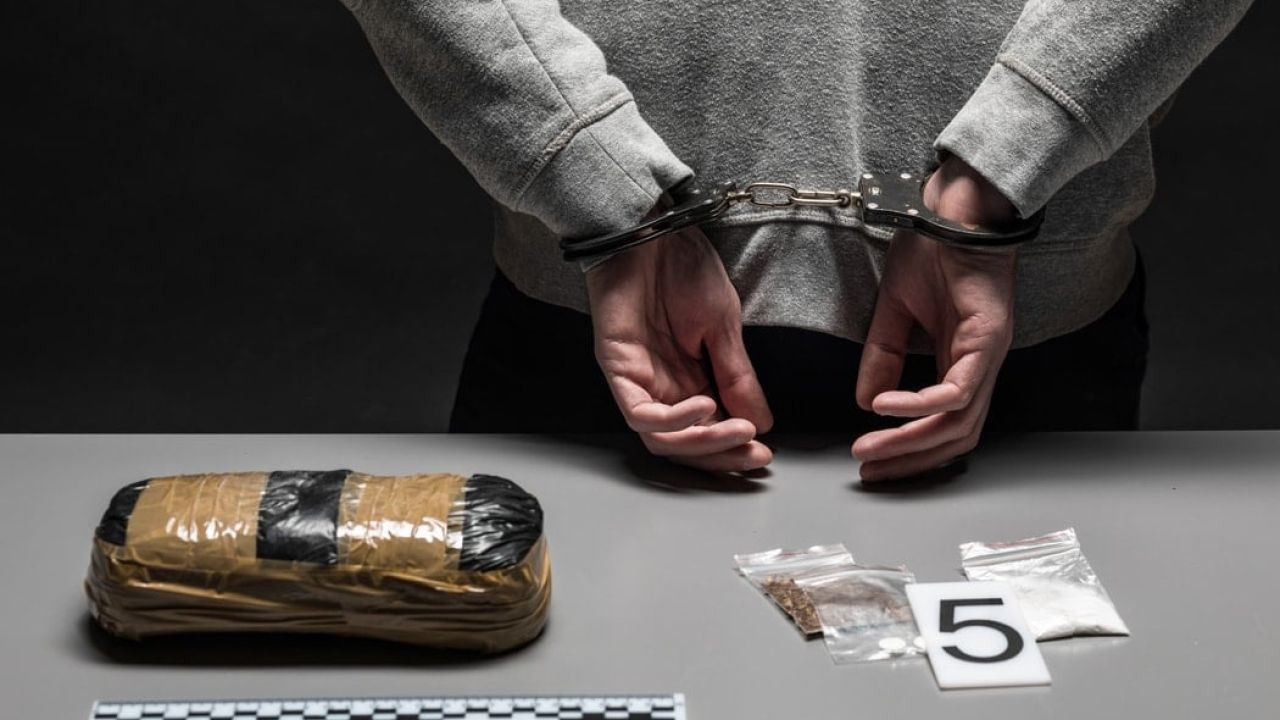
Drug possession in New Zealand is often misunderstood. Many Kiwis assume small amounts “don’t really matter,” that first offences are ignored, or that the law has softened entirely since cannabis reform debates. The reality is more complex — and in some cases, far more serious — than public perception suggests.
Understanding how drug possession is treated under New Zealand law is essential, because the consequences can extend well beyond fines or court appearances, affecting travel, employment, education, and long-term opportunities.
This guide breaks down the real legal risks, the hidden consequences, and what every New Zealander should know.
The legal framework: what law actually applies?
Drug possession in New Zealand is primarily governed by the Misuse of Drugs Act 1975, supported by later amendments and operational guidance given to Police.
Drugs are classified into three categories based on perceived harm:
Class A – highest risk (e.g. heroin, methamphetamine, LSD)
Class B – moderate risk (e.g. MDMA, cocaine, some prescription drugs)
Class C – lower risk (e.g. cannabis, some sedatives)
The class of the drug plays a major role in determining potential penalties, but possession of any illegal drug remains a criminal offence.
The myth of “small amounts don’t count”
One of the biggest misconceptions is that possessing a small quantity means no legal trouble. While Police now have greater discretion, possession is still illegal, regardless of amount.
Police may choose a health-focused or warning-based response, but this is not guaranteed. Factors influencing their decision include:
Type of drug
Quantity
Prior history
Location and circumstances
Behaviour at the time of the offence
If discretion is not applied, charges can still proceed — even for first-time offenders.
Cannabis: decriminalised in practice, not in law
Despite widespread public belief, cannabis is not legal in New Zealand.
While the 2020 referendum failed to legalise recreational cannabis, Police were given guidance to treat possession as a health issue where appropriate. This means:
You may receive a warning or referral instead of prosecution
You may still be charged if circumstances justify it
A criminal record remains possible
The “hidden truth” is that discretion is situational, not a right — and outcomes can vary significantly.
What penalties can you actually face?
Penalties depend on the drug class and circumstances:
Class C drugs (e.g. cannabis)
Up to 3 months imprisonment or
A fine up to $500
Class B drugs
Up to 3 months imprisonment and/or
A fine up to $500
Class A drugs
Up to 6 months imprisonment and/or
A fine up to $1,000
While maximum penalties are rarely applied for simple possession, convictions can still occur, especially for repeat offences.
The consequences most people don’t see coming
The biggest impact of a drug possession charge is often not the court penalty, but the long-term ripple effects.
Criminal record implications
Even minor convictions can:
Appear on background checks
Limit career options (especially in government, healthcare, education, and finance)
Affect professional registrations
Travel restrictions
Many countries, including Australia, the United States, and Canada, may deny visas or entry based on drug-related convictions.
Employment and education
Some employers and tertiary institutions require disclosure of criminal history, even for low-level offences.
Immigration and residency issues
For migrants and temporary visa holders, drug convictions can:
Jeopardise residency applications
Lead to visa cancellation or deportation proceedings
Possession vs supply: where people get caught out
Another hidden danger is the presumption of supply.
If Police believe the quantity, packaging, or context suggests intent to supply — even casually — the charge can escalate dramatically. Indicators may include:
Multiple baggies
Scales
Large amounts of cash
Text messages or digital evidence
Supply charges carry far harsher penalties, including multi-year prison sentences.
Police discretion: helpful, but inconsistent
New Zealand Police are encouraged to use discretion and diversion where possible, particularly for low-level possession. However:
Discretion is not uniform nationwide
It can vary between officers and regions
Past behaviour and cooperation matter
Relying on discretion is risky — especially for repeat offences.
Drug checking and harm reduction: what is legal
New Zealand has taken a progressive approach to harm reduction. Legal drug checking services (often at festivals) allow substances to be tested without risk of prosecution for possession during the check.
However, this protection is narrow and does not legalise possession outside those specific contexts.
What to do if you’re charged
If you or someone you know faces a possession charge:
Seek legal advice early
Do not assume it will “just go away”
Understand your rights during police interactions
Explore diversion or alternative resolutions
Early legal guidance can significantly affect outcomes.
The bigger picture: law vs public perception
New Zealand’s drug laws sit in an uncomfortable space between punishment and public health. While enforcement has softened in practice, the law itself remains largely unchanged.
This gap between perception and reality is where many Kiwis get caught out — believing reform has gone further than it actually has.
Final takeaway
The hidden truth is simple but critical:
Drug possession in New Zealand is still illegal, still chargeable, and still capable of producing long-term consequences.
While Police discretion and harm-reduction approaches have reduced some risks, they have not removed them. Understanding the law — not the myths — is the only way to make informed decisions and avoid outcomes that can follow you for years.
For New Zealanders, awareness is not about fear — it’s about clarity, responsibility, and knowing where the real legal lines still exist.
For the full context and strategies on Understanding the Legal Consequences of Drug Possession in NZ – The Hidden Truth Every New Zealander Should Know, see our main guide: Future Education Support Videos Nz.