






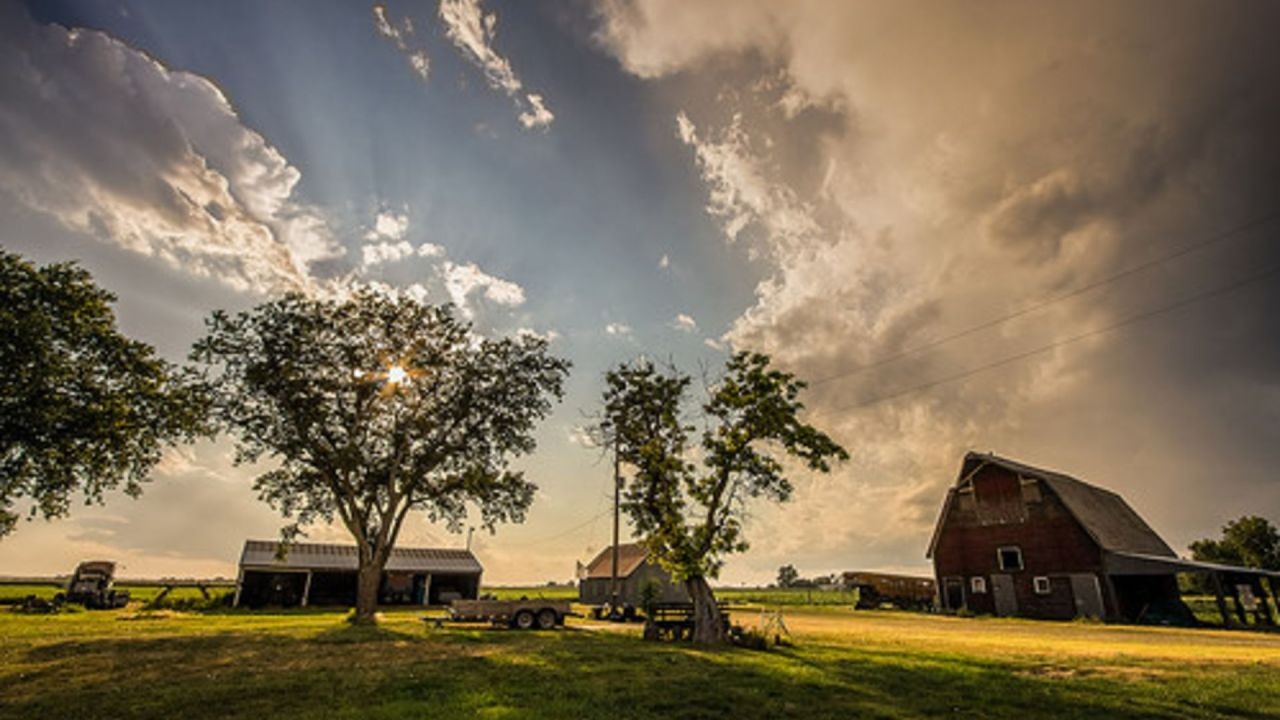
Rural living in New Zealand and Europe presents unique opportunities and challenges for environmental sustainability enthusiasts and researchers. While both regions boast picturesque landscapes and a slower pace of life, they differ significantly in terms of policies, economic activities, and environmental considerations. In this article, we will delve into how rural living in New Zealand stacks up against rural life in Europe, backed by data, expert insights, and real-world examples.
Rural living in New Zealand has a unique appeal, offering space, natural beauty, and a slower pace of life that many Kiwis cherish. Compared to rural Europe, New Zealand’s countryside presents distinct advantages and challenges, from wide-open landscapes and low population density to infrastructure and access to services. Understanding these contrasts can help New Zealanders make informed decisions about relocating, investing, or simply enjoying life outside the city.
One of the most noticeable differences is the scale and accessibility of land. In New Zealand, rural properties often come with larger plots, whether for lifestyle blocks, farms, or hobby farms. In contrast, European rural areas, particularly in countries like the UK, Germany, or France, often feature smaller land parcels and denser village settings. This means Kiwis have more space to build, garden, or farm, but it also requires careful planning for maintenance and accessibility, especially in more remote regions like Northland, Otago, or South Canterbury.
Community and social life also differ between New Zealand and Europe. Rural European towns often have centuries-old communities with well-established social networks, local clubs, and traditions. In New Zealand, rural communities can be newer and more dispersed, which can create both opportunities and challenges for newcomers. Building connections may require more effort, but Kiwis benefit from welcoming locals and strong community support in farming and lifestyle areas.
Infrastructure and access to services are another key contrast. Many European rural areas boast efficient public transport, local shops, and healthcare facilities within walking distance. In New Zealand, rural regions can be more isolated, with longer travel times to hospitals, supermarkets, and schools. While this can be a drawback, it also encourages self-sufficiency and fosters closer relationships with neighbours, as communities often rely on mutual support and resource sharing.
Employment and economic opportunities also vary. Rural Europe often provides access to agricultural work, tourism, and small local industries. In New Zealand, rural economies tend to revolve around agriculture, viticulture, eco-tourism, and increasingly remote or digital work. For Kiwis considering rural relocation, understanding the local job market and potential for sustainable income is essential, especially when balancing lifestyle aspirations with financial stability.
Climate and environment play a major role in the rural experience. New Zealand’s diverse landscapes—from subtropical Northland to alpine Canterbury—offer a wide range of outdoor recreational opportunities and natural beauty. European rural areas also provide scenic landscapes but can be more constrained by seasonal weather and land use. Kiwis benefit from the ability to integrate lifestyle and recreation seamlessly, whether hiking, fishing, or engaging in horticulture.
Practical tips for New Zealanders considering rural life include careful research into property accessibility, water supply, and connectivity. Reliable internet and mobile coverage are crucial, particularly for those working remotely. Learning local customs and joining community initiatives helps integrate newcomers quickly, fostering a sense of belonging similar to the tight-knit villages of Europe. Planning ahead for logistics such as schooling, transport, and healthcare ensures a smoother transition to rural life.
Ultimately, rural living in New Zealand offers a combination of space, natural beauty, and lifestyle flexibility that is difficult to match in Europe. While European rural life benefits from historical infrastructure and denser communities, New Zealand provides unmatched opportunities for independence, outdoor engagement, and lifestyle design. For Kiwis, understanding these differences and planning strategically allows them to maximise the advantages of rural life while mitigating challenges, creating a fulfilling and sustainable lifestyle outside the urban environment.
By balancing practical considerations with lifestyle aspirations, New Zealanders can enjoy the best of rural living: freedom, connection with nature, and a supportive community. Whether moving permanently, investing in a lifestyle block, or spending weekends exploring the countryside, the Kiwi approach to rural life combines innovation, resilience, and an appreciation for the country’s unique landscapes, setting it apart from rural Europe in ways that every New Zealander can embrace.
The Allure of Rural Living: A Comparative Analysis
New Zealand's rural lifestyle is characterized by its stunning landscapes and a strong connection to nature, which is mirrored in many parts of rural Europe. However, the economic and environmental dynamics diverge significantly. In New Zealand, agriculture remains a cornerstone, contributing approximately 5% of GDP and employing 6% of the workforce (Stats NZ, 2022). In contrast, Europe's rural areas are increasingly diversifying away from traditional agriculture, embracing technological innovations and eco-friendly practices.
Rural New Zealand is also shaped by policies aimed at sustainability, such as the Zero Carbon Act, which targets net-zero emissions by 2050. Europe's rural regions, particularly in Scandinavia and the Netherlands, have long been pioneers in renewable energy and sustainable farming, setting benchmarks for eco-friendly rural living.
Case Study: New Zealand’s Dairy Industry vs. France's Agroecology Movement
Problem: New Zealand's dairy industry is a significant economic driver but also a major contributor to greenhouse gas emissions. The sector accounts for nearly half of the country's emissions (MBIE, 2023). Action: To address this, New Zealand has implemented strict regulations on nitrogen fertilizer use and is investing in methane-reducing technologies. Result: By 2025, these initiatives aim to reduce dairy sector emissions by 20%. Takeaway: In contrast, France's agroecology movement emphasizes biodiversity and crop rotation, reducing chemical reliance and enhancing soil health. New Zealand can learn from France's integrated approach to sustainable agriculture.
How It Works: Deep Dive into Rural Policies and Practices
Both New Zealand and Europe emphasize the environmental sustainability of rural areas, but their approaches differ. New Zealand's government has been proactive in establishing policies like the Emissions Trading Scheme, which incentivizes carbon reduction through market mechanisms. Europe, however, has a broader approach, with the European Green Deal aiming for a 55% reduction in emissions by 2030.
- New Zealand: Focuses on carbon offsetting and sustainable farming practices.
- Europe: Emphasizes renewable energy, eco-tourism, and a circular economy.
For New Zealand, the challenge lies in balancing economic growth with environmental stewardship. The nation's reliance on agriculture makes this balancing act complex but not insurmountable. Technological innovations and community-led initiatives are key to achieving this balance.
Step-by-Step Guide: Implementing Sustainable Practices in Rural New Zealand
- Adopt Renewable Energy: Encourage the use of solar and wind energy in rural communities, reducing reliance on fossil fuels.
- Sustainable Farming Techniques: Implement crop rotation and organic farming practices to enhance soil health.
- Community Engagement: Foster community-led sustainability initiatives, such as tree planting and conservation projects.
- Leverage Technology: Utilize precision agriculture tools to optimize resource use and minimize waste.
- Policy Advocacy: Engage with policymakers to support rural sustainability efforts through legislation and funding.
Common Myths & Mistakes in Rural Sustainability
Myth 1: "Rural areas can't adopt renewable energy efficiently." Reality: Many rural regions have successfully implemented solar and wind energy projects, reducing emissions and lowering energy costs (Source: Energy Efficiency and Conservation Authority, NZ). Myth 2: "Sustainable farming is not economically viable." Reality: Sustainable practices often result in long-term cost savings and increased productivity, as demonstrated by numerous European farms (Source: European Commission Agroecology Report, 2023). Myth 3: "Rural living is isolated from global trends." Reality: Rural communities are increasingly connected through technology, allowing them to participate in global sustainability movements (Source: Rural Connectivity Survey, 2024).
Future Trends & Predictions for Rural Living
Looking ahead, both New Zealand and Europe are poised for significant transformations in their rural landscapes. By 2030, it's anticipated that:
- New Zealand's rural areas will see a 30% increase in renewable energy usage, driven by government incentives and technological advancements (Source: MBIE, 2024).
- Europe will continue to lead in agroecology, with 50% of its rural areas adopting these practices fully (Source: European Green Deal Projections, 2025).
- The integration of digital technologies in agriculture will boost productivity and sustainability, with New Zealand investing heavily in agri-tech innovations.
Conclusion: Embracing a Sustainable Rural Future
Rural living in New Zealand and Europe presents both challenges and opportunities for those passionate about environmental sustainability. By learning from each other and embracing innovation, these regions can lead the way in sustainable rural development. As we move forward, it's crucial for policymakers, researchers, and communities to collaborate in creating a resilient and eco-friendly rural future.
What steps will you take to promote sustainability in your rural community? Share your thoughts and experiences below!
People Also Ask (FAQ)
How does rural living in New Zealand impact environmental sustainability?
Rural living in New Zealand significantly impacts environmental sustainability through its agriculture sector, which is integrating sustainable practices and technologies to reduce emissions and enhance biodiversity.
What are the biggest misconceptions about rural living?
One common myth is that rural areas can't adopt renewable energy. However, many rural regions are successfully implementing solar and wind energy projects, reducing emissions and lowering energy costs.
Who benefits the most from sustainable rural living?
Sustainable rural living benefits farmers, local communities, and the environment, fostering economic resilience, biodiversity, and reduced carbon footprints.
Related Search Queries
- Sustainable farming practices in New Zealand
- Renewable energy in rural areas
- Agroecology movement in Europe
- New Zealand's Emissions Trading Scheme
- Impact of technology on rural living
- Community-led sustainability initiatives
- Rural connectivity and global trends
- Zero Carbon Act New Zealand
- European Green Deal objectives
- Agri-tech innovations in New Zealand
For the full context and strategies on How Rural Living in New Zealand Stacks Up to Rural Life in Europe – Tips, Tactics & Truths for New Zealanders, see our main guide: Nz Farm To Table Agri Food Videos.