




Backpacking and luxury travel in Australia represent two distinctly different ways to explore the rich tapestry of landscapes and cultures this vast country has to offer. While backpacking appeals to the adventurous spirit, often on a budget, luxury travel promises a more comfortable, curated experience. However, the question remains: which type of travel is truly worth it in the Australian context?
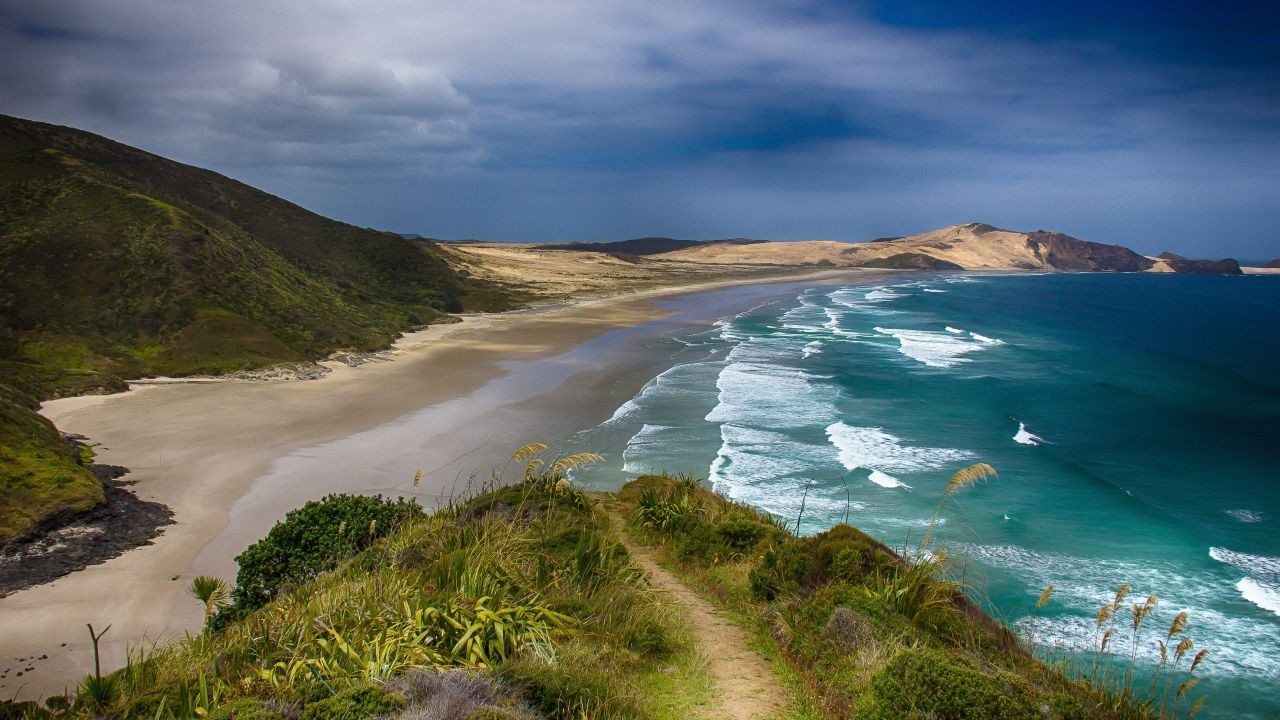
Australia’s diverse landscapes, from the Great Barrier Reef and the Gold Coast to the Outback and Tasmania’s wilderness, make it a prime destination for both backpackers and luxury travelers. Understanding the differences between these travel styles is essential for tourists, travel planners, and industry stakeholders, as each approach has unique benefits, challenges, and economic impacts on the Australian tourism market.
Backpacking in Australia is often associated with adventure, affordability, and flexibility. Budget-conscious travelers typically rely on hostels, public transport, and shared experiences to explore cities like Sydney, Melbourne, and Brisbane, as well as regional attractions. Backpackers are drawn to immersive experiences, such as volunteering, surfing camps, or hiking remote trails. This travel style fosters cultural exchange, encourages off-the-beaten-path exploration, and supports local economies in smaller towns and rural regions that may not see large tourist inflows.
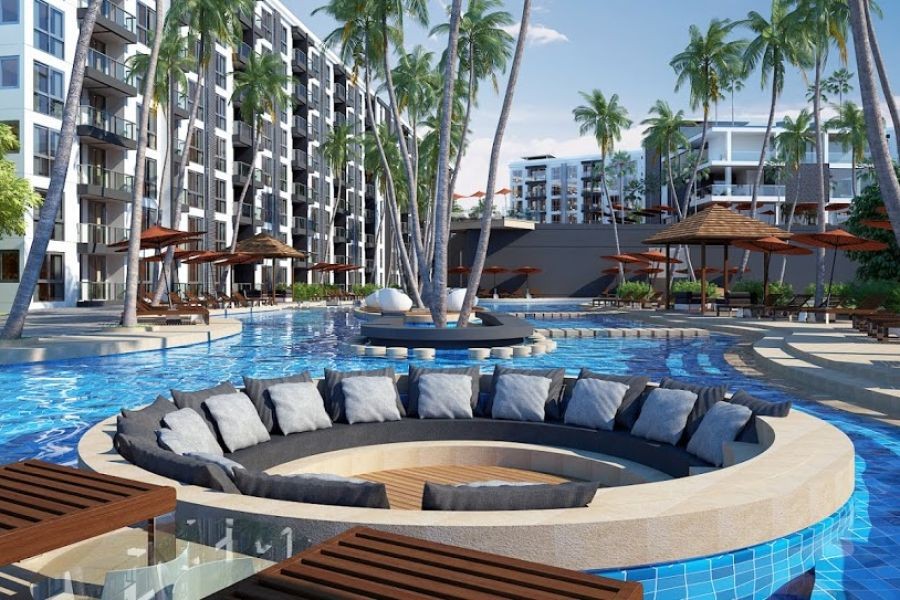
Luxury travel, in contrast, prioritises comfort, convenience, and exclusive experiences. High-end accommodations, private tours, fine dining, and premium transport allow travelers to explore Australia with minimal stress while enjoying curated experiences. From private tours of wine regions in the Barossa Valley to luxury lodges in Kakadu National Park, this segment appeals to affluent domestic and international travelers. Luxury tourism contributes significantly to Australia’s economy, generating higher per-visitor spending, supporting high-end hospitality jobs, and promoting premium Australian brands on a global stage.
Accessibility and logistics differ sharply between backpacking and luxury travel. Backpackers often navigate long distances on budget airlines, trains, or road trips in campervans, which requires planning and adaptability. Luxury travelers benefit from organised itineraries, guided tours, and private transport, offering stress-free exploration but at a premium. For many Australians and international visitors, choosing between these styles involves balancing cost, convenience, and desired experiences.
Cultural engagement is another key distinction. Backpacking encourages interaction with fellow travelers, locals, and community-based tourism initiatives, fostering meaningful connections. Luxury travel often focuses on curated experiences with limited exposure to local communities, prioritising comfort and exclusivity. Both styles have their place in Australia’s tourism ecosystem, catering to different traveler motivations and expectations.
Economic impact is a critical consideration. Backpackers contribute to regional tourism, independent hostels, and local service providers, ensuring small towns and remote destinations benefit from visitor spending. Luxury tourism drives high-value revenue streams in premium accommodation, fine dining, and specialised tours. For Australia’s tourism industry, balancing these segments ensures diverse market appeal, sustainable growth, and broad economic benefits across urban and rural regions.
Ultimately, the decision between backpacking and luxury travel in Australia depends on individual priorities. Backpacking offers adventure, cost efficiency, and authentic experiences, appealing to young travelers, students, and budget-conscious adventurers. Luxury travel provides comfort, convenience, and exclusive experiences, attracting high-income domestic and international visitors. Both approaches have transformed the Australian tourism landscape, influencing infrastructure development, hospitality standards, and destination marketing strategies.
1. Cost Considerations: Backpacking vs. Luxury Travel
The financial implications of backpacking versus luxury travel are fundamentally different. A backpacking trip across Australia typically costs between AUD 50 to AUD 100 per day, covering hostels, meals, and local transportation. Conversely, luxury travel can range from AUD 300 to AUD 1,000 per day, depending on the level of opulence desired. The Australian Bureau of Statistics (ABS) reports that tourism contributed AUD 60.8 billion to the economy in 2019, with a significant portion from high-spending luxury travelers.
2. Accommodation Options
- Backpacking: Hostels, budget motels, and campsites are the norm. While basic, these accommodations offer valuable opportunities to meet fellow travelers.
- Luxury Travel: From opulent hotels in Sydney to eco-lodges in the Outback, luxury travelers enjoy a wide range of high-end accommodations. According to Tourism Australia, the demand for luxury lodging has seen a 20% increase over the past decade.
3. Culinary Experiences
Australia's food scene is a melting pot of international influences:
- Backpacking: Street food, local markets, and budget eateries provide authentic tastes without breaking the bank.
- Luxury Travel: Gourmet dining, private chef experiences, and vineyard tours in regions like Yarra Valley are highlights. The Australian wine industry, valued at AUD 45 billion, is a significant draw for luxury tourists.
4. Environmental Impact
In the era of climate change, the environmental footprint of travel is under scrutiny:
- Backpacking: Generally has a lower carbon footprint, as it often involves public transportation and minimalistic living.
- Luxury Travel: While it tends to have a higher environmental impact, many luxury operators in Australia are adopting sustainable practices. For instance, eco-certified resorts use solar power and support local conservation efforts.
5. Cultural Immersion
The level of cultural engagement differs significantly between the two travel styles:
- Backpacking: Offers a more immersive experience, often bringing travelers closer to local communities and indigenous cultures.
- Luxury Travel: While offering curated experiences, it can sometimes insulate travelers from the authentic Australian lifestyle. However, luxury tours often include guided cultural experiences with experts.
6. Flexibility and Spontaneity
Backpackers often enjoy greater flexibility, as their travel plans can change on a whim. This spontaneity can lead to unexpected adventures and discoveries. In contrast, luxury travel itineraries are usually pre-planned and structured, offering less room for impromptu exploration.
7. Safety and Security
Safety is a priority for all travelers, but the approach differs:
- Backpacking: While generally safe, backpackers need to be more vigilant about personal belongings and travel scams.
- Luxury Travel: Offers a higher level of security, with concierge services and secure transport options.
8. Economic Impact and Policy Insights
Australia's economy benefits differently from each type of travel. Luxury tourism contributes significantly to tax revenues and employment in high-end service sectors. The Australian Competition & Consumer Commission (ACCC) ensures fair trading practices in the tourism industry, benefiting both travelers and the economy.
9. Real-World Case Study: The Great Barrier Reef Tourism
Problem: The Great Barrier Reef, a UNESCO World Heritage site, faces environmental threats from mass tourism.
Action: Several luxury operators have adopted sustainable practices, such as offering eco-friendly tours and supporting coral restoration projects.
Result: These initiatives have led to a 30% increase in eco-tourism, attracting travelers willing to pay a premium for sustainability.
Takeaway: Sustainable luxury travel is not only feasible but also profitable, aligning with global trends towards responsible tourism.
10. Future Trends and Predictions
By 2030, it's predicted that 50% of Australia's tourism will be centered around sustainable luxury, driven by consumer demand for environmentally responsible travel options. This shift is supported by a report from Deloitte, which highlights the growing importance of eco-conscious travel decisions among high-net-worth individuals.
Common Myths & Mistakes
Myth: "Backpacking is unsafe."
Reality: Backpacking in Australia is generally safe, with low crime rates in popular tourist areas.
Myth: "Luxury travel is always eco-friendly."
Reality: Not all luxury travel options prioritize sustainability; travelers must research eco-certified options.
Final Takeaways
- Backpacking offers flexibility and cultural immersion at a lower cost, ideal for budget-conscious travelers.
- Luxury travel provides comfort and curated experiences, appealing to those seeking exclusivity and convenience.
- Sustainability is becoming a key factor in travel decisions, with eco-friendly options gaining popularity.
In conclusion, backpacking and luxury travel each offer unique advantages and challenges in Australia, shaping the way locals and visitors experience the country. By understanding these differences, travelers can make informed choices that align with their budgets, interests, and desired level of comfort. For the tourism industry, recognising the complementary nature of these travel styles ensures sustainable growth, enhanced visitor satisfaction, and a stronger global reputation for Australia as a world-class travel destination.
Ultimately, the choice between backpacking and luxury travel depends on personal preferences, budget, and the type of experiences one seeks. What’s your preference? Share your travel experiences and insights below!
People Also Ask (FAQ)
How does backpacking impact Australia's economy? Backpacking significantly contributes to local economies, particularly in rural areas, through spending on accommodation, food, and activities.
What are the best strategies for sustainable luxury travel? Experts recommend choosing eco-certified accommodations, participating in conservation-focused tours, and supporting local businesses.
Related Search Queries
- Best backpacking routes in Australia
- Luxury travel experiences in Australia
- Sustainable tourism in Australia
- Backpacking safety tips in Australia
- Eco-friendly luxury resorts in Australia
For the full context and strategies on Backpacking vs. Luxury Travel in Australia – Which Is Worth It? – Why It’s a Game-Changer for Australia, see our main guide: Logistics Supply Chain Videos Australia.