




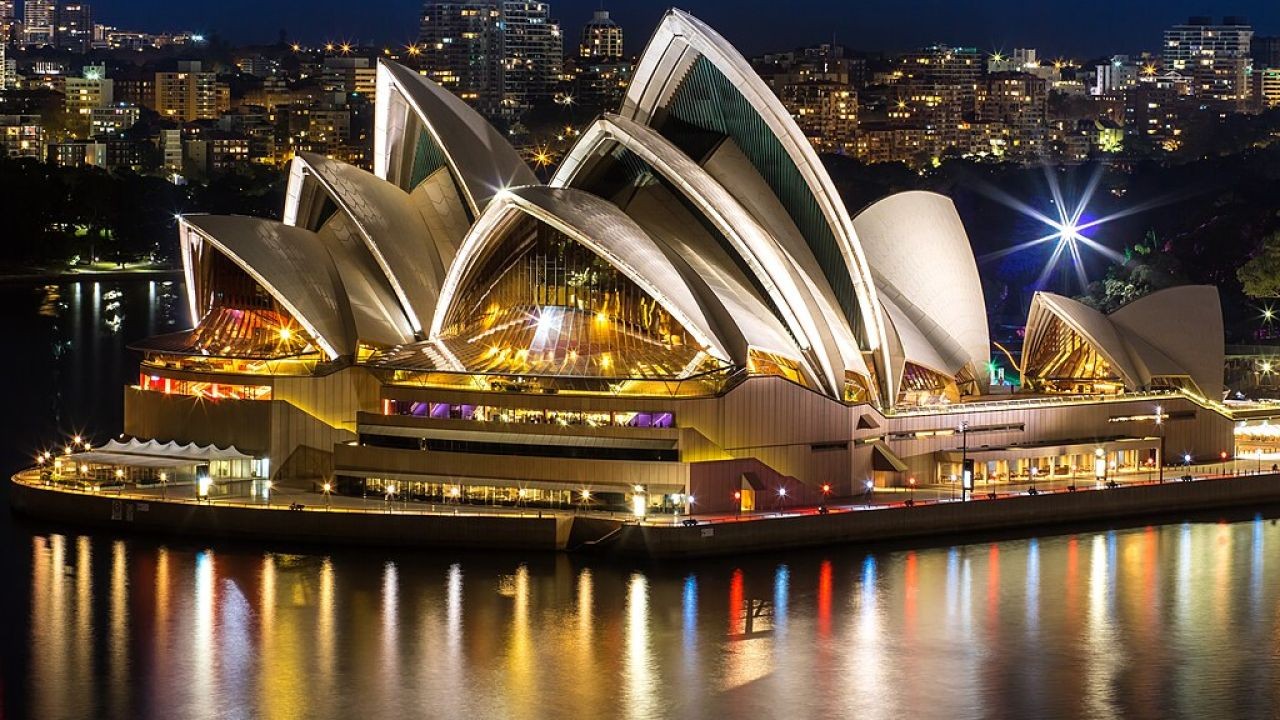
The story of the Sydney Opera House is not only a tale of architectural triumph but also a compelling financial narrative that offers lessons for financial advisors today. This iconic structure, with its soaring sails and stunning harbor backdrop, was almost never built due to a series of financial and political challenges. As we delve into this true story, we uncover insights that remain relevant for today's economic landscape, especially for financial advisors navigating the complexities of large-scale projects.
The Financial and Political Challenges
When the idea of the Sydney Opera House was first conceived in the 1950s, it was a visionary project intended to place Australia on the global cultural map. However, the path from concept to completion was fraught with financial hurdles. Initially estimated to cost £7 million, the final expenditure ballooned to £102 million, a staggering overrun that sent shockwaves through the political and public spheres.
Several factors contributed to this financial conundrum. The initial budget was grossly underestimated, and the scope of the project expanded dramatically post-design, requiring innovative engineering solutions that were costly and time-consuming. Moreover, the lack of a detailed financial plan from the outset led to significant funding gaps, necessitating government intervention and public fundraising efforts.
1. The Importance of Accurate Financial Projections
One of the critical lessons from the Sydney Opera House saga is the importance of precise financial forecasting. For financial advisors, this underscores the necessity of comprehensive economic analysis and risk assessment before embarking on large-scale projects. The Australian Bureau of Statistics (ABS) reports that poor financial planning is a leading cause of project failures in Australia, affecting 30% of large-scale ventures.
- Example: A recent infrastructure project in Brisbane faced a similar fate. Originally budgeted at $1 billion, the final cost exceeded $1.5 billion due to inadequate initial financial planning.
2. Managing Stakeholder Expectations
The Sydney Opera House project also highlights the need for transparent communication with stakeholders. The lack of clear updates on the financial status and progress led to public disillusionment and political backlash. Financial advisors can mitigate such risks by maintaining open channels of communication and providing regular updates to stakeholders.
- Case Study: A Melbourne-based construction firm successfully managed a high-profile project by implementing a stakeholder engagement strategy, which included monthly financial updates and community consultations, resulting in increased public support and timely project completion.
Regulatory Insights and Economic Implications
Understanding the regulatory environment is crucial for financial advisors involved in large-scale projects. During the construction of the Sydney Opera House, regulatory challenges were a significant hurdle. The Australian Prudential Regulation Authority (APRA) today emphasizes the importance of compliance with financial prudential standards to avoid project delays and financial penalties.
Furthermore, the economic impact of the Opera House on Australia's economy has been profound. According to the Reserve Bank of Australia (RBA), the cultural and economic contributions of the Sydney Opera House generate approximately $775 million annually, highlighting the long-term benefits of successful project execution.
3. Leveraging Government Support
Initial funding for the Opera House was largely dependent on state lotteries, a strategy that could be likened to modern government grants and subsidies. Financial advisors should explore government support avenues, such as infrastructure grants or tax incentives, to secure additional funding for large-scale projects.
- Example: The Australian government's recent investment in renewable energy projects offers a blueprint for securing financial backing through strategic alignment with national priorities.
Future Trends and Investment Opportunities
For financial advisors, understanding future trends is crucial for advising clients on potential investment opportunities. The legacy of the Sydney Opera House illustrates the enduring value of strategic investment in culture and infrastructure. Looking ahead, Australia's push towards sustainable and smart city projects presents new investment opportunities.
According to the Australian Treasury, the focus on green infrastructure and smart city initiatives is expected to drive economic growth and innovation, creating lucrative opportunities for investors. Financial advisors should stay informed about these developments to guide their clients effectively.
4. Incorporating Technological Innovations
The construction of the Sydney Opera House was a testament to architectural innovation. Today, technological advancements in construction and project management offer financial advisors new tools to enhance project efficiency and reduce costs. The integration of AI and digital twins in project planning and execution can significantly improve accuracy in financial forecasting and resource management.
- Example: A Sydney-based real estate firm recently leveraged AI-driven project management software to reduce project costs by 15%, demonstrating the potential of technology in optimizing financial outcomes.
Conclusion
The story of the Sydney Opera House serves as a powerful reminder of the importance of strategic financial planning, stakeholder management, and regulatory compliance in large-scale projects. Financial advisors can draw valuable lessons from this iconic project to navigate the complexities of modern investment landscapes. As Australia continues to evolve with new economic opportunities, particularly in sustainable infrastructure, advisors must remain vigilant and proactive in identifying and leveraging these trends for their clients.
What strategies have you found effective in managing large-scale projects in Australia? Share your insights and join the discussion!
People Also Ask
- Why was the Sydney Opera House almost never built? Financial overruns and political challenges nearly halted the project, which was initially estimated at £7 million but ballooned to £102 million.
- What are the economic impacts of the Sydney Opera House? The Sydney Opera House contributes approximately $775 million annually to Australia's economy, highlighting the long-term benefits of successful cultural investments.
Related Search Queries
- Sydney Opera House construction challenges
- Financial planning for large projects
- Government support for infrastructure in Australia
- Impact of cultural investments on the economy
- Technological innovations in construction