





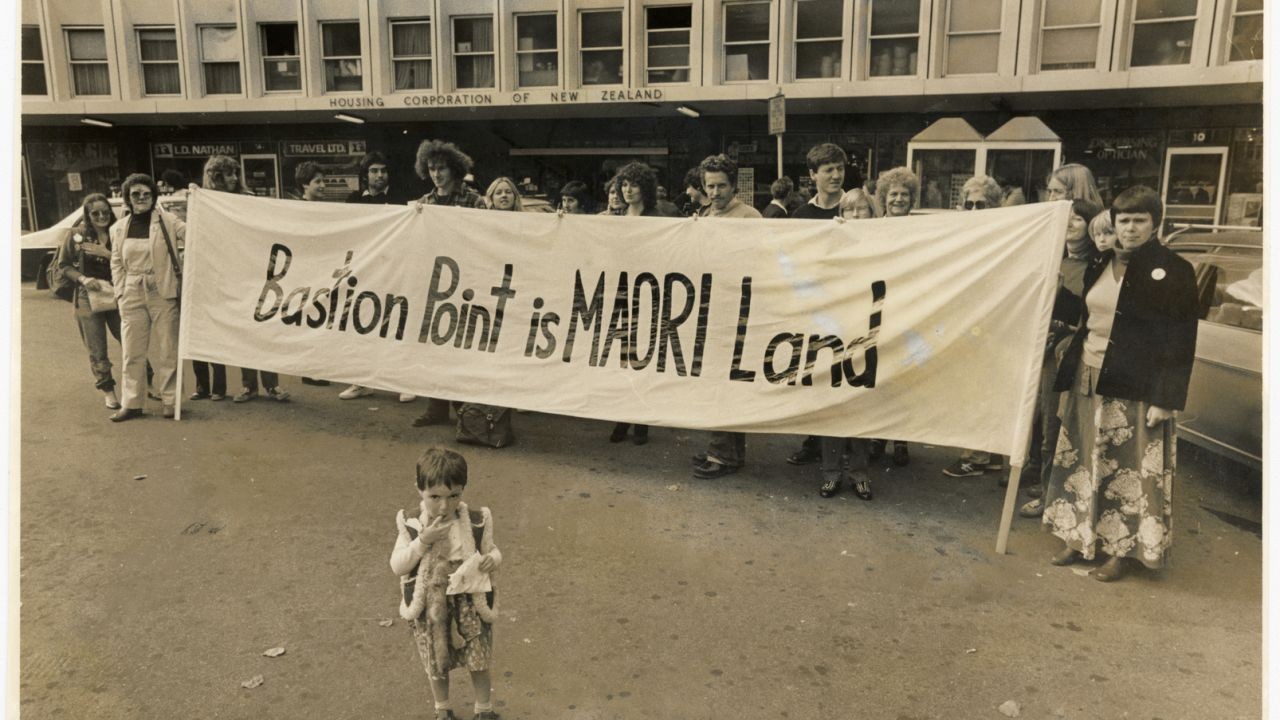
For the corporate lawyer operating in New Zealand, the landscape of property, resource management, and commercial development is inextricably linked to a complex and often misunderstood legal and cultural framework: that of Māori land rights. This is not a peripheral social issue confined to historical discourse; it is a core, dynamic, and commercially significant area of law that directly influences transactions, project viability, and corporate strategy. To navigate this terrain effectively—whether in due diligence for a major acquisition, securing consent for infrastructure, or structuring a joint venture—requires moving beyond simplistic narratives. It demands a clear-eyed understanding of the legal history, the current statutory regime, and the profound commercial implications that stem from the unique status of whenua Māori. The failure to properly engage with this framework is not merely a reputational risk; it is a material legal and financial risk that can derail multimillion-dollar projects.
The Foundational Dispossession: From Te Tiriti to the Native Land Court
The starting point for any legal analysis is the 1840 signing of Te Tiriti o Waitangi / The Treaty of Waitangi. Article Two of the Māori text guaranteed to rangatira (chiefs) "te tino rangatiratanga o o ratou wenua o ratou kainga me o ratou taonga katoa" – the unqualified exercise of their chieftainship over their lands, villages, and all their treasures. The English version, however, provided for "exclusive and undisturbed possession" of lands, estates, forests, fisheries, and other properties, with the Crown granted a pre-emptive right of purchase. This translational divergence created the foundational legal ambiguity that would be exploited for decades.
The subsequent establishment of the Native Land Court in 1865 (later the Māori Land Court) was the primary legal mechanism for alienation. Its purpose, as stated by politicians of the day, was to break down communal tribal ownership and convert it into individual, transferable title—to "destroy the communism of Māori land holding," thereby freeing it for settlement. The Court's processes were often bewildering, conducted in English, and imposed significant costs on Māori owners, frequently forcing sales to cover debts. Between 1865 and 1900, this system facilitated the transfer of approximately 95% of the South Island and over 50% of the North Island from Māori to the Crown and private settlers. From a corporate law perspective, this period represents the creation of the title system upon which much of New Zealand's modern economy was built, yet it was a system imposed upon and extracted from the indigenous legal and property framework.
Key Actions for Legal Practitioners Today
In practice, with NZ-based teams I’ve advised, this history is not academic. It directly informs due diligence. When acting for a client purchasing large-scale rural land, a title search revealing a memorial noting the land was originally sourced via a Crown Grant may trigger deeper inquiry. Was the original acquisition by the Crown consistent with the principles of the Treaty? This question became a tangible risk in the 2021 Bain v The Minister for Land Information case, where the Court of Appeal clarified that the Overseas Investment Office, when considering "whether the investment will likely benefit New Zealand," must actively consider the principles of the Treaty of Waitangi. A failure to do so can be grounds for judicial review. This elevates historical context into a present-day regulatory consideration.
The Modern Statutory Framework: Te Ture Whenua Māori Act 1993
The pivotal legislative shift came with the enactment of Te Ture Whenua Māori Act 1993 (Māori Land Act). This Act marked a profound philosophical change from its predecessors. Its twin paramount objectives, as stated in Section 2, are:
- To retain Māori land in the hands of its owners; and
- To promote the use, development, and control of Māori land by its owners.
The Act creates a categorisation of land (Māori freehold land, General land owned by Māori, etc.), each with distinct alienation constraints. Most critically, the sale of Māori freehold land is heavily restricted. Section 147 requires a resolution by a 75% majority of ownership interests in a meeting called for the purpose, followed by confirmation from the Māori Land Court. The Court's role is not a rubber stamp; it must be satisfied the sale is "consistent with the principles of the Act," primarily retention and utilisation for the benefit of the owners. This creates a fundamentally different transaction dynamic compared to General land.
Comparative Analysis: Māori Land vs. General Land Transactions
For the corporate lawyer, structuring an acquisition or lease involving Māori land requires a distinct playbook. A standard unconditional agreement for sale and purchase is often the starting point for General land, but it is the end of a long process for Māori land. The vendor's ability to satisfy the conditions precedent (75% resolution, Court confirmation) is uncertain and can take many months. From consulting with local businesses in New Zealand, I have seen transactions fail at the confirmation stage because the Court was not persuaded the sale represented the best use of the land for the collective owner group. The commercial risk is shifted: the purchaser may incur significant due diligence and design costs on a conditional basis, with no guarantee of completion.
The data underscores the scale of this asset class. According to Te Puni Kōkiri (Ministry of Māori Development), as of 2023, Māori freehold land constitutes approximately 1.47 million hectares, or around 5.5% of New Zealand's total land area. However, this figure belies its strategic importance. Much of this land is located in coastal, forestry, and geothermal-rich regions, making it critical for sectors like aquaculture, renewable energy, and tourism. A 2022 report from the Reserve Bank of New Zealand noted the growing economic significance of Māori assets, estimated to be worth over $70 billion, with a significant portion tied to land and natural resources. This is not a niche sector; it is a major and growing component of the national economy.
The Commercial Imperative: Beyond Compliance to Strategic Partnership
The most forward-thinking legal advice moves clients from a mindset of mere compliance with the Māori Land Act to one of strategic partnership. The restrictive alienation provisions are not a barrier to be circumvented but a signal of a different set of priorities: long-term stewardship, intergenerational benefit, and collective wellbeing. Successful commercial engagements with Māori landowning entities—whether iwi, hapū, or ahu whenua trusts—recognise this.
Leasing, rather than purchasing, is often the primary mechanism. Long-term ground leases (often 50+ years) provide the security for a corporate entity to invest in significant infrastructure (e.g., a dairy processing plant, a tourism facility) while enabling the land to remain in Māori ownership. The structuring of these leases is complex, requiring careful attention to rent review mechanisms, cultural covenants (e.g., protection of wāhi tapu, access for mahinga kai), and dispute resolution processes that may involve kaumātua or marae-based mediation alongside formal arbitration.
Case Study: Tauhara North No.2 Trust & Contact Energy
Problem: The Tauhara North No.2 Trust (TN2) owns significant land in the Taupō region atop a high-temperature geothermal reservoir. For decades, geothermal developers sought to utilise the resource, but previous engagement models often failed to align with the long-term, intergenerational aspirations of the Māori landowners. TN2 sought not just a royalty stream, but meaningful partnership, control, and sustainable development that would benefit the region and its people.
Action: Following a robust tender process, TN2 selected Contact Energy as its partner for the Tauhara Stage Two geothermal power project. The deal was not a simple land lease. It involved a comprehensive partnership agreement where TN2 took a direct equity stake in the project company. Furthermore, the agreements embedded extensive cultural and environmental protections, employment and training commitments for local Māori, and a governance structure that gave TN2 a direct voice in project oversight.
Result: The $578 million project, commissioned in 2023, is now one of New Zealand's largest geothermal power stations. The structure provides TN2 with:
- A stable, long-term land lease revenue.
- Direct equity returns from the project's profits.
- Significant social and economic outcomes for its beneficiaries through targeted programmes.
For Contact, it secured access to a critical resource with a stable, aligned partner, mitigating the social license and consenting risks that have plagued other resource projects.
Takeaway: This case study highlights that the most successful models are innovative joint ventures or equity partnerships that move beyond a landlord-tenant relationship. They align the economic interests of the corporate entity with the cultural, social, and intergenerational interests of the landowning group. For lawyers, this requires skills in structuring sophisticated joint ventures, shareholder agreements, and bespoke contractual covenants that reflect Te Ao Māori values.
Debunking Common Myths in Commercial Practice
Several persistent myths can lead to flawed legal advice and commercial strategy.
Myth 1: "Engaging with Māori land is too hard and slow; it's easier to just look for General land." Reality: While the process is different, it is not inherently prohibitive. The perceived "slowness" often stems from a corporate party's lack of understanding and failure to engage early and authentically. With proper advice and a relationship-based approach from the outset, timelines can be managed and the outcome can be a more stable, socially-licensed investment. As the TN2 case shows, the long-term payoff can be superior.
Myth 2: "The Māori Land Court's role is just a bureaucratic hurdle." Reality: The Court exercises a protective, quasi-fiduciary jurisdiction. Its judges assess whether a transaction truly benefits the collective owner group as a whole, including future generations. Proposing a transaction that maximises short-term cash for a few but disposes of the asset forever is likely to be rejected. The lawyer's role is to help clients design proposals that satisfy this broader test of benefit.
Myth 3: "Treaty settlements have 'fixed' historical grievances, so this is less relevant now." Reality: Treaty settlements, while crucial, are forward-looking. They often include redress in the form of commercial assets and cash, which post-settlement governance entities (PSGEs) are now deploying. Based on my work with NZ SMEs seeking capital, these PSGEs are increasingly active investors and joint venture partners in the economy. Understanding their strategic imperatives—which are often a blend of commercial return and cultural advancement—is essential for any lawyer advising on mergers, acquisitions, or capital raising.
Pros and Cons: Engaging with the Māori Land Framework
A balanced legal analysis requires weighing the strategic implications.
✅ Advantages:
- Enhanced Social License & Risk Mitigation: A genuine partnership with mana whenua provides a deep level of social acceptance, reducing the risk of protests, consenting delays, and reputational damage. This is invaluable for projects with high environmental or community impact.
- Access to Strategic Assets: Provides exclusive access to prime locations for renewable energy, aquaculture, tourism, and primary production that may not be available on the open market.
- Long-Term Stability: Partnerships built on mutual respect and aligned interests tend to be more durable and resilient through economic cycles than purely transactional relationships.
- Innovation & Unique Value Propositions: Collaborations can create unique branding and product offerings rooted in authentic Māori culture and storytelling, commanding premium value in markets like tourism and high-value food exports.
❌ Challenges & Risks:
- Process Complexity & Timelines: The requirement for owner meetings and Court confirmation introduces procedural steps and timelines not found in standard transactions, requiring careful project management and conditional structuring.
- Need for Deep Cultural Competency: Success requires advisors and clients to understand, or be willing to learn, core concepts like kaitiakitanga (guardianship), whakapapa, and collective decision-making. A transactional, purely Western corporate approach will likely fail.
- Negotiation with Diffuse Ownership Groups: Reaching consensus with a large group of owners, each with potentially differing views, requires skilled facilitation and patience. The lawyer often acts as an educator for their own client in this process.
- Potential for Higher Transaction Costs: The need for specialist legal advice, facilitation, and a longer engagement period can increase upfront costs, though these may be offset by long-term benefits.
The Future Landscape: Integration into Mainstream Business Law
The trajectory is clear: Māori land rights and economic participation will become further integrated into the core of New Zealand's commercial legal framework. We are already seeing this in several areas:
- Resource Management Reform: The proposed Natural and Built Environments Act places a stronger emphasis on Te Tiriti outcomes and the concept of Te Oranga o te Taiao (the health and well-being of the environment). This will make early and deep engagement with mana whenua a de facto requirement for obtaining major project consents.
- Finance and ESG: Global ESG (Environmental, Social, and Governance) investing criteria are increasingly aligning with Māori values of kaitiakitanga and intergenerational wellbeing. Māori land trusts and PSGEs are natural leaders in this space. Lawyers will be called upon to structure green bonds, sustainability-linked loans, and impact investments that meet both international ESG standards and Māori cultural metrics.
- Corporate Governance: We will see a continued rise in appointing Māori directors with both commercial and cultural expertise to corporate boards, not as tokenism, but as a strategic imperative to navigate this landscape. Legal advisors will need to ensure board processes and charters are equipped to incorporate this perspective effectively.
Drawing on my experience in the NZ market, the law firms and in-house teams that are investing now in building their cultural capability and specialist knowledge in this area will hold a significant competitive advantage in the coming decade.
Final Takeaway & Call to Action for the Legal Profession
For the corporate lawyer in New Zealand, proficiency in the history and current law of Māori land rights is no longer optional—it is a core commercial competency. This is not about political correctness; it is about pragmatic risk management and strategic opportunity identification. The history explains the unique legal status of the land; the Te Ture Whenua Māori Act defines the rules of engagement; and the market is increasingly rewarding those who can partner successfully within this framework.
Your next step is to conduct an audit of your own practice or your legal department's readiness. Do your standard due diligence checklists include specific prompts for identifying Māori land and understanding the implications? Do your firm's relationship partners have the connections and cultural fluency to facilitate early introductions? Are you familiar with the key Māori Land Court decisions on "benefit" and confirmation? Actionable Recommendation: Proactively upskill. Engage with the Māori Land Court registry, review recent decisions, and consider secondments or joint ventures with specialist law firms that operate in this space. For in-house counsel, mandate that any significant land-based transaction or resource project includes early-stage advice from a specialist in Te Ture Whenua Māori. The future of major business in New Zealand will be built on partnerships that honour the past while creating shared future value. Your role as a lawyer is to expertly bridge those worlds.
People Also Ask (PAA)
How does the Māori Land Act affect commercial property development in New Zealand? The Act severely restricts the sale of Māori freehold land, making long-term leasing the primary mechanism for development. This requires negotiating with collective owner groups and obtaining Māori Land Court confirmation, adding layers of complexity, time, and need for cultural alignment not present with General land titles.
What is the difference between Māori freehold land and General land owned by Māori? Māori freehold land has its title derived from the Māori Land Court and is subject to the alienation restrictions of the Te Ture Whenua Māori Act. General land owned by Māori is land held under ordinary title; it may be owned by Māori individuals or entities but is not subject to the Act's special restrictions on sale.
Can a foreign investor buy Māori freehold land in New Zealand? Extremely unlikely. Any sale requires a 75% owner resolution and Court confirmation, which is granted only if consistent with the land's retention and use by its owners. Additionally, such a sale would trigger the Overseas Investment Act, where the Minister must consider Treaty principles, creating a near-insurmountable dual hurdle.
Related Search Queries
- Te Ture Whenua Māori Act 1993 explained
- Māori Land Court process for selling land
- Due diligence checklist for Māori land purchase NZ
- Joint venture structures with iwi in New Zealand
- Treaty of Waitangi principles in commercial law
- Leasing Māori freehold land for business
- Role of the Māori Land Court in 2024
- Post-settlement governance entity investment strategy
- ESG investing and Māori economic development
- Overseas Investment Act Treaty of Waitangi clause
For the full context and strategies on The History Behind Maori Land Rights and Why They Still Matter Today – What It Means for Everyday Kiwis, see our main guide: Nz Skincare Makeup Videos.