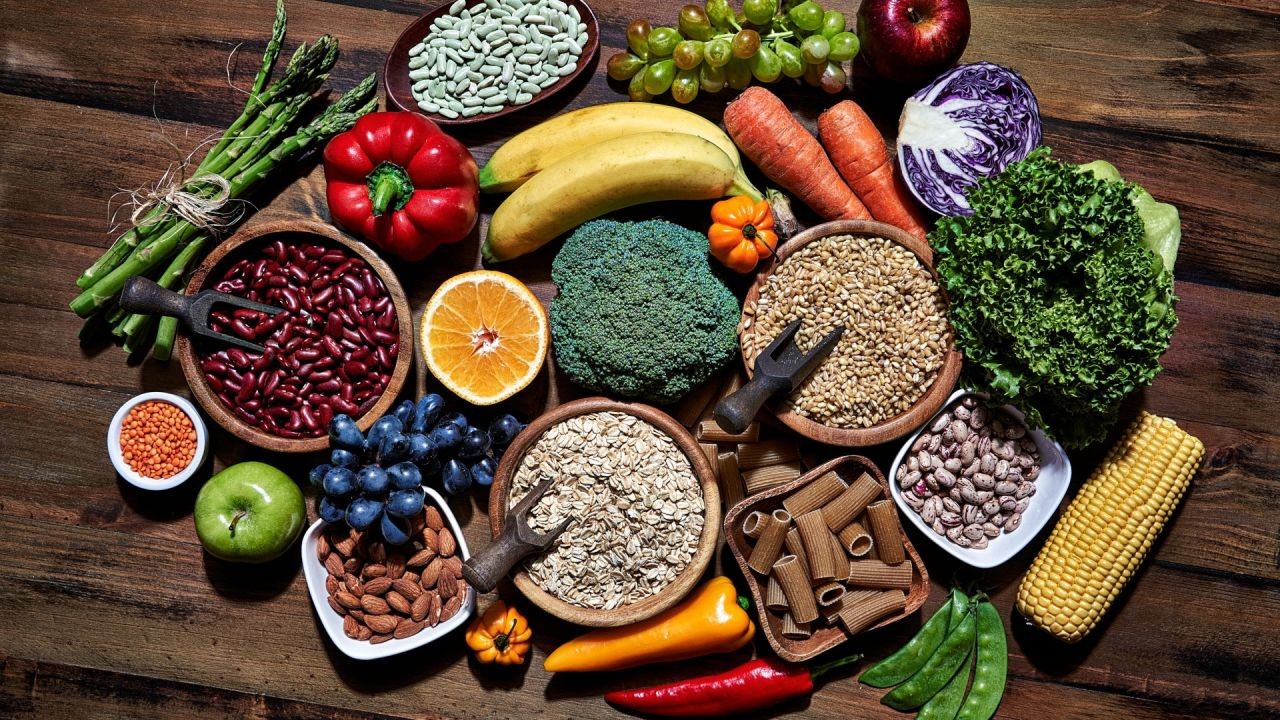






Why Choosing Local Over Fast Food is Crucial for Australia’s Future
Picture this: an Australian farmer, deeply rooted in tradition, cultivates fresh produce that holds the essence of the land. Yet, in the heart of our cities, fast food chains abound, overshadowing the rich tapestry of local flavors. This juxtaposition is not just a culinary dilemma but a significant economic and cultural one. Let’s explore why skipping fast food in favor of consuming local is not only a healthier choice but a strategic move for Australia’s thriving economy.
Embracing Local: A Boon for Australia’s Economy
Australia’s economy is intricately linked with its agricultural sector, which contributes around 3% to the nation’s GDP as per the Australian Bureau of Statistics (ABS). Supporting local food systems not only bolsters this sector but also enhances job opportunities in rural areas, reducing the economic divide between urban and rural regions. Fast food chains, often owned by international conglomerates, funnel profits out of the country, whereas local food businesses reinvest earnings into the community, fostering economic stability and growth.
Case Study: Victoria’s Farmer’s Markets
Problem: Many Victorian farmers struggled with low profit margins due to competition with imported goods and fast food chains.
Action: The establishment of farmer's markets across Victoria provided a direct-to-consumer sales channel, allowing farmers to bypass intermediaries.
Result: Within a year, participating farmers reported a 30% increase in revenue, and consumer surveys indicated a 40% increase in satisfaction due to fresher and more diverse food options.
Takeaway: Local markets not only invigorate the agricultural sector but also enhance consumer satisfaction and loyalty.
Health Benefits: A National Necessity
Australia faces a rising health crisis, with obesity rates climbing steadily. According to the Australian Institute of Health and Welfare, nearly two-thirds of adults were overweight or obese in 2017–18. Prioritizing local, fresh foods over fast food can play a pivotal role in reversing these trends. Local foods are typically less processed and contain fewer additives, aligning with the national health agenda to reduce lifestyle-related diseases.
Myth vs. Reality
- Myth: Fast food is cheaper than local produce.
- Reality: While fast food may offer an initial low cost, the long-term health costs, including medical expenses due to poor diet, far outweigh these savings.
Environmental Impact: A Global Perspective with Local Relevance
The global conversation around sustainability is intensifying, and Australia is no exception. Fast food chains contribute significantly to environmental degradation through high carbon emissions and waste production. By contrast, local food systems often employ sustainable farming practices that reduce environmental impact. The push towards local consumption supports Australia’s commitment to sustainability under the National Farmers’ Federation’s 2030 Roadmap, which aims to reduce agriculture’s environmental footprint.
Case Study: Sustainable Seafood in Tasmania
Problem: Overfishing and unsustainable practices threatened Tasmania’s marine biodiversity.
Action: Local fisheries adopted sustainable practices, supported by government initiatives, to ensure long-term viability.
Result: Tasmania’s seafood industry saw a 25% increase in biodiversity and a 15% rise in market value due to the premium placed on sustainably sourced seafood.
Takeaway: Sustainable practices not only protect the environment but also enhance industry profitability.
Cultural Identity: Preserving Australia’s Culinary Heritage
Australia’s cultural identity is a rich tapestry woven from indigenous traditions and multicultural influences. Local food is a celebration of this diversity. Fast food homogenizes culinary experiences, whereas local cuisine showcases the unique flavors and stories of Australia’s diverse communities. This preservation of culinary heritage is crucial for maintaining cultural identity in a rapidly globalizing world.
Contrasting Viewpoints
Advocate Perspective: Local food consumption enhances cultural preservation and community bonding.
Critic Perspective: Fast food offers convenience and uniformity that appeals to busy lifestyles.
Middle Ground: By integrating local foods into fast food formats, businesses can offer convenient yet culturally rich options.
Future Trends and Predictions
The future of Australian food consumption is poised for transformation. With growing consumer awareness and government support, local food systems are expected to expand significantly. According to Deloitte, by 2030, local and organic food markets in Australia are projected to grow by 20%, driven by consumer demand for healthier and more sustainable options.
Final Takeaways
- Supporting local food systems strengthens Australia’s economy and reduces urban-rural economic divides.
- Choosing local over fast food aligns with national health objectives, tackling the obesity crisis.
- Sustainable local food practices contribute to environmental conservation.
- Local foods preserve Australia’s rich cultural heritage, offering unique culinary experiences.
- Future trends indicate significant growth in local food markets, driven by consumer demand and sustainability goals.
In conclusion, the shift towards local food consumption is not just a dietary choice but a strategic one for Australia’s future. What steps will you take to support local food systems in your community? Share your thoughts and join the conversation on this crucial issue.
People Also Ask (FAQ)
- How does eating local impact Australia's economy? Buying local food supports Australian farmers, keeps money within the community, and enhances job opportunities, strengthening the national economy.
- What are the health benefits of eating local foods? Local foods are fresher and contain fewer preservatives, contributing to better overall health and reducing the risk of obesity and related diseases.
- How can local food consumption reduce environmental impact? Local food systems often use sustainable practices, reducing carbon emissions and waste, aligning with Australia’s environmental goals.
Related Search Queries
- Benefits of eating local foods in Australia
- Local vs fast food health impacts
- How to support local farmers in Australia
- Sustainable food practices in Australia
- Impact of fast food on Australian culture
- Economic benefits of local food consumption
- Future of local food markets in Australia
- Environmental impact of fast food industry
- Preserving culinary heritage in Australia
- Government initiatives supporting local food