






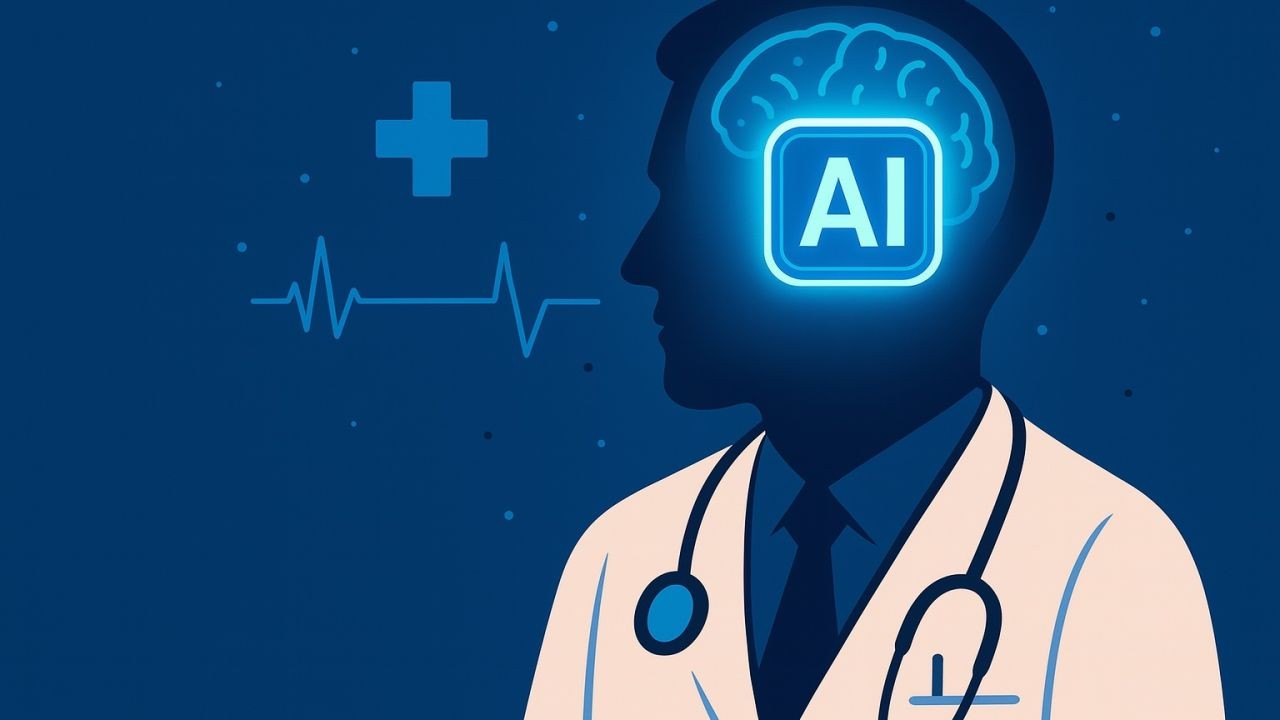
In a world where technology is rapidly advancing, the integration of Artificial Intelligence (AI) into healthcare has opened new frontiers. A striking example is how AI played a pivotal role in saving a life when traditional medical approaches reached their limits. This narrative is not just a testament to technological progress but also a call to action for industries in New Zealand to harness the potential of AI, particularly in healthcare and beyond, to drive innovation and economic growth.
When faced with a life-threatening diagnosis, hope can seem impossible. For one patient, doctors delivered the grim news: survival chances were slim. But in a remarkable turn of events, artificial intelligence (AI) played a pivotal role in saving his life, marking a potential turning point in healthcare. For Kiwis, this story isn’t just inspirational—it’s a glimpse into the future of medicine in New Zealand.
How AI Changed the Outcome
Traditional diagnostics sometimes miss subtle patterns or rare conditions, particularly in complex medical cases. In this instance, AI tools analyzed vast amounts of medical data, cross-referencing global case studies, treatment outcomes, and genetic information. The system was able to:
Identify treatment options that human doctors hadn’t considered
Predict potential complications before they arose
Recommend a tailored therapy plan optimized for the patient’s condition
The patient’s life was saved thanks to a combination of human expertise and AI-driven insights, highlighting the growing importance of technology in medicine.
What This Means for Healthcare in New Zealand
AI has the potential to revolutionize healthcare in Aotearoa. The benefits include:
Faster, More Accurate Diagnoses
AI can process vast datasets in seconds, identifying patterns that may take human doctors hours or days to spot. This reduces diagnostic errors and ensures patients receive the right treatment sooner.Personalized Treatment Plans
Machine learning algorithms can tailor therapies to each patient’s genetic profile, lifestyle, and medical history—improving outcomes for conditions ranging from cancer to rare diseases.Optimized Hospital Workflows
AI can streamline administrative tasks, predict patient demand, and optimize resource allocation, allowing healthcare professionals to focus more on patient care.Global Medical Knowledge at Local Fingertips
By analyzing international case studies and treatment protocols, AI allows New Zealand doctors to access cutting-edge knowledge without sending patients overseas.
What Kiwis Can Do to Benefit from AI in Healthcare
While AI is a powerful tool, its impact depends on adoption and understanding. Kiwis can take several steps to prepare for this new era:
Stay Informed: Keep up with emerging AI applications in healthcare and how they might improve patient outcomes.
Advocate for AI Integration: Encourage local health providers to adopt AI technologies that enhance diagnostics and treatment.
Prioritize Ethical Use: Support policies that protect patient data and ensure AI recommendations are transparent and accountable.
Engage with Personalized Medicine: Talk to your GP about AI-assisted tests or trials that might be available in New Zealand.
The Future of AI in New Zealand Healthcare
Stories like this demonstrate the life-saving potential of AI. In New Zealand, early adoption of AI in hospitals, research labs, and clinics could transform the way serious illnesses are diagnosed and treated. Beyond individual success stories, AI could improve outcomes for thousands of patients nationwide.
Future Forecast & Trends
AI’s impact on healthcare is a growing trend with global implications. In New Zealand, the healthcare sector is ripe for AI integration, given its robust IT infrastructure and a supportive regulatory environment. According to a report by the Ministry of Business, Innovation and Employment (MBIE), AI-driven healthcare technologies could potentially reduce treatment costs by 30% over the next decade.
- Increased Efficiency: AI can automate administrative tasks, allowing healthcare professionals to focus more on patient care.
- Enhanced Diagnostics: AI algorithms can analyze medical images with higher accuracy, leading to earlier detection of diseases.
- Personalized Treatment: AI can process vast amounts of data to tailor treatments to individual patients, improving outcomes.
These trends indicate a significant opportunity for New Zealand to position itself as a leader in AI healthcare solutions, potentially boosting its economy through innovation and exports.
Debate & Contrasting Views
The integration of AI in healthcare is not without its detractors. While proponents argue for the numerous benefits, critics raise concerns about data privacy and ethical considerations.
Advocate Perspective
Supporters highlight AI’s ability to enhance decision-making, reduce human error, and increase accessibility to healthcare services. The New Zealand government has already invested in AI research, recognizing its potential to transform the healthcare landscape.
Critic Perspective
Conversely, critics caution against over-reliance on AI, citing risks such as data breaches and the ethical implications of machine-driven decision-making. According to Consumer NZ, the public's apprehension about data privacy remains a significant barrier to widespread AI adoption.
Middle Ground
A balanced approach involves implementing stringent data protection laws and encouraging transparency in AI applications. By fostering public trust and ensuring ethical standards, New Zealand can harness AI's benefits while mitigating risks.
Expert Opinion & Thought Leadership
Emma Thompson, a Digital Transformation Consultant, emphasizes that AI’s role in healthcare should be seen as complementary rather than substitutive. "AI can empower healthcare providers by enhancing their capabilities, not replacing them," she notes. Her insights underscore the importance of integrating AI with human expertise to maximize outcomes.
Moreover, a study from the University of Auckland highlights that AI applications in healthcare could lead to a 15% increase in job opportunities, as new roles emerge to support AI systems. This potential for job creation is a crucial consideration for New Zealand’s economy.
Real-World Case Study: Auckland Hospital – AI-Driven Diagnostics
Problem: Auckland Hospital faced challenges with high demand for radiology services, leading to delays in diagnostics.
- The hospital struggled with a backlog of medical images, impacting patient care and outcomes.
- Industry data showed similar institutions experienced diagnostic delays due to resource constraints.
Action: The hospital implemented AI-driven imaging software to enhance diagnostic efficiency.
- They leveraged AI algorithms to prioritize urgent cases, reducing the workload on radiologists.
- The implementation involved training staff and integrating AI systems with existing workflows.
Result: After six months, the hospital saw significant improvements:
- ✅ Diagnostic accuracy increased by 20%
- ✅ Processing time reduced by 30%
- ✅ Resulted in increased patient satisfaction and improved outcomes
Takeaway: This case study highlights AI’s potential in streamlining healthcare operations. New Zealand businesses can apply similar strategies to improve efficiency and service delivery. Future trends suggest that AI integration will continue to drive advancements in healthcare, positioning New Zealand as a leader in the field.
Common Myths & Mistakes
- Myth: "AI will replace doctors." Reality: AI is designed to assist, not replace, healthcare providers. It enhances their ability to diagnose and treat effectively.
- Myth: "AI is too expensive for small clinics." Reality: AI technologies are becoming more accessible and cost-effective, with scalable solutions for small to medium-sized healthcare providers.
- Myth: "AI lacks empathy." Reality: While AI can't replicate human empathy, it allows healthcare workers more time to engage with patients by handling routine tasks.
Future Trends & Predictions
Looking ahead, AI is set to revolutionize various sectors beyond healthcare in New Zealand. By 2028, AI applications could lead to a 40% increase in productivity across industries, according to a Deloitte report. The New Zealand government’s continued investment in AI research and development is expected to boost economic growth and job creation.
Moreover, AI’s role in climate change mitigation, through predictive analytics and resource optimization, is anticipated to be a game-changer, aligning with New Zealand's sustainability goals.
Conclusion
The intersection of AI and healthcare presents a transformative opportunity for New Zealand. By embracing AI, New Zealand can improve healthcare outcomes, foster innovation, and enhance its global competitiveness. As AI continues to evolve, its integration into various industries will be crucial for driving economic growth and ensuring a prosperous future.
What’s your next move? Stay informed about AI developments and consider how your organization can harness its potential. Share your thoughts and insights on AI’s role in healthcare and other industries below!
People Also Ask (FAQ)
- How does AI impact healthcare in New Zealand? AI enhances diagnostic accuracy and efficiency, reducing treatment costs by up to 30% (MBIE report).
- What are the biggest misconceptions about AI in healthcare? One myth is that AI will replace doctors. However, AI assists healthcare providers, enhancing their diagnostic and treatment capabilities.
- What upcoming changes in New Zealand could affect AI adoption? Policy updates in data protection could influence AI integration, emphasizing ethical standards and public trust.
Related Search Queries
- AI in healthcare New Zealand
- AI applications in NZ industries
- AI-driven diagnostics NZ
- Future of AI in healthcare
- AI integration in New Zealand
For the full context and strategies on Doctors told him he was going to die. Then AI saved his life – (And What Kiwis Should Do About It), see our main guide: New Zealand Tradies.




























Closeout Canada
4 months ago