




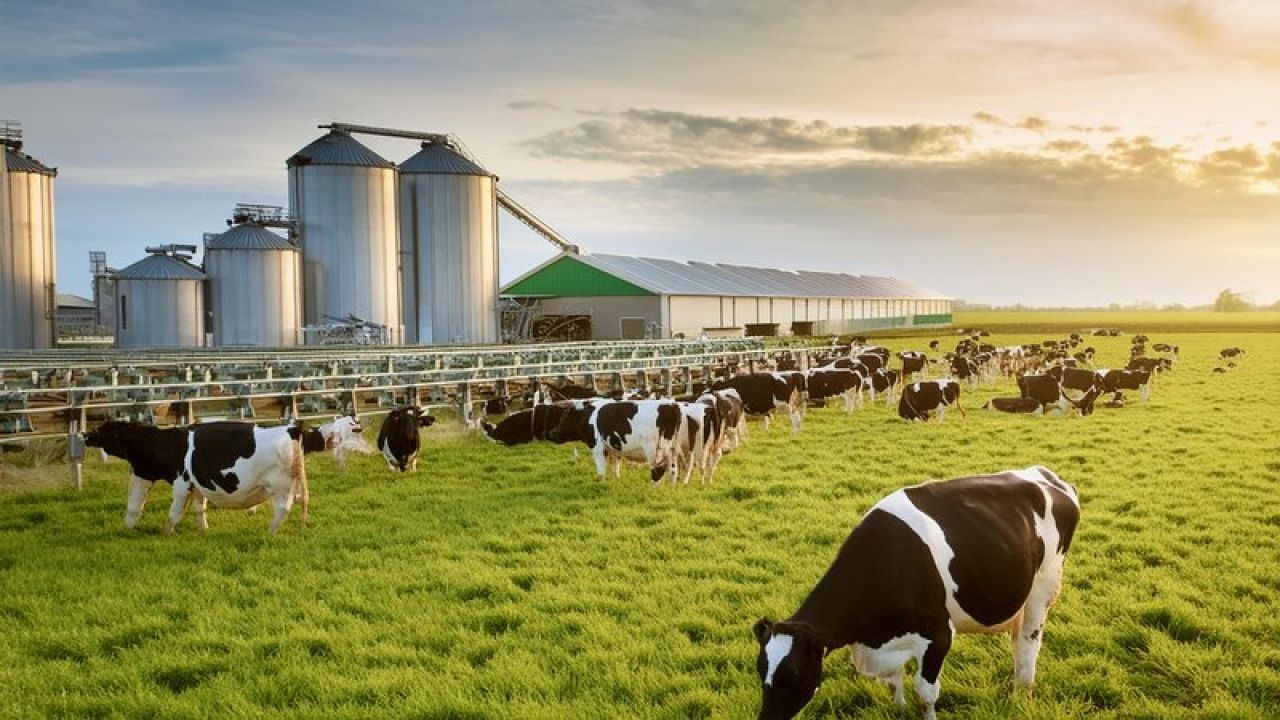
Let's be honest. For decades, the New Zealand dairy industry has been the backbone of our export economy, a source of immense national pride, and for many of us in the regions, the very lifeblood of our communities. But right now, standing at my farm gate, looking out over land that has been in my family for generations, I feel a profound shift in the air. It's not just the weather; it's the weight of new environmental regulations, the shifting expectations of global consumers, and the urgent need to future-proof our way of life. This isn't a threat to be feared—it's the greatest opportunity for reinvention our sector has ever seen. The future of dairy isn't about clinging to the past; it's about pioneering a new model of regenerative, high-value, and resilient agriculture that the world will pay a premium for. And from my experience supporting Kiwi companies through this transition, I can tell you the businesses that lean into this change, rather than resist it, are the ones that will not only survive but thrive.
The Unavoidable Pivot: Data, Drivers, and the New Zealand Reality
The writing is on the wall, and it's backed by hard data. Stats NZ reports that in 2022, agriculture contributed 49% of New Zealand's gross greenhouse gas emissions, with dairy cattle being the single largest source. The national policy response, like the He Waka Eke Noa partnership and upcoming pricing mechanisms for agricultural emissions, is not a passing political phase; it's a structural realignment of our entire economy. Simultaneously, our key markets in Europe and North America are implementing stringent environmental standards and border adjustment mechanisms. A Fonterra supplier shipping milk powder to the EU today isn't just competing on price; they're competing on verified carbon footprint, water quality impact, and biodiversity metrics.
Drawing on my experience in the NZ market, I've watched two distinct mindsets emerge. One group sees regulations as a costly burden, a handbrake on production. The other, which includes some of our most forward-thinking farmers and processors, sees them as a catalyst for innovation and value creation. The latter group understands that "clean and green" is no longer just a marketing slogan—it's our license to operate and our key competitive advantage on the world stage. The pivot is from volume to value, from emissions-intensive to climate-smart.
Key Actions for Kiwi Dairy Operators Today
- Benchmark Your Baseline: You can't manage what you don't measure. Engage with your milk processor or a certified provider to get a clear, science-based assessment of your farm's current greenhouse gas footprint and nitrogen leaching risk. Programs like OverseerFM, while evolving, are a starting point.
- Engage with He Waka Eke Noa: This isn't bureaucratic noise. Understanding the proposed farm-level emissions pricing system is critical for your financial planning. Attend workshops, talk to your rural advisor, and model different scenarios for your business.
- Look Beyond the Fence Line: The future isn't just on-farm. Investigate supply chain partnerships. Are there opportunities with your processor for preferential pricing linked to environmental credentials? What data do they need from you to tell a compelling story to overseas buyers?
Future Forecast: The Three Pillars of the 2030 Dairy Farm
So, what does the successful dairy enterprise of the next decade look like? Based on my work with NZ SMEs navigating this space, I believe it will be built on three interconnected pillars: Precision Regeneration, Diversified Revenue, and Story-Based Marketing.
1. Precision Regeneration
This moves beyond "sustainable" farming to actively improving the environment. It's the integration of advanced technology with ecological principles. Think of it as data-driven nature. We're already seeing this with:
- Hyper-Efficient Feed and Breeding: Using genetic tools (like low-methane breeding values) and tailored feed supplements (e.g., Kowbucha, seaweed additives) to directly reduce biogenic methane from livestock.
- Smart Nitrogen Management: Precision irrigation, protected urea, and catch-cropping to slash leaching into waterways, directly addressing the National Policy Statement for Freshwater Management.
- Integrated Agroforestry: Strategically planting natives like manuka and kanuka not only sequesters carbon but creates biodiversity corridors, stabilises soil, and opens up a future revenue stream from honey or carbon credits.
In practice, with NZ-based teams I've advised, the farms making the fastest progress are those treating their environmental data with the same seriousness as their production data.
2. Diversified Revenue Streams
The future farm's income will not be a single column for milk solids. It will be a diversified portfolio. This is where Kiwi ingenuity truly shines.
- Carbon Farming & biodiversity Credits: As the New Zealand Emissions Trading Scheme (NZ ETS) evolves and private markets for biodiversity credits mature (watch the work of the Taskforce on Nature-related Financial Disclosures), well-managed native vegetation on-farm will become a tangible asset.
- On-Farm renewable energy: Solar arrays powering the dairy shed and electric farm vehicles, with surplus fed back to the grid. This reduces operational costs and creates a new income line.
- Value-Added Branded Products: This is the ultimate step. Why just sell milk when you can sell a story? Small-scale, farm-gate cheese, bespoke yoghurt, or even "carbon-neutral" butter direct to high-end international retailers. From consulting with local businesses in New Zealand, I've seen a Canterbury farm achieve a 300% margin increase by branding and selling its own organic cheese locally and online.
3. Story-Based Marketing & Provenance
The end consumer, especially in our premium markets, wants a connection. They want to know the cow's name, see the regenerating pasture, and trust the farmer's ethics. Technology like blockchain for supply chain transparency and immersive farm tours via VR will allow us to tell that story with undeniable proof. Our "clean, green" image becomes a verifiable, data-backed claim.
Case Study: The Lake Rotorua Collective – A Blueprint for Collaborative Success
Problem: The dairy farms surrounding Lake Rotorua faced a severe and public challenge. Nutrient runoff was contributing to algal blooms, degrading the lake's health and drawing regulatory scrutiny. Individual farmers were facing potentially crippling restrictions, and the public perception of the industry in the region was at a low ebb. The traditional model of every farm for itself was failing.
Action: Instead of fighting the rules, a group of farmers, led by local champions, formed the Rotorua Te Arawa Lakes Programme. They adopted a collective, catchment-wide approach. With support from Bay of Plenty Regional Council, they implemented a sophisticated nutrient trading scheme. Farmers who reduced their nitrogen leaching below their allocated limit could sell credits to those who needed more time or had higher-cost mitigation options. This was coupled with widespread adoption of mitigation practices: fencing off all waterways, building constructed wetlands to filter runoff, shifting to low-impact pasture species, and using precision fertiliser application.
Result: The results have been transformative. The collaborative effort has reduced nitrogen entering Lake Rotorua by over 500 tonnes since 2009, putting the lake on a clear path to meeting its water quality targets. Critically, it allowed farming to continue and thrive while restoring the environment. The scheme has become an internationally recognised model for solving diffuse pollution challenges.
Takeaway: This case study proves that environmental progress and economic viability are not mutually exclusive. The key was collaboration over confrontation, innovation over inertia. For dairy businesses across New Zealand, the lesson is clear: engage with your catchment group, your iwi, and your local council. The solutions are more affordable and effective when you work together at a landscape scale.
The Great Debate: Regulation as a Handbrake vs. a Launchpad
This is the central tension in woolshed conversations across the country. Let's break down both sides.
✅ The "Launchpad" Perspective (The Opportunity View)
- First-Mover Advantage: New Zealand can cement its position as the world's leading producer of premium, climate-positive dairy. Early adopters will command unbeatable market access and price premiums.
- Innovation Economy: Stringent regulations are driving a boom in Agritech. NZ companies are developing world-leading solutions in methane reduction, nutrient management, and soil carbon—solutions we can then export globally.
- Intergenerational Resilience: Transitioning now protects the land's productive capacity for our children and grandchildren, ensuring the business remains viable amidst a changing climate and market demands.
- Social License: Proactive environmental stewardship rebuilds public trust and secures our right to farm from an increasingly urbanised population.
❌ The "Handbrake" Perspective (The Risk View)
- Cost Burden: The capital required for new technology, infrastructure (like herd homes), and planting is immense, particularly for highly leveraged farms. This could force consolidation, pushing smaller family farms out.
- Competitive Disadvantage: If other major dairy exporters (e.g., the US, EU) move slower on emissions pricing, NZ farmers face higher on-farm costs without immediate market reward, squeezing margins in the short term.
- Scientific Uncertainty: Some argue that the tools for accurately measuring on-farm emissions (like Overseer) are not yet perfect, leading to potentially unfair pricing.
- Complexity & Compliance Overload: Farmers are already time-poor. Navigating a web of new reporting requirements, consents, and schemes adds significant administrative stress.
⚖️ The Middle Ground: A Managed Transition with Smart Support
The path forward isn't to dismiss either view but to navigate between them. The role of government and industry bodies is critical: to ensure the pace of change is manageable, that financial and technical support (like the $340 million announced for agricultural emissions mitigation research) is accessible and effective, and that our trade negotiators are fiercely securing market recognition for our efforts. The goal must be a just transition that doesn't abandon the regions it intends to protect.
Common Myths and Costly Mistakes to Avoid
Let's cut through some of the noise that can lead good businesses astray.
Myth 1: "These regulations are just political; they'll blow over if we wait long enough." Reality: This is a global, market-driven, and scientific imperative. Consumer trends, financial sector demands (like bank lending criteria linked to ESG), and international trade agreements are all locking in these standards. Waiting is the riskiest strategy of all, leading to a costly last-minute scramble.
Myth 2: "Going green means going broke. It's all cost and no return." Reality: Initial investment is required, but it's an investment in efficiency and risk reduction. Reducing fertiliser use through precision application saves money. Generating your own solar power saves money. Improving herd health through better practices saves money. The return comes through lower input costs, premium product channels, and future-proofing against carbon costs.
Myth 3: "My farm is too small to make a difference or to afford these changes." Reality: Scale can be an advantage in agility. Smaller farms can often pivot to niche, high-value branded products more quickly. Furthermore, collaborative models (like the Rotorua example) and shared-service arrangements for technology (e.g., a contractor with a methane laser measurement unit) are making innovation accessible to all.
Biggest Mistake to Avoid: Going It Alone. The most costly pitfall is isolation. Don't try to figure this out in your farm office. A 2023 report by the Agribusiness Group highlighted that farmers who actively engaged with discussion groups, catchment collectives, and extension services adopted new practices 50% faster and with better financial outcomes. The solution is in your community.
An Industry Secret: The Coming Value of "Ecosystem Services"
Here's a hard-to-find insight that isn't widely discussed yet but will reshape balance sheets. We currently view native bush, wetlands, and riparian margins as a loss of productive pasture. In the very near future, these will be recognised as income-generating assets. Beyond carbon credits, markets are developing for biodiversity credits and water quality credits.
Imagine a scenario where a Auckland-based corporation needs to offset its environmental impact to meet its net-zero nature-positive commitments. It could purchase a "biodiversity unit" from your farm, representing the verified protection and enhancement of a hectare of native habitat. This isn't philanthropy; it's a new commodity. Having worked with multiple NZ startups in this space, I can see the frameworks being built right now. The farmers who have already protected and restored these areas will be the first to monetise them. The secret? Start integrating nature-based assets into your farm business plan today, not as a cost, but as a future revenue stream.
Final Takeaways: Your Action Plan for the New Dawn
- 🔍 Fact: Agriculture is responsible for nearly half of NZ's emissions. Inaction is not a commercial option.
- 🚀 Strategy: Pivot from volume to value. Diversify your revenue with carbon, energy, and branded products alongside milk.
- 🤝 Pro Tip: Collaborate. Your catchment group is your single most important resource for shared solutions and support.
- 💡 Bold Prediction: By 2030, the most profitable 20% of NZ dairy farms will derive over 30% of their income from non-milk revenue streams linked to environmental performance.
People Also Ask (FAQ)
How will emissions pricing actually work on my farm? The He Waka Eke Noa model proposes a farm-level levy based on your calculated greenhouse gases. You'll report data (livestock numbers, fertiliser use) and pay a price per tonne. The funds are intended to be reinvested in research, technology, and incentives for farmers to reduce emissions.
What is the single most effective thing I can do right now to reduce my farm's environmental impact? While it varies by farm, a combination of fencing all waterways and planting the margins, and switching to using protected urea fertiliser, consistently delivers significant and immediate reductions in nitrogen leaching and greenhouse gas emissions for a manageable upfront cost.
Are consumers overseas really willing to pay more for sustainable dairy? Absolutely. Multiple global market surveys (e.g., from Bord Bia, IGD) show consumers in our premium markets increasingly factor sustainability credentials into purchasing decisions, with a significant segment willing to pay a premium of 10-20% for products with verified environmental and ethical claims.
Final Takeaway & Call to Action
The narrative around New Zealand dairy is being rewritten. We can be the authors of a story of resilience, innovation, and world-leading stewardship, or we can be relegated to a footnote of an outdated model. This isn't just about compliance; it's about leadership. The tools, the science, and the market signals are all aligning. The question for every dairy business owner, from the family-run operation to the large corporate, is this: Will you see the fence line as a boundary, or as the foundation of your future?
Start the conversation today. Call your rural consultant, attend the next catchment meeting, and visit a neighbour who's trying a new practice. The future of our industry will be built not in Wellington boardrooms, but in our own woolsheds and across our own paddocks. Let's get to work.
Related Search Queries
He Waka Eke Noa explained 2024 | Farm-level emissions pricing NZ | On-farm carbon sequestration methods | Diversifying dairy farm income New Zealand | Cost of implementing herd homes NZ | Rotorua catchment nutrient trading scheme | Agri-tech solutions for methane reduction | NZ dairy export market trends 2024 | biodiversity credits for farmers | Protected urea fertiliser benefits and cost
For the full context and strategies on 18. The future of the dairy industry amid environmental regulations – The New Zealand Angle You’ve Overlooked, see our main guide: Vidude Helps Kiwi Businesses Tell Story Video.