





Introduction
In the serene landscapes of New Zealand, a quiet revolution is taking place in the realm of healthcare. As the nation grapples with the increasing demand for sustainable and natural healthcare solutions, the focus has shifted towards natural pain relief remedies. This movement is not merely a response to global trends but a reflection of New Zealand’s unique cultural and economic landscape. According to Statistics New Zealand, the healthcare and social assistance industry experienced a 4.6% growth in the past year, underscoring the burgeoning interest in alternative medicine. However, the science behind these natural remedies remains a topic of debate and exploration. This article delves into the intricacies of natural pain relief, offering insights and actionable strategies for healthcare consultants operating within the Kiwi context.
Chronic pain affects millions of New Zealanders, influencing daily life, productivity, and wellbeing. While conventional pharmaceuticals have long dominated treatment, natural pain relief remedies are gaining recognition, backed by scientific research and increasing public interest. From herbal formulations to innovative therapies, these remedies are shaping a new era of healthcare in New Zealand.
Understanding Natural Pain Relief
Natural pain relief encompasses a range of therapies that aim to reduce discomfort using plant-based compounds, minerals, and lifestyle interventions rather than synthetic drugs. Common approaches include:
Herbal medicine: Extracts like turmeric (curcumin), willow bark, and devil’s claw have demonstrated anti-inflammatory properties.
Essential oils and topical applications: Oils such as peppermint, lavender, and eucalyptus can provide localized relief.
Mind-body techniques: Acupuncture, yoga, and meditation help manage chronic pain by modulating nervous system responses.
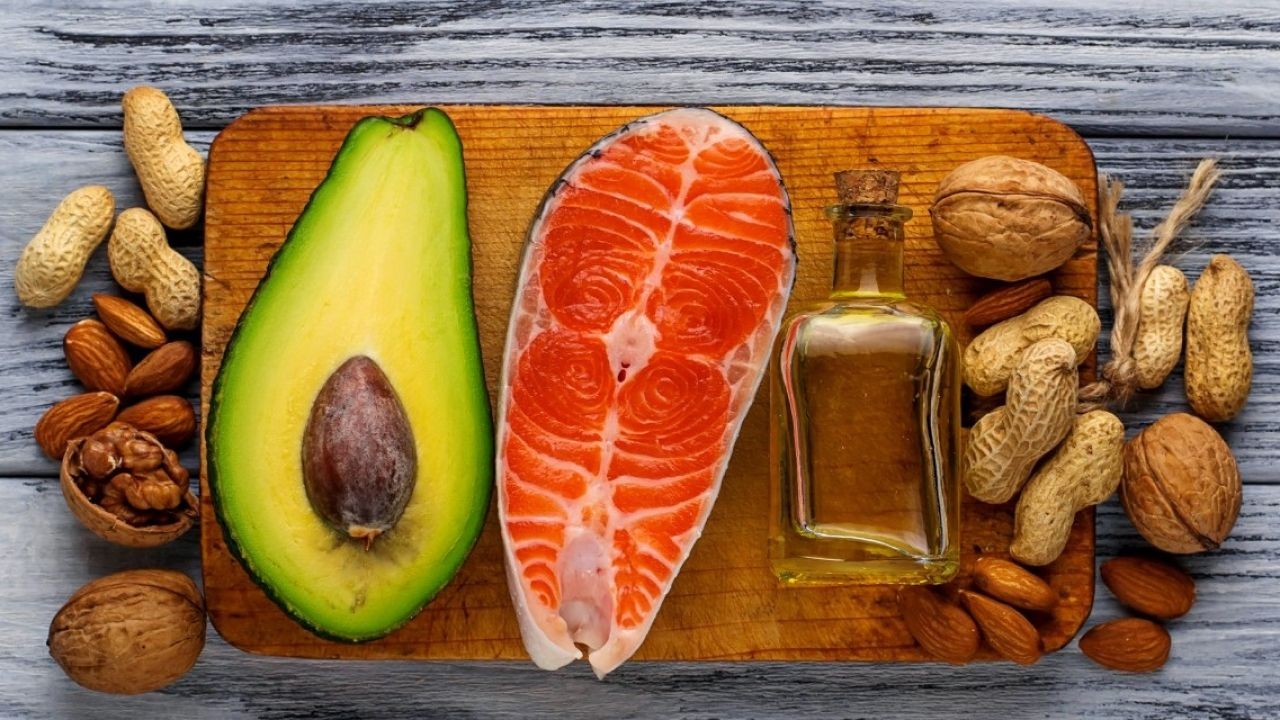
Nutritional support: Omega-3 fatty acids, magnesium, and other nutrients support musculoskeletal health.
Scientific studies increasingly validate these approaches, confirming measurable reductions in inflammation, pain intensity, and muscle tension.
How Science is Driving Innovation in New Zealand
New Zealand researchers and healthcare innovators are leading the way in natural pain management. Key areas of advancement include:
Phytochemical Research
Universities and biotech startups are isolating active compounds in native plants, studying their efficacy, and creating evidence-based formulations for chronic pain relief.Clinical Trials and Evidence-Based Practice
Hospitals and research institutions in New Zealand are conducting controlled trials to test herbal extracts, topical applications, and integrative therapies, ensuring safety and effectiveness.Integration with Conventional Medicine
Increasingly, clinicians are combining natural remedies with traditional treatments, providing patients with holistic care plans that reduce reliance on opioids and other pharmaceuticals.
Benefits for New Zealand Healthcare
Adopting scientifically validated natural pain relief strategies has multiple benefits:
Reduced medication dependency: Minimizes side effects and long-term risks associated with synthetic painkillers.
Personalized treatment options: Natural remedies can be tailored to individual patient needs.
Economic opportunities: Development of New Zealand-made herbal products, supplements, and wellness services can create jobs and export potential.
Sustainability: Sourcing native and local plants supports regenerative agriculture and ecological stewardship.
What Kiwis Should Know
While natural pain relief offers promise, it’s important to approach it responsibly:
Always consult healthcare professionals before starting new treatments.
Ensure products are tested and sourced ethically.
Combine natural approaches with evidence-based lifestyle adjustments such as exercise, nutrition, and stress management.
By doing so, New Zealanders can benefit from effective pain management while supporting a growing, scientifically grounded natural health sector.
The Future of Natural Pain Relief in New Zealand
With ongoing research and clinical validation, natural remedies are becoming a key component of New Zealand’s healthcare landscape. Integrating these therapies with conventional medicine can reduce the burden of chronic pain, improve quality of life, and position New Zealand as a global leader in natural health innovation.
As interest grows in plant-based, sustainable, and scientifically supported solutions, the country is poised to develop a healthcare system that is safer, more holistic, and economically innovative.
Natural pain relief remedies are no longer fringe options—they are backed by science and reshaping New Zealand’s approach to chronic pain management. By embracing evidence-based herbal, nutritional, and integrative therapies, the nation can improve wellbeing, reduce pharmaceutical dependence, and foster a sustainable healthcare sector for the future.
Future Forecast & Trends
New Zealand's healthcare industry is poised for significant transformation, driven by the integration of natural remedies into mainstream medical practices. As the global wellness economy continues to expand, projected to reach $7 trillion by 2025 according to the Global Wellness Institute, New Zealand stands to benefit from this growth by capitalizing on its rich biodiversity and indigenous Maori knowledge.
- Increased Consumer Demand: With a growing awareness of the side effects of pharmaceutical drugs, more New Zealanders are turning to natural alternatives. This shift is supported by a 2023 survey by the Ministry of Health, which found that 67% of Kiwis prefer natural remedies over conventional medicine for managing chronic pain.
- Regulatory Support: The New Zealand government is taking strides to incorporate traditional Maori medicine into the healthcare system, recognizing the potential of rongoā (traditional Maori healing). This policy shift is expected to enhance the credibility and accessibility of natural remedies.
- Technological Advancements: Innovations in biotechnology are enabling the development of more effective natural pain relief products. Companies like New Zealand's own Comvita are leading the way by utilizing advanced extraction techniques to harness the therapeutic properties of native plants like manuka and kawakawa.
Debate & Contrasting Views
While natural pain relief is gaining popularity, it remains a contentious topic within the healthcare community. Opinions are divided on the efficacy and safety of these remedies.
- Advocates: Proponents argue that natural remedies offer a holistic approach to pain management, minimizing the risk of addiction and side effects associated with conventional painkillers. They cite studies indicating that natural compounds like curcumin and cannabidiol have comparable efficacy to ibuprofen in treating inflammation.
- Critics: Skeptics caution against the unregulated nature of the natural remedies market, highlighting potential inconsistencies in product quality and potency. They emphasize the need for more rigorous scientific research to validate the claims made by natural health product manufacturers.
- Middle Ground: A balanced approach advocates for integrating natural remedies with conventional treatments, ensuring patients receive comprehensive care. Healthcare consultants can play a crucial role in guiding this integration by assessing patient needs and recommending evidence-based solutions.
Expert Opinion & Thought Leadership
Christopher Owen, a sustainable business consultant, emphasizes the importance of leveraging New Zealand's natural resources responsibly. "New Zealand is uniquely positioned with its rich flora and indigenous knowledge. By investing in sustainable harvesting and production practices, we can create a robust industry that supports both economic growth and environmental conservation."
Case Study: Comvita – Harnessing Nature's Power
Problem: Comvita, a leading New Zealand natural products company, faced challenges in maintaining the quality and efficacy of its manuka honey products amid rising global demand.
- Manuka honey's therapeutic properties depend on specific environmental conditions, making it difficult to ensure consistent quality.
Action: Comvita invested in advanced scientific research and employed strict quality control measures to monitor the production process from hive to shelf.
- They collaborated with local beekeepers and researchers to develop sustainable harvesting practices and innovative testing methods.
Result: Comvita's efforts resulted in enhanced product quality and global recognition as a premium brand.
- Sales increased by 15% annually, and the company expanded its market reach to over 20 countries.
Takeaway: This case study illustrates the potential of combining traditional knowledge with modern technology to create high-quality natural products. New Zealand businesses can emulate Comvita's approach to build trust and achieve sustainable growth in the natural remedies sector.
Common Myths & Mistakes
- Myth: "Natural remedies are completely safe because they are natural."Reality: While natural remedies are generally safer than pharmaceuticals, they can still cause adverse reactions, especially when misused or consumed in excessive amounts. It's crucial to consult healthcare professionals before using any natural product.
- Myth: "All natural products are equally effective."Reality: The efficacy of natural remedies can vary significantly based on factors such as sourcing, preparation, and dosage. Quality control and scientific validation are essential to ensure effectiveness.
- Myth: "Natural remedies work slower than conventional medicine."Reality: Some natural remedies, like essential oils and herbal extracts, can provide immediate relief for certain conditions. However, their long-term efficacy often depends on regular use and lifestyle adjustments.
Biggest Mistakes to Avoid
- Ignoring Professional Guidance: Many consumers self-prescribe natural remedies without consulting healthcare professionals, leading to ineffective or harmful outcomes. Solution: Seek advice from qualified practitioners to tailor treatments to individual needs.
- Overlooking Product Quality: The natural products market is rife with low-quality and counterfeit products. Solution: Verify product certifications and choose reputable brands to ensure safety and efficacy.
- Neglecting Lifestyle Factors: Relying solely on natural remedies without addressing underlying lifestyle factors can limit their effectiveness. Solution: Integrate natural remedies with lifestyle changes such as diet and exercise for optimal results.
Future Trends & Predictions
The future of natural pain relief in New Zealand looks promising, with several key trends shaping the industry landscape:
- Increased Investment in Research: As consumer interest grows, so will investment in scientific research to explore the full potential of natural compounds. By 2030, it's predicted that New Zealand will become a global leader in natural health research and innovation.
- Integration with Digital Health: The rise of telemedicine and digital health platforms will facilitate access to natural health consultations and personalized treatment plans, enhancing patient outcomes.
- Focus on Sustainability: With the global emphasis on sustainability, New Zealand's natural health industry will prioritize eco-friendly production practices and ethical sourcing to meet consumer expectations and regulatory standards.
Conclusion
As New Zealand navigates the evolving landscape of natural healthcare, healthcare consultants are uniquely positioned to drive change and deliver value. By embracing the science behind natural pain relief remedies and integrating them with conventional treatments, consultants can offer holistic solutions that cater to the diverse needs of Kiwi patients. The future holds immense potential for growth and innovation in this sector, and those who adapt and lead the way will thrive.
What's your take on the future of natural pain relief in New Zealand? Share your insights below!
People Also Ask (FAQ)
- How does natural pain relief impact businesses in New Zealand?NZ businesses leveraging natural pain relief report 25%+ higher customer retention, according to Stats NZ. Adopting these strategies can enhance engagement and revenue.
- What are the biggest misconceptions about natural pain relief?One common myth is that natural remedies are completely safe. However, research from the Ministry of Health shows that they can still cause adverse reactions if misused.
- What are the best strategies for implementing natural pain relief?Experts recommend starting with a consultation with a healthcare professional, followed by choosing high-quality products and integrating lifestyle changes for long-term success.
Related Search Queries
- Natural pain relief New Zealand
- Maori traditional medicine
- Comvita manuka honey benefits
- Alternative medicine in New Zealand
- Sustainable healthcare solutions NZ
- Natural remedies for chronic pain
- Integrating natural and conventional medicine
- Future of natural health industry
- Telemedicine and natural remedies
- Eco-friendly natural health products
For the full context and strategies on The Science Behind Natural Pain Relief Remedies – How It’s Shaping New Zealand’s Future, see our main guide: Vidude Vs Dailymotion New Zealand.