





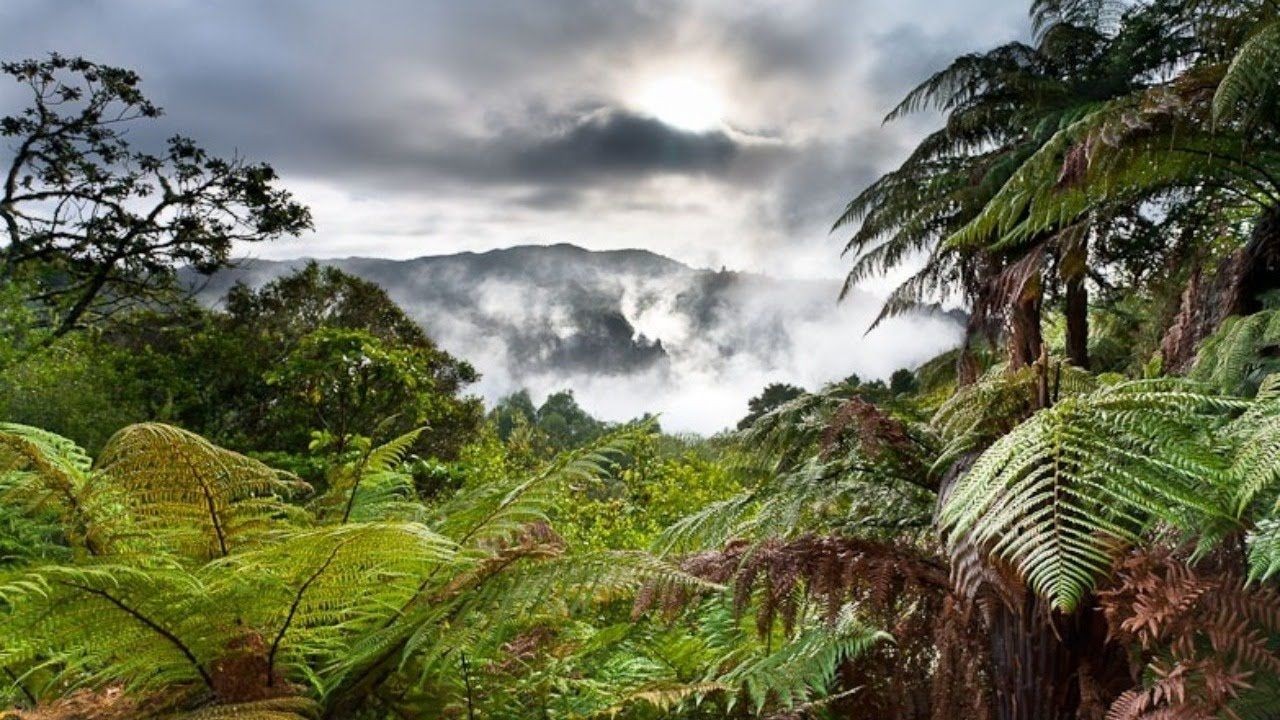
New Zealand's lush landscapes are renowned worldwide, yet many don't realize how dynamic these ecosystems are. Over the past decade, the country's forests have expanded by 5%, a significant achievement given global deforestation trends. But why does this growth matter, and how does it impact New Zealand’s economy and industries? Let’s delve into this green success story and uncover the multifaceted benefits and challenges it presents.
New Zealand’s forests are thriving. Over the past decade, forested areas have increased by 5%, a growth that carries profound implications for the environment, economy, and society. This expansion is more than a statistic—it’s a catalyst for sustainable growth, job creation, and long-term resilience in Aotearoa.
The Growth of New Zealand’s Forests
The increase reflects both natural regeneration and proactive forestry management:
Afforestation projects have boosted native and exotic forest cover
Sustainable forestry practices balance timber production with environmental protection
Reforestation initiatives aim to restore degraded land while capturing carbon
This growth demonstrates New Zealand’s commitment to balancing ecological stewardship with economic opportunity.
Environmental Benefits
Expanding forest areas provide significant environmental gains:
Carbon sequestration: Forests absorb CO₂, helping New Zealand meet climate goals
Biodiversity support: Increased habitat supports native wildlife and plant species
Soil and water conservation: Trees reduce erosion, improve soil health, and protect waterways
These benefits contribute to a healthier, more resilient ecosystem, creating a foundation for long-term sustainability.
Economic Implications
Forestry is a cornerstone of New Zealand’s economy, and growth translates into tangible opportunities:
Job creation: Planting, managing, and harvesting forests supports employment in rural regions
Export revenue: Timber, wood products, and related industries contribute significantly to national exports
Tourism potential: Native forests attract eco-tourists, creating business opportunities for local communities
The 5% forest increase enhances New Zealand’s position as a global leader in sustainable forestry and green growth.
Driving the Next Wave of Growth
Forests are more than a natural resource—they’re a platform for innovation and resilience:
Renewable energy integration: Biomass from forestry supports green energy initiatives
Carbon trading and offsets: Growing forest areas allow New Zealand businesses to participate in carbon credit markets
Sustainable product development: Increased timber availability encourages eco-friendly construction and furniture production
These sectors align with global trends, positioning New Zealand for future-oriented, environmentally responsible growth.
Community and Cultural Impact
Forests also carry social and cultural significance:
Māori forestry initiatives embed traditional knowledge in sustainable management
Community planting projects foster local engagement and environmental awareness
Forested landscapes enhance quality of life, recreation, and wellbeing for all New Zealanders
This holistic approach ensures that forest growth benefits people, culture, and the planet.
The Growth of New Zealand's Forests: A Deeper Look
New Zealand’s forests have seen a 5% increase in the last decade, a promising sign of environmental restoration and sustainability. This growth is attributed to several factors, including government policies and community initiatives.
- Government Initiatives: The New Zealand Government's One Billion Trees Programme aims to plant one billion trees by 2028, drastically enhancing forest coverage.
- Community Efforts: Local communities and NGOs have played a critical role, engaging in reforestation projects and conservation efforts.
- Policy Support: Policies supporting sustainable forest management and native tree planting are pivotal in this growth journey.
Source: Ministry for Primary Industries, New Zealand
Economic Implications & Industry Impact
Increased forest coverage is not just an environmental triumph; it has far-reaching economic implications for New Zealand.
Forestry Industry Growth
- Economic Contribution: The forestry sector contributes over NZD 6 billion annually to the economy, employing approximately 35,000 people (Source: Stats NZ).
- Export Revenue: As the third-largest export earner, forestry products are crucial to New Zealand’s trade balance, making this growth economically beneficial.
Tourism & Eco-Tourism Expansion
- Eco-Tourism Potential: As forests expand, eco-tourism opportunities flourish, attracting international tourists and boosting local economies.
- Job Creation: Increased tourism can lead to job creation in hospitality, guiding services, and conservation efforts.
Data-Driven Insights & Case Studies
Case Study: The Success of the Lake Taupo Forest Trust
Problem: The Lake Taupo Forest Trust faced deforestation and environmental degradation in the 1990s, threatening local ecosystems and community livelihoods.
Action: By collaborating with local iwi (tribes) and government agencies, the Trust implemented sustainable forestry practices and reforestation initiatives.
Result: The initiative led to a 30% increase in forest cover over two decades, boosting biodiversity and providing consistent economic returns from sustainable timber harvesting.
Takeaway: This case highlights the effectiveness of community-led sustainable practices, offering a model for other regions worldwide.
Common Myths & Mistakes in Forestry Growth
- Myth: "Forest expansion harms local agriculture." Reality: Sustainable forestry can coexist with agriculture, offering windbreaks and soil stabilization (Source: Ministry for Primary Industries).
- Myth: "Reforestation is too costly for small communities." Reality: Government grants and community funding can offset costs, as seen in numerous successful local projects.
- Myth: "Forestry only benefits large corporations." Reality: Community-led forestry projects provide significant local benefits, from job creation to ecosystem services.
Future Trends & Predictions
Looking ahead, New Zealand’s forestry sector is poised for further transformation. By 2030, it's anticipated that advancements in technology and sustainable practices will lead to even more efficient and eco-friendly forestry operations.
- Technological Integration: Drones and AI could optimize planting and monitoring processes, enhancing growth rates and forest health.
- Sustainable Innovations: New Zealand may lead in developing sustainable timber products, reducing reliance on traditional, less eco-friendly materials.
Conclusion
New Zealand’s forests have not only grown by 5% in the last decade but have also set the stage for sustainable economic and environmental progress. By leveraging innovative practices and community involvement, the country can continue to be a global leader in forestry and conservation.
What’s your perspective on New Zealand’s forestry expansion? Share your insights and join the conversation below!
People Also Ask (FAQ)
- How does forest expansion impact New Zealand's economy? Forest expansion boosts the economy by enhancing the forestry sector, increasing tourism revenue, and creating jobs in conservation and related industries.
- What are common misconceptions about forest growth in New Zealand? One myth is that forest expansion harms agriculture. In reality, sustainable forestry can complement farming, offering benefits like soil stabilization.
- What upcoming changes could affect New Zealand’s forestry sector? Technological advancements and policy updates are expected to optimize forest management, leading to increased efficiency and sustainability.
Related Search Queries
- New Zealand forestry industry 2023
- Reforestation projects in New Zealand
- Economic impact of forestry in NZ
- One Billion Trees Programme NZ
- Sustainable forestry practices in New Zealand
For the full context and strategies on New Zealand’s Forests Have Increased by 5% in the Last Decade – How It’s Powering NZ’s Next Wave of Growth, see our main guide: Nz Visual Arts Exhibition Videos.