





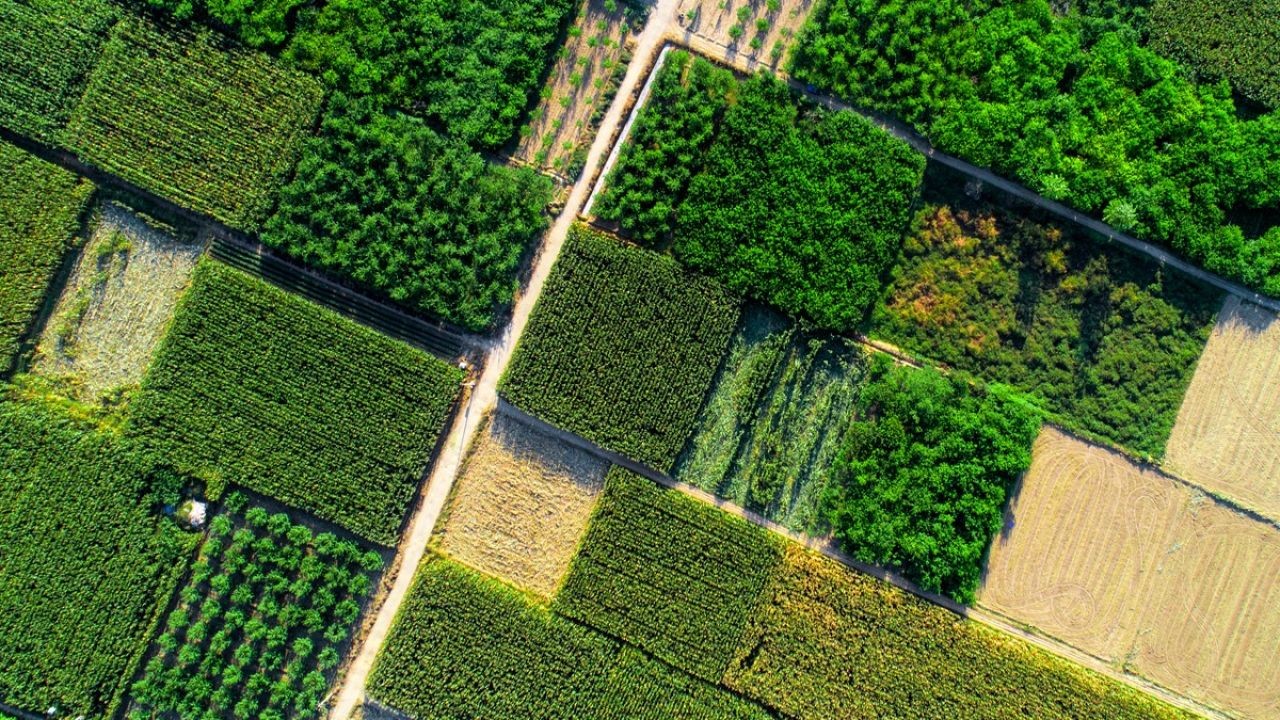
In recent years, New Zealand's sustainable farming sector has witnessed remarkable growth, expanding by 25% over the last three years. This growth is not only a testament to the industry's resilience but also a reflection of the country's commitment to sustainable practices, driven by both consumer demand and governmental policies. But what does this mean for New Zealand's economy, and how can businesses capitalize on this trend? Let's delve into the data, explore expert insights, and consider the future trajectory of sustainable farming in New Zealand.
Understanding the 25% Growth and Its Implications
New Zealand’s farming sector has long been a cornerstone of the nation’s economy, shaping regional communities, exports, and national identity. Over the past three years, a remarkable trend has emerged: the sustainable farming sector has grown by approximately 25%, signalling a significant shift in agricultural practices, consumer demand, and environmental priorities. This growth is not just a statistic; it has far-reaching implications for farmers, rural communities, consumers, and the economy at large.
Sustainability in farming encompasses environmentally conscious practices, animal welfare, and resource-efficient operations. From organic crop cultivation to regenerative livestock grazing, these approaches aim to maintain productivity while minimising ecological impact. The surge reflects both domestic policy shifts and global market dynamics, underscoring the sector’s growing importance for New Zealanders.
Drivers Behind the 25% Surge
Several factors have converged to fuel this rapid growth:
Consumer Demand for Sustainable Products: Increasing awareness of environmental issues and health-conscious choices has led to higher demand for sustainably produced food. New Zealand consumers are actively seeking products that align with ethical and ecological values, supporting premium pricing and market expansion.
Export Market Opportunities: International markets, particularly in Europe and Asia, increasingly prioritise sustainability credentials. Certification schemes, such as organic and carbon-neutral labels, have allowed New Zealand farmers to access high-value export markets, contributing to the sector’s rapid expansion.
Government Policies and Incentives: New Zealand’s government has implemented support mechanisms encouraging environmentally responsible farming. Grants, subsidies, and technical assistance for soil health, water management, and low-emission practices have incentivised farmers to adopt sustainable methods.
Technological Innovation: Advances in precision agriculture, soil monitoring, and water-use efficiency have enabled farmers to increase productivity while reducing environmental impact. Digital tools allow for smarter nutrient management, targeted irrigation, and reduced chemical usage, making sustainable farming both feasible and profitable.
Community and Industry Leadership: Cooperatives, agribusinesses, and farming organisations have played a pivotal role in knowledge-sharing, certification, and market access. This collective support has accelerated adoption across regions and farm types.
Impacts on Farmers and Rural Communities
For New Zealand farmers, the shift toward sustainability is reshaping daily operations, business models, and long-term planning:
Economic Opportunities: Sustainable farming often allows for premium pricing, especially in export markets that value traceability and eco-certification. Farmers who invest in regenerative practices can benefit from enhanced soil fertility, reduced input costs, and more resilient operations.
Skill Development: Adoption of sustainable practices requires new knowledge in soil science, animal welfare, and environmental management. Farmers are investing in training and collaboration, creating a more skilled agricultural workforce.
Community Resilience: Sustainable practices can strengthen rural communities by improving land stewardship, reducing environmental degradation, and creating jobs in eco-certification, farm advisory services, and niche processing.
Challenges: Transitioning to sustainable methods is not without obstacles. Initial investment costs, certification processes, and knowledge gaps can pose barriers, particularly for smaller farms. Weather variability, market fluctuations, and access to technology remain ongoing challenges for rural operators.
Environmental and Social Benefits
The growth of sustainable farming also brings broader benefits for New Zealand society:
Environmental Protection: Regenerative and organic practices help protect waterways, improve soil health, and enhance biodiversity. Reductions in synthetic fertiliser and pesticide use contribute to lower greenhouse gas emissions and cleaner ecosystems.
Climate Resilience: Sustainable farms are better equipped to withstand extreme weather events. Practices such as diversified crop rotations, agroforestry, and improved water management enhance resilience against droughts and floods.
Food Security and Health: By prioritising ecological balance, sustainable farms contribute to long-term food security. Fresh, responsibly produced food improves nutrition and meets consumer expectations for ethical sourcing.
Community Engagement: Farmers engaging with sustainability initiatives often foster stronger ties with local communities, including schools, environmental organisations, and tourism operators interested in eco-friendly farm experiences.
Economic Implications for New Zealand
The surge in sustainable farming has broader economic consequences:
Export Growth: New Zealand’s reputation as a producer of high-quality, sustainable food enhances its global competitiveness. Products certified as organic or carbon-neutral often command higher prices, increasing export revenue.
Investment Attraction: Investors, including venture capital and impact funds, are increasingly drawn to sustainable agriculture. This influx of capital supports farm innovation, infrastructure, and market expansion.
Job Creation: The shift toward sustainable farming stimulates new roles in agritech, environmental consulting, certification services, and supply chain management. This diversification strengthens regional economies and offsets workforce pressures in traditional agriculture.
Long-Term Productivity: By focusing on soil health, water efficiency, and regenerative practices, sustainable farms can maintain or increase output without degrading natural resources, supporting the sector’s long-term viability.
Looking Ahead: The Future of Sustainable Farming in New Zealand
The 25% growth over three years is likely only the beginning. Several trends point to continued expansion:
Policy Alignment: New Zealand’s commitment to climate action, biodiversity protection, and sustainable land use suggests ongoing support for environmentally responsible farming practices. Regulatory frameworks are expected to increasingly reward farms that reduce emissions, conserve water, and protect ecosystems.
Consumer Expectations: Both domestic and international buyers are likely to maintain or increase their demand for sustainably produced food. Traceability, animal welfare, and low-emission credentials will become standard expectations, influencing farm practices and marketing strategies.
Technological Integration: Continued innovation in agri-tech, digital monitoring, and automation will make sustainable farming more efficient and accessible, lowering barriers for small and medium-sized farms.
Community and Knowledge Networks: Sharing best practices through cooperatives, extension services, and research institutions will accelerate adoption and enhance sector-wide resilience.
Future Forecast & Trends in New Zealand's Sustainable Farming
The future of sustainable farming in New Zealand looks promising, with multiple factors contributing to its growth. According to Stats NZ, the agricultural sector is a cornerstone of the country's economy, contributing around 7% to the GDP and employing approximately 6% of the workforce. The shift towards sustainability is driven by both international markets demanding eco-friendly products and domestic consumers becoming more environmentally conscious.
Technology and Innovation
One of the key drivers of growth in sustainable farming is technological innovation. The adoption of precision agriculture technologies, such as drones and sensors, allows farmers to optimize resource use, reduce waste, and increase crop yields. A report by the Ministry of Business, Innovation and Employment (MBIE) indicates that these technologies can improve farming efficiency by up to 20%, making them an essential component of sustainable practices.
Government Policies and Support
The New Zealand government has been proactive in supporting sustainable farming through various policies and initiatives. The Sustainable Food & Fibre Futures fund, for example, provides grants to projects that promote sustainable practices in the agricultural sector. This financial support is crucial for farmers looking to transition to more sustainable methods.
Debate & Contrasting Views
While the benefits of sustainable farming are widely acknowledged, there is ongoing debate about the costs and challenges associated with transitioning to sustainable practices.
Proponents' Perspective
Advocates of sustainable farming argue that the long-term benefits far outweigh the initial costs. These benefits include improved soil health, increased biodiversity, and reduced environmental impact. In addition, sustainable farming practices often lead to higher product quality, which can command premium prices in the market.
Critics' Concerns
On the other hand, critics point out the significant upfront investment required for transitioning to sustainable practices. They also highlight the potential for reduced short-term yields and the need for farmers to acquire new skills and knowledge. Moreover, there is concern about the scalability of sustainable practices, particularly for larger operations.
Finding Middle Ground
To address these concerns, a middle-ground approach that combines traditional and sustainable practices could be beneficial. This hybrid model allows farmers to gradually incorporate sustainable methods while maintaining productivity and profitability. Furthermore, ongoing education and support from industry bodies can facilitate this transition.
Expert Opinion & Thought Leadership
Tom Peterson, a climate change policy analyst, emphasizes the importance of integrating climate resilience into sustainable farming practices. "As climate change continues to impact weather patterns, farmers must adapt by adopting practices that enhance resilience and sustainability," he says. Peterson advocates for increased research and development in climate-smart agriculture to ensure long-term sustainability.
Case Study: New Zealand Dairy Farm
Problem: A mid-sized dairy farm in Waikato faced declining soil health and increased input costs due to traditional farming methods.
Action: The farm transitioned to regenerative agriculture practices, including crop rotation, cover cropping, and reduced tillage. They also invested in solar-powered irrigation systems to reduce carbon emissions.
Result: Within two years, the farm saw a 15% increase in milk yield and a 30% reduction in input costs, alongside improved soil health and biodiversity.
Takeaway: This case study highlights the potential of regenerative agriculture to improve productivity and sustainability. New Zealand farmers can leverage these practices to enhance their operations and capitalize on the growing demand for eco-friendly products.
Common Myths & Mistakes
Myth vs. Reality
- Myth: Sustainable farming reduces profitability.
- Reality: Numerous case studies, including the Waikato dairy farm, demonstrate that sustainable practices can enhance profitability by reducing input costs and improving product quality.
- Myth: Sustainable farming is only for small-scale operations.
- Reality: Advances in technology and scalable practices enable even large-scale farms to benefit from sustainable methods.
- Myth: Transitioning to sustainable farming is too complex.
- Reality: With the right support and resources, the transition can be manageable and rewarding, as demonstrated by successful case studies across New Zealand.
Future Trends & Predictions
The sustainable farming sector in New Zealand is poised for continued growth over the next decade. According to a report by Deloitte, the global market for organic and sustainable food products is expected to grow at a compound annual growth rate (CAGR) of 9.8% from 2022 to 2030. As consumer demand for sustainable products increases, New Zealand farmers have the opportunity to capture a larger share of this market.
By 2030, it is predicted that over 50% of New Zealand farms will adopt some form of sustainable practice, driven by advancements in technology, favorable government policies, and increasing consumer demand for eco-friendly products.
Conclusion
New Zealand’s sustainable farming sector has surged by 25% in just three years, reflecting a combination of consumer demand, policy support, technological innovation, and industry leadership. For Kiwis, this growth carries profound implications: it enhances economic opportunities, strengthens rural communities, protects the environment, and ensures long-term food security.
While challenges remain—particularly regarding investment costs, certification, and climate variability—the trajectory suggests that sustainable agriculture will play an increasingly central role in New Zealand’s economy and identity. For farmers, consumers, and policymakers, the key takeaway is clear: sustainability is not just an ethical choice but a strategic imperative that benefits both people and the planet.
New Zealanders who engage with, support, and innovate within this sector will be at the forefront of a transformative shift, ensuring the country’s farming legacy remains both productive and environmentally responsible for decades to come.
New Zealand's sustainable farming sector is not just a trend but a vital component of the country's economic and environmental future. As the sector continues to grow, farmers, businesses, and policymakers must work together to overcome challenges and capitalize on opportunities. The benefits of sustainable farming are clear: improved productivity, environmental conservation, and a competitive edge in the global market.
Final Takeaway & Call to Action: As New Zealand continues to lead in sustainable farming, it is imperative for stakeholders to embrace innovation and collaboration. By doing so, they can ensure a sustainable and prosperous future for the industry and the country. Ready to join the sustainable farming movement? Share your insights and experiences in the comments below!
People Also Ask
How does sustainable farming impact New Zealand's economy?
Sustainable farming boosts New Zealand's economy by increasing export revenues and creating jobs in agro-tech and related sectors.
What are the biggest misconceptions about sustainable farming?
A common myth is that sustainable farming reduces profitability. In reality, it can enhance profitability by lowering input costs and improving product quality.
What are the best strategies for implementing sustainable farming?
Experts recommend starting with soil health improvements, followed by integrating technology like precision agriculture, and ensuring ongoing education on sustainability practices.
Related Search Queries
- Sustainable farming practices in New Zealand
- Benefits of organic farming in NZ
- New Zealand agricultural policies
- Impact of climate change on NZ farming
- Future of agriculture in New Zealand
- Technological advancements in farming
- Regenerative agriculture in NZ
- Eco-friendly farming techniques
- Government support for sustainable farming
- Organic farming market trends
For the full context and strategies on New Zealand’s Sustainable Farming Sector Has Grown by 25% in the Last 3 Years – Everything You Need to Know as a Kiwi, see our main guide: Vidude For Hospitality Driving Bookings Local Engagement.