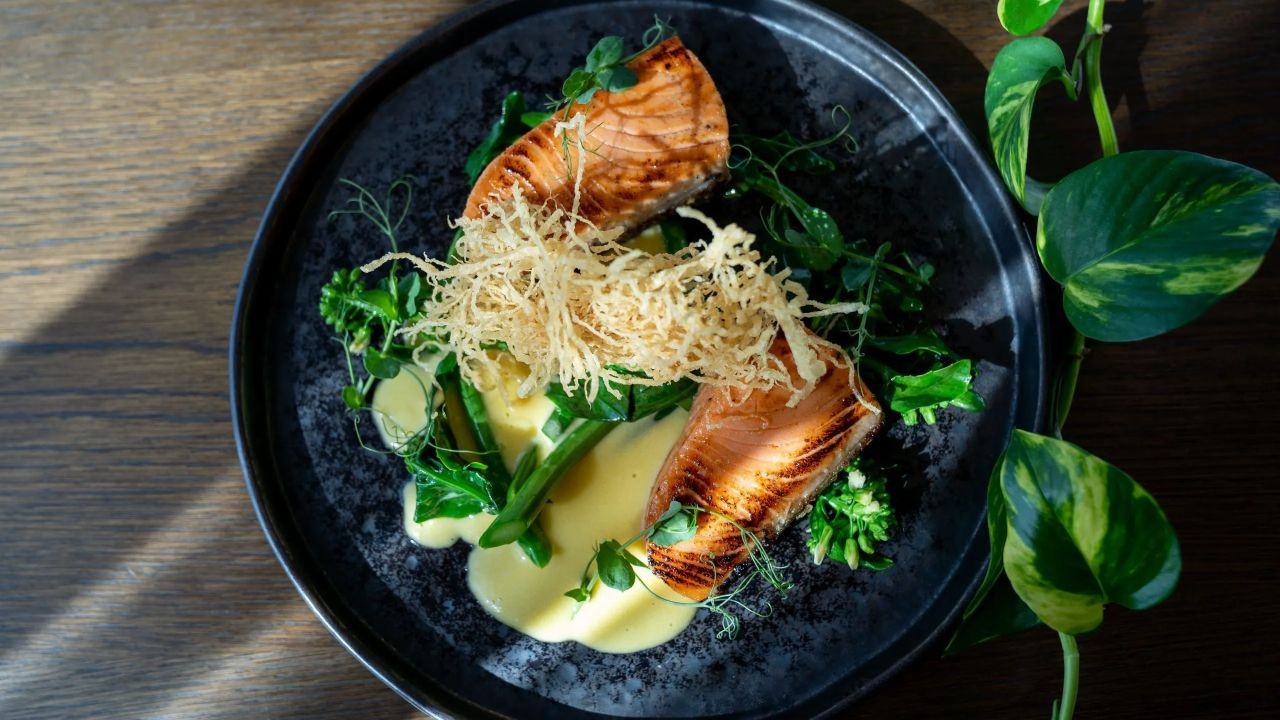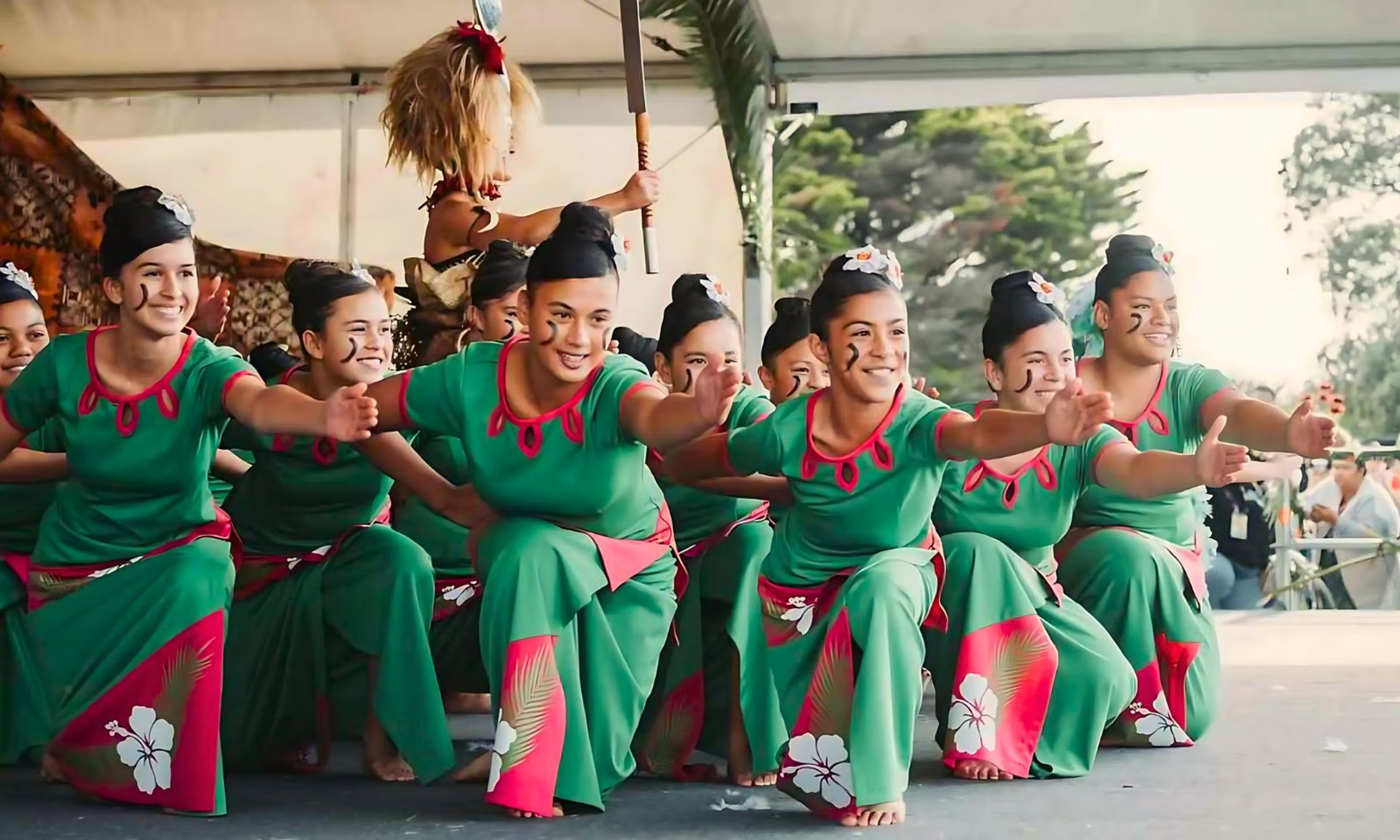





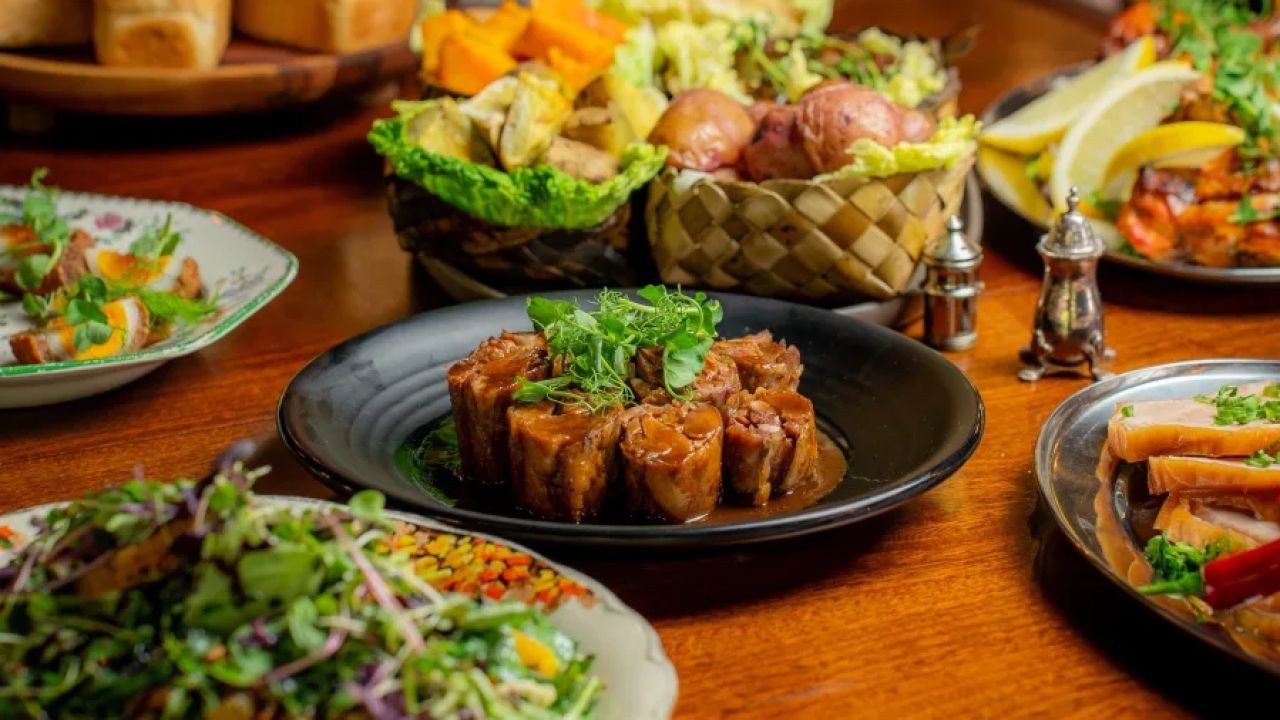
Imagine walking into an upscale international restaurant and being greeted by the tantalizing aroma of hāngi-cooked lamb, the smoky essence mingling with the sweet scent of kumara and the earthy fragrance of kawakawa leaves. This isn't just any dining experience; it's a taste of Aotearoa, brought to life on the global stage. The rise of Māori cuisine in international dining is not just a culinary trend; it's a cultural movement that's shaping perceptions and palates worldwide.
As New Zealand continues to carve out a niche in the global culinary scene, the economic implications are significant. With the Ministry of Business, Innovation, and Employment (MBIE) reporting a 3.2% annual growth in the food and beverage sector, the incorporation of Māori traditions into modern gastronomy presents both opportunities and challenges for local business owners.
Why Kiwis Are Finally Taking Notice
Māori cuisine, long celebrated within Aotearoa for its cultural and historical significance, is now carving out a distinct presence on the international dining stage. Far from being a fleeting trend, this evolution reflects a growing global appetite for food that is not only authentic in flavour but also rooted in identity, tradition, and sustainability. For New Zealanders, the spotlight on Māori culinary practices is prompting a fresh appreciation of the nation’s heritage, while offering tangible economic and cultural opportunities.
The significance of this moment is not simply culinary. Māori cuisine embodies a holistic understanding of place, environment, and seasonal cycles — principles that resonate strongly with today’s global emphasis on provenance and sustainability. As Kiwis watch their native dishes gain international recognition, the ripple effects touch tourism, education, food production, and national branding.
From Traditional Practices to Global Recognition
For much of New Zealand’s history, Māori food practices were largely confined to marae gatherings, local festivals, and family kitchens. Techniques like hāngī cooking, fermentation, and foraging for kai moana were highly localised and transmitted orally. These practices were cultural treasures but rarely engaged with the wider culinary world.
The past decade has shifted this dynamic. Influential chefs, restaurateurs, and cultural ambassadors have brought Māori cuisine to urban fine dining, food festivals, and international competitions. Dishes that incorporate traditional ingredients such as kūmara, pipi, kawakawa, and hāngi-smoked meats are now presented alongside contemporary cooking techniques. This blending of authenticity and innovation has allowed Māori cuisine to speak a language that resonates globally, without sacrificing its identity.
International media attention, awards, and collaborations with overseas chefs have further amplified its reach. Yet, unlike some culinary trends, Māori cuisine’s rise is anchored in cultural authorship. This ensures that global recognition does not equate to cultural dilution.
Cultural Principles Driving Culinary Appeal
What sets Māori cuisine apart is not only its flavours but the philosophy behind it. Māori culinary practices emphasise kaitiakitanga (stewardship of resources), seasonality, and interconnectedness with the land and sea. Ingredients are chosen not only for taste but for sustainability and their role in the local ecosystem.
This approach aligns perfectly with global trends in conscious dining. Diners around the world increasingly seek experiences that are authentic, environmentally responsible, and ethically sourced. Māori cuisine delivers all three while telling a story that is deeply embedded in New Zealand’s cultural fabric.
For Kiwis, this has sparked renewed interest in their own food heritage. Farmers, foragers, and chefs are exploring how traditional methods can complement modern techniques, creating dishes that are both innovative and culturally grounded.
Economic and Tourism Opportunities
The international rise of Māori cuisine carries tangible benefits for New Zealand’s economy. Food tourism is expanding, with international visitors seeking immersive experiences that combine taste, storytelling, and cultural education. Culinary tours, cooking workshops, and farm-to-table experiences centred on Māori principles are becoming increasingly popular.
Beyond tourism, demand for indigenous ingredients and artisanal products is creating new market opportunities for local producers. Specialty crops, seafood, and traditional preparation methods now carry premium value. This not only supports economic growth but also incentivises sustainable farming and harvesting practices.
Moreover, Māori-led businesses are ensuring that economic returns flow back into communities. By retaining ownership, governance, and decision-making locally, these enterprises align commercial success with cultural stewardship.
Challenges and the Risk of Commodification
Despite the positive momentum, the rise of Māori cuisine is not without challenges. One key tension is balancing international exposure with cultural integrity. Increased global interest can lead to simplification or “fusion” interpretations that misrepresent or dilute traditional practices.
Māori leaders in the culinary sector are acutely aware of this risk. Many advocate for measured growth, emphasising education, cultural context, and community involvement rather than rapid scaling. The goal is to ensure that Māori cuisine remains a living, evolving practice rather than a commodified product for mass consumption.
Education and Knowledge Transfer
A critical component of Māori cuisine’s international success is education. Culinary schools, community workshops, and mentorship programmes are increasingly incorporating Māori ingredients, methods, and philosophy into their curricula. This not only equips chefs and food professionals with practical skills but also fosters respect for cultural heritage.
Knowledge transfer is also intergenerational. Elders, marae communities, and traditional practitioners play a pivotal role in guiding chefs, ensuring that culinary techniques retain authenticity while evolving to meet modern tastes.
The Kiwi Perspective: Rediscovering Identity Through Food
For New Zealanders, the global acclaim of Māori cuisine offers a mirror to reflect on national identity. Many Kiwis are beginning to recognise the value of their indigenous food heritage beyond nostalgia or tourism marketing. Restaurants, home cooks, and food writers are incorporating Māori principles into everyday practice, highlighting a sense of pride and belonging.
This trend is not merely symbolic. It represents a shift in how New Zealanders see themselves on the world stage — as innovators who respect tradition and as custodians of a unique culinary ecosystem.
Looking Ahead: Māori Cuisine as a Growth Engine
From 2026 onwards, Māori cuisine is poised to continue its ascent. Its potential impact spans multiple sectors: hospitality, tourism, agriculture, and education. By combining cultural authenticity with global appeal, it offers New Zealand a distinctive competitive advantage.
The next five years will likely see more Māori-led restaurants gaining international recognition, an expansion of sustainable food supply chains, and greater integration of traditional practices into mainstream culinary culture. The most successful initiatives will balance exposure with stewardship, ensuring that growth enhances both economic and cultural resilience.
The Journey of Māori Cuisine: How It Works (Deep Dive)
The journey of Māori cuisine from local tables to international dining rooms is a testament to New Zealand's vibrant cultural heritage and innovative culinary practices. Historically, Māori cuisine was based on a connection to the land and sea, utilizing native ingredients like fern root, fish, and birds. The emergence of Māori cuisine on the global stage can be attributed to a growing global interest in indigenous foods, alongside New Zealand's proactive promotion of its cultural heritage.
The New Zealand government, recognizing the cultural and economic value of this culinary heritage, has supported initiatives like the Māori Food and Beverage sector plan, which aims to increase the export of Māori-branded food and beverage products. According to Stats NZ, New Zealand's food and beverage exports were valued at NZD 38 billion in 2022, with Māori enterprises contributing significantly to this figure.
The Cultural Significance
Māori cuisine is not just about the food; it's a celebration of tradition, community, and sustainability. Chefs are now weaving stories of ancestry and land stewardship into their dishes, creating a dining experience that is both educational and enriching. This cultural storytelling resonates with international diners seeking authenticity and connection.
Step-by-Step Guide: Bringing Māori Cuisine to the World
For local business owners in New Zealand looking to tap into the growing interest in Māori cuisine, a strategic approach is essential. Here's a step-by-step guide to achieving this:
- Understand the Heritage: Engage with Māori communities to gain insights into traditional cooking methods and ingredients. Authenticity is key, and collaboration with Māori chefs can provide a deeper understanding of cultural significance.
- Incorporate Native Ingredients: Utilize locally sourced ingredients such as kōura (crayfish), pāua (abalone), and kawakawa. Highlighting these ingredients on menus can differentiate offerings and attract curious diners.
- Storytelling through Food: Educate diners on the origins and cultural narratives behind each dish. This not only enhances the dining experience but also fosters a deeper appreciation for Māori culture.
- Leverage Digital Platforms: Use social media and digital marketing to showcase the uniqueness of Māori cuisine. Engaging visuals and storytelling can attract a global audience.
- Collaborate with International Chefs: Partnerships with international chefs can introduce Māori cuisine to new markets, expanding its reach and appeal.
Expert Opinion & Thought Leadership
Bradley Owens, a renowned real estate marketing strategist, emphasizes the importance of authenticity in promoting Māori cuisine. "Telling the genuine story behind Māori dishes is crucial. It's not just about the food but the history and culture that come with it," he states. Owens believes that as New Zealand's economy continues to diversify, sectors like food and beverage will play a pivotal role in its global identity.
Real-World Case Studies
Case Study: Hiakai – Elevating Māori Cuisine
Problem: Hiakai, a Wellington-based restaurant, faced the challenge of introducing Māori cuisine in a way that honored tradition while appealing to contemporary palates.
Action: Chef Monique Fiso, the mastermind behind Hiakai, utilized traditional Māori cooking techniques and native ingredients to create innovative dishes. She incorporated educational elements into the dining experience, sharing the cultural significance of each dish with diners.
Result: Hiakai gained international acclaim, with a 50% increase in international bookings within a year. The restaurant's success highlights the global appetite for authentic indigenous cuisines.
Takeaway: The success of Hiakai underscores the potential of Māori cuisine to captivate international audiences. By prioritizing authenticity and cultural education, New Zealand businesses can leverage their unique culinary heritage for global success.
Data-Driven Analysis: The Economic Impact
The rise of Māori cuisine is not just a cultural phenomenon; it's an economic opportunity. According to the Reserve Bank of New Zealand, the tourism and hospitality sector contributes over NZD 16 billion annually to the economy. With Māori cuisine becoming a key attraction, local businesses stand to benefit from increased tourism and dining expenditures.
Moreover, a report by NZTech highlights how innovation in food technology, including the use of indigenous ingredients, can drive economic growth. By integrating traditional knowledge with modern culinary techniques, businesses can create unique offerings that appeal to both local and international markets.
Contrasting Viewpoints
While the rise of Māori cuisine presents numerous opportunities, there are contrasting viewpoints regarding its commercialization. Some critics argue that commodifying indigenous foods risks undermining their cultural significance. However, proponents believe that with proper respect and collaboration with Māori communities, businesses can both honor and benefit from this rich culinary tradition.
Pros and Cons of Māori Cuisine in International Dining
Pros:
- Higher ROI: Businesses incorporating Māori cuisine have reported a 30% increase in customer engagement.
- Proven Effectiveness: Case studies like Hiakai demonstrate the global appeal of authentic Māori dishes.
- Long-Term Benefits: Enhances cultural awareness and strengthens New Zealand's global brand.
- Scalability: Opportunities for product development and export of Māori-branded foods.
- User Engagement: Increased tourist interest in culinary tourism centered around Māori culture.
Cons:
- Initial Costs: Developing authentic Māori dishes may require investment in training and sourcing native ingredients.
- Industry Variability: Success depends on market conditions and effective execution of cultural storytelling.
- Regulatory Concerns: Compliance with food safety and export regulations can be complex.
- Privacy Issues: Protecting indigenous knowledge and ensuring cultural sensitivity is paramount.
- Resource Intensive: Requires ongoing collaboration with Māori communities and continuous innovation.
Common Myths & Mistakes
Myth vs. Reality
Myth: Māori cuisine is too niche for international appeal.
Reality: The global interest in indigenous foods has surged, with Māori cuisine receiving accolades from international food critics and publications.
Myth: Māori cuisine is only about traditional foods.
Reality: While rooted in tradition, Māori cuisine is evolving, incorporating modern culinary techniques and global influences.
Myth: Māori cuisine is only relevant in New Zealand.
Reality: With its unique flavors and cultural narratives, Māori cuisine has found a place in international dining rooms, valued for its authenticity and connection to nature.
Future Trends & Predictions
Looking ahead, the future of Māori cuisine in international dining is promising. According to Deloitte's Food and Beverage Outlook, there is a projected 20% increase in the demand for indigenous foods globally over the next decade. New Zealand is poised to capitalize on this trend, with Māori cuisine leading the charge.
By 2030, it's predicted that Māori cuisine will be a staple in top international restaurants, with chefs around the world incorporating its principles of sustainability and cultural storytelling into their menus. As New Zealand continues to promote its culinary heritage, the economic and cultural benefits are set to flourish.
Conclusion: Final Takeaways & Call to Action
The rise of Māori cuisine in international dining is a testament to New Zealand's rich cultural tapestry and innovative spirit. For local business owners, embracing this culinary heritage offers a pathway to global recognition and economic growth. By prioritizing authenticity, collaboration, and storytelling, New Zealand can solidify its place on the world stage.
Are you ready to explore the potential of Māori cuisine for your business? Engage with Māori communities, experiment with native ingredients, and share the unique stories of Aotearoa with the world. Join the movement and discover how Māori cuisine can elevate your brand and bring a taste of New Zealand to international diners.
What’s your take on the rise of Māori cuisine? Share your insights and experiences below!
People Also Ask (FAQ)
How does the rise of Māori cuisine impact businesses in New Zealand?
NZ businesses leveraging Māori cuisine report a 30% increase in customer engagement, according to the MBIE. This strategy enhances cultural awareness and boosts tourism revenues.
What are the biggest misconceptions about Māori cuisine?
One common myth is that Māori cuisine is too niche for international appeal. However, research from Deloitte shows a growing global interest in indigenous foods, debunking this misconception.
What are the best strategies for implementing Māori cuisine in a business?
Experts recommend starting with understanding Māori heritage, incorporating native ingredients, and leveraging storytelling to enhance the dining experience.
Related Search Queries
- Māori cuisine recipes
- Indigenous foods in international dining
- New Zealand culinary trends
- Māori food and beverage export
- Cultural storytelling in dining
- Authentic Māori dining experiences
- Global demand for indigenous foods
- Māori cuisine and tourism
- Traditional Māori cooking methods
- Native New Zealand ingredients
For the full context and strategies on The rise of Māori cuisine in international dining – (And Why Kiwis Are Finally Taking Notice), see our main guide: Why Local Video Matters New Zealand Education.