




In the ever-evolving landscape of global sports, the allocation and development of Olympic venues have become a matter of both pride and controversy. Recently, a particularly contentious issue has emerged from the banks of the proposed Olympic canoe venue in Australia. With local councillors and residents raising eyebrows over the site's apparent lack of water, the debate underscores broader questions about resource allocation, environmental considerations, and economic impacts. This article takes a historical perspective to explore how past events have influenced current trends, offering insights into the cultural and economic implications for Australia.
The Historical Context of Olympic Venue Developments
Olympic venues have historically been a double-edged sword. On one hand, they offer the host city a chance to showcase their culture and infrastructure on a global stage, potentially boosting tourism and local pride. On the other hand, these developments often come with significant environmental and economic costs. The infamous case of the 2004 Athens Olympics, where venues later fell into disrepair due to lack of planning and financial oversight, serves as a cautionary tale. Australia, having hosted successful Olympics in the past, must navigate these waters carefully.
The Economic Impact on Australia
Australia's economy, marked by robust sectors such as mining and agriculture, faces unique challenges and opportunities with such developments. According to the Reserve Bank of Australia (RBA), the country is expected to see moderate economic growth, with potential fluctuations due to global economic pressures. The development of an Olympic canoe venue, therefore, becomes a microcosm of larger economic discussions. The Australian Bureau of Statistics (ABS) indicates that the infrastructure sector could see a temporary boost, but the long-term benefits remain uncertain.
Environmental Concerns and Policy Implications
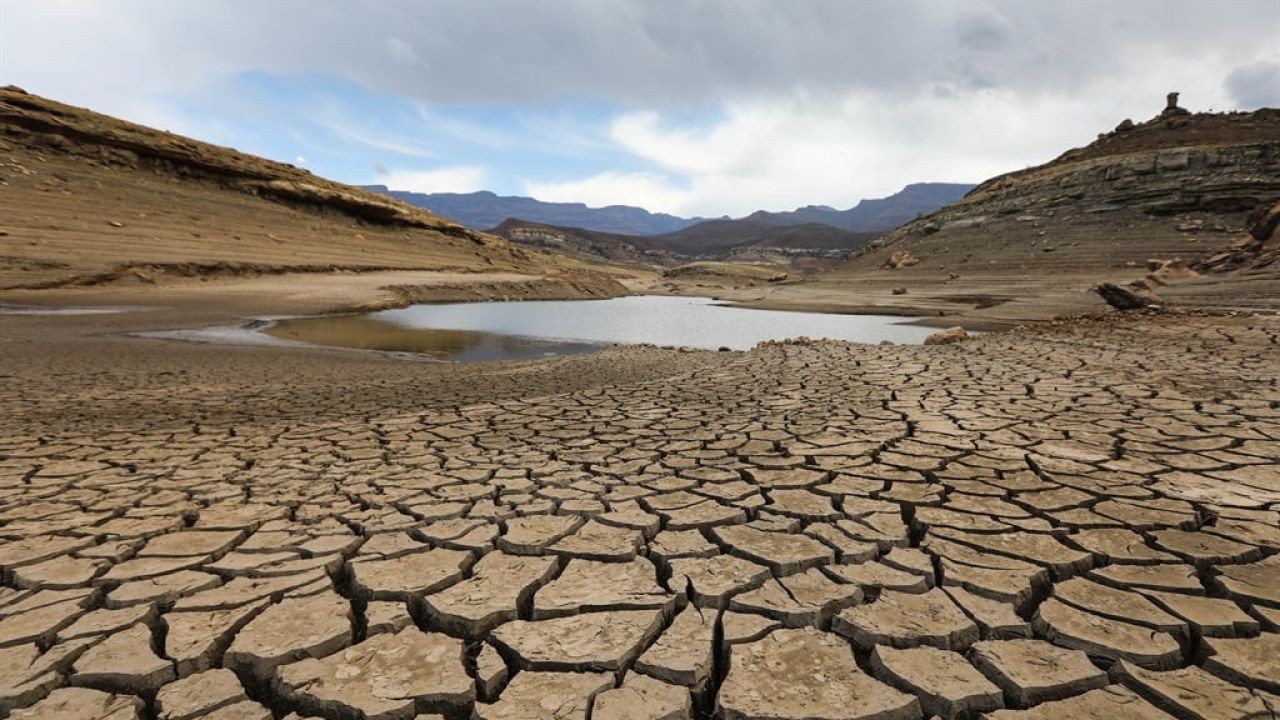
The absence of water at the proposed venue raises significant environmental concerns. In a country already grappling with the effects of climate change, water management is a critical issue. The Australian Competition & Consumer Commission (ACCC) has highlighted the need for sustainable practices in large-scale projects. The construction of an artificial water body could exacerbate local water shortages, impacting both the environment and local communities.
Case Study: The Sydney 2000 Olympics
The Sydney 2000 Olympics is often cited as a benchmark for sustainable Olympic planning. With an emphasis on environmental responsibility, the event successfully integrated green practices into its development. The Homebush Bay area, once an industrial wasteland, was transformed into a vibrant ecological hub. This case study highlights the potential for sustainable development, offering a blueprint for future projects like the canoe venue.
- Problem: Sydney faced environmental degradation and public skepticism.
- Action: Implemented sustainable development practices, including water recycling and habitat restoration.
- Result: The area became a thriving ecological and recreational site post-Olympics.
- Takeaway: Sustainable practices in Olympic venues can yield long-term environmental and community benefits.
Common Myths and Misconceptions
- Myth: Hosting the Olympics always results in economic gain.
Reality: Many host cities face long-term financial burdens due to maintenance and underutilization of venues.
- Myth: All Olympic venues are environmentally harmful.
Reality: With proper planning, venues can enhance local ecology, as seen in the Sydney 2000 Games.
- Myth: Local communities always benefit from new venues.
Reality: Without community engagement and planning, venues can become isolated and underused.
Biggest Mistakes to Avoid
- Ignoring Community Input: Local opposition can derail projects. Solution: Engage communities early in the planning process.
- Overestimating Economic Benefits: Not all projections come to fruition. Solution: Develop realistic, data-backed economic models.
- Neglecting Environmental Impact: Short-term gains can lead to long-term damage. Solution: Implement sustainable practices from the outset.
Future Trends and Predictions
Looking ahead, the landscape of Olympic venue development is poised for change. With increasing awareness of environmental sustainability, future venues may prioritize eco-friendly designs and community integration. The Australian government, according to recent Treasury reports, is likely to implement stricter regulations on such projects, ensuring that they align with national sustainability goals.
Conclusion
The debate over the Olympic canoe venue in Australia highlights broader cultural, economic, and environmental issues. As history shows, the success of such projects hinges on careful planning, community engagement, and sustainable practices. For Australia, the challenge lies in balancing these elements to ensure that the venue becomes a source of pride rather than controversy. What are your thoughts on this issue? Share your insights below!
People Also Ask (FAQ)
- How does the lack of water at the venue impact Australia's economy? The lack of water could lead to increased costs and environmental challenges, affecting local economies reliant on sustainable practices.
- What are the biggest misconceptions about Olympic venue developments? A common myth is that all venues are economically beneficial, but many face long-term financial challenges.
- What are the best strategies for implementing sustainable Olympic venues? Experts recommend starting with community engagement, incorporating sustainable designs, and ensuring long-term viability.
Related Search Queries
- Australian Olympic venue controversies
- Impact of Olympics on local economies
- Sustainable practices in sports venues
- History of Olympic venues in Australia
- Future of Olympic sites post-Games