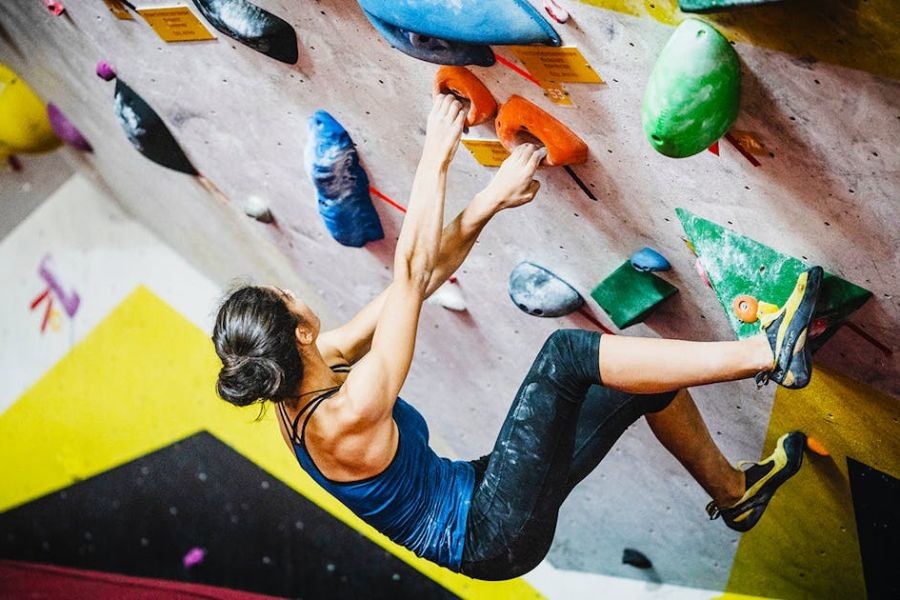






Rock climbing, a sport that combines physical strength, mental focus, and strategic planning, has gained significant popularity in Australia. As climbers seek to master their craft, they often adopt various techniques to enhance their performance. One such technique is taping fingers, a practice that, while seemingly simple, plays a crucial role in a climber's grip and overall climbing success. This article delves into the reasons why climbers tape their fingers, how this impacts their grip, and the broader implications within the Australian context.
Why finger taping has become so visible in Australian climbing
Walk into any climbing gym in Sydney, Melbourne, or Brisbane, or head out to outdoor crags like the Grampians, Arapiles, or Nowra, and you will see it immediately. White or flesh-coloured tape wrapped around fingers, knuckles, and joints has become almost as recognisable as chalk bags and climbing shoes.
To outsiders, finger tape looks like a grip enhancer or even a badge of toughness. Among climbers, opinions are sharply divided. Some swear by it, others avoid it entirely, and many use it incorrectly. The truth is that finger taping is neither a shortcut to strength nor a universal necessity. Its real purpose, and its real effect on grip, are far more nuanced.
In Australia, where climbing participation has surged through indoor gyms and Olympic exposure, misunderstanding around taping has grown just as fast as the sport itself. Knowing why climbers tape their fingers requires understanding how fingers fail, how grip actually works, and where taping genuinely helps versus where it quietly holds people back.
How finger injuries actually happen in climbing
Rock climbing places extreme, repeated loads on small connective tissues. The most common injuries are not cuts or blisters, but damage to pulleys, tendons, and skin.
Finger pulleys are small ligament-like structures that hold tendons close to the bone. When climbers load a crimp grip, especially on small holds, these pulleys experience enormous stress. A sudden load, poor technique, or accumulated fatigue can cause strains or tears.
Skin breakdown is the other major issue. Australian rock, particularly sandstone and quartzite, is abrasive. Long sessions or dry conditions can shred skin quickly, exposing sensitive layers underneath and limiting performance long before muscles are exhausted.
Taping exists primarily as a response to these two vulnerabilities, not as a way to increase raw grip strength.
What taping actually does for grip
One of the most persistent myths is that taping improves grip by making fingers stronger or stickier. In reality, tape does not increase friction between skin and rock. In many cases, it slightly reduces it.
What tape can do is alter how force is distributed through the finger. When applied around a joint or pulley, tape provides a mild external support that limits extreme joint movement. This can reduce pain and prevent further aggravation of a minor injury.
For skin, tape acts as a barrier. It allows climbers to continue climbing when skin is split or thin, though often with reduced tactile feedback. Experienced climbers accept this trade-off strategically, particularly during long outdoor days where stopping entirely would end the session.
Grip, then, is not enhanced directly. Instead, taping allows climbers to maintain usable grip for longer by managing pain, injury risk, or skin failure.
Why Australian climbers tape differently outdoors and indoors
In Australian gyms, finger taping is often seen among newer climbers who are still adapting to plastic holds and repetitive movements. Gym routes frequently emphasise powerful, uniform grips that can overload fingers quickly. Taping here is often reactive, applied after soreness appears.
Outdoors, taping is more targeted. Climbers familiar with specific routes may tape known problem fingers in advance, particularly if a move requires repeated crimping on sharp edges. In places like Mount Arapiles, where multi-pitch routes demand endurance over many hours, tape becomes a tool for longevity rather than strength.
This distinction matters. Gym climbers sometimes rely on tape as a substitute for rest, technique improvement, or progressive loading. Outdoor climbers tend to treat tape as a last-resort protective measure, not a performance enhancer.
The hidden downside of over-taping
Australian physiotherapists and climbing coaches increasingly warn that habitual taping can mask problems rather than solve them. Tape can dull pain signals that would otherwise encourage rest or technique correction.
When climbers tape pre-emptively without injury, they may overload structures that have not yet adapted. Over time, this can increase the risk of more serious pulley injuries, particularly when combined with aggressive training schedules common in urban gyms.
There is also a subtle technical cost. Tape reduces sensitivity. On delicate slabs or textured rock, that loss of feedback can actually reduce grip efficiency, forcing climbers to squeeze harder and fatigue faster.
The untold truth is that tape often shifts stress elsewhere rather than removing it. Used without understanding, it can delay recovery and create long-term issues.
When taping is genuinely beneficial
Despite the risks, finger taping has legitimate uses when applied deliberately.
For minor pulley strains, tape can provide enough support to allow light climbing while healing, provided load is carefully managed. For skin splits, tape can prevent reopening wounds that would otherwise make climbing impossible.
In Australia’s dry climates, particularly during winter climbing seasons, skin management becomes critical. Taping specific spots can allow climbers to finish sessions without destroying their fingers completely.
The key is intent. Taping works best as a temporary adaptation tool, not a permanent crutch.
Technique matters more than tape
One reason taping is so misunderstood is that climbers often confuse finger strength with grip effectiveness. Grip is as much about body position, footwork, and load distribution as it is about finger force.
Australian climbing coaches consistently emphasise that better technique reduces finger strain far more effectively than tape ever could. Learning to engage feet, use open-handed grips, and avoid over-crimping has a larger impact on injury prevention and performance than any taping method.
Tape cannot compensate for poor movement patterns. At best, it buys time. At worst, it encourages habits that lead to injury.
Cultural signalling and the rise of taping aesthetics
There is also a cultural layer to taping that rarely gets discussed. In gyms and on social media, taped fingers can signal seriousness or experience. This visual shorthand has contributed to overuse, particularly among newer climbers eager to look the part.
In Australia’s tight-knit climbing community, where gyms double as social spaces, these signals matter more than people admit. The risk is that taping becomes performative rather than functional.
Experienced climbers often climb untaped unless there is a clear reason. That restraint is part of the knowledge gap between appearance and practice.
What Australian climbers should take away
Finger taping is not a grip hack. It does not make fingers stronger, nor does it meaningfully increase friction. Its real value lies in managing injury risk and skin durability when used sparingly and with intention.
For Australian climbers, especially those entering the sport through gyms, the most important investments remain gradual training, good technique, and adequate rest. Tape has a place, but it is a supporting actor, not the main character.
Understanding the Necessity of Finger Taping in Rock Climbing
The practice of finger taping among rock climbers is not merely a superficial trend but a necessity rooted in both safety and performance enhancement. Climbers face the constant challenge of maintaining grip on rugged surfaces, where the risk of injury to fingers is high. Taping provides an additional layer of protection against cuts, abrasions, and strain injuries, which are common due to the repetitive and intensive nature of climbing.
Step-by-Step Guide to Finger Taping
- Select the Right Tape: Use athletic tape specifically designed for rock climbing. It should be durable and flexible, ensuring it doesn't hinder finger movement.
- Start with a Base Layer: Begin by wrapping a base layer around the knuckle, ensuring it is snug but not too tight, to maintain blood circulation.
- Wrap the Joint: Cross the tape over the joint in a figure-eight pattern. This provides support and prevents hyperextension.
- Ensure Coverage: Cover any exposed skin to prevent tears and blisters, particularly in high-contact areas.
- Check Flexibility: Flex and extend your fingers to ensure the tape doesn't restrict movement.
By following these steps, climbers can achieve a balance between protection and flexibility, essential for effective climbing performance. According to Australian Climbing Association, proper taping can reduce finger injuries by up to 40%, emphasizing its crucial role in injury prevention.
How Taping Affects Grip and Climbing Performance
Finger taping does more than just protect; it significantly influences grip strength and endurance. The tactile feedback from fingers is essential for climbers to sense and adapt to holds. Taping, when done correctly, enhances grip by providing additional friction and stability, allowing climbers to hold on longer and more securely.
Pros and Cons of Finger Taping
- Pros:
- Enhanced Grip: Taping provides a better hold on challenging surfaces.
- Injury Prevention: Protects against strains and abrasions.
- Increased Endurance: Allows longer climbing sessions without discomfort.
- Cons:
- Reduced Sensation: Excessive taping may dampen tactile feedback.
- Restricted Movement: Improper taping can limit finger flexibility.
- Time-Consuming: Requires practice to tape effectively and quickly.
Understanding these pros and cons helps climbers make informed decisions about when and how to tape their fingers for optimal climbing outcomes.
Case Study: The Role of Taping in Australian Climbing Competitions
In the competitive climbing circuit in Australia, finger taping has become a strategic tool. For instance, during the 2023 Australian National Climbing Championships, many elite climbers attributed their performance to effective finger taping techniques. Competitor James Whitlock noted, "Taping my fingers gave me the confidence to push harder on holds without fear of injury, significantly boosting my performance."
This case highlights the importance of finger taping not just for injury prevention but also as a performance enhancer in competitive contexts.
Regulatory Insights and Safety Standards
The Australian Competition & Consumer Commission (ACCC) emphasizes the importance of safety in sporting activities, including rock climbing. While there are no specific regulations on finger taping, the ACCC supports best practices that ensure safety and performance, aligning with the broader regulatory framework for sports safety in Australia.
Common Myths About Finger Taping
- Myth: Taping is only for injuries. Reality: While taping aids in injury prevention and recovery, it is also used to enhance grip and performance.
- Myth: All tapes are the same. Reality: Different tapes offer varying levels of flexibility and durability; choosing the right type is crucial for effectiveness.
- Myth: Taping reduces finger strength. Reality: When applied correctly, taping provides support without sacrificing strength.
By debunking these myths, climbers can better understand the strategic use of taping beyond mere injury prevention.
Future Trends in Rock Climbing and Finger Taping Practices
As rock climbing continues to grow in popularity in Australia, advancements in materials and techniques are expected to enhance the effectiveness of finger taping. Innovations in tape technology, such as breathable, stretchable materials, are anticipated to offer improved comfort and performance. Moreover, the integration of smart technology in taping, providing real-time feedback on pressure and grip, could revolutionize how climbers approach this practice.
According to a report by the Australian Sports Commission, the climbing industry is projected to see a 25% growth in participation by 2026, driven in part by increased awareness of safety practices, including finger taping.
Conclusion
Finger taping is an essential practice for rock climbers, serving both protective and performance-enhancing roles. Through careful application and understanding of its benefits and limitations, climbers can significantly improve their grip and reduce the risk of injury. As the sport evolves, so too will the techniques and technologies associated with finger taping, promising safer and more effective climbing experiences.
The reason climbers tape their fingers has less to do with grip than with survival, longevity, and damage control. Tape allows climbers to manage the realities of repetitive strain and abrasive rock, but it cannot override biology or physics.
The untold truth is that the strongest, most durable climbers are often the ones who need tape the least. They rely on movement efficiency, patience, and adaptation rather than external support.
In Australia’s growing climbing scene, understanding this distinction matters. Used wisely, tape can extend a session or protect a healing finger. Used blindly, it can delay progress and invite injury.
Grip, in the end, comes from how you climb, not what you wrap around your fingers.
For climbers in Australia, embracing these practices not only aligns with safety standards but also enhances competitive performance, ensuring a bright future for the sport. What are your thoughts on the impact of finger taping in rock climbing? Share your insights and experiences below!
People Also Ask
- How does finger taping enhance climbing performance? Finger taping enhances climbing performance by providing additional grip and protection against injuries, allowing climbers to hold on longer and with greater security.
- What are the best practices for finger taping in rock climbing? Best practices include using athletic tape, wrapping in a figure-eight pattern, ensuring coverage without restricting movement, and choosing the right tape for flexibility and durability.
Related Search Queries
- Benefits of finger taping for climbers
- Rock climbing safety equipment Australia
- Performance-enhancing techniques in rock climbing
- Injury prevention strategies for climbers
- Advanced climbing techniques
- Rock climbing competitions in Australia
- Climbing grip enhancement methods
- Future trends in rock climbing gear
- Australian climbing sports regulations
- Smart technology in sports equipment
For the full context and strategies on Why Rock Climbers Tape Their Fingers – And How It Affects Grip – The Untold Truth Every Aussie Must Hear, see our main guide: Smart Home Automation Videos Australia.