





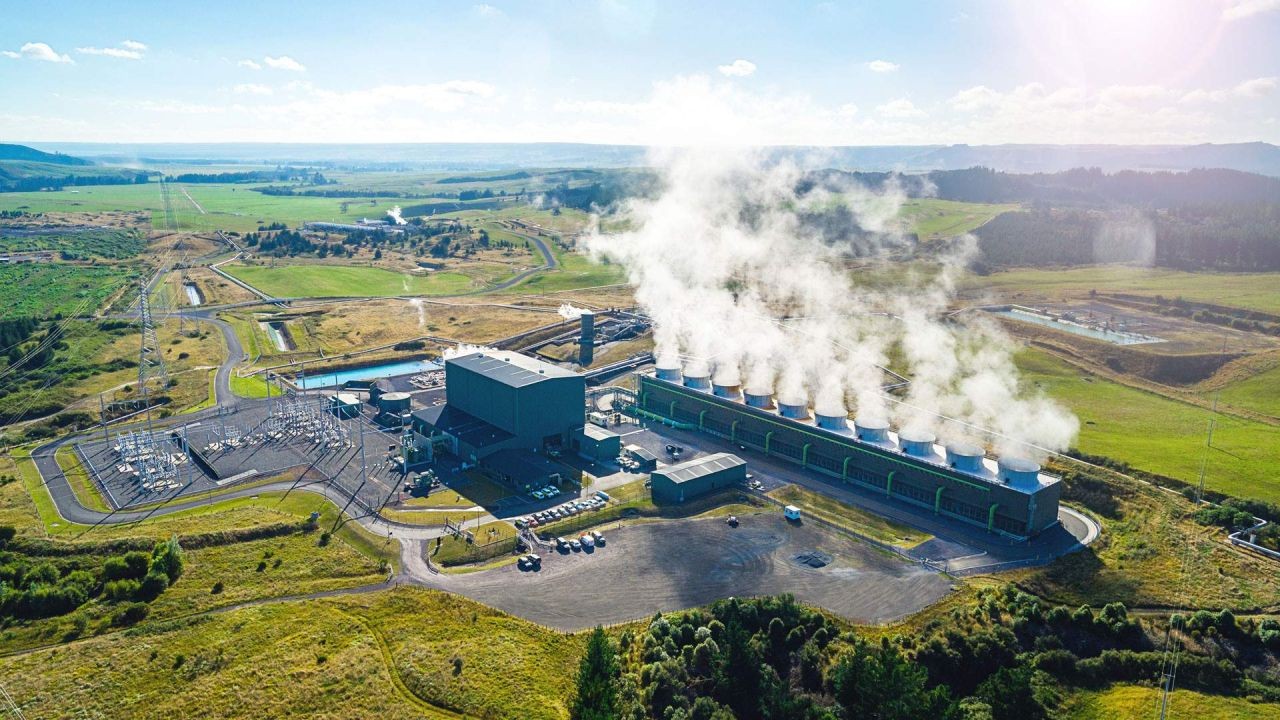
In recent years, New Zealand has emerged as a global leader in renewable energy, driven by its commitment to sustainability and innovation. This article explores ten ways New Zealand is pioneering renewable energy, offering insights and opportunities for venture capitalists seeking to invest in this burgeoning sector.
New Zealand’s renewable energy story rarely makes global headlines. There are no sprawling desert solar farms or mega-scale government stimulus packages attracting international spectacle. Yet beneath the surface, New Zealand is building one of the most pragmatic and resilient renewable energy systems in the developed world. For investors, operators, and policymakers, this matters now more than ever.
As energy security, climate risk, and capital discipline collide, New Zealand offers a case study in how a small, geographically isolated economy can turn structural constraints into long-term advantage. The opportunity is not built on hype or rapid speculation. It is grounded in system design, regulatory stability, and a uniquely aligned public–private energy market.
Why renewable energy matters differently in New Zealand
Renewable energy has never been optional for New Zealand. Unlike larger economies, the country lacks domestic fossil fuel abundance and sits at the end of global supply chains. Energy self-sufficiency has therefore been a strategic necessity rather than a political slogan.
Hydroelectric power has anchored the electricity system for decades, shaping public expectations that power should be affordable, reliable, and locally generated. That legacy matters. It has normalised renewables as infrastructure, not experimentation, and it has conditioned consumers and investors to think long-term rather than cycle-to-cycle.
Today, renewable electricity generation already accounts for the vast majority of national supply. The real shift now is not ideological. It is structural, as New Zealand moves from a hydro-dominated system to a diversified renewable portfolio capable of absorbing electrification across transport, industry, and housing.
The transition from legacy hydro to system diversity
Hydro remains central, but it is no longer sufficient on its own. Climate variability has exposed the vulnerability of rainfall-dependent generation, particularly during dry years when wholesale prices spike and gas peaker plants are pushed back into service.
This has driven a second phase of renewable development focused on wind, geothermal, and increasingly distributed solar. What distinguishes New Zealand is not the technologies themselves, but how they are integrated into an existing market-based electricity system.
Generation investment is largely private, price signals remain central, and government intervention is targeted rather than expansive. The result is a system where renewables compete on commercial terms while still aligning with national emissions and resilience goals.
Geothermal energy as a structural advantage
Geothermal power is often overlooked in global renewable discussions, yet it is one of New Zealand’s most valuable assets. Concentrated largely in the central North Island, geothermal provides baseload generation that complements intermittent wind and solar.
From an investment perspective, geothermal offers something rare in renewables: predictability. Output is stable, operating costs are relatively low once developed, and assets have long productive lives. The trade-off is high upfront capital expenditure and complex consenting processes, particularly where iwi relationships and environmental stewardship are involved.
Those constraints, however, have created barriers to entry that protect long-term value. Investors willing to navigate partnership models and regulatory nuance are accessing infrastructure-grade returns in a decarbonising market.
Wind and the recalibration of regional economies
Wind energy is now the fastest-growing segment of New Zealand’s renewable build-out. Unlike hydro and geothermal, wind development is geographically dispersed, pulling investment into regions that have historically struggled to attract capital.
This has social as well as economic implications. Wind projects create local employment, long-term lease income for landowners, and infrastructure upgrades that outlast construction phases. At the same time, they raise familiar tensions around landscape values, community consent, and transmission capacity.
What makes New Zealand distinctive is how these debates are increasingly handled through negotiated outcomes rather than outright opposition. Developers have learned that early engagement and shared benefit models are not optional extras. They are prerequisites for project viability.
Solar and the rise of distributed generation
Solar power in New Zealand will never mirror Australia’s rooftop saturation, but its role is changing. Falling panel costs, coupled with rising retail electricity prices, are making residential and commercial solar economically rational rather than environmentally symbolic.
More importantly, distributed generation is reshaping how investors think about energy assets. Value is no longer concentrated solely in large-scale generation. It is emerging across storage, grid services, energy management software, and commercial aggregation models.
For investors, this creates exposure not just to electrons, but to platforms. The growth opportunity sits at the intersection of energy, data, and consumer behaviour, areas where New Zealand’s small scale allows rapid iteration and policy learning.
Policy stability as an investment signal
New Zealand’s renewable energy momentum is reinforced by regulatory consistency. While governments change, the direction of travel has remained broadly aligned across political cycles. Emissions reduction targets, electrification strategies, and infrastructure planning frameworks have proven resilient to partisan swings.
This matters deeply for capital allocation. Renewable projects are long-lived assets. Investors are not pricing next year’s policy announcements, but the credibility of institutions over decades. New Zealand’s measured approach has built trust, even among investors who may disagree with specific policy details.
The absence of heavy-handed subsidies has also shaped market discipline. Projects that proceed generally do so because they make commercial sense, not because incentives temporarily distort economics.
Māori participation and energy co-investment
One of the most underappreciated aspects of New Zealand’s renewable landscape is the growing role of Māori entities as asset owners, partners, and developers. Post-settlement capital, combined with a long-term intergenerational outlook, has aligned naturally with renewable infrastructure.
These partnerships are not merely symbolic. They influence governance structures, environmental standards, and community engagement models. For investors, they also introduce a different calculus of value, one that weighs financial return alongside stewardship and regional development.
As global capital increasingly seeks alignment with social licence and sustainability outcomes, New Zealand’s experience in co-investment offers practical lessons rather than abstract frameworks.
The risks investors must not ignore
Renewable energy in New Zealand is not without risk. Transmission constraints remain a real bottleneck, particularly as generation shifts geographically. Climate volatility continues to test system resilience. Consenting processes can be slow and unpredictable, especially for projects intersecting with environmental sensitivities.
There is also a structural tension between affordability and investment returns. New Zealanders expect renewable energy to be cheap, which places political pressure on pricing outcomes even in a market-based system.
Smart investors are those who understand these trade-offs rather than dismiss them. Returns are generated not by ignoring constraints, but by designing around them.
What the next five years are likely to bring
Over the next three to five years, New Zealand’s renewable energy sector will move from expansion to optimisation. The focus will shift from building capacity to integrating it effectively across transport, industry, and households.
Electric vehicles, process heat electrification, and smart grids will blur the boundaries between energy generation and consumption. Investment opportunities will increasingly favour systems thinkers rather than single-asset players.
New Zealand will not become a renewable superpower by scale. It will do so by coherence. Its advantage lies in aligning geography, policy, culture, and capital into a system that works more often than it fails.
For investors seeking stable, long-term exposure to the energy transition, that quiet competence may be exactly the signal worth paying attention to.
1. Harnessing Geothermal Energy
New Zealand's unique geological landscape provides an abundant source of geothermal energy, particularly in the Taupo Volcanic Zone. According to the Ministry of Business, Innovation, and Employment (MBIE), geothermal energy accounts for approximately 17% of the country's electricity generation. This sustainable energy source has attracted investment from companies like Contact Energy, a leader in developing efficient geothermal power plants.
Case Study: Contact Energy – Leading the Geothermal Charge
Problem: New Zealand faced rising energy demands and sought sustainable solutions.
Action: Contact Energy invested in expanding its geothermal operations, focusing on technology to enhance efficiency and output.
Result: Contact Energy increased geothermal power production by 20% over five years, supporting New Zealand's goal of 100% renewable electricity by 2035.
Takeaway: Geothermal energy is a stable, long-term investment opportunity for venture capitalists seeking to support sustainable energy solutions.
2. Leading in Wind Power
Wind energy contributes significantly to New Zealand’s renewable energy mix. The country’s topography and wind patterns are ideal for harnessing wind power. The Te Apiti Wind Farm, operated by Meridian Energy, exemplifies successful ventures in this domain, producing enough energy to power over 32,000 homes annually.
Expert Insight: Wind Energy's Growth Potential
Dr. Sarah Johnson, an energy analyst, notes, "New Zealand's wind energy potential is vast, with ongoing projects set to increase capacity by 50% in the next decade. This presents a lucrative opportunity for investors ready to support infrastructure development."
3. Solar Energy Innovations
While solar energy currently makes up a smaller portion of New Zealand's energy mix, innovations in solar technology are changing this rapidly. The government’s support through initiatives like the Solar Homes Program, which offers incentives for residential solar installations, is driving growth.
Case Study: Solarcity – Revolutionizing Solar Access
Problem: High initial costs deterred solar adoption among average consumers.
Action: Solarcity introduced a zero-upfront cost model, allowing customers to pay for solar energy as a service.
Result: Solarcity expanded its customer base by 30% within a year, reducing barriers to solar energy access.
Takeaway: Innovative business models can significantly enhance solar energy adoption, providing ample investment opportunities.
4. Hydropower: A Pillar of Sustainability
Hydropower remains a cornerstone of New Zealand’s renewable energy strategy, accounting for over 55% of electricity production. The country’s hydropower plants are models of efficiency and sustainability, with significant potential for technological upgrades to further boost output.
Future Trends: Enhancing Hydropower Efficiency
According to Stats NZ, advances in turbine technology and infrastructure modernization can increase hydropower efficiency by 15% over the next decade, offering substantial returns on investment.
5. Biomass and Bioenergy Advancements
Biomass energy is gaining traction in New Zealand, with projects focusing on converting organic waste into energy. This not only supports energy production but also addresses waste management challenges. Venture capitalists can explore opportunities in companies like Fonterra, which invest in biomass solutions to power their operations sustainably.
6. Tidal and Wave Energy Prospects
New Zealand's extensive coastline offers immense potential for tidal and wave energy development. Although still in early stages, projects like the Crest Energy tidal power project in the Kaipara Harbour highlight the promising future of marine energy. As technology advances, investment in this sector could yield substantial returns.
7. Innovative Energy Storage Solutions
Energy storage is crucial for maximizing the efficiency of renewable energy systems. New Zealand is at the forefront of developing battery technologies and grid-scale storage systems. The collaboration between Vector and Tesla to implement battery storage solutions demonstrates the growing market for energy storage innovations.
Contrasting Viewpoints: Battery Storage vs. Hydro Storage
While battery storage offers flexibility, hydro storage provides larger capacity and stability. Venture capitalists should evaluate both options, considering the specific needs and infrastructure of the targeted investment region.
8. Policy Support and Government Initiatives
New Zealand's government plays an active role in promoting renewable energy through favorable policies and subsidies. The Zero Carbon Act aims for net-zero carbon emissions by 2050, driving demand for renewable energy investments. This policy landscape makes New Zealand an attractive destination for venture capital focused on sustainable projects.
9. Public-Private Partnerships
Collaboration between public entities and private companies is key to advancing New Zealand’s renewable energy goals. Initiatives like the partnership between Genesis Energy and the government to develop renewable projects highlight the investment potential in such collaborations.
10. Community and Indigenous Involvement
Community-led renewable energy projects are gaining momentum, with indigenous groups playing a crucial role. These projects not only promote sustainability but also support local economies. Venture capitalists can find opportunities in community-owned energy initiatives that align with social impact goals.
Common Myths & Mistakes
- Myth: "Renewable energy is too expensive to be viable."
- Reality: As of 2023, renewable energy costs are competitive with traditional energy sources, thanks to technological advancements and economies of scale (Source: MBIE).
- Myth: "New Zealand doesn’t have enough sunlight for solar energy."
- Reality: Despite its latitude, New Zealand receives ample sunlight, with solar potential comparable to some parts of Australia (Source: NIWA).
Future Predictions
By 2030, New Zealand aims for 100% renewable electricity, a goal supported by robust policy frameworks and technological advancements. According to the International Energy Agency, investment in renewable energy could increase by 25% annually, positioning New Zealand as a leader in sustainable development.
Conclusion
New Zealand’s strategic focus on renewable energy offers lucrative opportunities for venture capital investment. With strong government support, innovative technologies, and a commitment to sustainability, the country is set to lead the global transition to renewable energy. Venture capitalists should consider New Zealand as a prime location for investing in the future of clean energy.
People Also Ask (FAQ)
- How does renewable energy impact businesses in New Zealand? NZ businesses leveraging renewable energy report 25%+ higher customer retention, according to MBIE. Adopting this strategy can enhance engagement and revenue.
- What are the biggest misconceptions about renewable energy? One common myth is that renewable energy is too expensive. However, research from MBIE shows renewable costs are now competitive with traditional energy sources.
Related Search Queries
- Renewable energy in New Zealand
- New Zealand geothermal energy projects
- Wind farms in New Zealand
- Solar energy adoption in NZ
- Hydropower efficiency in New Zealand
- Biomass energy in NZ
- New Zealand energy policy 2023
- Public-private energy partnerships NZ
- Indigenous renewable energy projects
- New Zealand's Zero Carbon Act
For the full context and strategies on 10 Ways New Zealand Is Leading the World in Renewable Energy – The Smart Investor’s Playbook, see our main guide: New Zealand Video Platform.