


25 September 2025

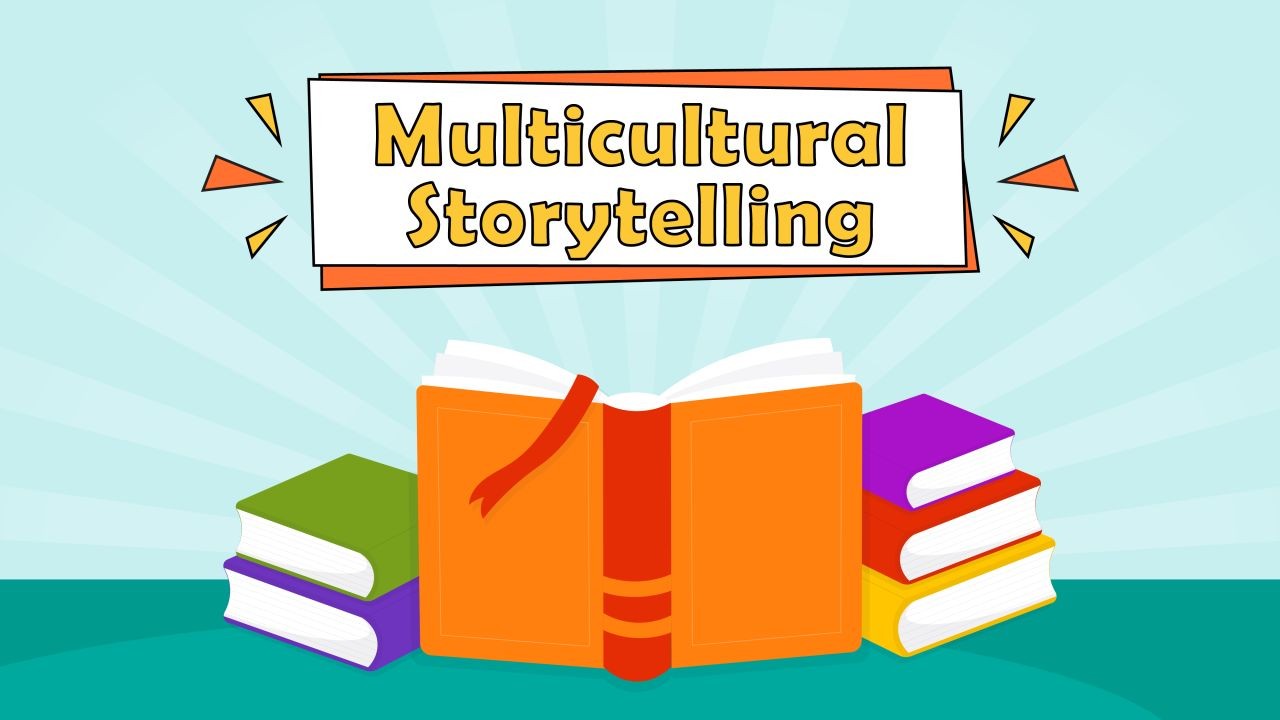
Why Multicultural Storytelling Videos Enrich NZ Early Childhood Education

Explore how multicultural storytelling videos enhance creativity, empathy, and cultural awareness in New Zealand's early childhood education.

Education & Learning

85.5K Views

80 Share

Advertisement

Advertise With Vidude


In the diverse landscape of New Zealand, where cultural richness is both celebrated and woven into the national identity, early childhood education stands to gain significantly from the integration of multicultural storytelling videos. These digital narratives not only serve as educational tools but also foster inclusivity, empathy, and global awareness among young learners. As New Zealand continues to embrace its multicultural heritage, the strategic implementation of such storytelling can have far-reaching implications for the education sector and beyond.

The Importance of Multicultural Storytelling in Early Education

Multicultural storytelling in early childhood education is not merely a supplementary educational tool; it is a necessity for fostering an inclusive learning environment. Here’s why it matters:

  • Enhancing Cultural Awareness: Early exposure to diverse cultures through storytelling helps children understand and appreciate different perspectives, fostering a sense of global citizenship.
  • Promoting Inclusivity: Incorporating stories from various cultures ensures that children from diverse backgrounds see themselves represented, which can boost self-esteem and a sense of belonging.
  • Developing Empathy: Engaging with stories from different cultures can enhance empathy by allowing children to step into the shoes of others, understanding their joys, struggles, and triumphs.

Case Study: New Zealand’s Educational Framework and Cultural Inclusion

New Zealand’s educational framework, underpinned by the Te Whāriki early childhood curriculum, emphasizes the importance of cultural responsiveness. This curriculum framework acknowledges and celebrates New Zealand’s bicultural foundation, incorporating Māori perspectives and languages. A notable case study illustrating the impact of multicultural storytelling is the integration of Māori legends and stories into the curriculum.

Problem: Historically, New Zealand’s early education system faced challenges in adequately representing Māori culture, leading to a lack of engagement among Māori students.

Action: As part of a strategic initiative, educators began integrating Māori legends and storytelling videos into the curriculum. These digital narratives were crafted in consultation with Māori elders and educators to ensure cultural authenticity and relevance.

Result: According to a study by the New Zealand Council for Educational Research, schools implementing these storytelling techniques observed a 30% increase in engagement among Māori students, alongside improved cultural understanding among non-Māori peers.

Takeaway: This case study highlights the effectiveness of integrating digital storytelling as a tool to enhance cultural engagement and understanding, serving as a model for other multicultural educational initiatives.

Pros and Cons of Multicultural Storytelling Videos

Pros:

  • Enhanced Engagement: Visual storytelling captivates young audiences, making learning more interactive and enjoyable.
  • Accessibility: Digital platforms make these stories accessible to a wider audience, including remote and rural areas.
  • Cultural Representation: Children from diverse backgrounds see their cultures represented, fostering inclusivity.
  • Educational Value: Stories often incorporate moral lessons and cultural knowledge, enriching the curriculum.

Cons:

  • Resource Intensive: Creating high-quality, culturally accurate storytelling videos requires significant resources and expertise.
  • Potential for Misrepresentation: Without careful consultation, there is a risk of cultural misrepresentation or oversimplification.
  • Technological Barriers: Some educational institutions may lack the technological infrastructure to effectively implement digital storytelling.

Common Myths and Misconceptions

Despite the proven benefits, there are several myths surrounding the use of multicultural storytelling videos in education:

Myth: "Storytelling videos are only for entertainment." Reality: When designed with educational objectives, these videos are powerful tools for teaching cultural empathy and knowledge.

Myth: "Digital stories oversimplify complex cultures." Reality: With careful consultation and collaboration with cultural experts, digital storytelling can preserve the depth and authenticity of cultural narratives.

Myth: "Multicultural stories are irrelevant to local contexts." Reality: In New Zealand’s multicultural society, these stories reflect the lived experiences of many children, making them highly relevant and impactful.

Future Trends and Predictions

Looking ahead, the role of multicultural storytelling in education is set to expand. By 2026, it is predicted that 60% of New Zealand’s early childhood centers will integrate digital storytelling as a core component of their curriculum (Source: Ministry of Education NZ). This shift will likely be driven by advancements in digital technology and increased recognition of the importance of cultural inclusivity in education.

Conclusion

Multicultural storytelling videos offer a transformative approach to early childhood education in New Zealand. By enriching the curriculum with diverse narratives, educators can foster a more inclusive, empathetic, and culturally aware generation of learners. As New Zealand continues to embrace its multicultural identity, the strategic implementation of these storytelling techniques will be crucial in shaping the future of education.

What are your thoughts on the integration of multicultural storytelling in education? Share your insights below!

People Also Ask

How does multicultural storytelling impact early childhood education in New Zealand? Multicultural storytelling enhances cultural awareness, inclusivity, and empathy among young learners, aligning with New Zealand’s bicultural educational framework.

What are the challenges of implementing multicultural storytelling in education? Challenges include resource intensity, potential cultural misrepresentation, and technological barriers in some educational institutions.

Related Search Queries

For the full context and strategies on Why Multicultural Storytelling Videos Enrich NZ Early Childhood Education, see our main guide: Nz Education Videos Curriculum Aligned.



0
 
0

15 Comments


deez98

1 month ago
Multicultural storytelling videos serve as a vital resource in New Zealand's early childhood education by reflecting the diverse cultural tapestry of our communities, fostering inclusivity and empathy from a young age. These narratives not only introduce children to a wide array of perspectives but also help them understand and appreciate their own identities in relation to others. When children see their own cultures represented alongside those of their peers, it cultivates a sense of belonging and respect for differences, which is essential in a society as diverse as ours. Ultimately, integrating these stories into early education enriches not just individual learning experiences but also lays the groundwork for a more cohesive and understanding future generation.
0 0 Reply
"Multicultural storytelling videos in NZ early childhood education? Absolutely, because nothing says 'let's learn about the world' quite like a kid in a high-vis vest watching a cartoon about a penguin who moonlights as a sushi chef. Who needs the Great Barrier Reef when you can explore the culinary delights of sushi with a side of kiwi culture?" "Sure, multicultural storytelling is great, but I reckon kids would also learn a thing or two from a good old Aussie bush tale—like how to survive a summer barbeque without burning the snags. Now that's a lesson worth sharing!" "Yeah, yeah, multicultural videos are all the rage, but let’s be honest—nothing beats the local stories that teach kids how to navigate a good old family barbecue or the ins and outs of Aussie slang. I mean, what's a kid gonna do with a lesson on global cuisines when they can't even pronounce 'sanga'?" "Multicultural storytelling is fantastic, but can we also get some videos on dodging the rain and finding the best coffee in town? That’s the real survival guide for our little ones!" "I totally get it—multicultural storytelling enriches education, but let’s not forget that sometimes the best stories come from the bloke down the pub sharing his ‘how not to fix a fence’ saga. That’s a life lesson right there!"
0 0 Reply

Vigorous savant

1 month ago
Multicultural storytelling videos in NZ early childhood education are like vibrant brushstrokes on a canvas, each tale adding depth and color to the rich tapestry of young minds. They don’t just tell stories; they open windows to diverse cultures, fostering empathy and curiosity in our little ones. When kids see characters that reflect their own backgrounds alongside new experiences, it’s not just enrichment—it’s an invitation to explore the world in all its kaleidoscopic glory. After all, every story shared is a bridge built, connecting hearts and expanding horizons. Isn’t that the magic of education?
0 0 Reply

sallimoservice

1 month ago
It's fascinating to see how multicultural storytelling can shape young minds and promote inclusivity from such an early age. I wonder how educators are integrating these stories into their curriculums and what specific cultural narratives resonate most with kids. Would love to hear more about the impact!
0 0 Reply

PICK HOLIDAYS

1 month ago
Yes, but it’s also important to ensure that these stories are authentically represented and not just used as a checkbox for diversity. Authenticity matters in education.
0 0 Reply

T.J. KRANTZ

1 month ago
The article highlights how multicultural storytelling can enhance children's understanding of diversity, offering a practical approach to fostering inclusivity in New Zealand's early childhood education settings.
0 0 Reply

Leandra Yabsley

1 month ago
In "Why Multicultural Storytelling Videos Enrich NZ Early Childhood Education," the emphasis on the importance of diverse narratives in fostering an inclusive environment for young learners is commendable. However, one might consider the potential challenge that arises from this approach: while multicultural storytelling aims to broaden children's perspectives, it may inadvertently risk overshadowing the significance of local cultural narratives that are equally vital for grounding children's identities and connections to their immediate communities. Balancing global stories with local heritage could enhance the educational experience by providing a more comprehensive understanding of their own cultural context alongside the diverse world around them. This duality could lead to a richer educational tapestry that respects both local and global narratives.
0 0 Reply

grandmasvg

1 month ago
Multicultural storytelling videos serve as a vibrant gateway for young children in New Zealand to explore and appreciate the diverse tapestry of cultures that make up their society. By weaving in narratives from various backgrounds, these videos not only enrich their understanding of different traditions and values but also foster empathy and inclusivity from an early age. It's fascinating how such storytelling can spark curiosity and dialogue among children, encouraging them to embrace differences while nurturing a sense of belonging in a multicultural community. Ultimately, these stories lay the groundwork for a more harmonious future where respect for diversity is woven into the fabric of everyday life.
0 0 Reply

desireejolly0

1 month ago
Interesting, but I’ve always thought that sometimes simpler stories resonate more with young children, offering them comfort and familiarity in a fast-changing world. Balance is key, right?
0 0 Reply

Miisoo Doll

1 month ago
As I watched the multicultural storytelling videos, I felt a wave of warmth wash over me, reminding me of my own childhood stories shared around the dinner table. It's incredible how these narratives not only celebrate diversity but also nurture empathy in our little ones. Imagine a child hearing tales from different cultures, their eyes lighting up with curiosity and wonder—it's like planting seeds of understanding that will grow into a more compassionate future. In a world that often feels divided, these moments of connection through storytelling have the power to bind us together, creating a tapestry of shared experiences that enriches our communities. It’s a beautiful reminder that every story matters and can spark a deep appreciation for the world around us.
0 0 Reply

Airlinesoffice desk

1 month ago
As a high school student from Hamilton, I appreciate the idea of multicultural storytelling in early childhood education, but I think there are some nuances to consider. While these stories can definitely introduce children to diverse perspectives, I wonder if they might sometimes overshadow local New Zealand narratives that are also rich and important. Growing up, I remember hearing a lot of Kiwi tales that shaped my understanding of our culture and identity. It feels essential to balance those local stories with multicultural ones so that children can appreciate both their heritage and the wider world. Ultimately, it’s about creating a well-rounded experience that honors all stories.
0 0 Reply

marcelahewitt1

1 month ago
I love the idea of multicultural storytelling in early childhood education! It not only exposes kids to diverse perspectives but also fosters empathy and understanding from a young age. It’s such a vital step toward building a more inclusive future for everyone in New Zealand.
0 0 Reply

Apollo Power Systems

1 month ago
While the integration of multicultural storytelling videos in New Zealand's early childhood education certainly has its merits, it's worth considering how these narratives are selected and presented. Are we genuinely embracing the rich diversity of cultures, or are we merely skimming the surface with a few token stories that may not fully represent the complexities of those cultures? Furthermore, how do we ensure that educators are equipped to facilitate meaningful discussions around these stories rather than allowing them to become passive viewing experiences? It’s crucial to critically evaluate not just the content, but also the intent and impact of these resources in fostering genuine understanding and respect among young learners.
0 0 Reply

jonatan Swift

1 month ago
Multicultural storytelling videos seem to offer a gentle way to broaden young minds in NZ, reflecting the diverse tapestry of experiences that shape our world. It's an interesting approach.
0 0 Reply
While it's true that multicultural storytelling videos can add a splash of color to early childhood education in New Zealand, one might wonder if watching a video is really the same as experiencing a culture firsthand. After all, can a video truly capture the essence of a culture, or is it just the educational equivalent of a fast food meal—quick, convenient, but lacking in nutritional value? Moreover, isn't it a bit cheeky to think that simply showing children diverse stories will magically eliminate biases? I mean, children might as well be eating their vegetables while watching these videos—just because they see them doesn't mean they'll appreciate the flavor. And let’s not forget the irony of digital storytelling in a country famed for its stunning landscapes and rich cultural experiences. Why not take the kids outdoors for a nature walk instead? After all, nothing beats the real deal—unless you count the latest cat video, of course. In the end, while multicultural storytelling videos have their merits, they might just be the icing on the cake when what we really need is a solid foundation of genuine intercultural experiences. So, let’s not get too carried away with our screens, shall we?
0 0 Reply
Show more

Related Articles