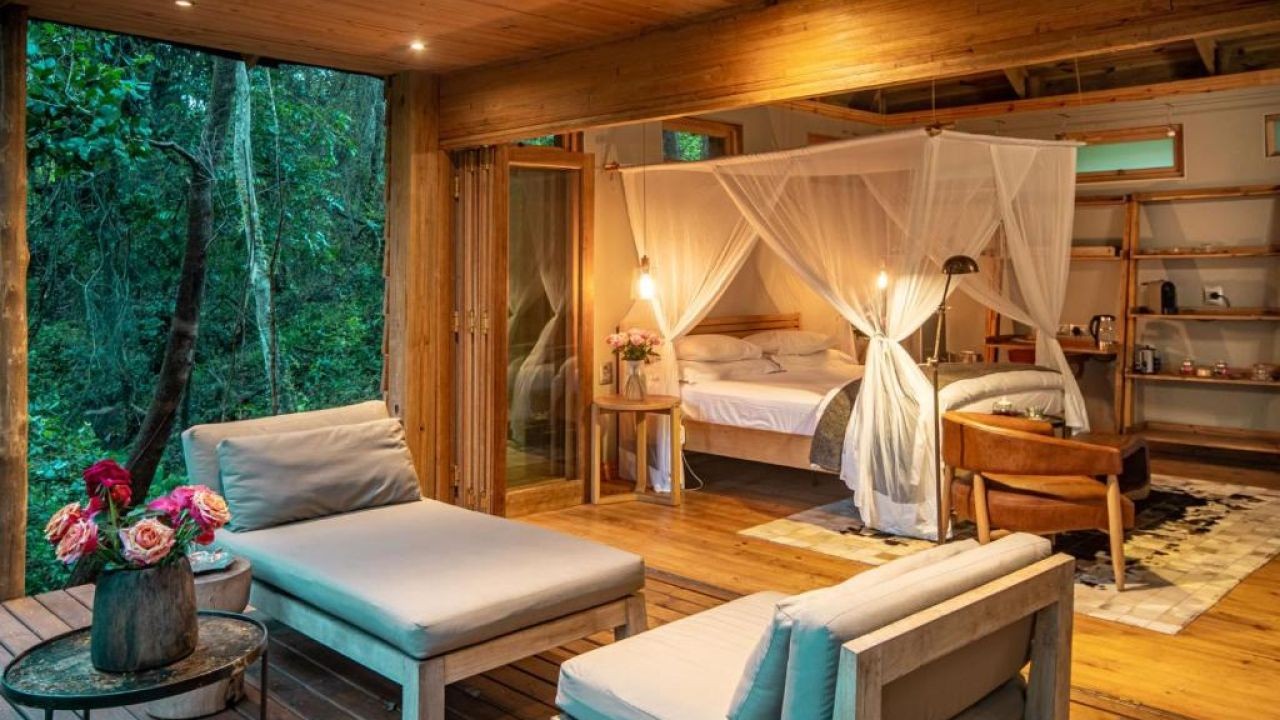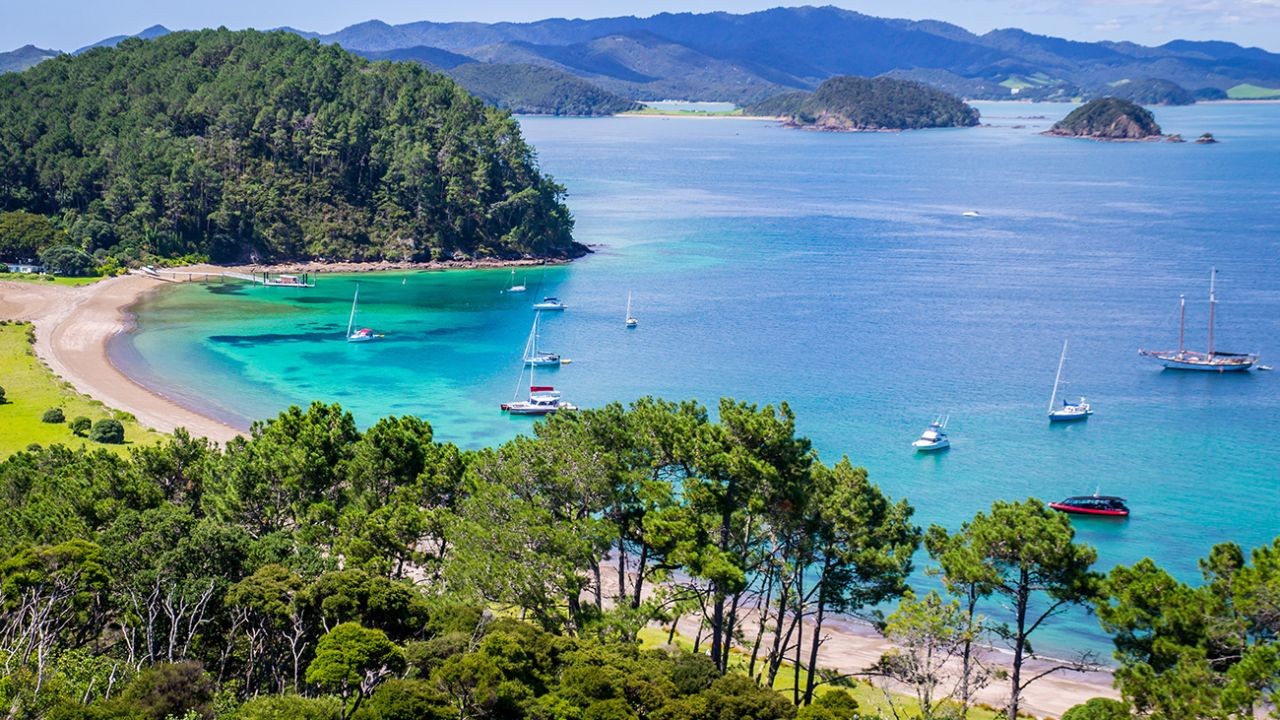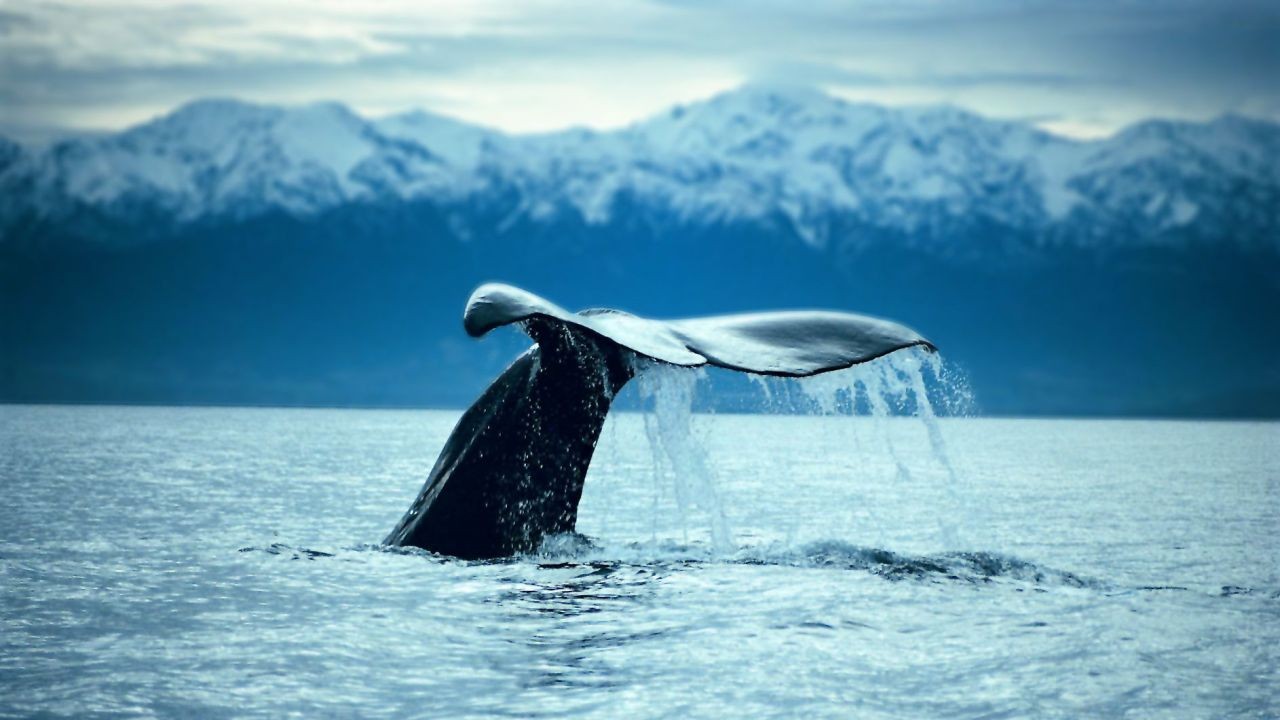




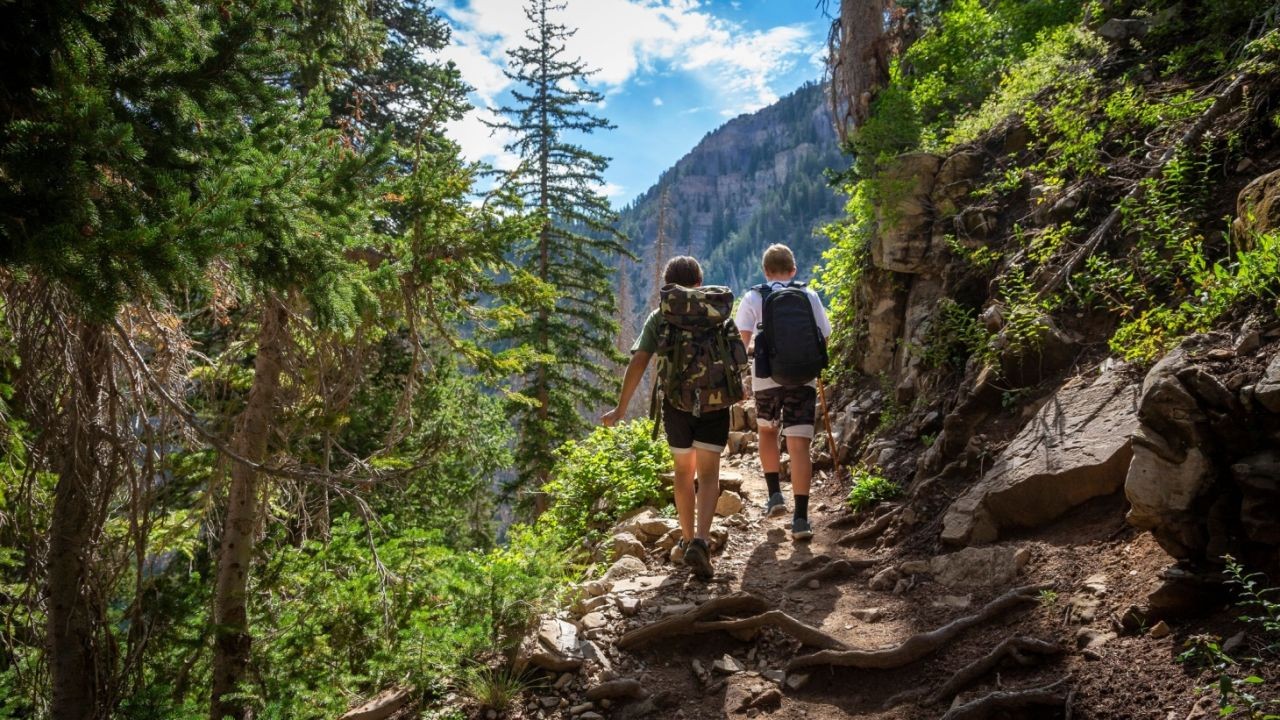
New Zealand’s identity is inextricably linked to its dramatic landscapes, a fact not lost on global investors. While tourism has long been a cornerstone of the economy, a deeper, more resilient, and higher-yield segment has matured within it: the outdoor adventure sports industry. This is not merely about bungee jumps and scenic hikes; it represents a sophisticated, high-value ecosystem encompassing equipment manufacturing, specialised retail, premium guiding services, digital media, and event tourism. For the astute investor, understanding this sector's dynamics, its underlying economic drivers, and its convergence with global wellness and experience trends is key to identifying durable opportunities beyond the cyclical nature of mass tourism.
The Economic Engine: Beyond the Adrenaline Rush
The narrative of adventure sports in New Zealand often focuses on iconic activities. However, the investment thesis is grounded in hard data and macroeconomic alignment. According to Stats NZ, before the pandemic disruption, tourism directly contributed 5.5% ($16.2 billion) to New Zealand’s GDP, with a significant portion driven by high-value experiential travel where adventure is a primary motivator. More tellingly, the sector is a critical employer in regional economies. The Ministry of Business, Innovation and Employment (MBIE) notes that tourism accounts for nearly 8% of total employment in regions like Queenstown-Lakes and Kaikōura, where adventure operators are concentrated. This creates a stable labour pool and infrastructure that supports the entire value chain.
Government policy actively reinforces this. The New Zealand Tourism Futures Framework prioritises sustainable, high-value tourism over volume, directly benefiting operators who offer low-impact, high-skill adventures like guided alpine traverses or multi-day kayaking expeditions. Furthermore, the country's "Trade for All" agenda supports the export of Kiwi-designed adventure gear and technology, a niche where brands like Icebreaker (merino wool apparel) and Zerofit (technical base layers) have achieved global recognition. This policy environment creates a tailwind for businesses that align with quality, sustainability, and innovation.
Comparative Analysis: The Mass Tourism vs. Premium Adventure Dilemma
A critical investment lens involves contrasting the volume-based tourism model with the premium adventure segment. The former, reliant on coach tours and generic attractions, faces margin compression, vulnerability to global shocks, and increasing regulatory pressure concerning sustainability. In contrast, the premium adventure model commands higher price points, attracts a clientele with greater disposable income (who are more resilient in downturns), and often aligns perfectly with environmental stewardship—a key selling point.
Consider the financial metrics: a bus ticket for a scenic lookout generates a one-time, low-margin fee. A seven-day guided hike on the Hollyford Track or a technical ice-climbing course in Aoraki/Mount Cook National Park generates recurring revenue per client across accommodation, meals, equipment, and expert guiding, often with significant upfront deposits. The client lifetime value is also higher, as satisfied adventurers return for more challenging experiences and become brand evangelists. This shift from a transactional to a relational economy is where durable value is created.
Behind-the-Scenes Insights: The Real Value is in the Ecosystem
The surface-level view focuses on the operator. The investor looks at the interconnected ecosystem. The growth of adventure sports fuels parallel industries:
- Specialised Retail & Equipment: The success of stores like Bivouac Outdoor and the global export of NZ-designed products (packrafts, waterproof gear, avalanche safety equipment).
- Media & Content Creation: New Zealand’s terrain serves as a natural studio for global athletic brands (The North Face, Patagonia) and film productions, generating lucrative location fees and marketing value.
- Training & Certification: Institutions like the New Zealand Outdoor Instructors Association (NZOIA) provide essential accreditation, creating a business stream in professional development.
- Technology & Safety: Innovation in materials science (lighter, stronger composites), GPS safety platforms, and weather forecasting services tailored for alpine conditions.
Exclusive Industry Insight: A hidden trend is the "professionalisation of the amateur." Today's affluent adventurers invest heavily in skills before their trip. This has spurred growth for local guiding companies offering pre-expedition training camps and for online platforms selling virtual coaching. It represents a de-risking of the experience for the client and a high-margin, year-round revenue stream for operators, detached from seasonal tourist flows.
Athlete Success Story: From Personal Passion to Global Brand
The journey of Samalander is a quintessential case study in vertical integration within the adventure economy. Founded by New Zealand adventurer Jamie Fitzgerald and business partner Paul Blythen, the company began as an expedition outfit. Recognising a gap in the market for durable, performance-oriented luggage that could withstand expeditions, they pivoted into product design.
Case Study: Samalander – Scaling a Niche Adventure Brand Globally
Problem: Samalander identified that high-end luggage was either fashion-focused and fragile or utilitarian and aesthetically unappealing. There was no brand effectively bridging the gap between expedition-grade durability and refined design for the discerning traveller and adventurer. Their core challenge was to penetrate a saturated global market dominated by legacy brands with vast marketing budgets.
Action: They leveraged their authentic expedition heritage as a unique selling proposition. Products were tested on real Arctic and jungle expeditions, providing compelling content and proven performance claims. Instead of traditional wholesale, they initially adopted a direct-to-consumer (DTC) model, retaining margins and customer relationships. Storytelling was central—every product featured the narrative of its testing and purpose.
Result: The strategy catalyzed rapid growth. Samalander achieved a 300% year-on-year revenue increase in its early scaling phase. It successfully expanded from NZ into Australia, North America, and Europe. The brand was featured in global publications like Monocle and Forbes, and its products are now used by special forces units and elite adventurers worldwide, validating its performance claims. The company has since strategically moved into select wholesale partnerships with premium retailers, having established its brand equity.
Takeaway: This case underscores that in the adventure sector, authenticity is the ultimate currency. For New Zealand businesses, leveraging the country's "living laboratory" reputation provides an unassailable competitive edge in global markets. The model demonstrates how a service-based adventure operation can vertically integrate into high-margin product manufacturing, creating a more resilient and scalable business.
The Investment Debate: Passion Project vs. Scalable Business
This sector often attracts owner-operators driven by passion, which presents a unique set of investment considerations.
✅ The Advocate Perspective (Passion as an Asset): A founder who is a renowned climber or kayaker brings irreplaceable credibility, product insight, and network access. This authenticity directly influences marketing efficacy and product development, as seen with Samalander. It fosters a loyal community, not just a customer base. This deep expertise can create formidable moats against larger, less-specialised competitors.
❌ The Critic Perspective (The Scalability Ceiling): Passion can sometimes conflict with commercial discipline. Operations may be geographically tethered (e.g., one specific river or mountain), limiting scale. Succession planning is a critical risk—the business's value may be intrinsically linked to the founder's personal brand. Standardising processes for growth can be challenging in a culture built on informal, passion-driven practices.
⚖️ The Middle Ground (The Professionalised Passion Model): The optimal investment target is a business that has successfully institutionalised its passion. This involves the founder bringing in operational and financial expertise to build scalable systems, implementing robust safety and guide certification protocols, and developing a brand that transcends the founder's personality. Investment capital here is best deployed to professionalise infrastructure, expand marketing reach, and fund product R&D, not just to expand capacity.
Common Myths, Mistakes, and Pitfalls for Investors
Navigating this sector requires dispelling romanticised notions.
Myth 1: "If you build it, they will come." Reality: New Zealand is competitive. A stunning location is merely table stakes. Success hinges on marketing sophistication, direct online booking systems, strategic global partnerships with travel agents, and a relentless focus on safety and customer experience. Operators without a digital-first mindset are at a severe disadvantage.
Myth 2: "Adventure sports are a summer industry." Reality: This is a four-season economy. Winter drives ski, heli-ski, and ice-climbing operations. Shoulder seasons are prime for hiking, mountain biking, and trail running. The off-season is for equipment maintenance, guide training, and international marketing. A robust business model plans for and monetises all seasons.
Myth 3: "The operator is the only investment play." Reality: As outlined, the ecosystem offers diversified exposure. Investing in a manufacturer of technical apparel, a booking software platform tailored for guided tours, or a training academy may offer better margins, scalability, and intellectual property advantages than a single-location guiding service.
Biggest Mistakes to Avoid
- Underestimating Insurance and Regulatory Liability: This is a high-risk sector. Investors must conduct extreme due diligence on safety protocols, insurance coverage (which is costly and specific), and compliance with the Adventure Activities Regulations. A single incident can wipe out equity.
- Overlooking Seasonality in Cash Flow Modelling: Failing to accurately model the lumpy nature of revenue (large pre-season bookings, high seasonal costs) can lead to liquidity crises. Working capital management is paramount.
- Ignoring the "Social License to Operate": Operations in sensitive natural environments face scrutiny. Businesses without genuine sustainability practices (waste, carbon, conservation partnerships) risk reputational damage and regulatory tightening. This is a material financial risk, not a PR exercise.
Future Trends & Predictions: The Next Frontier
The sector's evolution will be shaped by technology and shifting consumer values.
- Hybridisation of Adventure and Wellness: The future is not just about extremity. We will see growth in "adventure wellness" retreats combining backcountry hiking with recovery science, mindfulness, and nutrition—catering to an older, affluent demographic seeking transformation, not just thrills.
- Data and Personalisation: Operators will use data analytics to tailor expeditions to individual fitness levels and goals. Wearable data will be integrated into the experience, with post-trip analysis becoming a value-added service.
- Climate Adaptation as an Investment Theme: Operators and gear manufacturers that lead in climate adaptation—offering trips in emerging seasons, developing gear for changing conditions, and investing in carbon-neutral operations—will gain competitive advantage. The Reserve Bank of NZ has explicitly identified climate change as a material risk to financial stability, making this a prudent, not just ethical, consideration.
- Virtual Proving Grounds: New Zealand will solidify its role as the preferred testing ground for global outdoor brands. Investment in supporting this ecosystem—from specialised logistics to film production services—will yield returns.
Final Takeaways & Strategic Call to Action
- 🔍 Look Beyond the Operator: The highest-margin, most scalable opportunities may lie in the adjacent ecosystem: gear, tech, software, and media.
- 📊 Authenticity is Scalable, But It Must Be Systematised: Seek businesses that have moved from founder-dependent passion to professionally managed brands with replicable processes.
- ⚠️ Risk is Multifaceted: Due diligence must extend beyond financials to encompass safety protocols, regulatory compliance, environmental stewardship, and climate resilience.
- 🌍 Think Global from Day One: The New Zealand adventure brand has immense global cachet. The business model should have an export or international client strategy embedded in its DNA.
The outdoor adventure sports sector in New Zealand represents a compelling convergence of brand, geography, and evolving global consumption patterns. For the investor, it demands a nuanced approach that appreciates the passion but invests in the professionalisation. The goal is not to fund a lifestyle business, but to capitalise on New Zealand's unique natural capital to build resilient, high-value enterprises that deliver exceptional experiences and superior returns.
Ready to explore this landscape further? Conduct a deep dive into a specific vertical—be it technical apparel, guided expedition services, or adventure tourism software. Analyse its supply chain, regulatory hurdles, and key performance indicators. The most rewarding vistas are found by those who do their homework before the journey begins.
People Also Ask (PAA)
How does the adventure tourism sector impact New Zealand's regional economies? It is a primary employer in regions like Queenstown-Lakes, West Coast, and Kaikōura, providing year-round jobs and supporting local services. MBIE data shows tourism employs nearly 8% of the workforce in these areas, creating economic stability beyond major urban centres.
What are the biggest regulatory risks for adventure sport investments in NZ? The key risks are compliance with the Health and Safety at Work (Adventure Activities) Regulations 2016, which require stringent safety audits. Failure can result in shutdowns. Additionally, operators depend on access to public conservation land, making a positive relationship with the Department of Conservation critical.
What is the growth potential for NZ-made adventure gear on the global market? Significant. The "NZ-made" brand, associated with rugged testing and innovation, commands premium positioning. Success stories like Icebreaker and Samalander demonstrate that niche, high-performance products can achieve global scale through direct-to-consumer channels and authentic storytelling.
Related Search Queries
- New Zealand adventure tourism market size 2024
- Investing in outdoor equipment manufacturers NZ
- Queenstown tourism economic impact report
- New Zealand export opportunities for sporting goods
- Sustainable tourism investment NZ
- Adventure activity safety regulations New Zealand
- High-value tourism business models
- New Zealand trade for all agenda exports
- Climate change impact on NZ alpine tourism
- Direct-to-consumer outdoor brands case study
For the full context and strategies on 9. The Popularity of Outdoor Adventure Sports in New Zealand – Why This Matters More Than Ever to Kiwis, see our main guide: Street Food Market Videos New Zealand.