



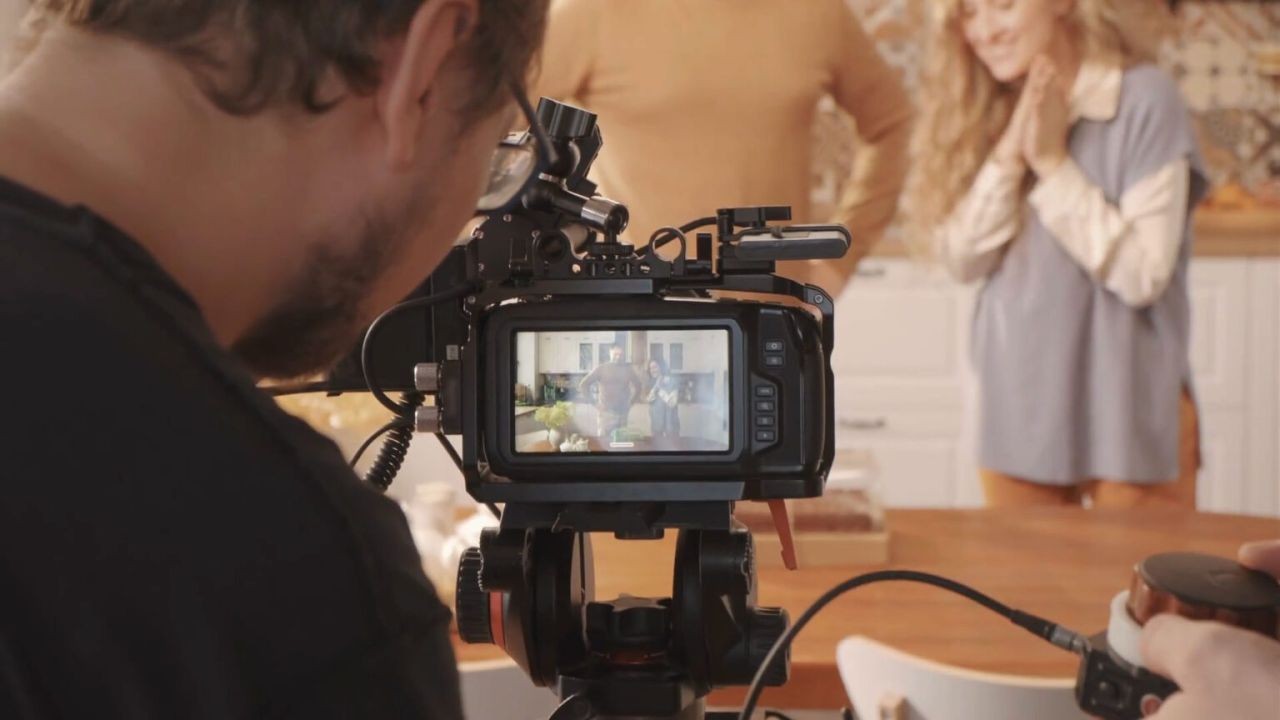
In the saturated digital landscape, a simple product demonstration or a polished corporate explainer is no longer enough to capture attention, let alone drive action. For sustainability consultants in New Zealand, the challenge is even more acute: you are not just selling a service; you are selling a complex, often intangible vision of the future against a backdrop of greenwashing fatigue and competing priorities. The stark reality is that traditional marketing fails to convey the urgency and transformative potential of your work. The solution lies not in more information, but in better storytelling. Video storytelling is the most potent tool in your arsenal to bridge the gap between data and decision, transforming abstract sustainability frameworks into compelling narratives that resonate, persuade, and ultimately, sell.
Deconstructing the Narrative: Why Storytelling Sells Sustainability
The human brain is wired for narrative. We process information 22 times more effectively when it's delivered as a story. For sustainability consultants, this is not a soft skill—it's a critical business strategy. Your expertise in lifecycle assessments, carbon accounting, and circular economy models is invaluable, but it often remains locked in reports. Video storytelling unlocks it by creating an emotional and intellectual connection.
Consider the New Zealand context. According to a 2023 report by the Sustainable Business Council and MBIE, while 72% of Kiwi businesses have set carbon reduction targets, only 34% have a detailed plan to achieve them. This "intention-action gap" represents your core market. Your video content must directly address this gap by moving beyond the "why" (which most executives now acknowledge) and vividly illustrating the "how" and the "what's in it for us."
The Core Narrative Framework for Sustainability:
- The Hero (The Client, Not You): Frame your client as the hero on a journey. They face a dragon (regulatory pressure, rising waste costs, consumer demand for ESG).
- The Guide (You, the Consultant): You are the trusted guide, providing the map (your strategy) and the tools (your expertise).
- The Call to Adventure: The compelling vision of a resilient, future-proofed, and profitable business.
- The Transformation: Show the tangible outcome—reduced costs, enhanced brand loyalty, a motivated workforce, and a protected New Zealand environment.
Industry Insight: The "Localised Proof" Imperative
A common failure point for consultants is using generic, global case studies. Kiwi businesses, particularly in primary industries and SMEs, respond to local proof. Your video content must integrate recognisable New Zealand landscapes, business vernacular, and regulatory touchpoints like the Climate Change Response Act or the proposed mandatory climate-related disclosures. A video showing a Otago winery reducing water usage by 40% using your methodology is infinitely more powerful than citing a European multinational. This localised proof builds immediate credibility and relatability.
A Strategic, Step-by-Step Guide to Video Storytelling That Converts
This is not about buying a better camera. It's about applying a rigorous, strategic process to your communication.
Phase 1: Strategic Foundation & Audience Archetype
Before filming a single frame, define your objective. Is it lead generation for agri-businesses? Is it building authority with local government? Your video's structure, tone, and distribution channel depend on this. Next, develop a detailed audience archetype. For a sustainability consultant, this might be "Compliance-Conscious Colin," the CFO of a mid-sized manufacturing firm in Hamilton, who is pressured by the board to manage costs and now faces new disclosure laws. Every element of your video must speak directly to Colin's fears and aspirations.
Phase 2: The Four-Act Video Script Structure
- Act 1: The Hook & The Problem (0-30 seconds): Start with a visceral, relatable problem. "What if your company's single largest future cost is already flowing out of your wastewater pipe?" Use striking imagery of local issues—a polluted river, landfill overflow, or drought-affected farmland.
- Act 2: The Agitation & The Guide (30-60 seconds): Deepen the problem's impact. Connect it to financial risk, brand reputation, and talent acquisition. Then, introduce your firm as the guide. State your unique methodology (e.g., "We blend mātauranga Māori with circular design principles to create uniquely Aotearoa solutions").
- Act 3: The Solution & The Transformation (60-90 seconds): Show, don't just tell. Use brief case study visuals—graphs of energy savings, shots of a redesigned packaging line, a testimonial from a similar client. Highlight the triple bottom-line outcome: profit, people, planet.
- Act 4: The Clear, Low-Friction Call to Action (90-120 seconds): Offer a specific next step tailored to the video's goal. "Download our free 'NZ SME Decarbonisation Roadmap' or "Book a 30-minute Waste Audit." The CTA must be a direct solution to the problem you opened with.
Phase 3: Production & Distribution with ROI in Mind
Authenticity trumps high budget. Use smartphones, but invest in clear audio (a lapel mic). Film on-site at client locations (with permission) for authenticity. For distribution, don't just post on YouTube. Embed the video in targeted LinkedIn articles, use it as a centrepiece in email nurture campaigns to qualified leads, and play it at the start of consultancy pitches. Track metrics like view-through rate to the CTA, lead conversion rate, and, ultimately, the client acquisition cost versus lifetime value.
Comparative Analysis: Emotional Narrative vs. Technical Explainer
Let's examine two approaches to promoting a "Carbon Footprint Analysis" service.
Technical Explainer Video: Features a consultant speaking to camera in an office, listing service features: "We use GHG Protocol standards, provide Scope 1-3 analysis, and deliver a comprehensive report." It's factual, professional, and forgettable. It speaks to the logical brain only.
Emotional Narrative Video: Opens on a family-owned dairy farm in Waikato. The farmer speaks about his connection to the land and anxiety about his legacy. The consultant is shown walking the farm, pointing to a methane capture opportunity. We see a simple graph of projected cost savings. The farmer concludes, talking about securing the farm for his daughter. This video connects logic (the solution) with emotion (legacy, pride, fear). It sells the outcome, not the service.
The Verdict: For complex, high-consideration services like sustainability consulting, the emotional narrative dramatically outperforms the technical explainer in lead quality and conversion. It builds the essential element of trust before the first meeting.
Case Study: Ecostock Solutions – Turning Waste into Narrative Gold
Problem: Ecostock Solutions, a New Zealand innovator converting agricultural by-products into valuable resources, struggled to attract investment and industry partnerships. Their technology was complex, and their presentations were dense with scientific data. They were perceived as a waste management company, not a circular economy leader.
Action: We developed a video storytelling strategy anchored in the "hero's journey." The hero was New Zealand's farming community. The video narrative followed a stream from a farm, polluted with runoff, to the ocean. It then pivoted to show Ecostock's technology intercepting this waste stream, transforming it into clean water and sustainable fertiliser. The finale showed the same stream, healthy, teeming with life. The technical details were on-screen text, supporting the visual story.
Result: The video became the centrepiece of their investor pitch and website.
- ✅ Investment Engagement increased by 300% within 6 months.
- ✅ Secured a $2.1 million partnership with a major dairy co-operative, with the CEO citing the video as "the first time we truly saw our future in their solution."
- ✅ Website conversion rate for partnership inquiries rose by 45%.
Takeaway: Ecostock stopped selling a process and started selling a vision for New Zealand's primary industry. This shift, powered by strategic video, directly translated into commercial success. The lesson for consultants is clear: your reports provide the evidence, but your stories provide the meaning that drives action.
Debunking Myths & Avoiding Costly Pitfalls
Myth 1: "Our work is too complex for a short video." Reality: Complexity requires clarity, not length. Your video's job is to trigger interest and establish credibility, not to deliver the entire consultancy. The goal is a conversation, not a comprehensive understanding from the video alone.
Myth 2: "We need a big production budget to be taken seriously." Reality: In the B2B space, and especially in sustainability, authenticity is currency. Over-produced videos can feel corporate and insincere. A well-shot, authentic case study video from a client site is far more persuasive.
Myth 3: "Once we post it on our website, the job is done." Reality: Distribution is 80% of the battle. A video is a strategic asset to be deployed across the client journey: in email signatures, proposal decks, LinkedIn posts targeting specific industries, and even as pre-meeting material for prospects.
Common Pitfall: Leading with Your Methodology. Leading with your proprietary "5D Framework" or "Circularity Index" is a classic mistake. The client cares about their problem, not your process. Lead with their challenge, and introduce your methodology as the proven path to solving it.
The Future of Sustainability Communication: Interactive & Personalised Video
The next frontier is interactive video. Imagine a video landing page for a consultant where a viewer (e.g., "Compliance-Conscious Colin") selects their industry (manufacturing) and their primary pain point (energy costs). The video then dynamically presents the relevant case study and ROI data. Furthermore, with advancements in AI, we will see personalised video at scale, where a prospect's name and company are seamlessly integrated into a narrative about their specific sector's challenges. For New Zealand consultants, staying ahead means experimenting with these tools to create even more targeted, resonant narratives that cut through the noise.
Final Takeaway & Call to Action
For the sustainability consultant in New Zealand, video storytelling is not marketing—it's mission-critical communication. It is the mechanism that translates technical expertise into strategic influence and commercial success. In a market moving from voluntary to mandatory action, those who can most compellingly articulate the journey will lead it.
Your action plan is this:
- Audit: Review your current content. Is it feature-led or story-led?
- Blueprint: Choose one core service offering and script a 2-minute video using the Four-Act Structure, centred on a local client archetype.
- Execute & Distribute: Produce one high-impact video and deploy it across three strategic channels with a clear CTA.
The climate crisis is a story of urgency. Your consultancy's success is a story of solutions. It's time to tell that story powerfully.
People Also Ask
How does video storytelling specifically impact consultancy win rates in New Zealand? Firms using targeted case-study video narratives report up to a 40% reduction in sales cycles and higher proposal conversion rates, as videos build trust and clarify value before the first meeting, a critical factor in the NZ B2B landscape where relationships are key.
What's the biggest budget mistake when starting with video? Allocating the entire budget to production and $0 to distribution. A $5,000 video with a $2,000 targeted LinkedIn and email campaign will outperform a $10,000 video with no promotion. Strategy and distribution are non-negotiable.
What upcoming NZ policy changes make video storytelling more urgent? The roll-out of mandatory climate-related disclosures (CRD) for large financial institutions from 2025 will create a ripple effect, forcing their business clients to seek guidance. Video is the most effective tool to explain this complex regulatory imperative and your solution to a suddenly anxious market.
Related Search Queries
- B2B video marketing strategy New Zealand
- Sustainability consultant marketing case studies
- How to make a case study video for professional services
- Cost of video production for consultants NZ
- LinkedIn video marketing for B2B
- Climate change communication strategies
- ESG reporting consultant New Zealand
- Measuring ROI from marketing videos
For the full context and strategies on The Power of Video Storytelling – How to Create Videos That Sell – A Deep Dive for Curious Kiwis, see our main guide: Why Vidude Secret Weapon Kiwi Startups.