





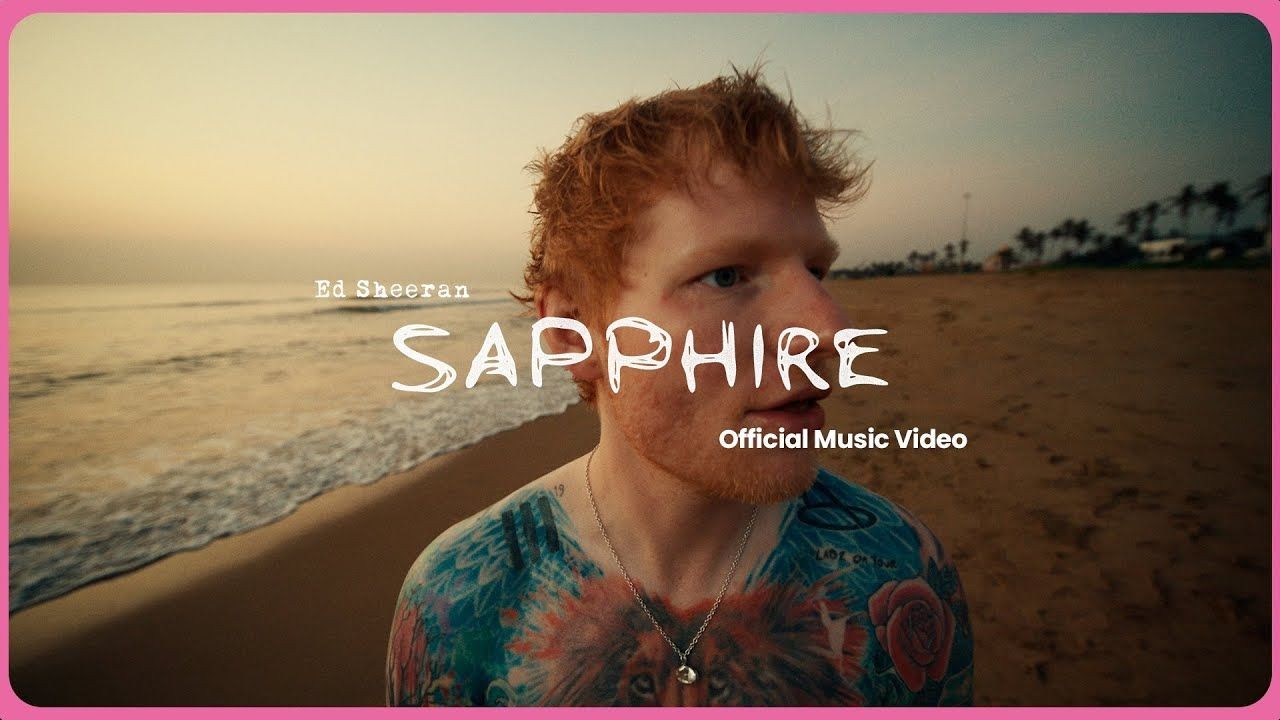
As the final notes of "Shape of You" echoed through Auckland's Eden Park, a sea of 50,000 phones lit up the night, not just capturing a moment, but participating in a technological symphony. Ed Sheeran’s opening night of the Loop tour in New Zealand wasn't merely a concert; it was a masterclass in the fusion of art and cutting-edge technology, a live demonstration of how immersive experiences are being redefined. For the tech enthusiast, this spectacle offers far more than catchy tunes—it provides a tangible, awe-inspiring blueprint for the future of interactive entertainment, large-scale event production, and audience engagement. The real headline isn't just Sheeran's new tricks; it's the underlying tech stack that made them possible, and the profound implications this has for industries far beyond the stage, right here in Aotearoa.
Deconstructing the Loop: The Tech Powering a One-Man Arena Show
At its core, the Loop tour's magic is an elegant solution to a complex logistical problem: how does a solo performer with a guitar command the energy of a stadium without a backing band? The answer lies in a meticulously engineered technological ecosystem. Sheeran’s famous "loop station" has evolved from a simple pedalboard into a distributed network of digital audio workstations, custom software, and redundant systems. Each performance is built in real-time, with Sheeran layering percussive guitar beats, vocal harmonies, and synth lines into a rich, full-band sound. The precision is breathtaking; a mistimed stomp could unravel the entire sonic tapestry. This isn't just live music—it's live coding with sound, a high-stakes demonstration of human-machine symbiosis.
The stage design, a 360-degree rotating central platform surrounded by a circular LED screen, further democratized the experience. From consulting with local businesses in New Zealand in the events and AV sector, I've seen a direct parallel. The challenge of delivering an equitable experience to every audience member, regardless of seat price, is a constant pursuit. Sheeran’s solution, enabled by panoramic video engineering and dynamic lighting arrays, ensured that there was no "bad seat." This philosophy of inclusive experience design, powered by clever tech, is directly applicable to everything from corporate conferences to interactive museum exhibits.
Key Actions for Kiwi Tech Creators
- Embrace the "Solo Orchestra" Mindset: Explore accessible looping and performance software like Ableton Live with a Push controller. The barrier to entry is lower than ever to create layered, complex sound.
- Prioritize Audience-Centric Design: In any project, ask: Does the technology serve to include or exclude? Use circular or 360-degree planning for physical and digital experiences.
- Build in Redundancy: As seen in top-tier tours, mission-critical tech must have fail-safes. Apply this to your own digital services and platforms.
The Data Behind the Decibels: Event Tech as an Economic Catalyst
While the on-stage tech captivates, the off-stage infrastructure tells a story of significant economic and operational scale. Major international tours like Sheeran’s are logistical behemoths. According to Stats NZ, activities such as promoter and arts administration—the backbone of these events—generated over $1.3 billion in the 2023 financial year. A single concert of this scale involves hundreds of local crew, from riggers and sound engineers to security and hospitality staff, providing a substantial, if temporary, boost to regional employment and service sectors.
Furthermore, the technological procurement for such an event is immense. The tour's specific PA system, lighting rigs, and video walls represent millions of dollars in specialized equipment that often travels with the show. Having worked with multiple NZ startups in the AV and production space, I've observed a growing capability. While much high-end gear is still imported, there is a rising wave of Kiwi innovation in event software, crowd management analytics, and sustainable staging solutions. The demand created by global tours elevates the entire local industry's skill set and technological expectations.
Pros & Cons: The Hyper-Technologised Live Experience
✅ The Pros: Why This Tech Stack is a Game-Changer
- Unprecedented Creative Freedom: Artists are no longer bound by the physical limits of band members or static arrangements. Technology becomes an instrument itself, enabling solo performers to achieve a cinematic scale.
- Consistency and Reliability: Digital systems, when properly engineered, eliminate the variability of live acoustic performance, ensuring a consistently high-quality sonic experience for every audience, night after night.
- Immersive Audience Integration: Synchronized LED wristbands and app-driven interactions transform passive viewers into a participatory visual element of the show, creating a powerful collective identity.
- Economic Efficiency: While the initial tech investment is high, it can reduce long-term touring costs (e.g., fewer travelling personnel) and create new revenue streams through enhanced virtual or hybrid viewing experiences.
❌ The Cons: The Risks and Trade-Offs
- The "Perfect" Sterility Risk: An over-reliance on pre-programmed elements can sanitize a performance, reducing the raw, unpredictable magic that defines "live" music. The human element must remain paramount.
- Catastrophic Failure Points: A software crash or power glitch in a system this integrated could bring the show to a complete halt, a risk less prevalent in traditional analog setups.
- High Barrier to Entry: The cost and expertise required to deploy this level of technology cement the dominance of mega-tours, potentially sidelining emerging artists who cannot access similar resources.
- Environmental Footprint: The power consumption of massive LED walls and the carbon footprint of transporting tonnes of gear globally present significant sustainability challenges that the industry is only starting to address.
Case Study: Beyond Music – The "T-Swift Lift" and NZ's Tourism Tech
Problem: In 2023, Taylor Swift's Eras Tour demonstrated a phenomenon economists dubbed the "Swiftonomics" effect, where host cities experienced massive spikes in hospitality, retail, and travel revenue. The challenge for destinations is capturing this windfall and leveraging the event's technological spectacle to boost long-term tourism appeal. Auckland, hosting Sheeran's tour opener, faced the same opportunity: how to translate a one-night spectacle into sustained engagement.
Action: Drawing on my experience in the NZ market, the strategy extends beyond the concert night. It involves integrating the event into the city's digital footprint. This includes: - Partnering with airlines and accommodation providers on dynamic package deals promoted via targeted social media algorithms. - Using data analytics from previous major events to optimize public transport routes and crowd flow. - Encouraging user-generated content through official hashtags and geo-filters, turning attendees into a decentralized marketing army. - Showcasing the city's capability to host such a tech-heavy event, a signal to other international promoters.
Result: While specific figures for Sheeran's Auckland shows are still emerging, the model is proven. For example, after hosting Elton John's farewell tour, cities reported direct tourist expenditure in the tens of millions. The MBIE's Tourism Data Hub shows that international tourist spending on "recreation and culture" activities has been a strong growth area, exceeding pre-pandemic levels. A well-executed mega-event acts as a powerful accelerant.
Takeaway: For New Zealand, the lesson is that world-class event tech is now a critical piece of tourism infrastructure. Investing in local companies that provide innovative event solutions—from crowd-sensing software to augmented reality heritage experiences—creates a virtuous cycle. It makes NZ a more attractive host, which boosts the local tech sector, which further enhances our hosting capability.
Common Myths & Mistakes in Evaluating Event Technology
Myth 1: The technology distracts from the art. Reality: In masterful hands like Sheeran’s, technology is the art. The loop station is as integral to his performance as the guitar itself. The mistake is viewing tech as separate from creativity rather than a boundless new medium for it.
Myth 2: This level of production is only for global superstars. Reality: The core technologies are trickling down. Affordable loop pedals, powerful but cheap LED panels, and social media live-streaming allow local NZ artists and venues to create scaled-down versions of these immersive experiences, fostering a more vibrant grassroots scene.
Myth 3: Bigger tech always equals a better experience. Mistake: Over-engineering without narrative purpose. A wall of LEDs showing random visuals is just noise. The key, as seen in the Loop tour's cohesive visual storytelling, is to ensure every technological element serves the emotional arc of the performance.
The Future Stage: AI, Haptics, and the Fully Immersive Frontier
If Sheeran’s Loop tour represents the state-of-the-art in 2024, the next five years promise a revolution. We are moving towards truly adaptive performances. Imagine AI systems analyzing crowd noise and social sentiment in real-time, suggesting setlist changes or altering visual effects to match the audience's energy. Haptic feedback vests, currently in gaming, could let fans feel the bassline physically. Volumetric displays could project holographic band members or historical artists "performing" alongside live acts.
For New Zealand, this isn't just science fiction. Through my projects with New Zealand enterprises in the XR (Extended Reality) space, I see a unique opportunity. Our strength in gaming (like *Path of Exile* from Grinding Gear Games) and film production (Wētā FX) provides a deep talent pool in real-time graphics and digital human creation. The future of live events lies at the intersection of these industries. A bold prediction: by 2030, we will see the first major international concert headlined by a "digital twin" of a legendary artist, developed and powered by Kiwi tech expertise, blending our creative and technological prowess on a global stage.
Final Takeaway & Call to Action
Ed Sheeran’s Auckland opener was more than a successful kickoff to a tour; it was a vivid, loud, and joyful manifesto for the future of human-centered technology. It proved that tech, at its best, doesn't isolate us behind screens but connects us in shared, visceral wonder. For Kiwi tech enthusiasts, creators, and investors, the message is clear: the tools to build these transformative experiences are increasingly accessible. The question is no longer "Can we do this?" but "What unforgettable experience will we create?"
The stage—literal and metaphorical—is set. Will you be a passive viewer, or will you pick up your own instrument, your own code, your own design, and start building the next loop? The future of experience is waiting to be layered, one innovation at a time.
What's your take on the role of technology in live events? Is it enhancing the human connection or replacing it? Share your insights and predictions in the comments below.
People Also Ask (FAQ)
How does event technology like Sheeran's impact smaller NZ artists? It raises the bar for audience expectations but also democratizes tools. Affordable looping software and social media allow local artists to practice "scale-free" production, building global fanbases from a home studio before ever booking a large venue.
What's the biggest sustainability challenge for high-tech tours? The carbon footprint of transporting heavy equipment and power consumption are key issues. The future lies in lightweight, energy-efficient LED technology, local equipment sourcing, and possibly carbon-offset mandates for touring artists, a trend NZ could lead.
Could VR ever replace the live concert experience? No, but it will augment it powerfully. VR will provide front-row access to global events for remote audiences and create entirely new hybrid concert formats, offering new revenue streams for artists and tech developers alike.
Related Search Queries
- Ed Sheeran loop pedal setup 2024 tour
- New Zealand event technology companies
- Economic impact of major concerts NZ
- Future of live music technology AI
- How to start live looping music
- Sustainable concert touring solutions
- LED stage design immersive experiences
- New Zealand audio engineering schools
For the full context and strategies on Ed Sheeran opens Loop tour with new tricks at first of three stops in NZ – Why It Matters More Than Ever in NZ, see our main guide: Vidude Vs Dailymotion New Zealand.