






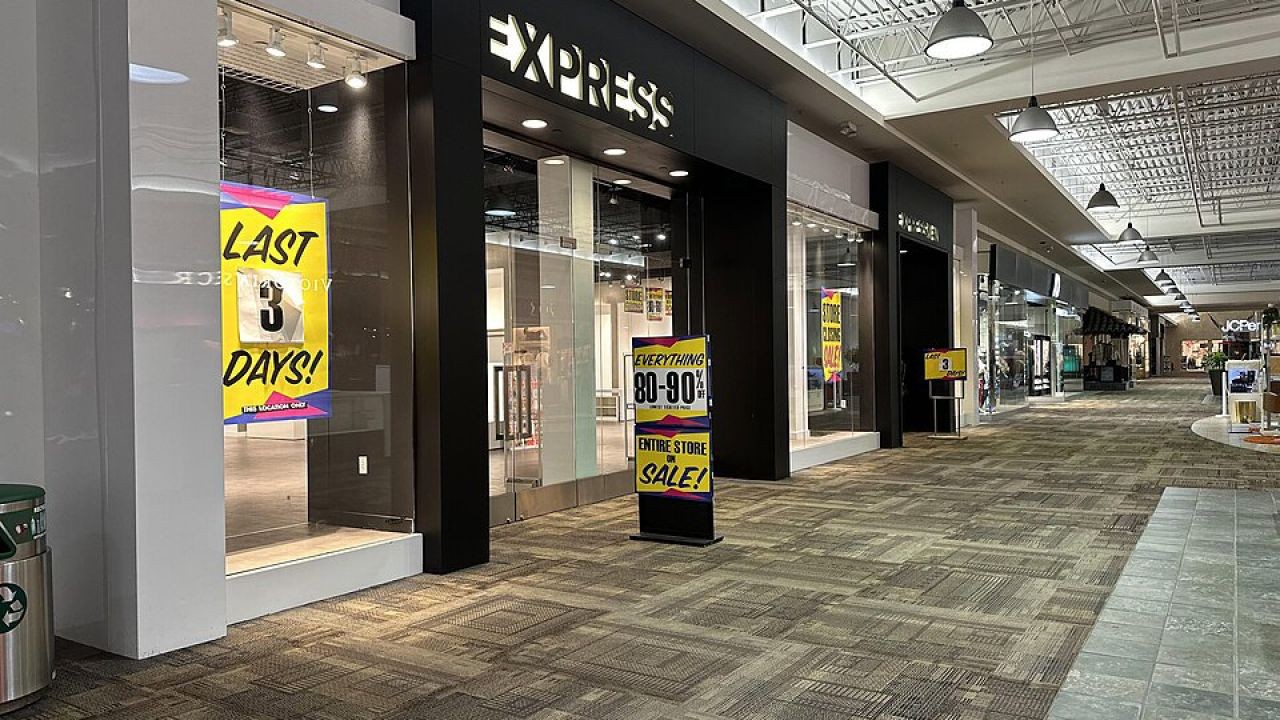
Walk down any major retail street in Auckland, Wellington, or Christchurch, and you'll witness a retail landscape in profound flux. Vacant storefronts stand as stark reminders of recent closures, while surviving shops increasingly blend digital touchpoints with physical experience. The narrative of an inevitable, total demise of brick-and-mortar retail is compelling, but from a travel expert's perspective—accustomed to analyzing destination viability, visitor flows, and experience economies—it is also dangerously simplistic. The physical store in New Zealand is not facing extinction by 2030; it is undergoing a radical, necessary evolution. The future belongs not to pure-play online or offline, but to a sophisticated, experience-driven hybrid model where the store becomes a strategic asset in a brand's ecosystem.
The Data-Driven Reality: A Contraction, Not an Apocalypse
To understand the trajectory, we must first ground the discussion in local data. According to Stats NZ, online retail sales as a percentage of total retail spending have indeed grown significantly, reaching approximately 12.1% in the March 2024 quarter. This is a substantial increase from years past, demonstrating clear behavioral shift. However, this also means that nearly 88% of retail transactions still involve a physical store in some capacity, whether for browsing, fulfillment, or the final sale. The narrative of an online takeover ignores the persistent, powerful role of touch, immediacy, and local service in the Kiwi consumer psyche.
Furthermore, New Zealand's unique geographic and economic fabric creates inherent friction for a purely digital model. As highlighted in reports from the Ministry of Business, Innovation and Employment (MBIE), the "tyranny of distance" and associated shipping costs remain a significant hurdle for e-commerce, particularly for bulky or perishable goods. This logistical reality provides a natural moat for local physical retailers who can offer immediacy and avoid shipping fees. The death of the store would not just be a retail crisis; it would exacerbate regional inequality, leaving provincial towns with even fewer community hubs and service points.
Case Study: The Warehouse Group – Pivoting the Physical Footprint
Problem: The Warehouse Group, a cornerstone of New Zealand retail, faced the classic "big box" challenge. With over 250 stores nationwide, including The Warehouse, Warehouse Stationery, and Noel Leeming, the group was vulnerable to online competition and changing consumer habits. Its large-format stores risked becoming costly liabilities in an omnichannel world.
Action: Instead of retreating, the group embarked on a strategic reinvention of its physical assets. Key actions included:
- Integrating click-and-collect services seamlessly, turning stores into efficient fulfillment hubs that leverage their extensive geographic coverage.
- Refitting stores to improve customer experience, dedicating space for product demonstrations and expert advice, particularly in technology at Noel Leeming.
- Leveraging its physical network to offer services like in-store recycling programs and community-focused initiatives, deepening local relevance.
Result: This omnichannel pivot has been central to the group's stability. While specific financials are complex, the strategic shift is credited with maintaining strong customer footfall and relevance. Stores now serve as critical nodes in the supply chain, reducing last-mile delivery costs and increasing convenience. The group's continued investment in its store network, including new, smaller-format "local" stores, signals a firm belief in the future of integrated retail.
Takeaway: For New Zealand retailers, the lesson is that stores must be multi-functional. A successful brick-and-mortar location in 2030 will be a showroom, a fulfillment center, a returns depot, and a community space. The Warehouse Group demonstrates that a large physical footprint can be an asset, not an anchor, if strategically reconfigured for an omnichannel world.
The Pros and Cons of the Evolving Brick-and-Mortar Model
The path forward is not without its challenges. Let's evaluate the balanced reality for New Zealand storefronts.
✅ The Advantages (Pros) of the Modern Physical Store
- Unmatched Experience & Sensory Engagement: Physical stores provide tactile, sensory experiences that screens cannot replicate. For sectors like premium tourism retail (e.g., merino wool, manuka honey, pounamu), the ability to touch, smell, and try is irreplaceable and directly linked to higher conversion rates and average spend.
- Instant Gratification & Zero Shipping Cost: The ability to walk out with a purchase immediately remains a powerful advantage, circumventing New Zealand's often slow and expensive shipping logistics.
- Trust Building & Community Hub Status: A local store fosters trust and serves as a tangible brand embassy. For communities outside main centers, it's a vital social and economic node, something online giants cannot replicate.
- Omnichannel Synergy: As the case study shows, stores supercharge online operations through click-and-collect, which boosts footfall for additional sales and reduces operational costs.
❌ The Persistent Challenges (Cons)
- High Fixed Operational Costs: Rent, rates, utilities, and in-person staff represent a significant and inflexible cost base, especially in prime urban locations where foot traffic is essential.
- Inventory & Space Limitations: A physical store can only stock a fraction of what an online warehouse can hold, potentially leading to missed sales opportunities.
- Geographic Reach Limitation: A store's catchment area is inherently local, while an online storefront is national or global from day one.
- Vulnerability to Macroeconomic Shifts: Consumer confidence, fuel prices affecting travel to stores, and local economic downturns impact physical retail disproportionately quickly.
Expert Insight: The Travel Retail Analogy
As a travel expert, the parallel to the tourism industry is striking. The rise of online travel agencies (OTAs) and booking platforms was once predicted to decimate physical travel agencies. Yet, the latter survived by evolving. They shifted from transactional ticket-booking shops to curated experience designers, offering expert knowledge, complex itinerary planning, and personalised service for luxury, adventure, or niche travel—areas where trust and advice are paramount.
Similarly, the successful New Zealand retailer of 2030 will be a "destination retailer." It won't just sell products; it will sell experiences, expertise, and community. Imagine a Wellington outdoor gear store that runs local hiking workshops, a Kerikeri boutique that hosts tastings with local food producers, or an Auckland tech store that becomes a hub for gaming tournaments and new product launch events. The store becomes a reason to visit, not just a place to transact. This is the hidden trend: the transformation of retail space from a cost center to an experience-led marketing and engagement center.
Common Myths and Costly Mistakes for NZ Retailers
Navigating this shift requires dispelling dangerous misconceptions.
Myth 1: "Going online means I can abandon my physical presence." Reality: For most established Kiwi brands, this is brand suicide. Abandoning physical stores cedes local market presence, eliminates a key trust signal, and makes you entirely dependent on digital marketing costs and logistics. The integrated model is stronger.
Myth 2: "My store just needs to be on Google Maps and have an Instagram account." Reality: This is surface-level digitalization. The costly mistake is not integrating inventory systems (so online "buy online, pick up in-store" actually works), not training staff to be omnichannel experts, and not using in-store technology to enhance the journey (like QR codes linking to detailed content or reviews).
Myth 3: "E-commerce giants like Amazon will kill all local stores." Reality: While Amazon and The Market present competition, they also validate online shopping behaviors. The savvy local retailer competes on curation, locality, service, and experience—areas where global giants are inherently weaker. A 2024 Consumer NZ survey consistently shows strong consumer desire to support local businesses where value is perceived.
The Future of the NZ High Street: A 2030 Prediction
By 2030, we will see a stratified but vibrant physical retail landscape in New Zealand:
- Experience Flagships: Major brands will operate fewer, larger, highly experiential stores in central city locations designed for immersion and brand storytelling.
- Neighborhood Service & Collection Hubs: Suburban and provincial stores will thrive as convenient service, advice, and click-and-collect points, deeply embedded in their communities.
- Showroom & Appointment-Only Spaces: For high-value goods (designer furniture, luxury goods), retailers will adopt appointment-based models, reducing overheads and elevating service.
- Pop-up & Temporary Activations: These will be used strategically for market testing, brand launches, and tapping into specific local events or tourism flows.
The government's "Future of Retail" initiatives, focusing on digital skills and town center regeneration, will further support this transition. The store that dies is the one that remains a passive warehouse of inventory. The store that lives is the one that becomes an active, dynamic part of the customer's lifestyle.
People Also Ask (PAA)
How will rising commercial rents in NZ cities affect brick-and-mortar stores? Rising rents will accelerate the shift towards leaner, more experiential store formats. Retailers will need to maximize revenue per square meter through events, services, and omnichannel integration to justify the cost, potentially leading to more pop-ups and shared retail spaces.
What role can tourism play in sustaining physical retail in New Zealand? Tourism is a vital lifeline. Stores in key tourist destinations must cater to international visitors with tax-free shopping, multilingual staff, and products that tell a unique NZ story. The physical store is often the only point of contact for these high-value customers.
Is investing in a retail storefront in NZ a bad idea in 2024? It is a high-risk, high-potential idea that requires a modern strategy. Success depends entirely on location, sector, and a business plan that integrates physical and digital seamlessly from day one, focusing on experience over pure transaction.
Final Takeaway & Call to Action
The obituary for brick-and-mortar retail in New Zealand is premature. By 2030, we will witness not a death, but a Darwinian evolution. The stores that close will be those that failed to adapt to their new role in an omnichannel ecosystem. The survivors—and thrivers—will be those that understand a fundamental truth: in a digital world, physical presence becomes more special, not less. It is the ultimate tool for building trust, community, and memorable experiences.
For business owners and investors: Audit your physical space not as a store, but as a marketing and customer engagement channel. What unique experience does it offer that a website cannot? How does it seamlessly connect to your digital operations? The answer to those questions is your blueprint for 2030.
What's your view on the future of your local main street? Share your observations or experiences in the comments below.
Related Search Queries: future of retail nz 2030, omnichannel retail strategy new zealand, brick and mortar vs online sales nz, stats nz retail data online shopping, how to save high street nz, the warehouse group omnichannel case study, cost of shipping ecommerce new zealand, retail experience stores auckland, nz government future of retail report, pop up shop success new zealand.
For the full context and strategies on Will We See the Death of Brick-and-Mortar Stores in NZ by 2030? – What Every Kiwi Should Prepare For, see our main guide: New Zealand Education Training.



























CaseyBraml
3 months ago