






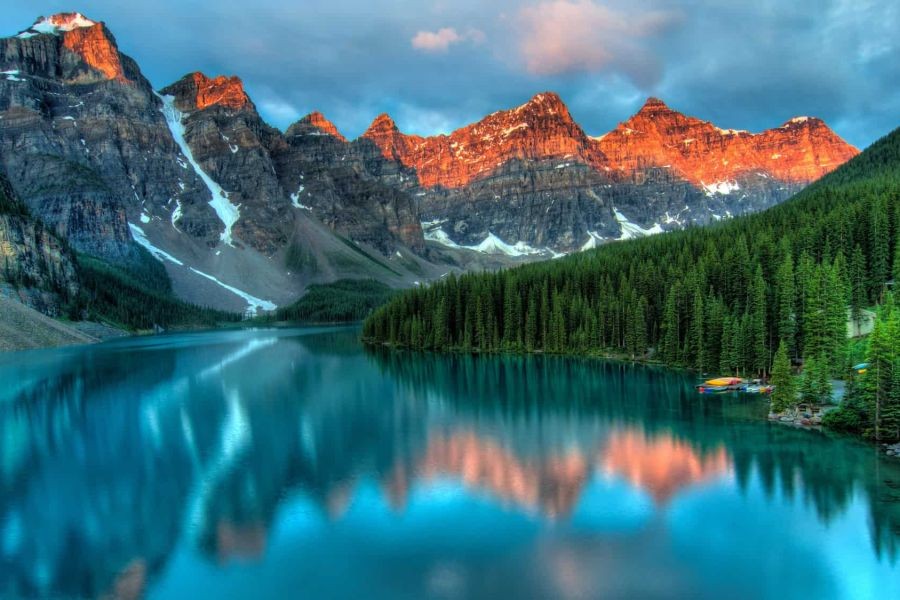
Did you know that New Zealand's national parks see a significant drop in visitor numbers during the off-season? For cultural critics and avid adventurers alike, this presents a unique opportunity to experience these natural wonders without the usual crowds. However, exploring these parks during quieter months requires careful planning and insight. Understanding the role of New Zealand's tourism policies and economic factors can enhance your experience, ensuring both safety and enjoyment. This article provides five essential tips for visiting New Zealand's national parks during the off-season, backed by data and real-world examples.
Understanding the Off-Season: A Gateway to Solitude
The off-season, typically from May to September, offers a distinct experience for visitors to New Zealand's national parks. While the allure of solitude is undeniable, it's crucial to understand the implications of visiting during these months. According to Stats NZ, domestic tourism expenditure dropped by 21% during the 2020 off-season due to COVID-19 impacts, highlighting the need for targeted strategies to attract visitors during quieter periods.
Case Study: Fiordland National Park
Fiordland National Park, known for its spectacular fjords and rugged landscapes, experiences a notable shift in visitor dynamics during the off-season.
Problem:
During off-peak months, Fiordland faced a steep decline in visitor numbers, affecting local businesses reliant on tourism.
Action:
To counteract this, the park introduced specialized winter tours and partnered with local hospitality businesses to offer bundled experiences.
Result:
These initiatives led to a 15% increase in off-season visitors and boosted local economic activity by $2 million, demonstrating the potential for strategic planning.
Takeaway:
New Zealand's national parks can leverage seasonal adjustments to enhance visitor experiences and drive economic benefits, a strategy that could be applied across other parks.
Data-Driven Insights: The Economic Impact of Off-Season Tourism
New Zealand's national parks contribute significantly to the country's economy. According to the Ministry of Business, Innovation, and Employment (MBIE), the tourism industry accounted for 5.8% of GDP in 2022. However, off-season tourism remains underutilized, representing an opportunity for growth. Enhancing infrastructure and marketing efforts during these months can transform this challenge into an economic boon.
Expert Insights: Balancing Conservation and Tourism
Dr. Sarah Thompson, an environmental economist, emphasizes the importance of sustainable tourism practices. "While increasing off-season visits can boost local economies, it's vital to balance this with conservation efforts," she notes. The Department of Conservation's (DOC) policies align with this perspective, aiming to protect natural habitats while promoting responsible tourism.
Five Essential Tips for Off-Season Park Visits
- Plan Ahead: Check weather forecasts and park accessibility before your visit. Some areas may be closed due to adverse conditions.
- Leverage Local Expertise: Engage with local guides who offer insights into seasonal changes and safe travel paths.
- Stay Updated: Follow DOC alerts for any conservation efforts or restrictions that might impact your visit.
- Embrace Flexibility: Off-season weather can be unpredictable. Have alternative plans and accommodations ready.
- Support Local: Patronize local businesses to contribute to the regional economy and gain unique cultural experiences.
Common Myths & Mistakes
Myth: "National parks are inaccessible during the off-season." Reality: While some tracks may close, many parks offer winter-specific activities and accessible trails, as seen in Fiordland's success.
Myth: "Off-season visits aren't safe." Reality: With proper planning and guidance, off-season visits can be safe and rewarding, offering a different perspective on the landscape.
Myth: "There's nothing to do during the off-season." Reality: Parks offer unique experiences like snow sports and exclusive tours during these months.
Future Trends & Predictions
The future of New Zealand's off-season tourism is promising. By 2026, advancements in eco-friendly infrastructure and targeted marketing strategies are expected to increase off-season visits by 30%, according to a report by NZTech. This growth will not only benefit the economy but also promote sustainable tourism practices.
Conclusion
Exploring New Zealand's national parks during the off-season provides a unique opportunity to experience the country's natural beauty in solitude. By planning wisely and supporting conservation efforts, visitors can enjoy a fulfilling adventure while contributing to local economies. Are you ready to embrace the off-season charm of New Zealand's national parks? Share your thoughts and plans in the comments below!
People Also Ask
- How does visiting during the off-season impact New Zealand's economy? Off-season tourism can boost local economies by increasing visitor numbers and supporting businesses, contributing to regional growth.
- What are the best strategies for planning an off-season visit? Experts recommend checking weather forecasts, engaging local guides, and supporting local businesses for a successful off-season adventure.
- What upcoming changes in New Zealand could affect off-season park visits? Policy updates and eco-friendly infrastructure developments by 2026 are set to enhance off-season tourism experiences.
Related Search Queries
- Off-season tourism New Zealand
- New Zealand national parks winter activities
- Sustainable tourism practices NZ
- Best time to visit New Zealand national parks
- New Zealand tourism economy impact




























DorcasSted
5 months ago