





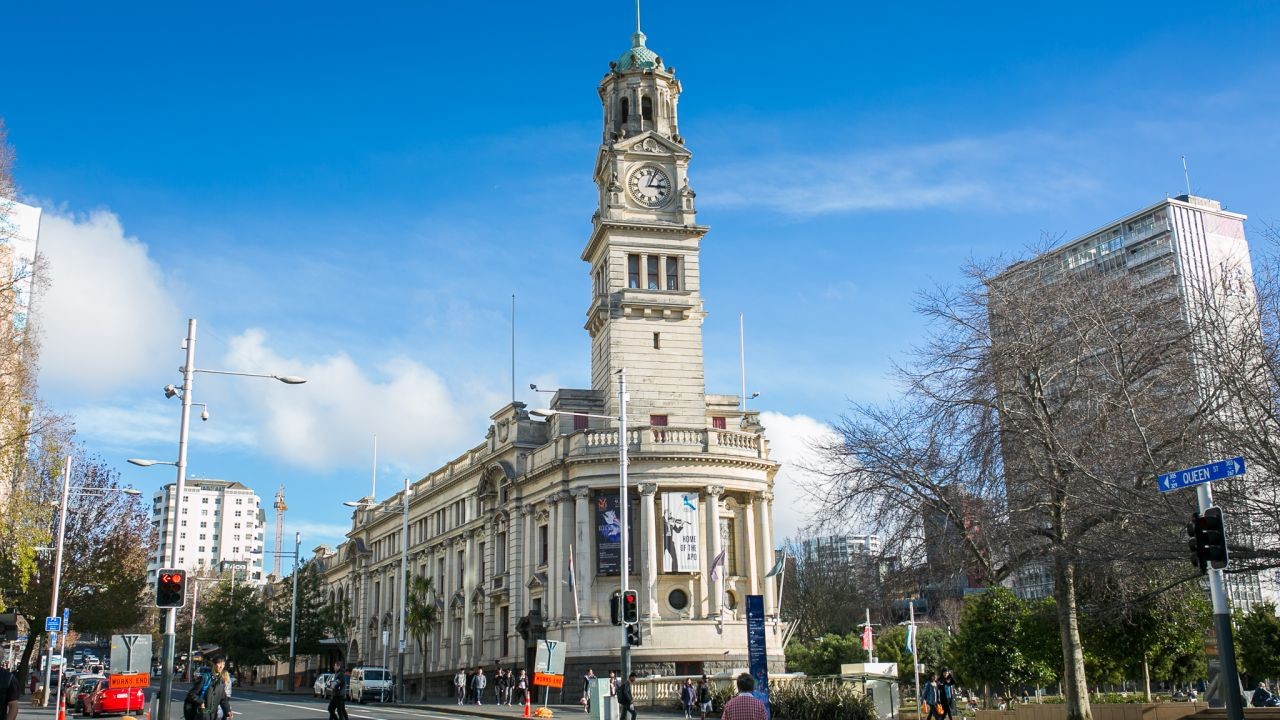
The announcement of a one-off Sir Dave Dobbyn concert at the Auckland Town Hall is, on its surface, a cultural footnote. For a technology strategist, however, it is a high-fidelity signal in a noisy market—a microcosm of a profound, sector-wide transformation. This event is not merely a nostalgic gathering; it is a sophisticated data point in the evolving equation of New Zealand's experience economy. It underscores a critical pivot from mass-scale, low-margin volume plays to targeted, high-value experiential offerings, a shift being accelerated by digital enablement and shifting consumer priorities. Understanding the strategic architecture behind this trend is essential for any business operating in or adjacent to New Zealand's creative and tourism sectors.
The Historical Pivot: From Commoditised Access to Curated Experience
For decades, the commercial logic of music and live events was largely industrial: maximise ticket sales, fill large venues, and leverage broadcast or recorded media for ancillary revenue. Success was measured in units sold and bums on seats. This model, while effective, treated the cultural product as a somewhat standardised commodity. The digital revolution of the early 2000s, spearheaded by file-sharing and later streaming platforms, decimated the traditional recorded music revenue stream, forcing a fundamental strategic rethink. The industry's salvation, and its future, became the live experience—an inherently non-fungible, non-replicable event.
New Zealand's economy, with its significant reliance on tourism and services, provides a compelling backdrop for this shift. According to Stats NZ, the arts and recreation services industry saw a 12.4% increase in total sales volume in the December 2023 quarter, significantly outpacing many other service sectors. This isn't just post-pandemic recovery; it's indicative of resilient consumer demand for curated, real-world experiences. The Dobbyn concert, targeting a specific demographic with a high willingness-to-pay for a unique, intimate setting in a historic venue, is a textbook example of this premiumisation strategy. It moves beyond selling a performance to selling a memory, a social token, and a sense of exclusive participation.
Case Study: The Rise of "Slow Tourism" and its Digital Enablers
This trend mirrors a parallel evolution in New Zealand's tourism sector, moving from the high-volume, coach-tour model to what is termed "slow" or "experiential" tourism. A pertinent global case study with direct application to New Zealand is the transformation of Scott Dunn, a high-end travel operator.
Case Study: Scott Dunn – From Booking Agent to Experience Architect
Problem: Scott Dunn, a luxury travel company, faced the commoditisation of high-end travel. Clients could book luxury hotels and flights independently. Their challenge was to demonstrate unparalleled value beyond simple logistics, moving from being a booking agent to an indispensable experience architect. The risk was irrelevance in a digitally empowered market.
Action: Scott Dunn invested heavily in a hyper-personalised, data-driven approach. They deployed a proprietary client profiling system and built a global network of local experts ("Dunnologists"). Technology was used not to automate the human out of the process, but to empower their specialists with deep data insights on client preferences, enabling them to curate utterly unique, off-the-script itineraries. They focused on exclusive access: private after-hours tours of the Vatican, cooking with Michelin-starred chefs in their homes, or guided wildlife encounters unavailable to the public.
Result: This strategic pivot yielded significant metrics:
- Client Retention: Achieved a repeat booking rate of over 65%, far exceeding industry averages.
- Average Transaction Value: Increased substantially as clients paid premiums for bespoke access.
- Brand Equity: Transformed from a travel company to a synonym for exclusive, transformative experience.
Takeaway: For New Zealand, the lesson is stark. The future of high-value tourism lies not in competing on price for coach seats to Milford Sound, but in leveraging technology and local knowledge to create premium, data-informed experiences. Imagine AI-driven platforms that match visitors with hyper-specific interests (e.g., endemic alpine botanists, boutique winemakers, or master carvers) for private workshops, or apps that offer augmented reality-enhanced heritage walks in places like the Auckland Town Hall itself. The Dobbyn concert is a single instance of this "exclusive access" model applied to entertainment.
The Strategic Deep Dive: Technology as the Invisible Conductor
The seamless execution of a premium experience like the Winter Concert Series hinges on an integrated technology stack that remains largely invisible to the end consumer. This is where strategy separates from mere ticket sales.
First-Party Data & Personalisation: The ticket purchase is the first node in a data relationship. Strategic promoters use this to build detailed first-party data profiles, moving beyond generic email blasts. Analysis of purchase history, seating preference, and merchandise buys allows for micro-segmented marketing for future events. For a New Zealand promoter, this data is gold dust, allowing them to predict demand for similar heritage acts or intimate venues with greater accuracy, optimising marketing spend and inventory planning.
Dynamic Pricing & Yield Management: Borrowed from airline and hotel industries, sophisticated algorithms adjust ticket prices in real-time based on demand, seat location, and purchase timing. This maximises revenue from high-demand events (like a one-off Dobbyn concert) and ensures fuller houses for others, improving overall venue economics. The Reserve Bank of New Zealand's focus on inflation management and consumer spending patterns makes this pricing efficiency critical for event viability in a tight economic climate.
The Venue as a Platform: Historic venues like the Auckland Town Hall are no longer just passive spaces. They are being retrofitted as integrated platforms. This includes robust WiFi for social sharing, cashless payment ecosystems for concessions and merchandise, and even sensor networks to monitor crowd flow and enhance safety. This technological layer enhances the experience while generating valuable operational data.
The Great Debate: Democratisation vs. Exclusive Premiumisation
This strategic shift sparks a fundamental industry debate with two clear, opposing viewpoints.
Side 1: The Advocate for Premiumisation & Sustainability
Proponents argue that the move towards fewer, higher-value events is not elitist but essential for sector sustainability. The collapse of recorded music revenue means artists and crews rely on live performance. High-margin, exclusive events generate the revenue needed to fund artistic careers, preserve historic venues, and pay technical staff living wages. In a New Zealand context, with its limited population scale, chasing global stadium tours is a high-risk game. Cultivating a robust ecosystem of mid-sized, premium experiences creates a more resilient and economically viable creative industry. Technology enables this by reducing marketing waste and optimising revenue.
Side 2: The Critic of Cultural Accessibility & Algorithmic Bias
Critics contend this model erodes the democratic heart of culture. It prices out younger, less affluent audiences, turning shared cultural moments into luxury goods. Furthermore, they warn of an over-reliance on algorithmic curation—where data from past successes (like a nostalgic Kiwi icon) dictates future programming, creating a feedback loop that stifles innovation and marginalises new, diverse voices. The risk is a cultural calendar dominated by safe, data-validated heritage acts, calcifying the scene.
The Middle Ground: Hybridised Models & Strategic Philanthropy
The strategic middle ground involves hybrid models. A promoter might use the high margins from a premium Town Hall concert to cross-subsidise a free summer festival series or fund emerging artist development programs. Technology can be deployed to broaden access, such as offering a limited number of digitally lottery-won tickets at lower price points or producing high-quality, paid live streams for remote audiences. The New Zealand government's cultural funding agencies, like Creative New Zealand, play a crucial role here, using policy and grants to ensure the ecosystem supports both commercial viability and broad accessibility.
Common Myths and Strategic Mistakes to Avoid
Myth 1: "A sold-out event is always a successful event." Reality: Strategic success is measured in profitability, brand equity, and data capture, not just a "Sold Out" sign. An event can sell out yet lose money due to poor cost control, or it can fail to capture the data needed to replicate success. The real metric is Customer Lifetime Value (CLV) generated from the attendee.
Myth 2: "Technology's primary role is to cut costs." Reality: The biggest mistake is viewing tech as a simple cost-saving tool. Its highest-value application is in enhancing the experience and generating strategic insights. A mistake is investing in a flashy app that no one uses, while neglecting the underlying CRM that builds fan relationships.
Myth 3: "The experience economy is immune to economic downturns." Reality: While resilient, it is not immune. A 2023 MBIE report on consumer spending highlights that discretionary expenses on recreation and culture are among the first to be scrutinised during cost-of-living pressures. The mistake is failing to segment offerings—during economic tightening, a mix of ultra-premium (for the resilient affluent) and cleverly priced, high-value experiences is crucial.
Myth 4: "Social media buzz is the ultimate KPI." Reality: Virality is fickle and often monetises poorly. The strategic mistake is prioritising buzz over building a direct, owned audience. A smaller, deeply engaged email list is far more valuable than a large number of passive social media followers.
Future Forecast: The Five-Year Horizon for NZ's Experience Sector
The trajectory is towards deeper integration of the physical and digital, creating new value layers. We can anticipate:
- Phygital Membership Models: Subscriptions that offer a blend of exclusive in-person events (like pre-concert soundcheck access) with digital content (artist interviews, behind-the-scenes footage), creating year-round engagement beyond one-off tickets.
- Immersive Tech Integration: Using Augmented Reality (AR) within venues like the Town Hall to overlay historical performances or visual art onto the live event, creating a unique, multi-layered experience that cannot be replicated at home.
- Asset Tokenisation: Exploring blockchain-based mechanisms for verifiable limited edition digital merchandise (digital posters, unique audio NFTs from the soundboard) tied to the ticket, creating new revenue streams and collectible value.
- Predictive Curation: Advanced AI will move beyond basic recommendation engines to analyse broader cultural sentiment, local economic data from Stats NZ, and global trend flows to help promoters and venues predict demand for specific types of experiences with uncanny accuracy, de-risking investment in innovative programming.
Final Strategic Takeaways
- Data is the New Repertoire: For cultural institutions and promoters, the strategic asset is no longer just the artist booking; it's the first-party data and the analytical capability to derive insight from it.
- Premiumisation is a Strategy, Not a Fluke: The Dobbyn concert is a deliberate move up the value chain. In a small market, competing on quality of experience yields better margins and more sustainable businesses than competing on volume.
- Technology's Role is Experiential, Not Just Transactional: Invest in tech that makes the live experience smoother, more personal, and more shareable, from ticketing to exit.
- Hybridise for Resilience: Use high-margin events to fund accessibility and innovation. Balance algorithmic efficiency with human curatorial risk-taking to keep the cultural landscape vibrant.
The "one-off concert" is a strategic blueprint. It reveals an industry maturing from pure artistry and logistics into a complex, technology-enabled experience economy. For New Zealand businesses, the imperative is clear: stop selling commodities and start architecting unforgettable, data-informed moments. The future belongs not to the biggest crowd, but to the most engaged one.
People Also Ask (PAA)
How does the experience economy impact New Zealand's GDP? The experience economy, encompassing tourism, events, and hospitality, is a major contributor. While precise isolation is complex, tourism alone directly contributed 5.5% to New Zealand's GDP pre-pandemic (Stats NZ). The strategic shift towards high-value experiences aims to increase yield per visitor, directly boosting this contribution.
What are the risks of over-relying on data for cultural programming? The primary risk is cultural homogenisation. Algorithms optimise for past success, potentially creating a feedback loop that marginalises innovative, diverse, or niche artists. Strategic curation requires balancing data insights with human expertise to foster a dynamic, evolving cultural scene.
What technology should a small NZ venue invest in first? Prioritise a robust, integrated Customer Relationship Management (CRM) and ticketing platform that captures first-party data. This foundational asset enables personalised marketing, dynamic pricing, and valuable audience insights, offering the highest strategic return on investment for future programming and sustainability.
Related Search Queries
- future of live events New Zealand technology
- economic impact concert tourism NZ
- how to monetize experience economy NZ
- data analytics for event promoters New Zealand
- Auckland Town Hall event technology upgrades
- NZ music industry trends 2024 live performance
- premium vs mass market events strategy
- dynamic pricing tickets New Zealand legality
- Creative New Zealand funding digital innovation
- phygital experiences in heritage venues NZ
For the full context and strategies on Sir Dave Dobbyn announces one-off Auckland Town Hall concert in June for Winter Concert Series – The Untold Story Behind Its Rise in NZ, see our main guide: Real Estate Agent Personal Branding Videos Nz.