





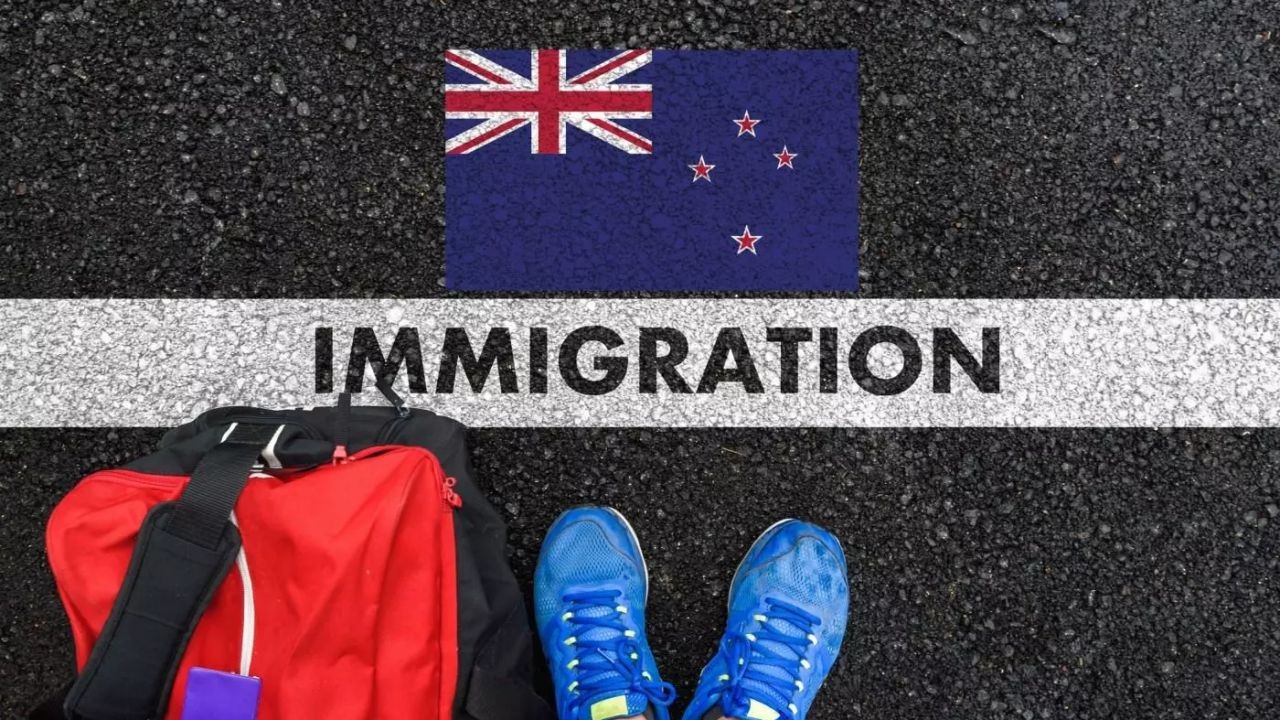
For a nation built on the promise of a better life, New Zealand’s relationship with immigration is both foundational and fraught. As a sustainability advocate, I view our immigration framework not merely through a lens of border control, but as a critical lever for shaping a resilient, thriving, and genuinely sustainable future. Sustainability, at its core, is about balancing environmental, social, and economic needs for the long term. It demands we ask not just "how many," but "who, why, and to what end?" The current debate around the strictness of our legal framework often misses this holistic point. It’s a conversation mired in short-term political cycles and reactionary rhetoric, rather than a strategic vision for the Aotearoa we wish to build for generations to come. Let's reframe the discussion: Is our system too strict, or is it simply not smart enough for the challenges and opportunities of the 21st century?
The Tightrope Walk: Pros and Cons of a Stringent System
Evaluating the strictness of New Zealand's immigration settings requires a balanced view of their intended and unintended consequences. From a sustainability perspective, both the benefits and drawbacks have profound implications for our social fabric, infrastructure, and economic vitality.
✅ The Protective Advantages of a Robust Framework
A well-regulated system is not inherently anti-sustainability; in fact, it can be its guardian. Strict controls allow for managed growth, preventing the kind of rapid, unplanned population surges that can overwhelm public infrastructure, housing, and natural environments. This is crucial for preserving our "clean, green" brand and quality of life. Furthermore, a points-based system like the one administered by Immigration New Zealand (INZ) is designed to select for skills that fill genuine gaps, theoretically boosting productivity and innovation. The recent rebalancing towards higher-skilled, higher-waged migrants aligns with a vision of a high-value, sustainable economy. It also provides a mechanism to uphold domestic wage standards and worker rights, ensuring newcomers complement rather than undercut the existing workforce—a key tenet of social sustainability.
❌ The Sustainability Costs of Excessive Rigidity
However, when strictness morphs into inflexibility, the costs mount. The most glaring issue is the exacerbation of critical skill shortages that directly hinder our sustainable development goals. New Zealand's ambitious climate action and infrastructure plans are being held back by a lack of specialized talent. A 2023 report by the Ministry of Business, Innovation and Employment (MBIE) highlighted severe shortages in construction, engineering, and healthcare—sectors pivotal to building climate-resilient communities and a healthy population. When a qualified civil engineer specializing in sea-level rise mitigation faces a 12-month visa processing delay, our national resilience suffers.
From a social sustainability standpoint, the human cost of family separation and the precarity of temporary visa statuses can undermine community cohesion and well-being. The system can also be paradoxically weak on environmental metrics, prioritizing salary thresholds over the green skills or sustainable industry experience of applicants. Economically, the strict post-pandemic settings have had a tangible impact. The Reserve Bank of New Zealand noted in 2023 that slower-than-expected net immigration contributed to ongoing tightness in the labour market, fuelling wage-pressure inflation and constraining economic capacity. This creates a difficult trade-off between controlling inflation and enabling growth.
A Comparative Lens: How Does New Zealand Measure Up?
Placing New Zealand’s approach alongside peers reveals we are neither the most restrictive nor the most agile. Countries like Canada and Australia operate similarly points-based systems but have been notably more aggressive and proactive in targeting global talent in key future-focused sectors. Canada’s Express Entry system, for instance, has held category-based selection draws for candidates with specific skills in STEM, healthcare, and trades. This is a targeted, strategic approach New Zealand has been slower to adopt at scale.
Conversely, compared to nations within the EU with free movement agreements, New Zealand’s system is inherently stricter by design due to our geographic isolation. The more relevant comparison is our competitiveness for the same global talent pool as Canada, Australia, and the UK. Here, processing times, clarity of pathways to residency, and the overall "welcoming" experience become critical. Anecdotal evidence from migration forums suggests New Zealand is increasingly perceived as a harder, slower, and less certain destination, risking a long-term drain of talent to more administratively efficient competitors. This isn't about a race to the bottom on standards, but a race to the top on smart, efficient administration.
Case Study: The Green List – A Step Forward, But Is It Enough?
The introduction of the Green List in 2022 is a prime, real-world example of New Zealand attempting to inject strategic thinking into its immigration framework. It was a direct response to the criticism that the system was not aligned with long-term economic needs.
Problem:
New Zealand faced a chronic and deepening shortage of skilled professionals in sectors critical to its economy and public services. The old system treated a museum curator and a cardiac surgeon largely the same under the broad "skilled migrant" category, lacking nuance. There was no fast-tracked pathway for the most urgently needed roles, leading to lost candidates and frustrated industries.
Action:
The government launched the Green List, featuring over 85 hard-to-fill, high-skill roles across construction, engineering, health, and tech. The list has two tiers: "Tier 1" roles eligible for a straight-to-residence pathway, and "Tier 2" roles leading to residence after working for two years in New Zealand. This was paired with streamlined accreditation for employers.
Result:
Early data indicates partial success. Immigration New Zealand reports a significant portion of recent resident visas have been granted to Green List occupations. However, industry feedback suggests the list is not dynamic enough. Roles in emerging green tech, renewable energy installation, and climate adaptation are not explicitly featured. The process remains bureaucratic, and the list's rigidity means it can become outdated quickly in fast-moving sectors. It’s a good first draft of a strategic approach, but it lacks the continuous review mechanism and speed required for true sustainability.
Takeaway:
The Green List proves targeted immigration is possible. The lesson for a sustainable future is that such tools must be living documents, co-designed with industry and sustainability experts, and updated at least annually to reflect our evolving national priorities, such as the transition to a low-emissions economy.
Debunking Myths: Separating Fear from Fact
To have a constructive conversation, we must first dismantle the pervasive myths clouding the immigration debate.
Myth 1: "More immigrants always mean more environmental degradation." Reality: This is an oversimplification. Environmental impact is a function of consumption patterns, urban design, and technology, not just population. A well-planned influx of skilled migrants working in renewable energy, public transport engineering, and regenerative agriculture can be a net positive for our environmental goals. The challenge is integrating sustainability criteria into settlement and urban planning, not closing the door.
Myth 2: "Strict immigration protects Kiwi wages." Reality: While a completely open market could suppress wages, the current evidence suggests the opposite problem. Excessive strictness in key sectors can limit economic output and productivity, which are the true drivers of sustainable wage growth. As the Reserve Bank has indicated, extreme labour shortages can create wage-price spirals in specific industries without solving the underlying capacity issue.
Myth 3: "Our infrastructure simply can't handle more people." Reality: This confuses cause and effect. Infrastructure deficits are a failure of long-term planning and investment, not an immutable law. Migrants, particularly those in construction and civil engineering, are part of the solution to building the housing, water, and transport systems we need. A smarter system would actively recruit the very people who can build our sustainable infrastructure.
Towards a Sustainable Immigration Framework: A Step-by-Step Guide
Reforming our approach requires moving beyond binary "strict vs. loose" arguments. Here is a step-by-step vision for a smarter, more sustainable system:
- Embed Sustainability in the Points System: Introduce bonus points for qualifications, work experience, or research in recognised green industries, climate science, and sustainable practices. Make Aotearoa a magnet for the talent driving the global ecological transition.
- Create a Dynamic, Responsive Green List: Establish an independent, expert-led commission (including industry and sustainability representatives) to review and update the Green List quarterly. Integrate real-time labour market data and future skills forecasts.
- Fast-Track the Builders of Our Future: Drastically reduce processing times for applications in Tier 1 Green List categories and for major infrastructure projects of national significance. Time is a resource we cannot afford to waste.
- Invest in Integration as a Sustainability Strategy: Tie regional settlement strategies to long-term regional development plans. Direct newcomers to areas where their skills meet community needs and where housing and infrastructure capacity is being proactively developed, easing pressure on major cities.
- Measure What Matters: Shift performance metrics for Immigration NZ beyond just processing times. Include measures like "skills matched to priority sector vacancies," "regional dispersal rates," and "long-term retention of skilled migrants."
The Future of Immigration in Aotearoa: A Strategic Imperative
The trajectory is clear. As noted by demographers at Stats NZ, even with moderate migration, New Zealand’s population is aging. Our future productivity and ability to fund world-class public services and the climate transition will rely on a thoughtful blend of upskilling our domestic workforce and selectively attracting global talent. The next decade will see a fierce global competition for skills in renewable energy, digital tech, and healthcare. The countries that win will have nimble, welcoming, and strategically focused systems. New Zealand’s framework must evolve from being a passive gatekeeper to an active curator of the human capital we need to build a thriving, sustainable society.
Final Takeaway & Call to Action
The question is not whether New Zealand's immigration framework is too strict, but whether it is strategically fit for purpose. A system that is merely strict protects the status quo; a system that is smart and sustainable builds our future. We need a framework that acts as a bridge, not just a barrier—connecting our nation’s profound challenges with the global talent pool that can help solve them.
This is a conversation that goes beyond politics. It’s about the legacy we leave. I challenge you, as engaged citizens and advocates, to elevate the discussion. Contact your local MP, submit on immigration consultations, and advocate for policies that view newcomers not as a problem to be managed, but as partners in building a more resilient Aotearoa. What specific skill or perspective do you believe New Zealand most urgently needs to import for a sustainable future? Share your vision below.
People Also Ask (PAA)
How does immigration impact New Zealand's sustainability goals? Immigration directly impacts all three pillars of sustainability. Economically, it can fill critical skill gaps for the climate transition. Socially, it affects community cohesion and public service capacity. Environmentally, it influences urban planning and consumption patterns. A smart system aligns migrant inflows with these long-term goals.
What is the Green List and is it working? The Green List is a policy fast-tracking residency for over 85 high-skill roles. It’s a step in the right direction by targeting specific needs, but critics say it’s not updated frequently enough and misses emerging "green" jobs, limiting its effectiveness for long-term strategic sustainability.
What are the biggest mistakes in New Zealand's current immigration policy? The biggest mistakes are rigidity, slow processing, and a lack of dynamic targeting. Treating all sectors equally, taking months to process urgent applications, and failing to quickly adapt the Green List to include green tech roles are costly errors that hinder economic and environmental progress.
Related Search Queries
- New Zealand skilled migrant category points 2024
- Green List jobs New Zealand eligibility
- Immigration New Zealand processing times
- New Zealand population growth sustainability
- Skill shortages New Zealand construction healthcare
- Compare NZ immigration to Canada Australia
- Impact of immigration on NZ housing market
- Pathway to residency New Zealand
- Climate change jobs New Zealand immigration
- New Zealand regional migration strategy
For the full context and strategies on Is the Legal Framework for Immigration in New Zealand Too Strict? – What You Absolutely Need to Know, see our main guide: Wildlife Nature Tourism Videos Aotearoa.