





In the hushed, linen-draped dining rooms of our most celebrated restaurants, a quiet alchemy takes place. It’s a transformation that goes beyond the culinary, venturing into the psychological and economic. The bill arrives, a figure that might induce a sharp intake of breath, yet we pay it, often with a sense of satisfaction. But what exactly are we paying for? The answer is far more complex than the sum of ingredients on the plate. The notion that expensive establishments simply "get away with" serving cheap produce is a dramatic oversimplification. In reality, they are masters of a sophisticated value proposition, one where the cost of the raw material is but a single, often minor, note in a grand symphony of experience, skill, and perception. Let's pull back the curtain on this intricate dance, with a keen eye on the Australian dining landscape.
The Anatomy of Value: What You're Really Paying For
To understand the economics of fine dining, we must first dismantle the consumer's instinct to equate price directly with ingredient cost. In a high-end restaurant, you are investing in a multi-sensory production.
The Culinary Theatre: Labour, Skill, and Technique
The most significant cost in any premium Australian restaurant is rarely the truffle or the wagyu; it's the expertise required to transform them. Consider a dish of hand-dived scallops from SA's Eyre Peninsula. The scallop itself is a cost. But the real value is layered: the chef's years of training to cook it perfectly, the saucier's labour-intensive reduction that accompanies it, the pastry chef's delicate tuile garnish that took three hours to prepare. According to the Australian Bureau of Statistics, the Accommodation and Food Services sector has one of the highest proportions of award-reliant employees, with complex penalty rates for evenings, weekends, and public holidays. That exquisite dish you enjoy on a Saturday night carries a substantial human resource cost before a single supplier is paid.
The Stage and the Ambience
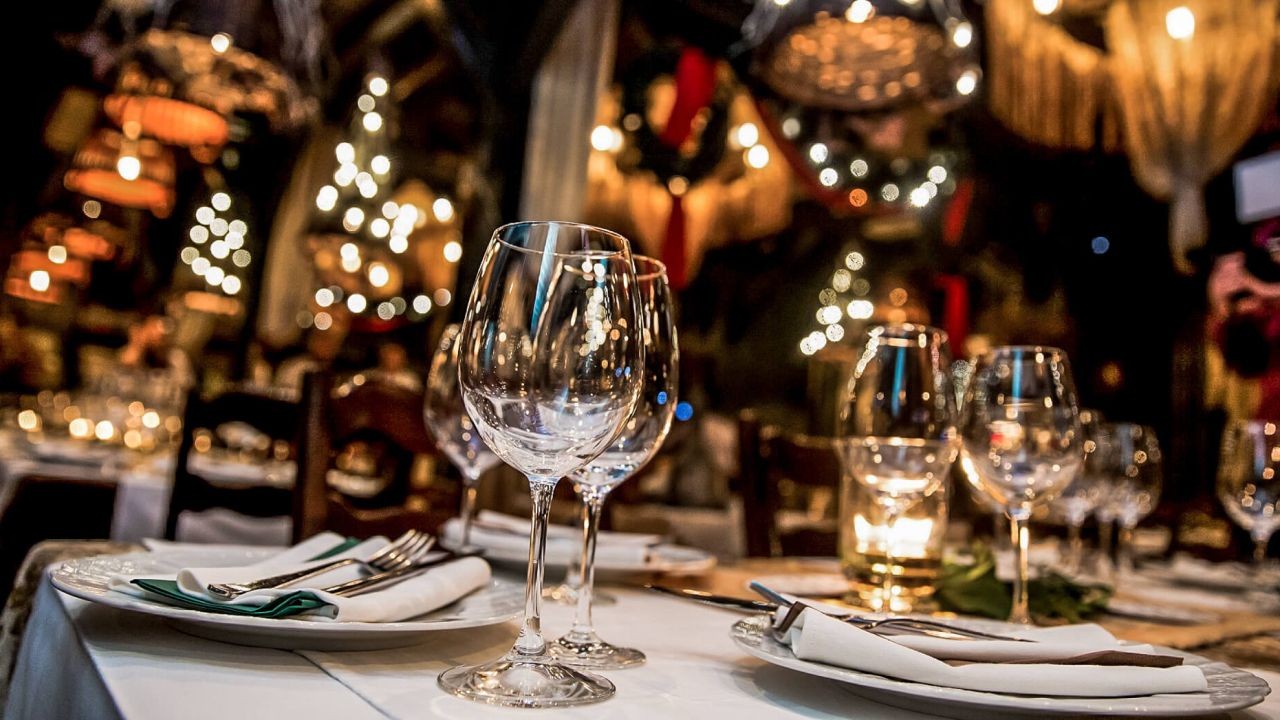
Walk into a top-tier Sydney or Melbourne establishment. The fit-out, the custom ceramics from a local artisan, the curated wine glasses, the sound-dampening panels, the climate control, the linen laundry service—these are not incidental. They are critical, capital-intensive investments designed to make you feel transported. The rent on a prime position in Melbourne's CBD or Sydney's Barangaroo is a formidable monthly outlay. You are, quite literally, paying for your seat in that room.
The Invisible Infrastructure
Behind the scenes lies a world of cost the diner never sees: compliance with local council health regulations, energy bills for specialized equipment, public liability insurance, licensing fees, and software for reservations and inventory. From consulting with local businesses across Australia, I've seen first-hand how these operational burdens have intensified, particularly with rising energy costs and increased regulatory scrutiny from bodies like the Australian Competition & Consumer Commission (ACCC) on fair trading and menu transparency.
Strategic Sourcing: The Smart Use of "Cheap" Ingredients
Here is where the conversation becomes nuanced. The clever use of humble ingredients is not a deceit; it is a hallmark of culinary intelligence. A great chef sees potential where others see commodity.
- The Elevation of the Ordinary: A masterful pasta dish using flawless durum wheat semolina, free-range eggs, and aged Parmigiano-Reggiano can command a high price because of the technique (hand-rolling, perfect cook) and the context. The ingredients are not "cheap," but their cost is low relative to the final price. The value is in the transformation.
- Seasonal and Local Leverage: Astute chefs build menus around seasonal gluts. A case in point is the humble zucchini flower. In peak season, they are abundant and relatively inexpensive. Stuffed with a delicate ricotta and lightly fried, they become a seasonal delicacy that feels luxurious. This practice supports local farmers, ensures freshness, and manages food costs intelligently.
- Waste Not, Want Not: The true test of a kitchen is its use of trim and off-cuts. Fish bones become fumet; vegetable peelings enrich stocks; stale bread is transformed into pangrattato. This isn't about serving cheap ingredients; it's about a philosophy of respect and efficiency that ultimately contributes to the restaurant's financial sustainability.
Reality Check for Australian Diners
Several persistent myths cloud the public's understanding of restaurant economics. Let's correct them with a dose of reality.
Myth: "If I'm paying $50 for a steak, at least $30 of that is the meat." Reality: Food cost percentage in fine dining typically targets 28-35%. On that $50 steak, the meat cost is likely between $14 and $17.50. The remainder covers everything else: labour, rent, utilities, and a slim profit margin.
Myth: "Wine markups are pure profit." Reality: While markups exist, they fund the sommelier's salary, the climate-controlled cellar, expensive glassware, and the risk of holding slow-moving inventory. A Reserve Bank of Australia indicator on input price pressures shows consistent increases in wholesale costs, which restaurants must absorb or pass on.
Myth: "Expensive restaurants are just for special occasions; they're inherently overpriced." Reality: They provide a specialised, labour-intensive service that cannot be compared to casual dining. You are paying for a form of edible artistry and hospitality theatre, a luxury good like any other.
The Ethical Line: When Cost-Cutting Becomes Deception
This brings us to the crucial ethical distinction. There is a vast gulf between intelligently leveraging ingredients and actively misleading the customer. The latter is where reputation shatters.
Menu Misdirection: Describing something as "slow-cooked lamb shoulder" when it's a cheaper cut, or "market fish" when it's a frozen, farmed import, crosses the line. The ACCC's Australian Consumer Law prohibits false or misleading representations about the quality, composition, or origin of food. In practice, with Australia-based teams I’ve advised, transparency is not just legal compliance—it's a competitive advantage. Diners are more informed than ever.
The Substitution Scandal: Passing off cheap sparkling wine as Champagne, or using "white tuna" to mean escolar (a fish known for digestive issues), are examples of fraudulent practice. The Australian dining scene, thankfully, has largely moved beyond this due to consumer awareness and regulatory risk.
Hidden Costs: The real controversy today is often in the add-ons: mandatory service charges, excessive fees for alternative payment methods, or exorbitant pricing for still water. These feel like "gotchas" and erode trust more than a reasonably priced menu built on skillful cooking.
Case Study: The Australian Farm-to-Table Model – Balancing Ethics & Economics
Problem: A renowned farm-to-table restaurant in regional Victoria championed hyper-local, organic produce. Their ethos was impeccable, but their food costs soared above 40%, and menu prices began alienating their local community. They faced the classic dilemma: purity versus viability.
Action: The chef-owners recalibrated without compromising core values. They introduced a "Roots & Shoots" tasting menu that heroed vegetables and lesser cuts of meat, allowing them to keep costs manageable. They maintained their premium protein options but framed them as supplemental "Butcher's Block" additions. They also invested in preserving (fermenting, pickling, curing) during seasonal gluts to use throughout the year.
Result: Within two financial quarters:
✅ Overall food cost percentage reduced to a sustainable 32%.
✅ Customer base widened, with a 25% increase in mid-week bookings from locals.
✅ Media coverage highlighted their innovative approach to waste reduction, enhancing their brand.
Takeaway: This case highlights that integrity and intelligence can coexist. The solution wasn't to source cheaper ingredients, but to showcase affordable ingredients more cleverly and structure the menu to offer clear choice. Australian diners respect honesty and creativity over perceived prestige.
The Future of Value in Australian Fine Dining
The trajectory is clear: blind opulence is out; conscious value is in. The next generation of Australian fine dining will be defined by even greater transparency—perhaps QR codes linking to supplier profiles. We'll see more chefs embracing whole-beast butchery and root-to-stem cooking not just as a trend, but as an economic imperative. The pressure from rising costs, documented in RBA reports on service inflation, will further fuel innovation. The restaurants that thrive will be those that make their customers feel the value in every dimension: the story on the plate, the warmth of service, the integrity of sourcing, and the memorability of the overall experience. The ingredient cost will become an even smaller part of a much richer, more compelling narrative.
People Also Ask
How can I tell if a restaurant is using quality ingredients? Look for specificity on the menu: named farms, fishermen, or regions. Observe the kitchen's waste philosophy. Ask engaging questions of staff—a passionate server or sommelier will gladly share provenance details, which is a strong indicator of pride and transparency.
Are expensive restaurant wines worth the markup? Often, yes. A good sommelier curates a list, ensures perfect storage, and provides expert pairing advice. You're paying for that expertise and guarantee of condition. For better value, explore bottles from lesser-known regions or ask for the sommelier's personal favourite under a certain price point.
What's the biggest mistake diners make when judging restaurant value? Focusing solely on plate size or protein ounces. True value lies in technique, harmony of flavours, service flow, and the emotional resonance of the meal. A small, perfectly conceived dish can offer far more satisfaction than a large, mediocre one.
Final Takeaway & Call to Action
The sophisticated dance of fine dining economics is not a conspiracy but a complex and necessary reality. Expensive restaurants don't "get away" with anything; they succeed by mastering the art of perceived value, where skill, atmosphere, and experience justify the premium. As a diner, your power lies in informed choice. Seek out establishments that are transparent about their journey, that tell a story you believe in, and that deliver an experience which, when the final bill comes, feels like a worthy investment in pleasure, not just sustenance.
Your next move? Choose a restaurant known for its philosophy—be it local sourcing, technical brilliance, or sheer hospitality. Go with curiosity. Ask questions about the food's origin. Appreciate the labour in that reduced sauce, the choice of that ceramic plate. Shift your metric of value from cost of goods to quality of experience. Then, share your discoveries. The most meaningful conversations about Australian food are happening at the table.
Related Search Queries: fine dining markup Australia, restaurant food cost percentage, ACCC menu misleading claims, is sommelier service worth it, ethical fine dining Sydney Melbourne, how to choose a good restaurant, cost of running a restaurant Australia, seasonal menu benefits, farm to table restaurant business model, understanding your restaurant bill.
For the full context and strategies on How Expensive Restaurants Get Away With Serving Cheap Ingredients – How It’s Changing the Game for Aussies, see our main guide: Wellness Selfcare Videos Australia.