




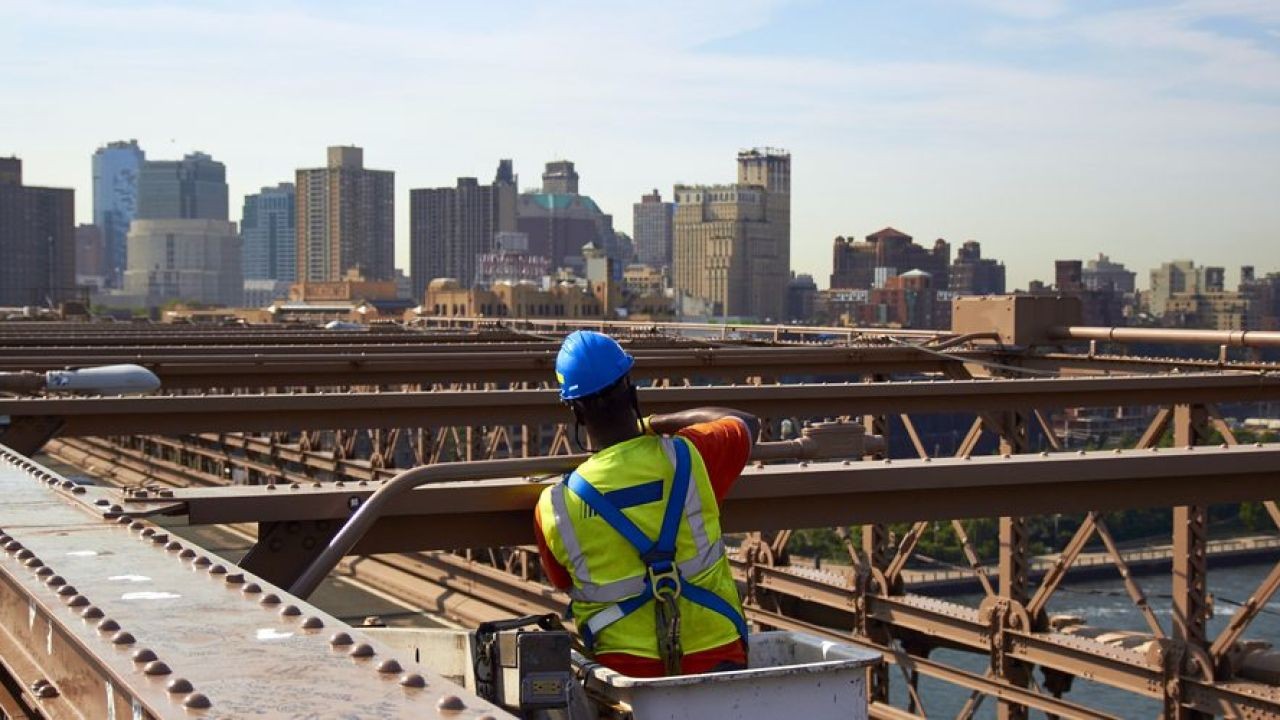
Forget the dramatic collapse footage; the real story of bridge maintenance is a slow, silent erosion of value and safety. As a business owner who has managed commercial properties and infrastructure contracts in New Zealand, I've seen firsthand how a reactive approach to asset management is a direct drain on the bottom line. It’s not just a council problem; it’s a national economic one. The resilience of our supply chains, the safety of our communities, and the efficiency of our businesses hinge on the integrity of these critical links. In a country defined by its rugged terrain and scattered population, our bridges are the literal connectors of commerce. Let's move beyond the basics and delve into the strategic, data-driven, and often contentious world of modern bridge stewardship.
The New Zealand Context: A Network Under Pressure
To understand the challenge, we must first look at the numbers. According to Waka Kotahi NZ Transport Agency's 2023 National State Highway Bridge Condition Report, over 15% of the state highway bridge network is considered to be in 'Poor' or 'Very Poor' condition. More critically, the report notes a significant portion of our bridges are now entering the period of their design life where major intervention costs escalate rapidly. This isn't an abstract infrastructure issue; it's a tangible business risk. A single lane closure on a key freight route, like the Brynderwyns or the Kaimai Range, can cost the regional economy hundreds of thousands of dollars per day in delays and detours.
From my experience with NZ SMEs in the transport and primary sectors, this data translates directly to unpredictability. A contractor can't guarantee delivery times if key routes are perpetually under repair. A producer's just-in-time logistics fail when a critical rural bridge gets a weight restriction. The government's recent $1.2 billion boost for regional road resilience is a start, but it barely scratches the surface of the deferred maintenance backlog. The conversation must shift from mere funding to smarter, more predictive management of the assets we have.
Key Actions for Kiwi Business Owners
- Map Your Dependencies: Identify which bridges are critical to your supply chain, employee commute, or customer access. Don't just know the route; know the specific structures.
- Engage with Local Councils: Attend Long-Term Plan (LTP) consultations. Business submissions that quantify the economic impact of bridge failures or restrictions carry significant weight in funding prioritisation.
- Factor in Resilience: When calculating logistics costs, build in a contingency for potential bridge-related disruptions, especially if you rely on a single, aging structure.
Debate & Contrasting Views: Reactive Repair vs. Predictive Preservation
A fundamental divide exists in bridge management philosophy. The traditional, budget-conscious approach is reactive: fix it when it breaks or shows obvious signs of distress. The modern, data-driven approach is predictive and preservative: use technology to monitor asset health and intervene early to extend lifespan.
The Advocate View: Predictive Preservation Saves Money
Proponents, including most modern asset managers and engineers, argue that predictive preservation is overwhelmingly more cost-effective. The rule of thumb in infrastructure is that every $1 spent on timely preservation saves $6-$10 on future rehabilitation or replacement. Technologies like embedded fibre-optic sensors, drone-based photogrammetry, and AI-powered image analysis of corrosion patterns allow for micro-interventions—spot repairs, targeted waterproofing, localised strengthening—that prevent wholesale degradation. This approach minimises disruptive full closures and extends asset life by decades.
The Critic View: The High Cost of High-Tech
Skeptics, often found in cash-strapped provincial councils or among fiscally conservative ratepayers, counter that the upfront cost of sophisticated monitoring systems is prohibitive. They argue that for many low-volume rural bridges, a simple visual inspection regime is sufficient, and funds are better spent on tangible repairs for the most dilapidated structures. There's also a skills gap; interpreting complex sensor data requires specialised engineers, a resource in short supply outside main centres.
The Middle Ground: A Hybrid, Risk-Based Model
The most pragmatic path forward, and one I've advocated for in local government submissions, is a risk-based hybrid model. Not every bridge needs a suite of IoT sensors. Prioritise continuous monitoring for high-traffic, high-economic-value structures and critical lifeline routes (post-earthquake access for emergency services). For lower-risk bridges, enhance traditional visual inspections with periodic advanced tools—biennial LiDAR scans or drone surveys, for example—to build a digital twin and track degradation rates over time. This balances cost with insight, applying the right level of scrutiny to the right asset.
Case Study: The Mangawhai Estuary Bridge – A Lesson in Proactive Intervention
Problem: The Mangawhai Estuary Bridge in Northland, a key tourist and residential route, was exhibiting accelerated corrosion in its pre-stressed concrete beams due to the harsh marine environment. Traditional inspection methods were missing the subsurface extent of the damage. A reactive path would have led to sudden discovery of critical damage, requiring an emergency closure and a multi-million dollar replacement, devastating the local summer economy.
Action: The Kaipara District Council, in partnership with WSP Opus, implemented a predictive strategy. They used advanced non-destructive testing techniques, including ground-penetrating radar and half-cell potential mapping, to precisely quantify the corrosion activity and chloride ingress within the concrete. This created a precise 3D model of the damage, not just a surface observation.
Result: Armed with this data, engineers designed a targeted cathodic protection system. Instead of replacing the entire superstructure, they installed a system that actively halted the electrochemical corrosion process. The project cost was significant but was estimated at less than 30% of a full bridge replacement. More importantly, it extended the bridge's life by 40+ years without a major protracted closure.
Takeaway: This Northland case study is a blueprint for coastal NZ. The initial investment in advanced diagnostics provided the intelligence for a surgical, cost-effective solution. For Kiwi businesses, the lesson is to support councils in funding these diagnostic stages; it’s not a luxury, but the key to avoiding catastrophic capital expenditure down the line.
Step-by-Step Guide: A Business Owner's Framework for Bridge Resilience
While you may not own a bridge, your business's resilience depends on them. Here’s a practical framework to mitigate this external risk.
- Conduct a Supply Chain Audit: Document every bridge your goods, services, and employees regularly cross. Categorise them by owner (NZTA, local council, private) and criticality.
- Access Public Information: Review the Bridge Inspection and Load Rating data publicly available through many council websites under their Asset Management Plans. Look for terms like "OP" (Overall Performance) ratings, weight restrictions, or planned renewal dates.
- Develop Contingency Plans: For your most critical single points of failure (e.g., the only bridge accessing your factory), map alternative routes. Calculate the added time and cost. Could you pre-position inventory? Adjust work-from-home policies?
- Build Relationships: Establish contact with the transport or infrastructure manager at your local council. A direct line can provide early warning of upcoming restrictions and a channel to voice the economic impact of outages.
- Advocate Strategically: In your Chamber of Commerce or industry group, collate data on collective reliance on specific assets. A submission from 20 businesses quantifying a $50,000/day loss during a closure is far more powerful than individual complaints.
Future Trends & Predictions: The Digital and Sustainable Bridge
The future of bridge management is digital, automated, and sustainable. Within the next decade, we will see the widespread adoption of Digital Twins—live, dynamic virtual models of physical bridges fed by sensor data. These will allow engineers to run stress simulations in real-time, predicting failure points before they appear. MBIE's Construction Sector Transformation Plan actively encourages this digital shift to improve productivity and asset longevity.
Furthermore, new construction and repair methods will focus on resilience and carbon reduction. Expect to see more use of:
- High-Performance, Low-Carbon Materials: Like geopolymer concrete, which can cut embodied carbon by up to 80% compared to traditional concrete (research from the University of Auckland is leading here).
- Advanced Composites: Carbon fibre and fibre-reinforced polymer (FRP) wraps for strengthening, which are lightweight, corrosion-proof, and can be installed with minimal disruption.
- Robotics & AI: Autonomous drones and climbing robots will conduct routine inspections, with AI algorithms analysing imagery to detect and classify cracks and defects faster and more reliably than the human eye.
The business implication is that supporting policies and tenders that favour these innovative, long-life solutions will lead to a more reliable and sustainable infrastructure network for everyone.
Common Myths & Costly Mistakes in Bridge Management
Myth: "If a bridge isn't closed, it's perfectly safe." Reality: Load restrictions are often imposed long before public access is denied. A bridge posted for 10-tonne limits may look fine but is actively degrading. Ignoring these restrictions, as some freight operators risk, endangers safety and voids insurance.
Myth: "Concrete bridges last forever with no maintenance." Reality: Concrete is durable but not impervious. In NZ's saline coastal environment, chloride-induced corrosion of steel reinforcement is a relentless threat. The critical mistake is neglecting the waterproofing membranes and drainage systems designed to protect the structure; a blocked scupper or cracked sealant is the starting point for a multi-million dollar repair.
Mistake: Deferring minor maintenance to save short-term budget. Solution: This is the most expensive error in asset management. A $20,000 job to reseal expansion joints and repair pavement approaches prevents water ingress that can cause $200,000 in substructure damage within a few years. Councils and businesses must champion life-cycle costing over annual budget silos.
Final Takeaways & Call to Action
- Bridge maintenance is an economic imperative, not just engineering. Its failure directly impacts business continuity, costs, and regional prosperity.
- The shift from reactive to predictive management is proven to save 6-10x in future costs. Support local body investment in advanced inspection and monitoring technologies.
- Know your dependencies and have a plan. Audit your supply chain for critical bridge vulnerabilities and develop concrete contingency plans.
- Advocate collectively. Engage with industry bodies to present unified, data-backed submissions on infrastructure priorities to local and central government.
The strength of our bridges mirrors the strength of our economy. As business owners, we have a vested interest and a powerful voice in this conversation. Will you continue to see that aging bridge on your route as someone else's problem, or will you start treating it as a critical component of your own business risk register? The choice determines not only the safety of our infrastructure but the resilience of our bottom lines.
People Also Ask (FAQ)
Who is responsible for maintaining bridges in New Zealand? Bridge ownership is split. Waka Kotahi NZTA manages state highway bridges. Local territorial authorities (city and district councils) manage local road bridges. Some rural and access bridges may be privately owned, often by neighbouring landowners or trusts.
What is the biggest threat to NZ's bridges? For concrete structures, it's chloride-induced corrosion from sea spray and de-icing salts, exacerbated by our coastal geography. For older steel and timber bridges, fatigue from increased heavy traffic loads and a lack of timely protective coating maintenance are primary concerns.
How can technology help prevent bridge failures? Technology enables predictive maintenance. Sensors monitor strain, vibration, and corrosion in real-time. Drones and AI provide detailed, repeatable visual analysis. This data allows engineers to intervene with targeted repairs before minor damage escalates into a major structural issue, preventing failures.
Related Search Queries
- NZTA bridge condition report 2024
- Bridge load rating New Zealand
- Cost of bridge replacement NZ
- Digital twin technology infrastructure NZ
- Local council asset management plan bridge
- Concrete corrosion repair methods
- Economic impact of road closures New Zealand
- Waka Kotahi bridge maintenance programme
- Private bridge ownership responsibilities NZ
- Resilient infrastructure funding New Zealand
For the full context and strategies on How to Maintain Bridges and Prevent Structural Failures – A Foolproof Approach for Kiwis, see our main guide: Ev Hybrid Future Automotive Videos Nz.