






The branding landscape is not merely shifting; it is undergoing a fundamental, tectonic realignment. For years, we operated within a relatively predictable framework: define a USP, craft a consistent visual identity, broadcast a polished message, and scale. Today, that model is being dismantled by forces that are as subtle as they are powerful. The future belongs not to the loudest brand, but to the most authentic, adaptive, and participatory. Drawing on my experience in the NZ market, I've observed a distinct lag between global trend adoption and local implementation, often leaving Kiwi businesses playing catch-up in a race that rewards first-mover authenticity. This analysis delves beyond the surface-level chatter to uncover the unexpected currents truly reshaping brand-building.
1. The Rise of the "Unbranded" Aesthetic: Calculated Imperfection
Gone is the relentless pursuit of sterile, corporate perfection. A significant trend, particularly resonant with younger demographics, is the strategic embrace of an "unbranded" or "de-branded" aesthetic. This involves raw, user-generated-style visuals, minimalist logos, and a tone that feels peer-to-peer rather than corporation-to-consumer. It’s a calculated move to bypass ad fatigue and foster trust through perceived authenticity.
Case Study: Glossier – From Community to Cult
Problem: In a saturated beauty market dominated by airbrushed campaigns and celebrity endorsements, Glossier needed to cut through the noise and build genuine trust with a skeptical, digitally-native audience.
Action: Glossier’s foundational strategy was to build a brand with its customers, not for them. They leveraged real customer photos as primary marketing assets, fostered a highly engaged online community, and adopted a minimalist, conversational brand voice. Their packaging and design felt personal, like a gift from a friend, not a faceless corporation.
Result: This community-centric, "unbranded" approach transformed customers into evangelists. Glossier achieved a billion-dollar valuation largely through organic social media and word-of-mouth, with repurchase rates soaring due to intense brand loyalty.
Takeaway: The lesson isn't to abandon design principles, but to humanise them. In practice, with NZ-based teams I’ve advised, we’ve seen success by subtly incorporating user-generated content into hero campaigns and adopting a more relatable, less formal brand voice on social channels. The goal is to feel discovered, not advertised to.
Key Actions for Kiwi Marketers:
- Audit Your Visual Language: Is it overly polished? Test incorporating "behind-the-scenes" or customer-centric imagery in key campaigns.
- Empower Community: Create spaces (e.g., dedicated social media groups) for your most passionate customers to connect, not just with you, but with each other.
- Embrace "Product-Led" Storytelling: Let the product and its real-world use be the hero, not a lofty brand manifesto.
2. Data Sovereignty as a Brand Pillar: The New Trust Currency
Consumer awareness of data privacy is at an all-time high. Globally, and increasingly in New Zealand, how a company collects, uses, and protects personal data is becoming a core component of its brand promise. This transcends compliance; it's about building transparent, respectful relationships. A 2023 study by the Privacy Commissioner | Te Mana Matapono Matatapu found that 75% of New Zealanders are more concerned about their privacy than they were five years ago, and 79% have decided not to use a company because of doubts about how it would protect their data. This is a direct, quantifiable impact on brand choice.
From consulting with local businesses in New Zealand, I see a critical gap. Many SMEs view the Privacy Act 2020 as a legal checkbox, not a branding opportunity. The brands that will win are those that proactively communicate their data ethics—explaining *why* they need data, *how* it benefits the customer, and making opt-out processes simple and respectful. This builds a formidable trust advantage.
3. The Silent Brand: Experiential & Sensory Marketing
With digital spaces becoming increasingly crowded and noisy, a powerful counter-trend is emerging: creating brand moments that are experienced, not just seen or heard. This focuses on multi-sensory engagement—tactile packaging, curated soundscapes, signature scents, and immersive physical or digital experiences. The brand message is conveyed through feeling and memory, not a tagline.
Industry Insight: The most advanced application of this is in digital spaces through spatial computing and AR. Imagine a NZ furniture brand allowing customers to place true-to-scale 3D models of a sofa in their living room via AR, feeling confident in the texture and size before purchasing. The brand experience is silent, useful, and deeply integrated into the customer's decision journey. Having worked with multiple NZ startups in the retail tech space, the barrier is often not cost, but vision—seeing these tools as core to brand building, not just as a gimmick.
4. Participatory World-Building: From Storytelling to Story-Living
Traditional branding dictates a story to an audience. Future-facing branding invites the audience to co-create the story universe. This moves beyond simple UGC contests into structured, ongoing participation in a brand's narrative arc, values, and even product development. Think of it as open-source branding.
Contrasting Viewpoints: Advocate View: This fosters unparalleled loyalty and provides a constant stream of authentic content and innovation ideas. It turns customers into stakeholders. Critic View: It risks brand dilution, inconsistent messaging, and can cede too much control, potentially leading to public missteps if not carefully guided. Middle Ground: Successful participatory branding requires a strong foundational framework—a clear "world" with rules and ethos—within which customers can creatively play. The brand sets the stage and the core themes; the community writes the scenes.
How NZ Businesses Can Apply This Today:
- Start by identifying a brand value or mission your audience cares deeply about (e.g., sustainability, local community).
- Create a platform for them to contribute ideas or actions related to that mission. For example, a food brand could invite recipes using its product for a community cookbook, with proceeds going to a local charity.
- Publicly celebrate and credit contributors, weaving their stories into your official narrative.
5. The Fluidity of Identity: Dynamic & Adaptive Brand Systems
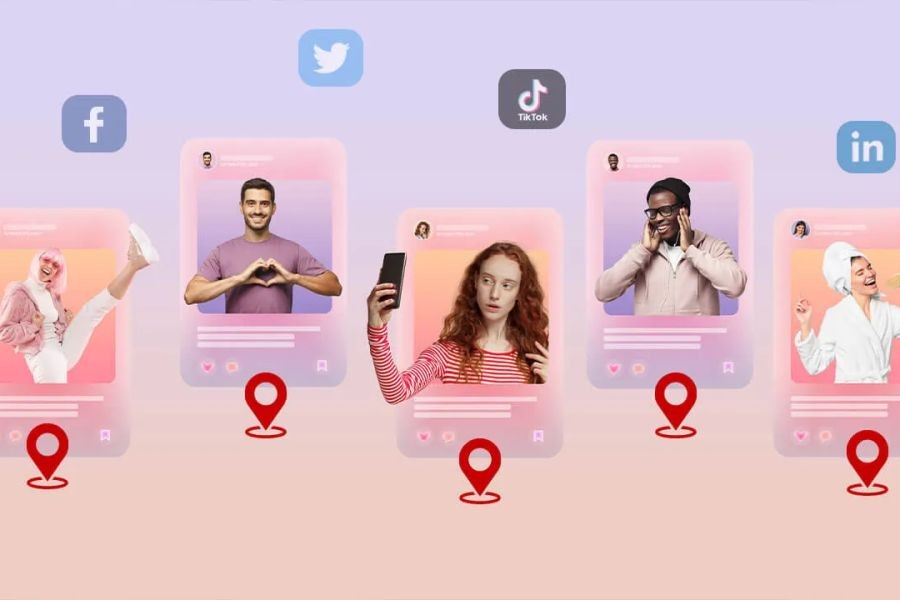
The static, monolithic brand guideline PDF is becoming obsolete. For brands operating across diverse cultures, platforms, and consumer contexts, identity needs to be fluid. This means creating adaptive logo systems, colour palettes that shift for different applications, and even tone-of-voice that adjusts while maintaining a core personality. A brand might present slightly differently on LinkedIn versus TikTok, not out of inconsistency, but out of intelligent contextual adaptation.
Based on my work with NZ SMEs expanding into Australia and Asia, a rigid brand identity can be a liability. A dynamic system, built on core immutable elements but with flexible visual and verbal components, allows for localised relevance without losing global recognition. This requires a more sophisticated internal understanding but prevents brand fatigue and enhances connection.
6. The Integration of "Inner Values" with External Action
Consumers, especially younger generations, are expert brand detectives. They scrutinise a company's internal culture, employee treatment, and ethical supply chains as intently as its products. A brand's external promise must be mirrored by its internal reality. "Purpose-washing" – claiming social or environmental values without substantive action – is a severe reputational risk.
In New Zealand, this is amplified by our "fair go" ethos and relatively small, connected business community. News about poor workplace culture or greenwashing travels fast. A brand's commitment to, for example, the Living Wage, genuine Māori partnership (beyond tokenism), or verified carbon neutrality becomes a powerful, tangible brand asset. It’s no longer just CSR; it's brand integrity.
7. The Post-Demographic Model: Affinity Over Age
Marketing traditionally segmented by age, income, and location. The future is segmentation by shared values, interests, and communities of passion—regardless of demographic profile. A 60-year-old and a 25-year-old both deeply passionate about regenerative agriculture are likely more aligned in their brand preferences than two 30-year-olds with different value sets. Brands must learn to speak the language of affinities.
Future Prediction: Within five years, I predict the most successful NZ brands will use advanced data analytics to map customer "affinity clusters" rather than traditional demographics. Marketing strategies will be built around these shared passion points, leading to more efficient spend and deeper emotional connections. This moves targeting from "women aged 25-34" to "the environmentally conscious home chef" or "the DIY outdoor enthusiast."
Common Myths & Costly Mistakes to Avoid
Myth 1: "A strong brand requires rigid consistency everywhere." Reality: As outlined, intelligent contextual adaptation (fluidity) is now more effective than robotic uniformity. Consistency in core promise is key; flexibility in expression is an advantage.
Myth 2: "Our product quality speaks for itself; branding is just the logo." Reality: In a crowded market, perception is reality. Branding is the system that shapes perception, builds the necessary trust for a first purchase, and justifies premium pricing. A great product with weak branding often remains a secret.
Myth 3: "Data privacy is a legal issue for our compliance team, not a marketing concern." Reality: As the Stats NZ data shows, privacy is a primary consumer concern and a direct driver of brand choice. Transparent data practices are a potent marketing message and trust-builder.
Costly Mistake: Treating community-building as a one-way broadcast channel. Failing to genuinely engage, listen, and cede some narrative control results in a disengaged audience that sees the effort as inauthentic.
Final Takeaways & Strategic Imperatives
- Authenticity is Non-Negotiable: Every trend points toward the inescapable need for genuine, values-aligned action. Audit your brand's internal and external alignment.
- Embrace Controlled Fluidity: Develop a brand system with a strong core but designed for intelligent adaptation across platforms and cultures.
- Build with, Not for: Invite your audience into your process. Facilitate community and co-creation to build unmatched loyalty.
- Prioritise Experience Over Slogans: Invest in creating memorable, multi-sensory moments that connect with customers on an emotional level.
- Lead with Trust: Proactively communicate your ethics, especially regarding data and employee welfare, as a central brand pillar.
The future of branding is less about dictating an image and more about cultivating an ecosystem—one built on trust, participation, and authentic value exchange. For New Zealand businesses, with our reputation for integrity and innovation, these trends represent not a challenge, but a profound opportunity to build brands that are not just known, but deeply believed in.
People Also Ask (PAA)
How are New Zealand's privacy laws affecting brand marketing? The Privacy Act 2020 has elevated data ethics from a compliance issue to a core component of brand trust. Kiwi consumers are highly concerned about data use, making transparent privacy policies a competitive brand advantage and a key factor in customer acquisition and retention.
What is the biggest mistake NZ SMEs make with branding? A common mistake is treating branding as a one-time cost (a logo) rather than an ongoing strategic investment in customer perception and relationship-building. This leads to inconsistent messaging and a failure to build the emotional equity required for long-term growth and premium pricing.
How can a small business implement participatory branding? Start small and focused. Identify one brand value your core customers care about. Create a simple platform (a social media hashtag, a dedicated forum post) for them to share ideas or content related to it. Publicly showcase and integrate the best contributions, clearly crediting the community members involved.
Related Search Queries
- future of branding 2024 NZ
- building brand trust New Zealand consumers
- community marketing strategy for SMEs
- data privacy branding advantage
- adaptive logo design systems
- sensory branding examples retail
- co-creation brand examples
- NZ consumer trends marketing
- demographic vs psychographic targeting
- brand authenticity meaning
For the full context and strategies on 7 Unexpected Trends That Are Shaping the Future of Branding – Is It Worth the Hype for Kiwis?, see our main guide: Best Video Hosting Platform New Zealand.



























RodrigoDii
1 month ago