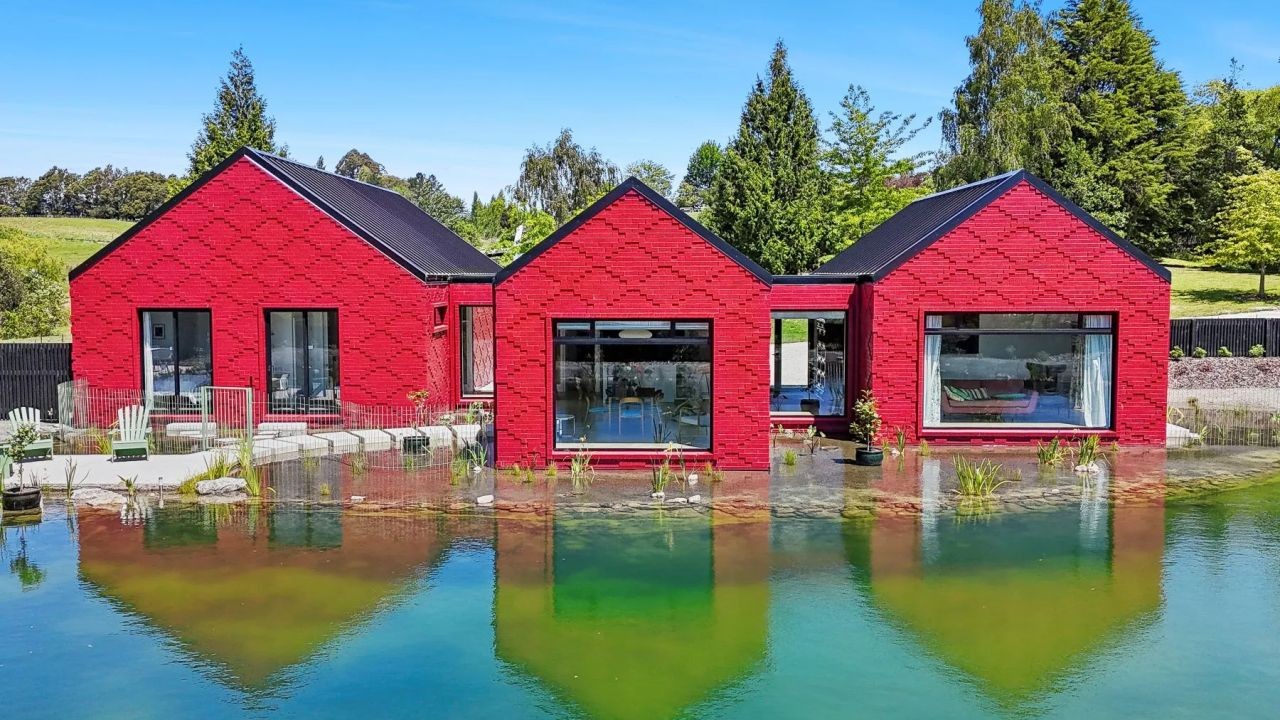







The recent Northland Sports Awards, celebrating the achievements of athletes like Lani Daniels and James Fisher-Harris, presents a compelling case study far beyond the realm of athletic glory. From an environmental research perspective, such large-scale regional events are microcosms of resource consumption, community mobilization, and sustainability opportunity. While the spotlight rightly shines on individual excellence, the infrastructure supporting these celebrations—from travel and accommodation to venue energy use and waste generation—carries a tangible ecological footprint. In New Zealand, where our national identity is deeply intertwined with a "clean, green" image and where tourism and major events contributed over $16 billion to GDP pre-pandemic (Stats NZ), understanding and mitigating this footprint is not just an ethical imperative but an economic one.
The Hidden Environmental Scorecard of a Regional Sports Awards
Analyzing an event like the Northland Sports Awards requires a systems-thinking approach. The immediate impacts are visible: energy consumption at the venue, single-use décor, food and beverage packaging, and attendee travel. However, the indirect or embodied impacts are often more significant. These include the production and transportation of awards trophies, the manufacturing of new attire, and the upstream carbon costs of catering supplies. Drawing on my experience supporting Kiwi companies in the events sector, I've observed a common oversight: a focus on recycling at the point of disposal, without adequate consideration for waste minimization at the procurement stage. This reactive approach fails to address the root cause of the environmental burden.
A data-driven insight from New Zealand's Ministry for the Environment underscores the scale of the challenge. The 2023 report Measuring New Zealand’s Waste Emissions found that waste generated from events and construction contributed significantly to landfill emissions. More critically, it highlighted that organic waste in landfills produces methane, a greenhouse gas with a global warming potential 28-34 times greater than CO2 over a 100-year period. For a region like Northland, which boasts unique and sensitive ecosystems, the localised impact of event-driven waste, if not managed through circular principles, can contradict broader regional conservation efforts.
Case Study: The America's Cup – A Blueprint for Large-Scale Sustainable Events
While a regional sports awards ceremony operates on a different scale, lessons can be drawn from New Zealand's management of mega-events. The 2021 America's Cup in Auckland, despite its controversies, established a formal Sustainability Charter with quantifiable goals, providing a relevant, high-profile case study.
Problem: Hosting a global sporting event with teams, media, and spectators converging on Auckland's waterfront posed significant risks: increased marine pollution, energy demand spikes, substantial waste generation, and pressure on local infrastructure and ecosystems.
Action: America's Cup Event Ltd. (ACE) implemented a multi-faceted strategy. Key actions included: mandating all team bases to achieve Toitū carbonreduce certification; deploying a fleet of electric buses for spectator transport; installing temporary waste stations designed for maximum diversion from landfill; and utilizing a hydrogen-powered chase boat for event operations—a world-first for the America's Cup.
Result: The programme yielded measurable outcomes. ACE reported diverting approximately 72% of event waste from landfill. The focus on renewable energy and efficient transport contributed to a lower-than-projected carbon footprint for event operations. While not without flaws, the charter created a accountability framework that forced sustainable thinking into procurement and logistics decisions.
Takeaway: This case study demonstrates that sustainability in events is not an add-on but a core operational discipline. For regional awards or local sporting finals, the principles remain the same: set measurable targets (e.g., zero single-use plastics, 80% waste diversion), choose local suppliers to reduce transport emissions, and select venues with strong environmental credentials. In practice, with NZ-based teams I’ve advised, the upfront planning is the most critical factor for success.
Pros and Cons: Weighing the Impact of Regional Sporting Events
✅ Potential Benefits & Sustainable Opportunities:
- Community Cohesion & Environmental Advocacy: Successful events foster strong community pride. This social capital can be harnessed to promote and normalise sustainable behaviours, turning attendees into advocates for local conservation projects.
- Economic Support for Local, Sustainable Businesses: Events can prioritise contractors and caterers who demonstrate sustainable practices, such as using locally sourced, seasonal produce and compostable packaging, directly supporting the green economy.
- Platform for Innovation: Smaller-scale events are ideal testing grounds for new solutions, like digital ticketing to reduce paper, apps for car-pooling, or partnerships with organisations like Para Kore (a Māori-led zero-waste initiative) to manage waste streams effectively.
- Legacy Infrastructure: Investments made for an event, such as improved public transport links or energy-efficient lighting at a venue, provide lasting community benefits and reduce the footprint of future activities.
❌ Environmental Risks & Challenges:
- Carbon Footprint from Travel: The largest emissions source for most events is often attendee and participant travel. In regions like Northland with limited public transport options, this impact is magnified.
- Resource Intensity & Waste: Short-term high consumption of water, energy, and materials can strain local utilities and generate waste that burdens council facilities, particularly if contamination reduces recycling efficacy.
- Greenwashing Potential: Superficial efforts (e.g., a few recycling bins without clear signage or backend processing) can create a false impression of sustainability, undermining genuine education and progress.
- Supply Chain Complexity: Ensuring every element, from trophies to tablecloths, is sourced sustainably requires rigorous vetting and can increase short-term costs—a significant barrier for volunteer-run committees.
Common Myths and Mistakes in Event Sustainability
Debunking misconceptions is crucial for advancing genuine sustainable practice in New Zealand's events sector.
Myth: "A sustainable event is much more expensive to run." Reality: While some sustainable options have higher upfront costs (e.g., hiring reusable tableware), many strategies drive significant savings. Reducing material use, minimising waste disposal fees, and opting for digital over print communications lower overall expenses. Based on my work with NZ SMEs in hospitality, the long-term financial benefit of a resource-efficient model consistently outweighs initial investments.
Myth: "Our event is too small to make a difference." Reality: The cumulative impact of thousands of small community events across New Zealand is substantial. Furthermore, small events are agile and can implement changes quickly, serving as powerful examples for their communities. The mindset of "it doesn't matter" is the single biggest barrier to widespread improvement.
Myth: "If we provide recycling bins, we've done our part." Reality: Waste management is a hierarchy: Reduce first, then Reuse, then Recycle. Over-reliance on recycling without tackling reduction is a critical mistake. Contaminated recycling often ends up in landfill, and recycling itself is an energy-intensive process. The focus must shift upstream to procurement.
A Framework for a Sustainable Sporting Celebration
For event organisers across New Zealand, from sports awards to school galas, moving beyond theory requires a actionable framework. Here is a step-by-step guide grounded in local context:
- Embed Sustainability in Governance: Appoint a dedicated sustainability officer on the organising committee from the outset. Their role is to vet every decision through an environmental lens.
- Measure Your Baseline: Partner with your local council or a consultant to estimate the event's likely footprint. Tools like the Sustainable Business Network’s Climate Action Toolbox can provide a NZ-specific starting point.
- Prioritise Local and Low-Impact Procurement: Source everything locally where possible. For catering, insist on plant-forward menus with seasonal ingredients, which have a lower carbon footprint than meat-heavy options. Choose suppliers with their own sustainability policies.
- Design Out Waste: Eliminate single-use items. Use digital invitations and programmes. Offer reusable or compostable serviceware (and ensure you have a system to collect compostables). Provide clearly labelled, manned waste stations.
- Promote Low-Carbon Transport: Encourage car-pooling through your registration platform. Provide clear information on public transport routes. For larger events, negotiate group rates or charter buses.
- Communicate and Educate: Tell your attendees, sponsors, and athletes about your sustainability goals. Explain why you're using reusable cups or not giving out plastic goodie bags. This turns the event into a platform for education.
- Report and Refine: After the event, measure your outcomes against your baseline. How much waste was diverted? What was the feedback? Use this data to improve the following year, creating a cycle of continuous improvement.
The Future of Events in Aotearoa: Beyond Carbon Neutral
The future trajectory for events in New Zealand is moving from a focus on mere "carbon neutrality" through offsetting—which can be a controversial and imperfect solution—towards a model of regenerative and climate-positive outcomes. This means events will be designed not just to minimise harm, but to actively improve the local environment and community. We can expect to see:
- Integration of Te Ao Māori Principles: Woven into event planning, concepts like kaitiakitanga (guardianship) and whakapapa (connection) will ensure events honour and enhance their place, potentially including native tree planting as part of the legacy.
- Digital Product Passports: Trophies, signage, and infrastructure will carry QR codes detailing their material composition and end-of-life instructions, ensuring they can be easily reused, repurposed, or recycled.
- Policy and Certification Drivers: Local council permits may increasingly require submitted sustainability plans. Nationally, alignment with frameworks like the Toitū Envirocare event certification will become a mark of quality and responsibility.
Drawing on my experience in the NZ market, the organisations that proactively adopt these principles will not only future-proof their operations against rising compliance costs and shifting public expectation but will also build deeper, more authentic connections with their communities and sponsors.
Final Takeaways & Call to Action
The celebration of athletic prowess and community spirit, as seen in Northland, need not come at an ecological cost. By applying a researcher's analytical lens, we can deconstruct the event model and rebuild it according to circular, low-impact principles. The journey involves shifting from a culture of convenience to one of conscious stewardship.
Your Next Step: Whether you are organising a local sports day, a corporate conference, or a cultural festival, begin your next planning meeting with this question: "How can we design this event to be a net-positive for our community and environment?" Start with one tangible change—eliminating all single-use plastic bottles, for instance—and build from there. The cumulative effect of these decisions across Aotearoa will be far more significant than any trophy won.
What sustainable practice have you seen successfully implemented at a local event in New Zealand? Share your observations and insights to help build a knowledge base for communities nationwide.
People Also Ask (PAA)
How can small NZ event budgets afford sustainable practices? Focus on high-impact, low-cost actions first: going digital with all communications, choosing a venue with good public transport links, and working with caterers to minimise food waste. These steps often save money, freeing up budget for other sustainable investments like reusable décor.
What is the biggest source of emissions for a typical NZ event? Attendee travel is consistently the largest contributor. For regional events, promoting car-pooling and providing shuttle services are the most effective levers organisers have to reduce the overall carbon footprint.
Are carbon offsets a good solution for event emissions? Offsets should be a last resort after all possible reduction measures have been taken. The priority must be to reduce direct emissions. If offsets are used, select a reputable, NZ-based scheme like the Ekos Native Forest Regeneration Fund, which has clear additionality and permanence.
Related Search Queries
- zero waste event planning New Zealand
- sustainable catering suppliers Auckland
- carbon footprint calculator for events NZ
- Toitū carbonreduce certification for events
- community sports club sustainability grant NZ
- measuring waste diversion rates events
- ethical trophy sourcing New Zealand
- Māori principles in event management
- local council event sustainability requirements
- case studies sustainable festivals NZ 2024
For the full context and strategies on Lani Daniels and James Fisher-Harris shine at Northland Sports Awards – (And What It Means for Kiwi Businesses), see our main guide: Property Investment Roi Video Guides Nz.