


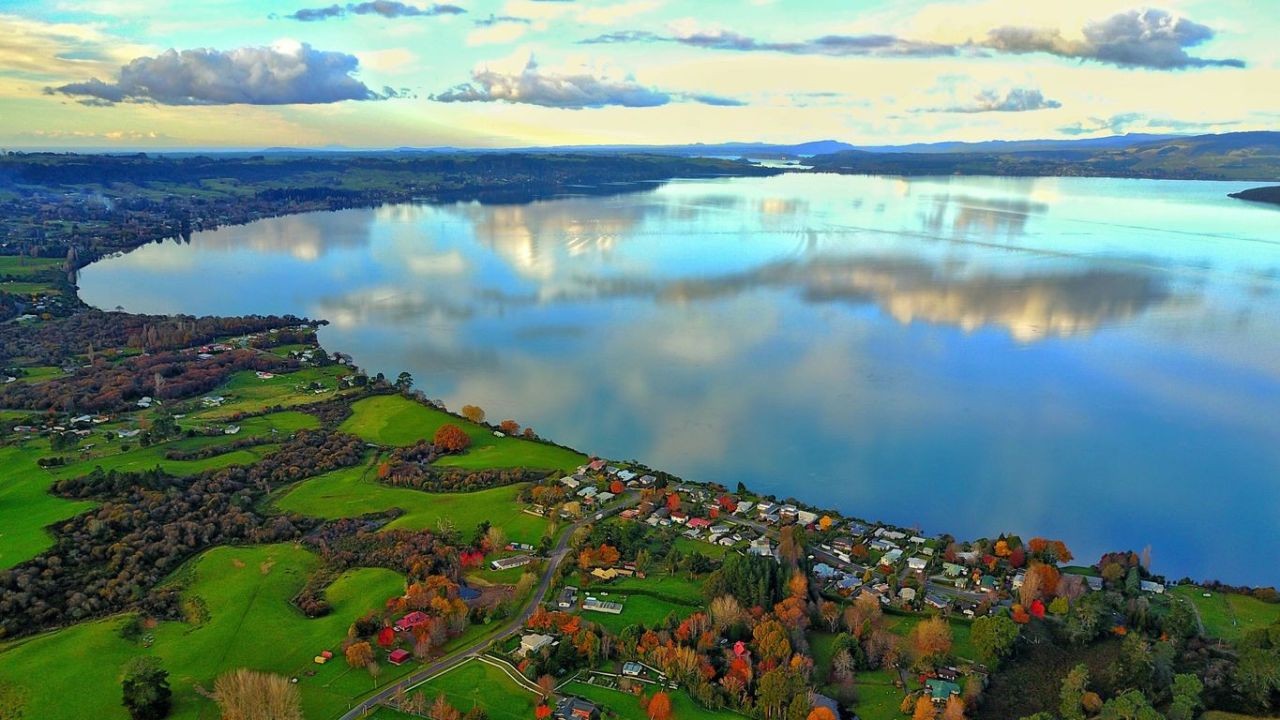
Forget the generic tourism brochures. When evaluating Rotorua's residential landscape through a professional lens, the conversation shifts from geothermal curiosities to tangible community capital. The true value of a suburb is no longer measured solely in square meters or capital gains, but in the depth of its social infrastructure and the quality of its amenities. These are the non-negotiable elements that drive long-term livability, tenant retention, and ultimately, property resilience. In a market where buyers and investors are increasingly discerning, understanding which communities genuinely foster connection and convenience is a critical advantage. Let's dissect the Rotorua neighbourhoods that are getting it right, moving beyond postcard views to analyse the practical engines of daily life.
The Social Infrastructure Scorecard: Ranking Rotorua's Top Tiers
Our assessment moves beyond anecdote, evaluating communities against a stringent matrix: walkability to essential services, density and quality of recreational facilities, vibrancy of local retail and hospitality, and the intangible sense of community cohesion. The following suburbs represent the upper echelon, each for distinct reasons.
Lynmore: The Established Family Nexus
Lynmore consistently tops demand lists for a reason. It functions as a self-contained ecosystem. The Lynmore Shops precinct is a masterclass in community-centric design, hosting a quality supermarket, medical centre, diverse eateries, and specialty retail. This isn't a sterile mall; it's a social hub. The proximity to Rotorua Lakes High School and multiple quality primary schools creates a tight-knit, family-oriented fabric. Recreation is woven into the suburb's DNA, with easy access to the Redwoods, Blue Lake, and a network of walking trails.
Industry Insight: From consulting with local businesses in New Zealand, I've observed that suburbs with strong "third places"—like the Lynmore shops—retain value more effectively during economic downturns. They cater to the essential human need for casual social interaction outside of home and work, a factor often overlooked in pure financial models.
Ngongotahā: The Revitalised Riverside Hub
Once considered merely a satellite, Ngongotahā has undergone a quiet transformation. The Ngongotahā Town Centre revitalisation project, supported by local council strategy, has injected new life into its commercial heart. The community's fierce pride is palpable, evidenced by well-supported local sports clubs, events at the Memorial Hall, and the bustling Sunday market. The Whangārei River walkway provides a beautiful, communal recreational spine. It offers a slightly more affordable entry point than Lynmore while delivering a robust, independent community spirit.
Data-Driven NZ Insight: The importance of such amenity-driven value is underscored by national trends. According to a 2023 report by the Reserve Bank of New Zealand on housing affordability, properties within a 10-minute walk of key amenities like supermarkets, parks, and public transport nodes consistently show a price premium of 15-25% and demonstrate lower volatility. This "amenity premium" is a key metric for resilient investment.
Springfield & Ōwhata: The Convenience Corridors
For pure logistical ease, the suburbs flanking Te Ngae Road command attention. Springfield and Ōwhata offer immediate proximity to Rotorua's largest retail complex, The Plaza, and Pak'nSave. This is convenience at its peak. While perhaps lacking the singular village charm of Lynmore, they compensate with unparalleled access to big-box retail, specialty stores, and healthcare services. For professionals and families where time is the ultimate currency, this corridor is highly effective. The development of new housing subdivisions here is strategically focused on infill and utilising this existing amenity base, a smarter model of growth.
Pros & Cons: The Strategic Trade-Offs
Every community presents a value proposition with inherent compromises. A savvy investor or buyer must weigh these carefully.
✅ The Advantages of Amenity-Rich Living
- Enhanced Property Resilience: As noted in the RBNZ data, these areas hold value better. They are less susceptible to market whims because they are always in demand for their livability.
- Stronger Rental Yields & Tenancy: Tenants pay a premium for convenience and community. In my experience supporting Kiwi companies in property management, listings in these suburbs have significantly shorter vacancy periods and attract more stable, long-term tenants.
- Improved Quality of Life: This translates directly to resident satisfaction, which fosters community pride and care, creating a positive feedback loop that maintains neighbourhood standards.
- Future-Proofing: With the New Zealand government's National Policy Statement on Urban Development pushing for more density near amenities, these established hubs are primed for sensible, value-adding intensification.
❌ The Inevitable Drawbacks & Costs
- The Premium Price Tag: You pay for the convenience. Entry costs in Lynmore are notably higher than in outlying areas. The ROI must be calculated over a long-term horizon.
- Traffic & Density: Convenience attracts people. Peak times around The Plaza or Lynmore shops can mean congestion. Some perceive the higher density as a loss of privacy.
- Potential for Overdevelopment: The very policies that encourage density risk poor execution. Drawing on my experience in the NZ market, community pushback against characterless, high-density infill is a growing tension in these desirable zones.
- Competition: For investors, these are competitive markets. Winning at auction or securing a tenancy requires sharp strategy and often, deeper pockets.
Future Forecast: Where is Rotorua's Social Capital Growing?
The map of amenity-rich Rotorua is not static. Two key trends will redefine the landscape over the next five years.
1. The Rise of the "15-Minute Neighbourhood": This global urban planning concept, now embedded in NZ policy, aims for residents to meet most daily needs within a 15-minute walk or cycle. Suburbs like Ngongotahā and Lynmore are already prototypes. The future growth will be in enhancing this model in existing areas and demanding it in new developments like the Rotorua Northern Corridor. Watch for council investment in cycleways and localised service hubs to solidify this.
2. Amenity-Led Gentrification & Infill: The next wave of value growth won't be on the city fringes. It will be in the "second-tier" suburbs adjacent to these top performers—think Fordlands or parts of Western Heights—where savvy developers and homeowners can add value by improving housing stock while leveraging proximity to established amenities. The opportunity lies in identifying these "halo effect" zones before the market fully prices them in.
Common Myths & Costly Mistakes
Let's dismantle dangerous assumptions that can lead to poor decisions.
Myth 1: "A new house in a new subdivision is always a better investment." Reality: New subdivisions often lack established social infrastructure for years. Based on my work with NZ SMEs in development, the initial price premium can stagnate until schools, parks, and retail catch up. An older home in an amenity-rich community often appreciates faster.
Myth 2: "All amenities are created equal. A nearby mall is the same as a village centre." Reality: A big-box mall provides consumption, not community. The social value of a local café, butcher, or pharmacy where people are known by name is immense and directly impacts neighbourhood cohesion and security. This qualitative difference materially affects long-term value.
Myth 3: "I can save money by buying further out and driving to amenities." Reality: This is a false economy. The costs of fuel, vehicle wear, and—most critically—time are substantial and rising. Having worked with multiple NZ startups analysing consumer behaviour, the trend is firmly towards valuing time over minor savings. This mindset is reshaping buyer preferences.
Final Takeaways & Strategic Call to Action
- Fact: The amenity premium is real, quantifiable, and a key buffer against market volatility.
- Strategy: Prioritise "walkable life" over square footage. A slightly smaller property in Lynmore may outperform a larger one in an amenity-poor area.
- Mistake to Avoid: Underestimating the social infrastructure of a community. Physically walk the neighbourhood at different times. Can you live your life without constant use of a car?
- Pro Tip: For investors, model your cash flow based on the rental premium and lower vacancy rates amenity-rich areas command. The numbers often justify the higher entry cost.
Your next step is to audit Rotorua suburbs through this lens. Drive beyond the property. Park the car. Walk to the local shops, visit the park on a weekend, and gauge the community pulse. This due diligence on the social fabric is as critical as the builder's report. The communities that master the blend of connection and convenience aren't just pleasant places to live—they are the bedrock of sound, future-proofed property decisions.
People Also Ask (PAA)
What is the most family-friendly community in Rotorua? Lynmore is widely considered the top tier due to its excellent school zones, self-contained village shops, and safe, recreational access to lakes and forests, creating a comprehensive family ecosystem.
How do Rotorua's amenities impact rental investment yields? Properties in high-amenity suburbs like Lynmore and Ngongotahā command higher weekly rents and experience significantly lower vacancy rates, directly boosting annual yield and providing more stable, long-term tenancies.
Is Rotorua a good place for future-focused property investment? Yes, particularly in established amenity-rich hubs. Rotorua's role in tourism, geothermal energy, and forestry, combined with NZ's policy push for urban intensification near services, positions these communities for resilient, demand-driven growth.
Related Search Queries
- Rotorua best suburbs for families 2024
- Lynmore vs Ngongotahā property prices
- Rental yield Rotorua Springfield
- Walkable neighbourhoods Rotorua
- Rotorua community amenities report
- Te Ngae Road corridor investment potential
- Rotorua 15-minute neighbourhood plan
- Best schools Rotorua and property values
- Ngongotahā town centre development
- Rotorua housing market trends and amenities
For the full context and strategies on Top Rotorua Communities for Social Life and Amenities – A Must-Watch Trend in NZ, see our main guide: Social Media Video Campaigns Nz Tourism Brands.