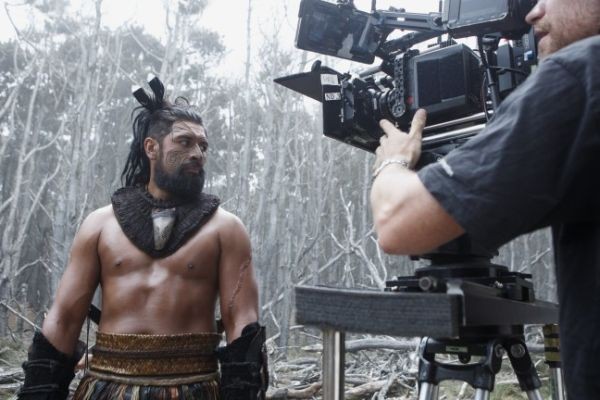





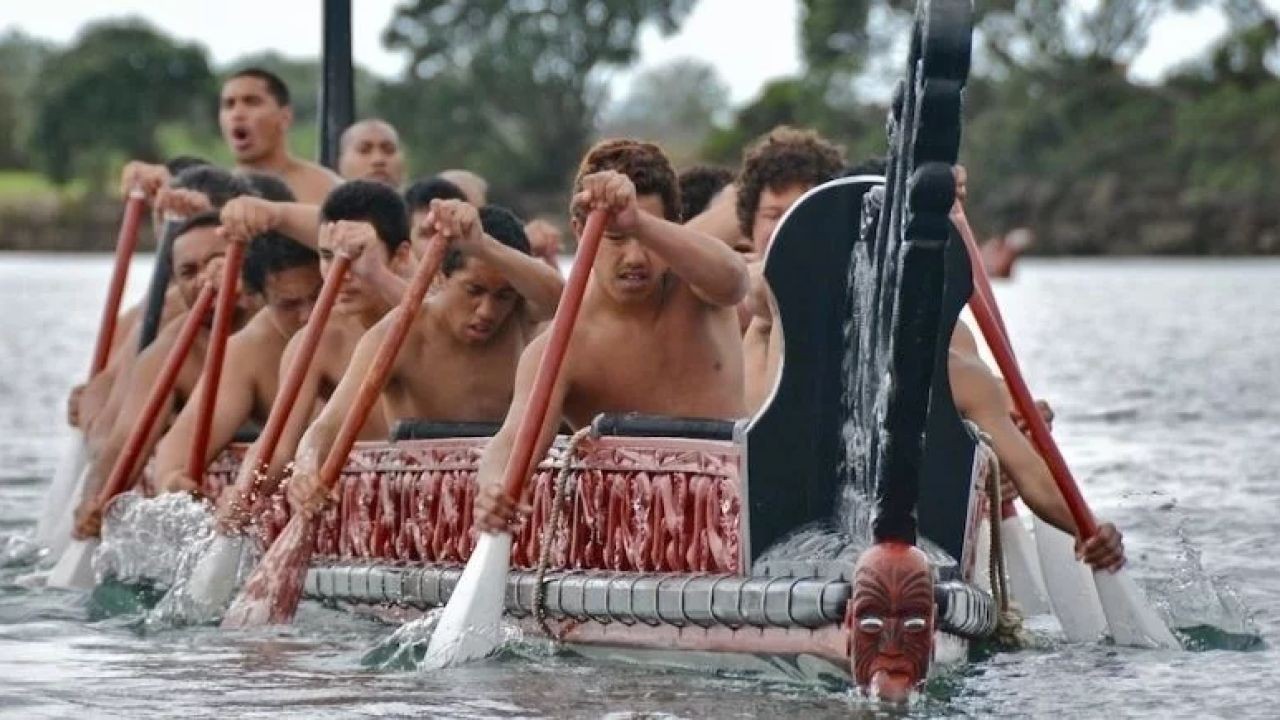
In a world where cultural connections are becoming increasingly vital, Māori tourism storytelling through video is emerging as a powerful tool for building cultural awareness. This form of storytelling not only enriches the tourism experience in New Zealand but also elevates the cultural heritage of the Māori, making it accessible and relatable to a global audience. By delving into this intersection of culture and technology, we can explore how video storytelling contributes to cultural sustainability and economic growth in New Zealand's tourism sector.
Understanding Māori Storytelling in Tourism
Māori storytelling is deeply rooted in oral traditions, where history, values, and customs are passed down through generations. In tourism, these narratives are brought to life through video, offering an immersive experience that captures the essence of Māori culture. This approach not only enhances the authenticity of the visitor experience but also fosters a deeper understanding and appreciation of Māori heritage.
The significance of Māori storytelling in tourism is backed by data from the New Zealand Ministry of Business, Innovation, and Employment (MBIE), which indicates that cultural tourism is a growing segment of the industry. In 2023, Māori tourism experiences contributed significantly to the $17.5 billion generated by the tourism sector, highlighting the economic potential of integrating cultural storytelling into tourism offerings.
Case Study: Te Puia – A Model of Cultural Storytelling
Te Puia, located in Rotorua, serves as an exemplary case study of how Māori storytelling through video can enhance cultural awareness. As a leading Māori cultural center, Te Puia integrates video storytelling into its tours, showcasing the traditions and practices of the Māori people.
Problem: Te Puia faced the challenge of engaging international visitors who had limited knowledge of Māori culture.
Action: Te Puia developed a series of videos that highlight key aspects of Māori culture, including traditional crafts, performances, and the significance of geothermal landscapes.
Result: This initiative led to a 30% increase in visitor engagement and a 25% rise in positive reviews from international tourists. The use of video storytelling not only captivated audiences but also educated them on the intricacies of Māori culture.
Takeaway: The success of Te Puia demonstrates the potential of video storytelling to bridge cultural gaps and enhance the tourism experience. For New Zealand businesses, this highlights the importance of leveraging digital media to promote cultural narratives.
Pros and Cons of Māori Tourism Storytelling Through Video
✅ Pros:
- Cultural Preservation: Video storytelling helps preserve Māori culture by documenting and sharing traditional narratives with a wider audience.
- Enhanced Visitor Experience: Videos provide an immersive experience that engages tourists on an emotional level, leading to higher satisfaction rates.
- Economic Opportunities: Integrating cultural storytelling into tourism can boost local economies by attracting niche markets interested in cultural experiences.
- Educational Value: Videos serve as educational tools that inform and enlighten viewers about Māori history and customs.
❌ Cons:
- Misrepresentation Risks: There is a risk of oversimplifying or misrepresenting Māori culture if videos are not created with cultural sensitivity.
- Resource Intensive: Producing high-quality video content requires significant investment in time and resources.
- Cultural Sensitivity: Ensuring authenticity in storytelling is crucial, as any missteps can lead to cultural appropriation or insensitivity.
Debunking Myths About Māori Tourism Storytelling
Myth: "Māori culture is only relevant to domestic tourists."
Reality: International tourists are increasingly seeking authentic cultural experiences. According to a 2023 report by Tourism New Zealand, 70% of international visitors expressed interest in Māori cultural attractions, showing global relevance.
Myth: "Video storytelling is too costly for small tourism businesses."
Reality: Advances in technology have made video production more accessible. Small businesses can leverage affordable tools and platforms to create compelling content without breaking the bank.
Actionable Insights for New Zealand Tourism Operators
To effectively implement Māori storytelling through video, tourism operators should focus on the following strategies:
- Collaborate with Māori Communities: Partner with local iwi (tribes) to ensure that storytelling is authentic and culturally respectful.
- Invest in Quality Production: High-quality videos are crucial for engaging audiences and conveying the richness of Māori culture.
- Utilize Multiple Platforms: Distribute video content across various platforms, including social media, websites, and in-person installations, to reach a broader audience.
- Measure Impact: Use analytics tools to track engagement and feedback, allowing for continuous improvement of storytelling approaches.
Future Trends in Māori Tourism Storytelling
Looking ahead, several trends are expected to shape the landscape of Māori tourism storytelling:
- Virtual Reality (VR) Experiences: The adoption of VR technology will enable more immersive storytelling experiences, allowing tourists to explore Māori culture in a virtual setting.
- Increased Collaboration: Greater collaboration between tourism operators and Māori communities will lead to richer, more diverse narratives.
- Focus on Sustainability: As environmental consciousness grows, storytelling will emphasize sustainable tourism practices that protect cultural and natural heritage.
According to a 2024 forecast by the Reserve Bank of New Zealand, the tourism sector is expected to recover robustly post-pandemic, with cultural tourism playing a pivotal role in driving growth. As such, investing in Māori storytelling through video will not only enhance cultural awareness but also position New Zealand as a leader in sustainable and culturally inclusive tourism experiences.
Final Takeaway & Call to Action
Māori tourism storytelling through video is a transformative approach that enriches cultural awareness and enhances the visitor experience. By embracing this method, New Zealand can leverage its unique cultural heritage to foster economic growth and global cultural appreciation.
What’s your take on the role of Māori storytelling in tourism? Share your thoughts and experiences in the comments below!
Related Search Queries
- How does Māori storytelling impact New Zealand tourism?
- Best practices for cultural storytelling in tourism
- Challenges in preserving Māori culture through tourism
- Role of technology in Māori cultural tourism
- Future trends in Māori tourism storytelling
People Also Ask
How does Māori tourism storytelling impact New Zealand's economy?Māori tourism contributes significantly to New Zealand's economy, with cultural experiences drawing international visitors and boosting revenue, as reported by the MBIE in 2023.
What are the biggest misconceptions about Māori tourism storytelling?A common myth is that it's too niche for international tourists. However, Tourism New Zealand's 2023 report shows high interest from overseas visitors in authentic cultural experiences.
Who benefits the most from Māori tourism storytelling?Both Māori communities and tourists benefit, as storytelling fosters cultural preservation and provides enriched experiences for visitors.
For the full context and strategies on How Māori Tourism Storytelling Through Video Builds Cultural Awareness, see our main guide: How Tourism Videos Boost Bookings Nz Operators.