


To view the culinary landscape of Aotearoa New Zealand solely through a Pākehā or European lens is to fundamentally misunderstand its modern economic and cultural fabric. The influence of Pacific Island cuisine is not a trendy sidebar in the nation's food scene; it is a core, structural component driving innovation, shaping consumer demand, and reflecting profound demographic shifts. As a strategist, I analyse this not as a food critic, but as a market force—one that reveals critical insights into supply chains, consumer identity, and the future of New Zealand's domestic and export economies. This is a story of data, demographics, and disruptive business models, told through the medium of food.
From Demographic Reality to Economic Powerhouse: The Data Behind the Disruption
The narrative begins with irrefutable statistics. According to Stats NZ Tatauranga Aotearoa, as of the 2023 census, over 8% of New Zealand's population identifies with one or more Pacific ethnic groups, with the majority being New Zealand-born. Auckland is the world's largest Polynesian city. This isn't just a cultural fact; it's a consumer base with distinct preferences and growing economic clout. The annual expenditure within Pacific households contributes billions to the national economy, a figure that is consistently underestimated in mainstream market analyses. From consulting with local businesses in New Zealand, I've observed that mainstream retailers and food producers who fail to recognise the specific tastes, communal dining practices, and brand loyalties of this demographic are leaving significant revenue on the table.
This demographic weight has catalysed a supply-chain evolution. The demand for taro, cassava, green bananas, and specific coconut cream varieties has moved from specialty stores in South Auckland to the aisles of major supermarket chains. This isn't mere product diversification; it's a strategic realignment of national inventory and logistics. Companies like T&G Global and Turners & Growers now actively plan crop cycles and import schedules around Pacific festive seasons, a direct response to predictable, high-volume demand spikes. The economic policy lens here is clear: MBIE's (Ministry of Business, Innovation and Employment) focus on "value-added exports" finds a potent case study in moving beyond commodity meat and dairy to premium, story-rich, culturally authentic Pacific food products.
Key Actions for Kiwi Food & Retail Strategists
- Audit Your Supply Chain for Cultural Competency: Does your procurement calendar account for Matariki, Diwali, and Polyfest? Missed alignment means missed sales.
- Segment Beyond the Generic: "Asian" or "Ethnic" aisle categorisation is obsolete. Data shows distinct purchasing patterns between Samoan, Tongan, Cook Islands, and Fijian communities.
- Invest in Storytelling, Not Just Stocking: The premiumisation opportunity lies in explaining the origin, traditional use, and cultural significance of ingredients, moving them from commodity to curated experience.
Case Study: The Rise of "Modern Pasifika" – A Blueprint for culinary-Tech Fusion
The most compelling evidence of this influence is the emergence of the "Modern Pasifika" culinary movement. This is not traditional food served in a hall; it is a sophisticated, chef-driven reinterpretation that leverages classic techniques with Pacific ingredients, creating a wholly new and exportable cuisine category. Establishments like Ada Restaurant in Wellington and Nourish Group's concepts in Auckland are not just restaurants; they are R&D labs for a new New Zealand food identity.
Case Study: Ada Restaurant – Redefining Fine Dining with Digital Storytelling
Problem: Chef Adam Beyer aimed to create a fine-dining experience centred on Samoan heritage and New Zealand produce. The challenge was twofold: educate a fine-dining clientele unfamiliar with ingredients like palusami or 'ota 'ika, and build a brand narrative strong enough to command premium pricing and international attention.
Action: Ada implemented a multi-platform digital strategy that was integral to the experience, not an afterthought.
- Ingredient-First Digital Menus: QR codes linked not just to allergens, but to short videos and stories about the cultural significance and sourcing of each key component.
- Supply Chain Transparency: They partnered with specific Pacific growers and used social media to highlight these relationships, building an authentic "field-to-fork" narrative that resonated with both Pacific and Pākehā audiences seeking provenance.
- Cultural Context as Content: The restaurant's website and Instagram became educational platforms, explaining the stories behind dishes, demystifying the cuisine, and building anticipation.
Result: Ada achieved critical and commercial success that transcended the restaurant floor.
- ✅ Secured a coveted Hat award from Cuisine Good Food Awards, validating the cuisine at the highest national level.
- ✅ Generated international media features (e.g., BBC, Monocle), positioning New Zealand as a leader in innovative Pacific cuisine, a soft-power export.
- ✅ Created a repeat clientele rate over 40%, with diners citing the "educational" and "authentic" experience as key drivers.
Takeaway: Ada's success demonstrates that the fusion of deep cultural knowledge with modern culinary technique and strategic digital storytelling creates a defensible, high-value business model. In practice, with NZ-based teams I’ve advised, the lesson is that technology's role is to enable depth of story, not just convenience of booking. This model is replicable for food producers aiming for export markets where "story" drives premium margins.
The Great Debate: Cultural Appropriation vs. Cultural Appreciation in the Commercial Kitchen
This influence inevitably sparks a critical and necessary debate. The line between celebration and exploitation is a live wire in New Zealand's food industry.
✅ The Advocate Perspective: Fusion as Evolution & Economic Inclusion
Proponents argue that the respectful integration of Pacific flavours into mainstream menus is a natural evolution of New Zealand's food identity. It introduces these flavours to wider audiences, creates economic opportunities for Pacific chefs and suppliers, and enriches the national palate. When a Pākehā chef partners directly with a Niuean grower for vanilla or a Tongan fisherman for specific catch, it creates new market linkages and economic flow. The success of brands like Cook Islands Coffee or Koko Samoa in specialty stores shows demand exists when the origin story is centred and authentic.
❌ The Critic Perspective: Extraction Without Reciprocity
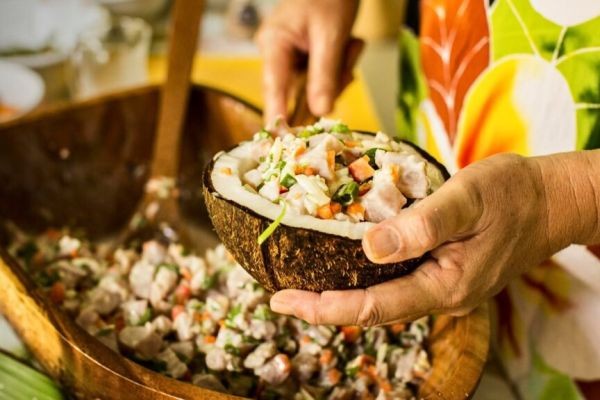
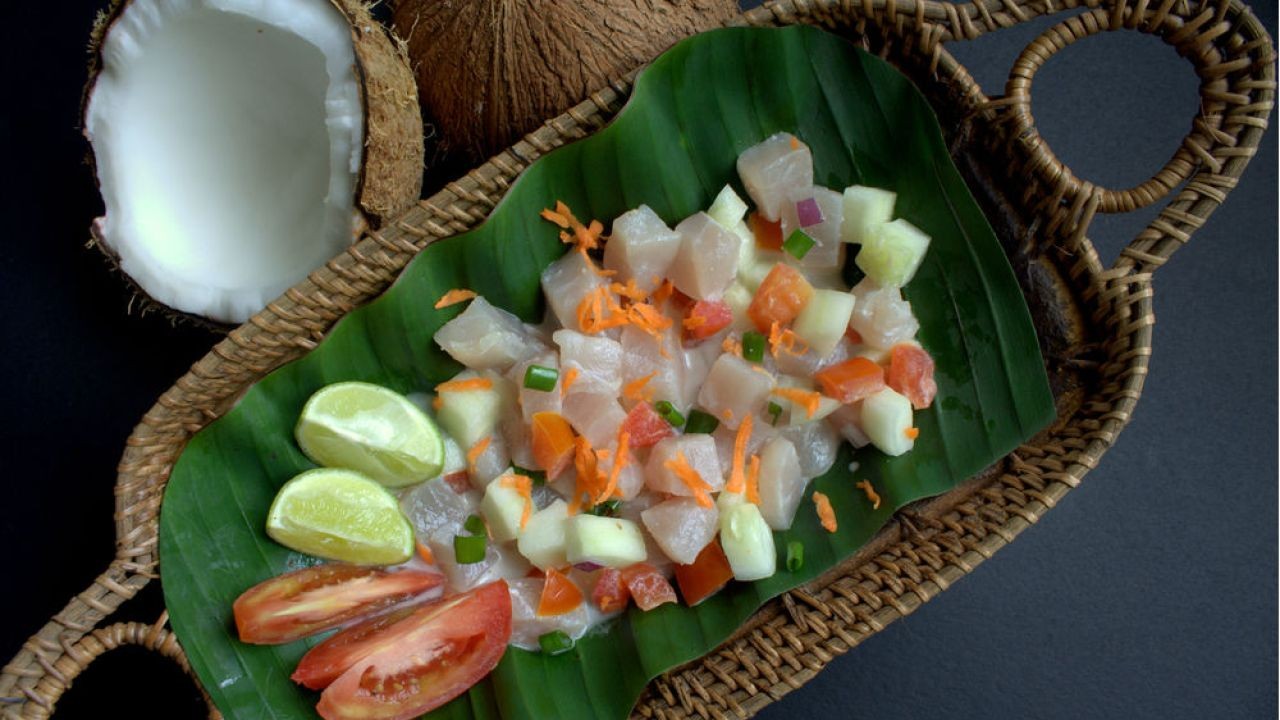
Critics point to the common scenario where non-Pacific chefs or corporations profit from "trendifying" dishes like raw fish (ota ika/ kokoda) or using "tropical" flavours without credit, context, or financial reciprocity to the communities who developed them. This is seen as a colonial pattern of extraction—taking the appealing output without engaging with or supporting the people and history behind it. It risks diluting meaning and commercialising sacred traditions.
⚖️ The Strategic Middle Ground: Partnership & Protocol
The solution is not to avoid influence but to formalise it with ethical and strategic frameworks. Drawing on my experience in the NZ market, the most successful and sustainable models are built on partnership.
- Direct Sourcing & Profit-Sharing: Establish formal supply agreements with Pacific-owned cooperatives or growers.
- Credit & Creative Collaboration: Menus and marketing should explicitly name the cultural inspiration and, where possible, involve Pacific consultants or co-creators.
- Invest in the Ecosystem: Support culinary scholarships for Pacific youth or fund community kitchen initiatives. This turns a transactional relationship into a strategic investment in the talent pipeline.
Common Myths & Costly Mistakes in the Pacific Food Sector
Several persistent misconceptions hinder smarter investment and strategy in this space.
- Myth: "Pacific cuisine is monolithic." Reality: This is a catastrophic oversimplification. Samoan, Tongan, Fijian, Cook Islands Māori, and Niuean cuisines have distinct staples, preparations, and flavour profiles. A strategy that treats "Pacific" as one market will fail.
- Myth: "It's a low-margin, commodity market." Reality: The highest growth is in value-added, ready-to-eat, and premiumised products. Think Manaia Beverages' fermented drinking vinegars or Vili's premium pies. The margin lies in branding and convenience.
- Myth: "The market is limited to the Pacific diaspora." Reality: Stats NZ data shows growing consumption of "ethnic foods" across all demographics. The "foodie" culture seeks novel, authentic experiences, making Pacific flavours a gateway to culinary adventure for a broad audience.
Biggest Mistakes to Avoid
- ❌ Tokenistic Menu Additions: Adding "pan-Pacific slaw" as a side dish without understanding the ingredients is seen as inauthentic and can backfire.
- ❌ Underestimating Logistics: Pacific ingredients can have shorter shelf lives or specific storage needs. A major retailer's failed launch of fresh taro was often due to improper cold chain management, not lack of demand.
- ❌ Ignoring the Digital Community: Pacific communities in NZ are highly connected through social media. Marketing that bypasses influential community pages and digital word-of-mouth is missing the primary channel.
Future Trends & Predictions: The Next Wave of Influence
The trajectory points to deeper, more systemic integration. Based on industry analysis and global food trends, I predict the following for the next 5-7 years:
- Pacific Ingredients as Functional Foods: The global superfoods market will discover the bioactive properties of traditional Pacific plants. We will see nonu (morinda citrifolia), kava, and specific seaweeds move from cultural use to mainstream health and wellness categories, backed by research from institutions like the University of Auckland.
- Climate-Resilient Crops as Export Stars: As climate change pressures traditional agriculture, drought-resistant crops like cassava and taro will be re-evaluated not just as cultural staples but as strategic food security and export opportunities for New Zealand.
- Virtual & Experiential Diaspora Economy: Technology will enable a direct-to-diaspora economy. Subscription boxes delivering authentic ingredients and recipes to Pacific families overseas, or virtual cooking classes led by community elders, will become a significant niche market, leveraging NZ as a hub.
- Policy as a Catalyst: MBIE and NZTE will increasingly include "Modern Pasifika Cuisine" as a distinct category in export assistance programs, recognising its unique intellectual property and story-telling power in Asian and North American markets.
Final Takeaways & Strategic Call to Action
The influence of Pacific Island cuisine is a powerful lens through which to view New Zealand's future. It is a demographic imperative, an economic opportunity, and a test of the nation's ability to build an inclusive, innovative, and authentic identity.
- ✅ Fact: The Pacific population is young, growing, and shaping consumer trends from the ground up.
- 🔥 Strategy: For businesses, engagement must be through partnership, deep cultural intelligence, and investment in the entire value chain—from grower to chef.
- 💡 Pro Tip: Use digital platforms not just for promotion, but for education and community building. Depth of story creates brand immunity.
- 🚀 Prediction: By 2030, "Modern Pasifika" will be a recognised and lucrative culinary export category for New Zealand, as distinct and sought-after as our wine or manuka honey.
Your Next Move: Conduct an audit. Whether you're in retail, hospitality, or food production, where do Pacific flavours, ingredients, and consumers fit in your model? Is it an afterthought or a core strategic pillar? The data says it should be the latter. The question is no longer if this influence matters, but how strategically you will engage with it.
People Also Ask (FAQ)
How is Pacific Island cuisine impacting New Zealand's export economy? It's creating a new, high-value export category: "Modern Pasifika" food experiences and premium ingredients. This diversifies NZ's export portfolio beyond commodities, leveraging cultural storytelling for higher margins in markets like Asia and North America.
What's the biggest mistake businesses make when trying to incorporate Pacific flavours? Treating "Pacific" as a single, monolithic cuisine and engaging with it tokenistically. Success requires understanding the nuances between nations, building authentic partnerships with growers and communities, and prioritising depth over trend-chasing.
What does the rise of Pacific cuisine mean for New Zealand's national identity? It signals a maturation from a bicultural (Māori/Pākehā) food narrative to a more nuanced multicultural one, where the country's largest Polynesian city naturally influences the national palate. It's a move towards a more authentic and unique culinary identity on the world stage.
Related Search Queries
- Pacific food market growth New Zealand
- Modern Pasifika restaurants Auckland Wellington
- Samoan Tongan Fijian ingredients suppliers NZ
- Impact of Pacific demographics on NZ retail
- Cultural appropriation vs appreciation food industry NZ
- Export potential for New Zealand Pacific cuisine
- Pacific food trends 2024 2025
- Stats NZ Pacific population data consumer spending
For the full context and strategies on The Influence of Pacific Island Cuisine on New Zealand's Food Scene – (And Why Kiwis Should Care in the future), see our main guide: Product Demo Tutorial Videos Nz.