

Introduction
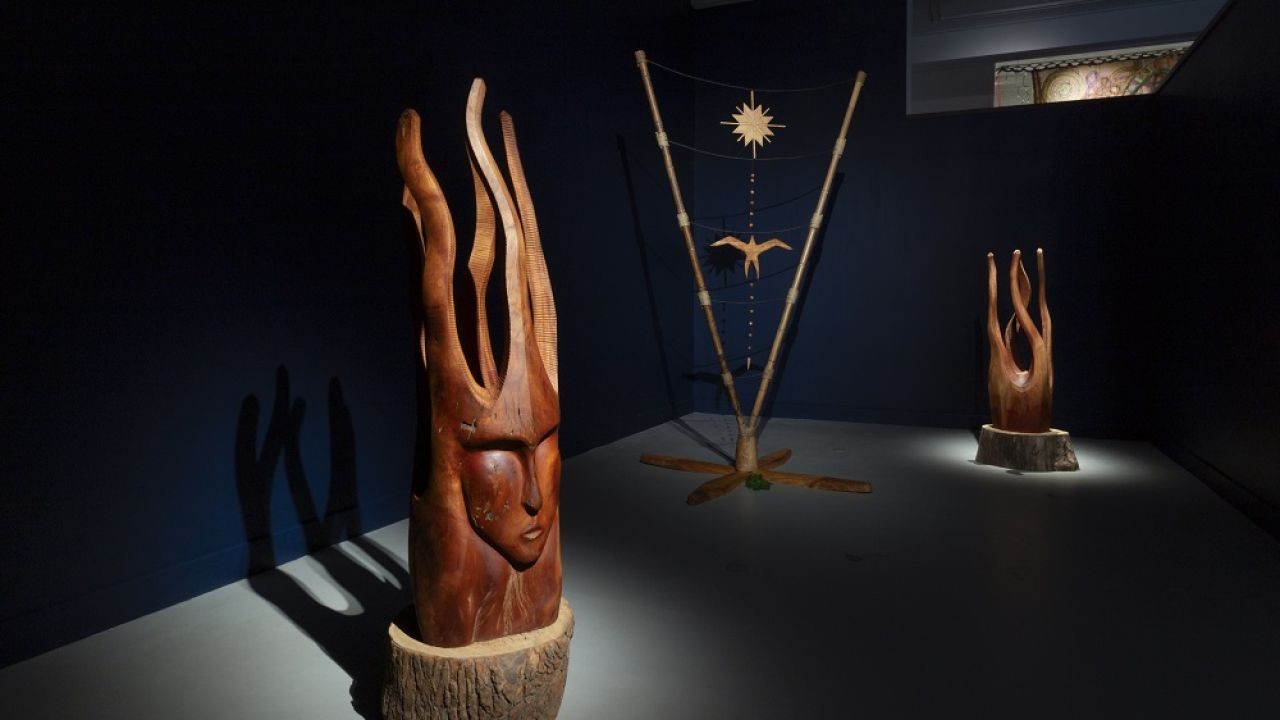
In recent years, New Zealand’s indigenous artists have been making significant waves on the global stage, capturing the world's attention with their unique expressions and profound narratives. These artists, drawing from rich Maori traditions and contemporary influences, are not just redefining art but also contributing substantially to cultural diplomacy and economic growth. New Zealand’s Ministry of Culture and Heritage highlights that the creative sector contributes over NZD 3.8 billion to the economy annually, emphasizing the importance of indigenous art as a cultural and economic asset. As we delve into this topic, we explore the dynamics of this artistic renaissance, its implications for the real estate market, and the transformative potential it holds for the Kiwi cultural landscape.
What impact does this rising global recognition have on New Zealand’s economy and industries, particularly in real estate? How can real estate experts leverage this cultural momentum to foster growth and innovation? Let's explore the intricate relationship between indigenous art and New Zealand's economic fabric.
Pros & Cons Evaluation of Celebrating Indigenous Artists Globally
Pros
- Enhanced Cultural Diplomacy: Indigenous art serves as a powerful tool for cultural exchange, fostering international relations and boosting New Zealand's global image.
- Economic Growth: The growing interest in indigenous art has spurred tourism, with many visitors eager to experience Maori culture, thereby increasing revenue for local businesses.
- Real Estate Value: Properties near cultural hotspots or art hubs may see an increase in value, driven by demand from culturally-inclined buyers and investors.
- Community Empowerment: Supporting indigenous artists not only preserves cultural heritage but also empowers communities, creating jobs and fostering economic independence.
- Market Diversification: Integrating indigenous art into real estate projects can differentiate properties, attracting a niche market of buyers and investors.
Cons
- Commercialization Risks: There is a risk of cultural appropriation and the commercialization of sacred cultural symbols, which can lead to backlash and loss of authenticity.
- Market Volatility: The art market can be unpredictable, with fluctuating demands impacting investment stability.
- Regulatory Challenges: Navigating intellectual property rights and ensuring fair compensation for artists can be complex and legally challenging.
- Resource Intensive: Promoting indigenous art requires significant investment in marketing, education, and infrastructure.
- Sustainability Concerns: Over-reliance on cultural tourism can strain local resources and environments, necessitating sustainable practices.
How It Works: The Deep Dive into Indigenous Art Promotion
The Process of Global Recognition
The journey of New Zealand’s indigenous artists to the global stage is facilitated through a concerted effort involving government support, community initiatives, and strategic partnerships. The Creative New Zealand Arts Council plays a pivotal role by funding and promoting Maori artists internationally. Their support ensures that artists can participate in global exhibitions, collaborate with international artists, and showcase their work to wider audiences.
Real Estate and Indigenous Art: A Symbiotic Relationship
Integrating indigenous art into real estate projects is not just an aesthetic choice; it is a strategic decision that can enhance property value and attract investment. Developers are increasingly incorporating Maori art into their projects, creating culturally-rich environments that appeal to both locals and international buyers. This trend is evident in developments like the Wynyard Quarter in Auckland, where public spaces feature artworks by prominent Maori artists, creating a vibrant cultural hub.
Case Study: Te Papa Museum – A Catalyst for Cultural and Economic Growth
Problem: The Te Papa Museum in Wellington sought to enhance its cultural offerings and attract more visitors to support local businesses. Despite being a cultural landmark, it faced declining visitor numbers due to competition from other attractions.
Action: To address this, Te Papa launched the “Toi Art” exhibition, a permanent gallery dedicated to showcasing indigenous art. They collaborated with renowned Maori artists to create interactive installations that engage visitors while educating them about Maori culture.
Result: Within a year, Te Papa saw a 20% increase in visitor numbers, directly contributing to a 15% boost in revenue for surrounding businesses. The exhibition attracted international media attention, positioning Te Papa as a must-visit cultural destination.
Takeaway: This case highlights the potential for indigenous art to drive economic growth and tourism. Real estate developers can learn from this by integrating cultural elements into their projects to enhance community appeal and investment potential.
Debunking Myths and Mistakes
Common Myths about Indigenous Art
Myth: Indigenous art is only relevant to cultural enthusiasts.
Reality: Indigenous art has widespread appeal and can significantly enhance property value and attract diverse buyers.
Myth: Incorporating indigenous art is too costly for real estate projects.
Reality: While initial costs exist, the long-term value addition and market differentiation often outweigh the expenses.
Myth: Indigenous art is not suitable for modern developments.
Reality: Many contemporary developments successfully integrate traditional art, creating a unique blend of modernity and heritage that appeals to a broad audience.
Common Mistakes in Promoting Indigenous Art
- Overlooking Authenticity: Failing to engage with indigenous communities can lead to inauthentic representations and cultural insensitivity.
- Ignoring Intellectual Property Rights: Not respecting artists' rights can lead to legal challenges and damage to reputation.
- Lack of Collaboration: Successful projects often involve collaboration with indigenous artists and cultural experts to ensure respectful and meaningful integration.
Future Trends & Predictions
By 2028, it is predicted that indigenous art will play an even more significant role in New Zealand’s cultural and economic landscape. The Reserve Bank of New Zealand forecasts that cultural tourism will grow by 30% in the next five years, driven by increased global interest in indigenous culture. This presents a unique opportunity for real estate developers to capitalize on this trend by creating culturally-rich environments that attract tourists and investors alike.
Final Takeaways
- Indigenous art is a powerful driver of cultural diplomacy and economic growth in New Zealand.
- Real estate professionals can leverage this cultural momentum to enhance property value and attract investment.
- Authenticity, collaboration, and respect for intellectual property are key to successful integration of indigenous art.
- Future trends indicate significant growth in cultural tourism, offering opportunities for strategic investment and development.
What’s your take on the role of indigenous art in New Zealand’s economic and cultural landscape? Share your insights and join the conversation!
People Also Ask (FAQ)
- How does indigenous art impact New Zealand’s economy?Indigenous art boosts cultural tourism, contributing over NZD 3.8 billion annually to the economy, according to the Ministry of Culture and Heritage, and enhances real estate value through cultural integration.
- What are the biggest misconceptions about indigenous art?One common myth is that it only appeals to cultural enthusiasts. In reality, indigenous art attracts a diverse audience and significantly enhances property value.
- What strategies can real estate developers use to integrate indigenous art?Developers should collaborate with indigenous artists, respect intellectual property rights, and create culturally-rich environments to enhance community appeal and investment potential.
Related Search Queries
- New Zealand indigenous art global impact
- Maori art in real estate developments
- Cultural tourism in New Zealand
- Integration of indigenous art in modern architecture
- Economic benefits of indigenous art in NZ
- Challenges in promoting Maori art globally
- Case studies on indigenous art and real estate
- Future trends in New Zealand’s art market
- Intellectual property rights for Maori artists
- Role of Te Papa Museum in cultural tourism