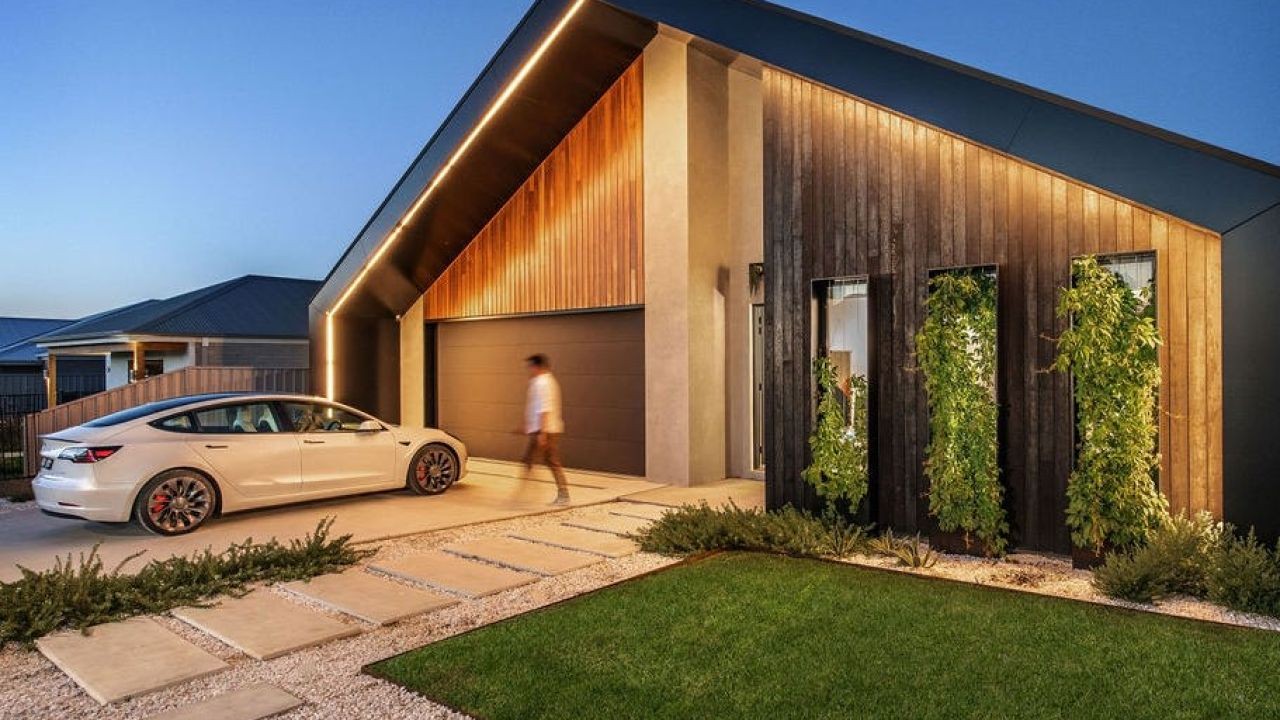





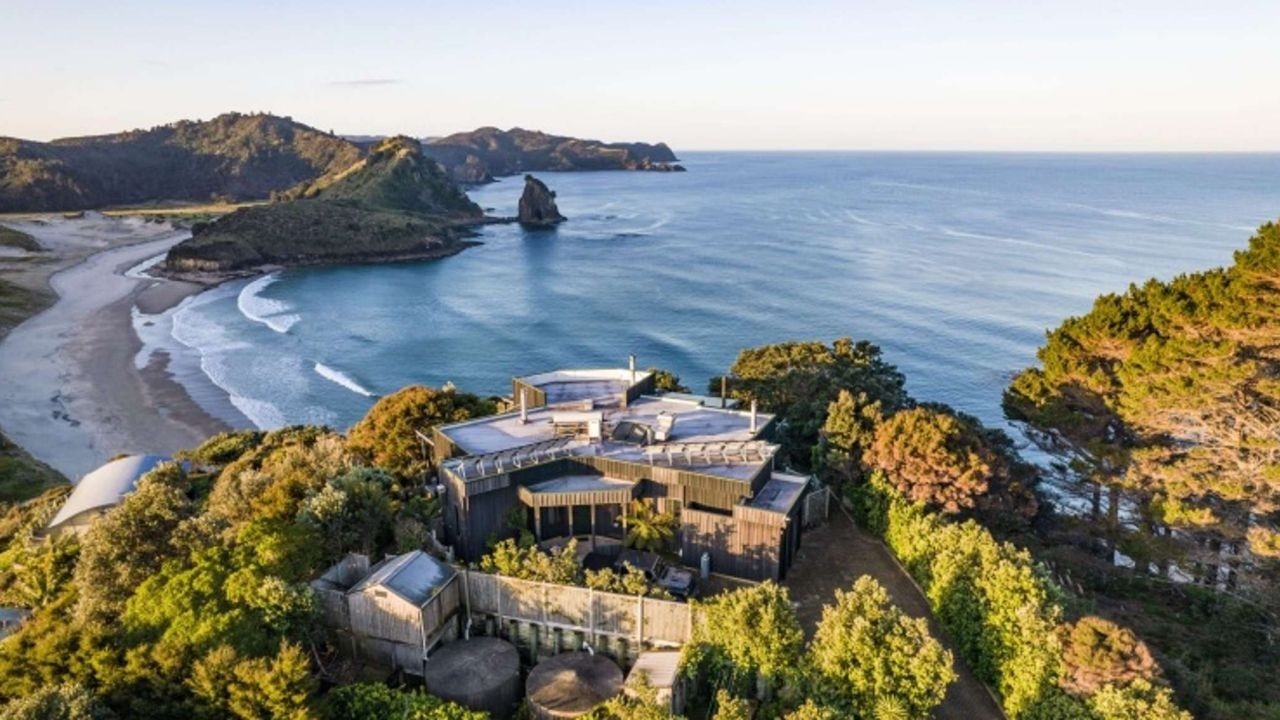
For many New Zealanders, the coastal property is the ultimate Kiwi dream—a symbol of success, a lifestyle asset, and a cornerstone of intergenerational wealth. Yet, this dream is increasingly underpinned by a stark and quantifiable risk. The Ministry for the Environment’s 2022 coastal hazards guidance projects that, under a high-emissions scenario, relative sea-level rise of at least 0.6 metres is virtually certain by 2100, with an upper range of 1.2 metres. This is not a distant, abstract concern. It is a present and escalating financial, regulatory, and physical reality that is already reshaping valuation models, insurance premiums, and local government planning frameworks. For sustainability consultants, this represents a critical nexus of risk management, adaptation strategy, and ethical advisory. The conversation has decisively shifted from mitigation alone to the complex, costly, and unavoidable imperative of managed retreat and resilient redesign.
The Unavoidable Calculus: Quantifying Physical and Financial Risk
The impact is twofold: direct physical damage and systemic financial devaluation. A 2020 study by the Deep South National Science Challenge estimated that between 10,000 and 15,000 New Zealand buildings are currently exposed to coastal flooding from a 1-in-100-year storm event. With just 0.3m of sea-level rise—a threshold we are on track to reach within decades—that number doubles. The financial exposure runs into the tens of billions. From consulting with local businesses in New Zealand, I've observed that the most immediate and tangible impact for property owners is the insurance market. Major insurers are increasingly incorporating forward-looking climate models into their risk assessments, leading to sharply rising premiums, higher excesses, or outright non-renewal for the most exposed properties. This creates a dangerous feedback loop: uninsurability leads to mortgage ineligibility, which collapses salability and market value.
Key Actions for Coastal Property Stakeholders Today
- Conduct a High-Resolution Hazard Assessment: Move beyond council LIM reports. Commission a professional assessment using the latest NIWA or private climate data to understand site-specific exposure to sea-level rise, coastal erosion, and groundwater inundation.
- Stress-Test Your Financial Position: Model scenarios of 20-50% increases in insurance premiums over the next five years, and assess the impact of a significant deductible (e.g., $50,000+) for storm damage.
- Engage with Local Council Plans: Review your Territorial Authority’s proposed District Plan changes under the new resource management reforms. Identify if your property is in a proposed Hazard Adaptation Area or a zone earmarked for future managed retreat.
A Strategic Framework: The Adaptation Response Matrix
Faced with this risk, decision-makers often default to a binary "hold or sell" mindset. A more strategic approach uses a 2x2 matrix to evaluate options based on the level of existing hazard and the property's adaptive capacity. This framework prioritizes actionable pathways.
Axis 1: Hazard Exposure Level (Low to High) Determined by projected sea-level rise, erosion rates, and storm surge vulnerability over a 30-50 year horizon.
Axis 2: Adaptive Capacity (Low to High) Encompasses financial resources, regulatory flexibility (e.g., ability to obtain consents for protective structures), and physical site characteristics (e.g., ability to relocate structures inland on the same section).
This creates four strategic quadrants:
- High Hazard, Low Adaptive Capacity: The highest-risk zone. The primary strategy here is planned divestment. The focus shifts from protecting the asset to maximizing its residual value over a defined timeframe and engaging proactively with council-led retreat processes. In my experience supporting Kiwi companies and individuals in this quadrant, the greatest mistake is inaction driven by hope that a technological or regulatory solution will emerge.
- High Hazard, High Adaptive Capacity: Here, engineered resilience and redesign may be viable. This could involve elevating structures, implementing nature-based solutions like restored dunes or wetlands, or constructing purpose-built defenses. The ROI calculation must include long-term maintenance costs and the risk of eventual obsolescence.
- Low Hazard, High Adaptive Capacity: An opportunity zone for future-proofing and value enhancement. Proactive investments in minor elevation, stormwater management, and resilient materials can future-proof the asset, providing a market differentiation point and potentially lowering insurance costs.
- Low Hazard, Low Adaptive Capacity: The monitor and maintain quadrant. The priority is vigilant monitoring of council policy changes, insurance market shifts, and climate science updates, with a prepared trigger point for re-evaluation.
Case Study: Managed Retreat in Action – South Dunedin’s Proactive Planning
Problem: South Dunedin, a low-lying, densely populated suburb built on reclaimed marshland, faces severe compounding threats from sea-level rise and groundwater inundation. With approximately 2,700 residential and 1,400 commercial properties at risk, it represents one of New Zealand's most significant urban adaptation challenges. The traditional response of "protect at all costs" with hard engineering was financially untenable and could worsen flooding elsewhere.
Action: The Dunedin City Council, in partnership with the community and central government, is pioneering a long-term, staged adaptation strategy. This moves beyond reactive planning to a 100-year vision. Key actions include:
- Establishing a detailed groundwater and flood modelling programme to inform decision-making.
- Implementing immediate interventions like upgrading stormwater systems and backflow preventers.
- Commencing community dialogue on long-term land-use change, including the potential for future rezoning and gradual retreat from the most vulnerable areas.
- Exploring innovative funding mechanisms, including targeted rates and central government co-investment.
Result: While a multi-generational project, the early results are foundational:
- ✅ Development of a co-governed, evidence-based planning framework that balances community, economic, and environmental interests.
- ✅ Avoidance of catastrophic stranded assets through early, transparent planning.
- ✅ Creation of a national blueprint for how other at-risk communities (e.g., parts of Napier, Christchurch, and Kapiti) can approach the managed retreat process.
Takeaway: The South Dunedin case demonstrates that the most cost-effective and socially responsible adaptation happens decades before the crisis point. For sustainability consultants, the lesson is that facilitating these difficult conversations and long-term transition plans is now a core service. Drawing on my experience in the NZ market, the councils and communities that engage early will secure better outcomes and funding than those who wait for a declarative crisis.
Debunking Common Myths in the Coastal Climate Discourse
Misinformation and wishful thinking can lead to catastrophic financial decisions. Here, we dismantle three pervasive myths.
Myth 1: "Sea walls and rock armor will protect my property value indefinitely."
Reality: Hard protection structures are often a temporary, costly, and socially contentious fix. They require ongoing maintenance, can accelerate erosion on adjacent properties, and may simply delay the inevitable. Furthermore, the Resource Management Act 1991 (and its successor legislation) makes it increasingly difficult to obtain new consents for hard protection, as councils must consider the wider environmental and community effects. A 2023 Environment Court decision in the Kapiti Coast rejected a private seawall application, prioritizing long-term natural processes over individual property protection.
Myth 2: "The government will bail out coastal property owners."
Reality: The government's explicit policy direction, outlined in the 2020 Resource Management Amendment Act and the 2022 Climate Adaptation Act exposure draft, is to avoid creating moral hazard. The expectation is that the costs and risks of climate change will be progressively shifted onto property owners and local government. Central government's role is seen as setting the framework and co-investing in public-good infrastructure, not compensating for private property loss. The proposed "Climate Adaptation Fund" is aimed at community-level retreat, not individual buyouts.
Myth 3: "This is a problem for 2100; it won't affect me in my lifetime."
Reality: The market is reacting now. Banks are subject to climate-related financial disclosure regulations and are stress-testing their mortgage portfolios. Having worked with multiple NZ startups in the proptech and insurtech space, I've seen first-hand the development of valuation algorithms that automatically discount properties in high-hazard zones. The financial impact—through higher holding costs, reduced access to credit, and lower capital gains—is being felt today, not in 80 years.
The Controversial Take: Embracing "Strategic Sacrifice" for Long-Term Resilience
The most contentious, yet necessary, conversation revolves around the concept of "strategic sacrifice." The relentless pursuit of protecting every single coastal asset is economically crippling and ultimately futile. A more sustainable, albeit politically challenging, approach is for communities and central government to identify areas where the cost of protection vastly exceeds the long-term value, and to begin a deliberate, funded transition away from them.
This means:
- Ceasing all new development and infrastructure upgrades in the highest-risk zones.
- Rezoning these areas for transitional uses with lower capital intensity (e.g., recreational spaces, regenerative agriculture, wetland restoration).
- Establishing fair, transparent, and pre-agreed funding mechanisms for property acquisition or relocation over a 30-50 year horizon.
This approach is not about abandonment; it's about intelligent, forward-looking resource allocation. It redirects billions of potential dollars from fighting a losing battle against the sea into creating more resilient and sustainable communities further inland. The alternative—piecemeal, reactive retreat after a major disaster—is far more socially traumatic and economically devastating. Based on my work with NZ SMEs in the construction and planning sectors, those who pivot their business models towards managed retreat services, resilient redesign, and deconstruction will find significant future market opportunities.
A Future-Focused Outlook: The Evolving Landscape to 2040
The next 15 years will see a radical hardening of both market and regulatory responses.
- Mandatory Climate Risk Disclosure for Real Estate: Following the lead of financial institutions, we will likely see legislation requiring explicit disclosure of climate hazard ratings in all property sale and purchase agreements, fundamentally altering market transparency.
- The Rise of "Climate-Proof" as a Premium Value Driver: Properties demonstrably sited and built to resilient standards will command a significant market premium, while exposed properties will see their value erode.
- Innovation in Adaptation Finance: Expect new financial instruments, such as climate resilience bonds issued by local councils or parametric insurance products that pay out based on specific climate triggers (e.g., a measured sea-level threshold).
- Technology-Driven Monitoring and Compliance: Widespread use of satellite monitoring, drone surveys, and AI to track coastal erosion and groundwater rise in near real-time, informing both policy and individual decisions.
Final Takeaways and Imperative Actions
- ✅ Fact: Climate risk is now a core component of property valuation, not an externality. Data from CoreLogic and Valocity already shows a price differential emerging for the most exposed properties.
- 🔥 Strategy: Use the Adaptation Response Matrix to objectively categorize your property or portfolio and develop a quadrant-specific action plan.
- ❌ Mistake to Avoid: Relying on outdated council flood maps or assuming historical trends will continue. Insist on forward-looking, probabilistic climate hazard assessments.
- 💡 Pro Tip for Consultants: Position yourself as a facilitator of the managed retreat conversation. The skills required—stakeholder engagement, transition planning, ethical risk communication—are in critically short supply and high demand.
People Also Ask (PAA)
How are NZ banks responding to coastal climate risk? Major NZ banks are incorporating climate scenarios into their lending criteria. This can mean requiring a specialist hazard report for coastal properties, applying higher interest rates for perceived risk, or declining mortgages for properties deemed uninsurable. Some are actively reducing their exposure in high-risk postcodes.
What are nature-based solutions for coastal protection in NZ? These include restoring native dune systems with pingao and spinifex, recreating salt marshes and mangroves to absorb wave energy, and managed realignment of coastlines. Projects like the Tahuna Torea nature reserve in Auckland demonstrate their effectiveness for both protection and biodiversity.
Can I get a resource consent to build a seawall? It is increasingly difficult. Under the RMA, you must prove the benefits outweigh the adverse effects on the environment, coastal processes, and public access. Recent court decisions show a strong preference for natural adaptation and community-wide solutions over private hard protection.
Related Search Queries
- NZ coastal erosion map 2024
- Climate change property devaluation New Zealand
- Managed retreat policy NZ
- Cost of seawall consent New Zealand
- Insurance for coastal properties NZ
- South Dunedin adaptation plan
- Rising groundwater flooding NZ
- Future sea level rise Auckland
- Buying a house in a coastal hazard zone
- Resilient building materials for coastal homes
Final Takeaway & Call to Action The impact of climate change on New Zealand's coastal properties is a systemic, non-linear risk that demands a strategic, unemotional response. The era of assuming perpetual capital growth for all coastal assets is over. For sustainability consultants, property owners, and policymakers, the mandate is clear: transition from a mindset of resistance to one of intelligent adaptation and, where necessary, strategic transition. The first step is to replace hope with data. Commission a professional climate hazard assessment for your asset today, engage with your local council's future development plans, and begin stress-testing your financial models against realistic climate scenarios. The decisions made in the next five years will determine whether coastal communities face a managed transition or a chaotic retreat. Which path will you advise?
For the full context and strategies on The Impact of Climate Change on NZ Coastal Properties, see our main guide: Automotive Service Maintenance Videos Nz.