




Christchurch stands at a pivotal crossroads, its urban landscape being reshaped not by seismic forces this time, but by a deliberate and necessary policy shift towards increased housing density. For years, the quintessential Kiwi dream of a quarter-acre section has defined our cities, but as Stats NZ data starkly reveals, New Zealand’s population grew by nearly 300,000 people between 2018 and 2023, intensifying pressure on housing supply and affordability. In response, the Christchurch City Council’s new District Plan, aligning with the National Policy Statement on Urban Development (NPS-UD), is unlocking significant capacity for townhouses, apartments, and mixed-use developments in established suburbs. This isn't merely a change in building typology; it's a fundamental reimagining of community living, economic vitality, and sustainable urban growth. The narrative unfolding in Christchurch offers a compelling case study for the entire nation on how to build a more resilient, connected, and inclusive city for the future.
The Story of a City Rebuilding: From Sprawl to Sustainable Growth
The post-earthquake rebuild initially focused on horizontal expansion, with new subdivisions sprawling into the Canterbury plains. However, a strategic pivot is now underway. The intensification enabled by the new planning rules is concentrating growth in existing urban areas, particularly around key transport corridors and community hubs like Addington, Riccarton, and the central city fringe. This approach, often termed 'building up, not out,' leverages existing infrastructure—roads, pipes, parks, and public transport—making it a more fiscally responsible model for a growing city.
Drawing on my experience in the NZ market, the financial logic is compelling for both the council and residents. Sprawling greenfield development requires massive upfront capital for entirely new infrastructure networks, costs which are ultimately borne by ratepayers and new homeowners. Intensification, by contrast, improves the utilisation rate of already-sunk investments. A 2023 report by the Ministry of Housing and Urban Development (MHUD) underscored this, noting that well-planned density can reduce per-dwelling infrastructure costs by up to 30%. For Christchurch residents, this translates to more efficient use of rates and a slower growth in future infrastructure-related debt.
Case Study: The Welcoming of Wigram Skies – From Airfield to Integrated Community
Problem: The former Wigram Airfield presented a vast, underutilised brownfield site on Christchurch's southwestern fringe. The challenge was to avoid creating another car-dependent, mono-cultural subdivision. The goal was to design a master-planned community that embodied modern urban living principles: density, diversity, and connection.
Action: Developed by Ngāi Tahu Property, Wigram Skies was master-planned as a mixed-use, medium-density neighbourhood. The blueprint integrated a variety of housing types—from standalone homes to terraces and apartments—alongside a commercial town centre, medical facilities, schools, and extensive green spaces including the 30-hectare Wigram Lake. Crucially, the design prioritised pedestrian and cycle connectivity within the neighbourhood and to surrounding areas.
Result: The development has become a benchmark for integrated urban living in Christchurch. It achieved:
✅ **High occupancy and community uptake**, attracting a diverse demographic from first-home buyers to downsizers.
✅ **Creation of a self-contained local economy** with retail and services within walking distance for residents.
✅ **Enhanced liveability metrics**, with parks and water features increasing property values and community well-being.
Takeaway: Wigram Skies demonstrates that density, when paired with thoughtful design and ample amenity, is not a compromise but an enhancement. It proves that Kiwis will embrace higher-density living if it offers quality, space, and convenience. The lesson for developers and councils nationwide is that success lies in building complete communities, not just housing lots.
The Great Density Debate: Weighing Perceptions Against Reality
As with any significant urban change, housing intensification sparks robust debate. It's essential to move beyond anecdotal fears and examine the evidence-based pros and cons shaping Christchurch's future.
✅ The Compelling Advantages of Managed Density
- Enhanced Affordability and Choice: By increasing the supply and diversity of housing types—such as townhouses, duplexes, and well-designed apartments—density creates more rungs on the housing ladder. This is critical for first-home buyers, young professionals, and downsizers seeking lower-maintenance options within their established communities.
- Vibrant, Walkable Neighbourhoods: Increased resident numbers within a walkable catchment support local businesses, cafes, and services. This creates the critical mass needed for vibrant high streets and improves the viability of public transport, reducing reliance on cars.
- Sustainable Urban Form: Denser living correlates with a lower per-capita carbon footprint. Shorter trips, greater potential for active transport, and more efficient energy use in newer, warmer homes contribute to Christchurch’s climate resilience goals.
- Infrastructure Efficiency: As highlighted earlier, concentrating growth makes better use of public investment in pipes, roads, and public services, placing less long-term financial strain on the city's balance sheet.
❌ Addressing the Legitimate Concerns and Challenges
- Perceived Loss of Character: The most vocal concern is the impact of modern medium-density housing on the established character of leafy suburbs. Poorly designed, monolithic developments can indeed feel out of place. The solution lies in enforcing high design standards that respect streetscape scale, materials, and sunlight access.
- Strain on Existing Amenities: Existing residents rightly ask if local parks, schools, and roads can handle more people. This necessitates concurrency planning—where developer contributions and council funding proactively upgrade community infrastructure in tandem with new housing.
- Construction Disruption: The boom in infill development brings noise, dust, and traffic delays. Clear communication from builders and the council, along with enforced work hour restrictions, can mitigate this temporary pain.
- Parking Pressures: On-street parking competition increases as sections are subdivided. Modern planning solutions include reduced parking minimums (reflecting lower car ownership trends) coupled with robust cycle storage and proximity to bus routes.
Future-Proofing Christchurch: Trends and Predictions
The trajectory is clear: Christchurch will continue to grow denser, particularly around its core and along strategic transport axes like the Bus Rapid Transit (BRT) corridors. Based on my work with NZ SMEs in the construction and design sectors, I foresee several key trends defining the next decade:
First, we will see a rise in purpose-built rental (PBR) developments by institutional investors. These professionally managed, high-quality apartment buildings offer security and amenity for long-term tenants, addressing a critical gap in the rental market. Second, green density will become a major selling point. Developments will integrate shared vegetable gardens, native planting, rainwater harvesting, and communal spaces that foster interaction while boosting biodiversity. Finally, technology will enable smarter infill. Prefabricated building modules, constructed off-site, will reduce construction time and neighbourhood disruption significantly.
From consulting with local businesses in New Zealand, I predict the commercial landscape will adapt. We'll see more ground-floor retail in residential zones, more local hospitality venues thriving on evening patronage from nearby residents, and a professional services sector increasingly located in suburban hubs, reducing the need for central city commutes.
Common Myths and Costly Mistakes to Avoid
Navigating this shift requires dispelling misconceptions that can lead to poor decisions.
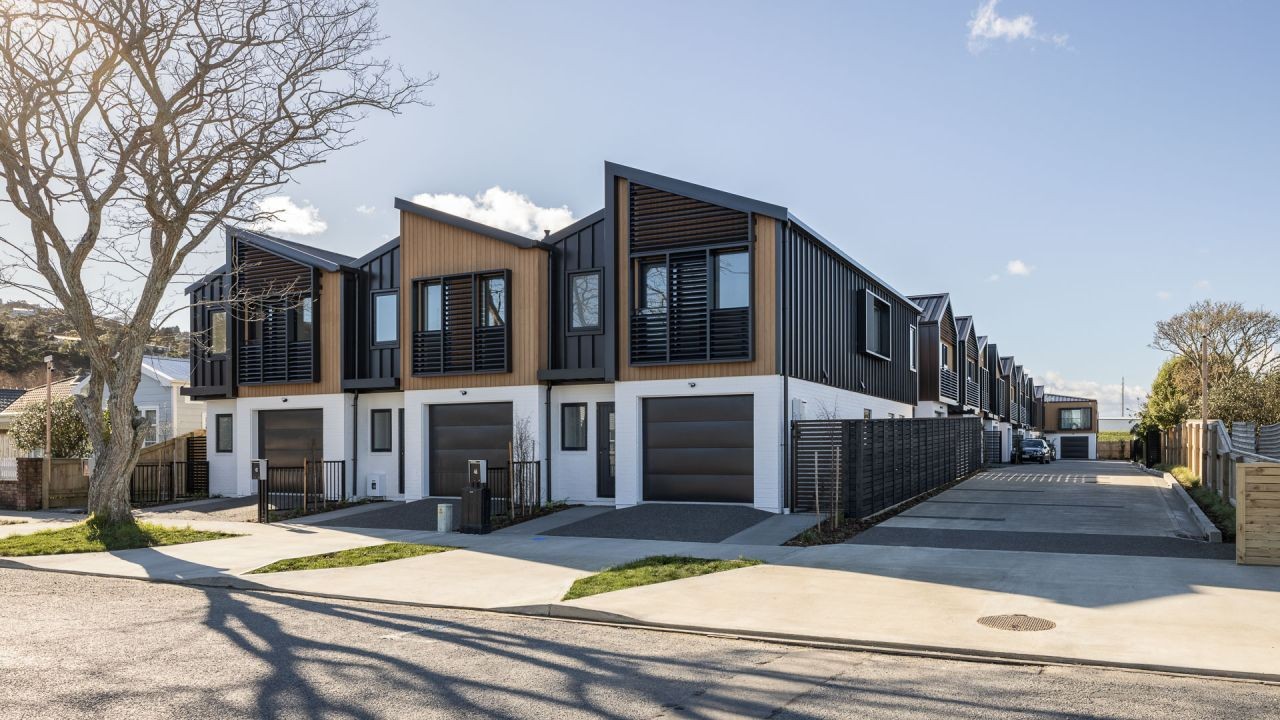
Myth 1: Density Always Means High-Rise Apartments. Reality: In Christchurch, the predominant form of intensification is low-to-medium rise—think two- or three-storey townhouses and walk-up apartments. This 'gentle density' can integrate seamlessly into existing suburbs without dominating the skyline.
Myth 2: Intensification Will Cause My Property Value to Fall. Reality: Evidence from Auckland, which underwent earlier intensification, and emerging data from Christchurch show the opposite. Well-located sections with development potential (e.g., a large corner lot) have seen significant value increases. Even for non-developing neighbours, the uplift in local amenity and transport links from a more vibrant neighbourhood typically supports property values.
Myth 3: New Density is Poorly Built and Cold. Reality: The current Building Code mandates far higher insulation and airtightness standards than those applied to most existing standalone homes. A new townhouse, built to Code, will almost always be warmer, drier, and cheaper to heat than a standalone house built before 2000.
Biggest Mistakes to Avoid:
- For Investors: Buying for density potential without due diligence. Always check the specific zoning rules (e.g., Mixed Use Residential Suburban vs. Medium Density) in the Christchurch City Plan and engage a planner to understand the realistic development yield before purchasing.
- For Homeowners: Opposing all intensification without engaging in the design process. Engage with your community board and council on proposed plan changes to advocate for high design standards, tree protection, and infrastructure upgrades, rather than outright opposition which often fails.
- For Developers: Prioritising maximum yield over liveability. Cutting corners on private outdoor space, natural light, or material quality creates poor long-term assets and fuels community backlash. The market increasingly rewards quality design.
Final Takeaways and Your Next Move
The evolution of Christchurch’s housing stock is an unstoppable and ultimately positive force. It is the pathway to a more affordable, sustainable, and lively city. The critical factor that will determine its success is quality—of design, of planning, and of community engagement.
Key Actions for Christchurch Residents & Investors:
- Get Informed: Explore the Christchurch City Council’s ePlan to understand the zoning and development rules for your street.
- Think Long-Term: When buying, consider how the neighbourhood might evolve in 10 years. Proximity to future transport links and community hubs will be a major value driver.
- Advocate for Excellence: In community consultations, champion developments that offer good design, generous landscaping, and pedestrian-friendly frontages.
Christchurch has a unique opportunity to learn from the growing pains of other cities and set a new national standard for how to grow well. The question is no longer if we will densify, but how well we will do it. The future of our Garden City depends on the choices we make today.
People Also Ask (FAQ)
How will housing density affect Christchurch property prices? In the short term, sections with development potential may see price premiums. Long-term, increased supply and housing choice should moderate price growth, improving overall affordability. Well-designed, amenity-rich intensified areas are likely to see strong capital growth due to high demand for convenient living.
What are the design rules to prevent poor-quality intensification in Christchurch? The Christchurch City Plan includes Medium Density Residential Standards (MDRS) and other zone-specific rules governing height, recession planes, outdoor living space, landscaping, and privacy. These are intended to ensure new developments are compatible with neighbourhood character and provide good liveability.
Who benefits the most from increased housing density? First-home buyers and renters benefit from increased and more affordable supply. Downsizers gain low-maintenance options to stay in their community. Local businesses benefit from increased customer footfall. All residents benefit from more efficient use of rates and the potential for better local amenities and transport services.
Related Search Queries
- Christchurch new district plan housing density rules
- Townhouse development opportunities Christchurch 2024
- Pros and cons of living in a medium-density Christchurch suburb
- Christchurch property investment intensification strategy
- NPS-UD impact on Christchurch housing
- Wigram Skies Christchurch community review
- Christchurch council developer contributions infrastructure
- Future growth areas Christchurch map
- Affordable new build townhouses Christchurch
- Christchurch character suburb protection vs density
For the full context and strategies on Housing Density and Its Effect on Christchurch Residents – The Key to Unlocking Growth in New Zealand, see our main guide: Nz Film Tv Video Marketing.