





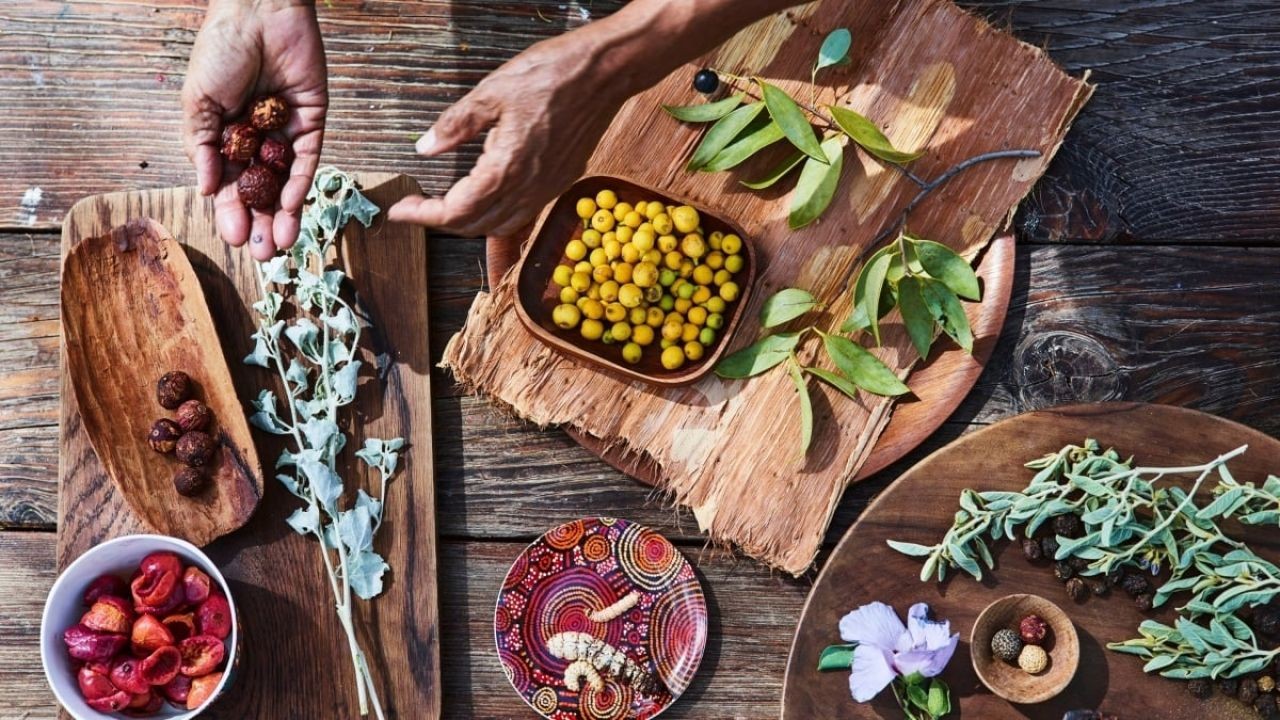
The narrative surrounding Australian native foods has shifted dramatically in recent years. Once relegated to niche 'bush tucker' experiences or treated as a novelty, ingredients like wattleseed, lemon myrtle, and finger lime are now appearing on the menus of high-end restaurants and the shelves of major supermarkets. However, beneath this wave of culinary enthusiasm lies a complex and often under-examined ecosystem of environmental, economic, and cultural factors. As an environmental researcher, I approach this trend with cautious optimism. The potential for a sustainable, biodiverse, and culturally respectful food system is immense, but its realization is contingent on navigating significant pitfalls—from unsustainable wild harvesting to the commodification of Indigenous knowledge without equitable benefit sharing. This analysis moves beyond the gastronomic hype to examine the data, the stakeholders, and the critical environmental considerations that will determine whether this trend becomes a transformative movement or a missed opportunity.
Beyond Novelty: Quantifying the Market and Environmental Drivers
The commercial rise of native foods is not merely anecdotal. A 2021 report by the Australian Native Food and Botanicals (ANFAB) peak body estimated the industry's farm-gate value at approximately $80–$100 million annually, with projections for significant growth. This commercial interest is being driven by a confluence of factors. Consumer demand for unique, 'clean label,' and sustainably sourced ingredients is a powerful global force, and Australian native foods are perfectly positioned to capitalize. From my consulting with local businesses across Australia, I've observed that producers who can authentically articulate the environmental and cultural story of their products command a substantial premium and foster deeper customer loyalty.
Environmentally, native food crops present a compelling case for adaptation and resilience. Many species are exceptionally drought-tolerant, pest-resistant, and adapted to Australia's nutrient-poor soils. In a climate defined by increasing aridity and variability, investing in agricultural systems built around these traits is a form of risk mitigation. The CSIRO has been instrumental in research, identifying species like the native rice (Oryza australiensis) and native millets as having significant potential for low-input, sustainable grain production. This isn't just about adding flavour; it's about fundamentally reimagining segments of Australian agriculture to be more in sync with the continent's ecological realities.
Case Study: The Quandong – From Wild Harvest to Sustainable Cultivation
Problem: The quandong (Santalum acuminatum), a vibrant red native peach, became a poster child for the risks of unregulated wild harvesting. High demand from restaurants and specialty food manufacturers in the early 2000s led to overharvesting from wild stands, particularly on public lands. This not only threatened the long-term viability of wild populations but also created a volatile and unreliable supply chain for businesses. The environmental cost was multifaceted: damage to ecosystems, reduced genetic diversity, and the loss of a key food source for native fauna.
Action: To address this, a shift towards cultivated production was essential. Pioneering growers, often in partnership with state agricultural departments and research institutions like the South Australian Research and Development Institute (SARDI), began establishing commercial orchards. This required solving complex horticultural challenges, such as the plant's hemiparasitic nature (it requires a host plant to thrive) and developing reliable propagation techniques. The action was a move from extraction to cultivation—a fundamental shift in the industry's model.
Result: The establishment of cultivated quandong orchards has yielded significant improvements:
✅ **Supply Stability:** Commercial growers can now provide consistent volume and quality year-round, moving away from the boom-bust cycle of wild harvest.
✅ **Genetic Selection:** Cultivation allows for the selection of superior varieties with better yield, fruit size, and flavour profiles, increasing farm-gate value.
✅ **Environmental Pressure:** Reduced reliance on wild stands allows natural populations to recover and maintain their ecological role.
✅ **Economic Value:** A 2022 analysis by Primary Industries and Regions SA (PIRSA) indicated that the value of cultivated native fruits, led by quandong, had grown by over 300% in the preceding decade, though from a small base.
Takeaway: The quandong story is a microcosm of the entire native food sector's necessary evolution. It highlights that long-term commercial success is inextricably linked to sustainable environmental practice. For Australian businesses looking to source native ingredients, the lesson is clear: prioritize suppliers who can demonstrate a cultivated or ethically wild-harvested supply chain. The lower price of a wild-harvested product may conceal significant ecological and reputational risk.
Assumptions That Don’t Hold Up: A Reality Check
As the sector grows, several persistent assumptions require scrutiny. A clear-eyed assessment is vital to avoid strategic errors that could undermine the industry's environmental and social license.
Myth 1: "Native" Automatically Equals "Sustainable." Reality: Sustainability is a function of practice, not just species. Large-scale monoculture plantations of a single native species can still lead to soil degradation, excessive water use if irrigated unsuitably, and vulnerability to disease. True sustainability requires agroecological principles—diverse plantings, soil health management, and integrated pest management—applied to native species just as they should be to introduced crops.
Myth 2: The Market Will Naturally Deliver Equitable Outcomes for Indigenous Communities. Reality: This is perhaps the most critical misconception. Indigenous Australians hold the cultural and intellectual property (ICIP) for the knowledge and use of many native species. A report by the government's Indigenous Land and Sea Corporation has repeatedly highlighted the risk of "biopiracy"—where commercial benefits are extracted without proper consent, attribution, or benefit-sharing with Traditional Owners. An industry built on Indigenous knowledge without Indigenous equity is ethically and commercially fraught.
Myth 3: Consumer Demand is Unlimited and Will Absorb Any Product. Reality: Drawing on my experience in the Australian market, I've seen many small producers struggle with the "novelty trap." Consumers may try a lemon myrtle biscuit once, but repeat purchases require consistent quality, clear culinary utility, and competitive pricing. The Australian Bureau of Statistics data on small business turnover shows that food manufacturing SMEs face intense competition. Success requires more than a unique ingredient; it demands robust business planning, supply chain management, and consumer education.
The Indigenous Knowledge and Benefit-Sharing Imperative
This is the non-negotiable core of a responsible native food sector. Indigenous Australians are not merely stakeholders; they are the knowledge holders and original custodians. The emerging best practice is the development of formal Benefit-Sharing Agreements (BSAs) between commercial entities and Traditional Owner groups. These legally recognized agreements can cover royalties, employment, joint venture partnerships, and support for cultural and land management activities.
In practice, with Australia-based teams I’ve advised, the most successful models are those built on deep, long-term relationships and respect, not transactional contracts. For instance, a company sourcing kakadu plum from the Dampier Peninsula in WA might partner with local ranger groups for wild harvest under a BSA, simultaneously ensuring sustainable harvest levels and providing direct economic benefit to the community. This creates a powerful alignment: environmental stewardship directly funds Indigenous-led conservation and cultural continuity. The alternative—exploitation without benefit—carries not only ethical failure but also growing legal and reputational risk as ICIP rights gain stronger recognition.
Environmental Pros and Cons: A Balanced Audit
✅ Potential Environmental Benefits:
- Biodiversity Conservation: Commercial cultivation can reduce pressure on wild populations, while ethical wild harvest managed by Indigenous rangers can fund and incentivize broader land care and conservation work.
- Climate Resilience: As previously noted, many native species are inherently adapted to Australia's climate, requiring fewer inputs like water, fertiliser, and pesticides, reducing agriculture's environmental footprint.
- Soil and Land Health: Perennial native shrubs and trees (e.g., for wattleseed or bush tomatoes) can help combat soil erosion, improve soil structure, and sequester carbon, contributing to regenerative agricultural systems.
- Reduced Food Miles: A robust local native food industry supports regional economies and provides genuinely local, seasonal produce, cutting down on long-distance transportation emissions.
❌ Key Environmental Risks and Challenges:
- Unsustainable Wild Harvest: Remains a persistent threat without strong regulation, monitoring, and community management, leading to species decline and ecosystem damage.
- Agricultural Malpractice: Poorly managed cultivation—clearing diverse land for monoculture, inappropriate irrigation, or overuse of inputs—can replicate the environmental harms of conventional agriculture.
- Genetic Erosion and Contamination: Focusing on a few high-yield cultivars can reduce genetic diversity. There is also a risk of genetic contamination of wild populations from cultivated varieties.
- Water Resource Impacts: Even drought-tolerant species require water to establish and produce commercially viable yields. In water-stressed regions, large-scale cultivation must be carefully planned within sustainable allocation limits.
Future Trends and Policy Levers
The trajectory of the native food sector will be shaped by both market forces and deliberate policy. Key trends to watch include:
- Integration into Mainstream Food Policy: For the sector to scale, it must move beyond specialty channels. This requires work with bodies like Food Standards Australia New Zealand (FSANZ) to streamline novel food approvals and with institutions like the National Farmers' Federation to integrate native crops into mainstream agricultural advocacy and support programs.
- Carbon and Biodiversity Markets: Native food agroforestry systems could become valuable assets in emerging environmental markets. Farmers could generate income not just from the crop, but from verified carbon sequestration and biodiversity credits, a model being piloted in various regions.
- Research & Development Prioritisation: Sustained government and private R&D investment is crucial. Priorities include improving propagation, domesticating more wild species, developing harvesting technology, and conducting rigorous life-cycle assessments to quantify environmental benefits compared to conventional crops.
A critical policy lever is the Australian government's National Native Food and Botanicals Strategy. Its implementation must robustly address ICIP rights, environmental certification schemes, and supply chain development. Without a coherent national framework that places Indigenous rights and ecological sustainability at its heart, the sector's growth will be uneven and potentially damaging.
People Also Ask (PAA)
What is the biggest environmental risk of the native food trend? The greatest risk is unsustainable wild harvesting, which depletes natural stands, damages ecosystems, and threatens species viability. The solution lies in supporting cultivated supply chains and Indigenous-led ethical wild harvest programs with strict ecological management.
How can consumers ensure they are buying native foods ethically? Look for brands that transparently state their sourcing. Prioritise products that mention partnerships with Indigenous communities, carry certification like "Organic" or "Wild Harvested (with a code of practice)," and provide clear information about the producer. Supporting brands with Indigenous ownership is a direct way to ensure benefits are shared.
Are native foods more nutritious than introduced fruits and vegetables? Research, including from the CSIRO, shows many native foods have exceptionally high levels of specific nutrients. For example, kakadu plum has the world's highest recorded natural vitamin C content. However, nutritional value varies widely by species and growing conditions, and they should be seen as complementary to a diverse diet.
Final Takeaway & Call to Action
The Australian native food movement stands at a crossroads. It possesses the unique ingredients—both literal and figurative—to model a truly sustainable, culturally respectful, and climate-resilient food system. However, this outcome is not guaranteed by market forces alone. It requires conscious, ethical choices from every actor in the chain: from policymakers crafting supportive and protective frameworks, to businesses embedding benefit-sharing and sustainability into their core models, to consumers voting with their wallets for ethically sourced products.
For researchers and industry observers, the call to action is to maintain this critical, data-driven perspective. Scrutinise supply chains, quantify environmental impacts, and elevate Indigenous voices and leadership. The story of Australian native foods must be one of collaboration with Country and its Traditional Custodians, not extraction from it. The potential is not just on the plate, but in the landscape and the communities it sustains.
What’s your view on the balance between commercialisation and conservation in this sector? Have you observed best-practice models that others should follow? Share your insights and continue the discussion below.
Related Search Queries
- Australian native food industry statistics 2024
- Indigenous cultural intellectual property native foods
- How to start a native food farm in Australia
- Sustainable harvesting of bush tucker
- Benefit sharing agreements Indigenous Australia
- CSIRO native food research projects
- Where to buy ethical Australian native foods online
- Climate change adaptation native crops Australia
- Native food agroforestry carbon credits
- Australian Native Food and Botanicals (ANFAB) membership
For the full context and strategies on Australian native food trends – Why It’s Hot Right Now in Australian Media, see our main guide: Restaurant Food Videos Australia.