





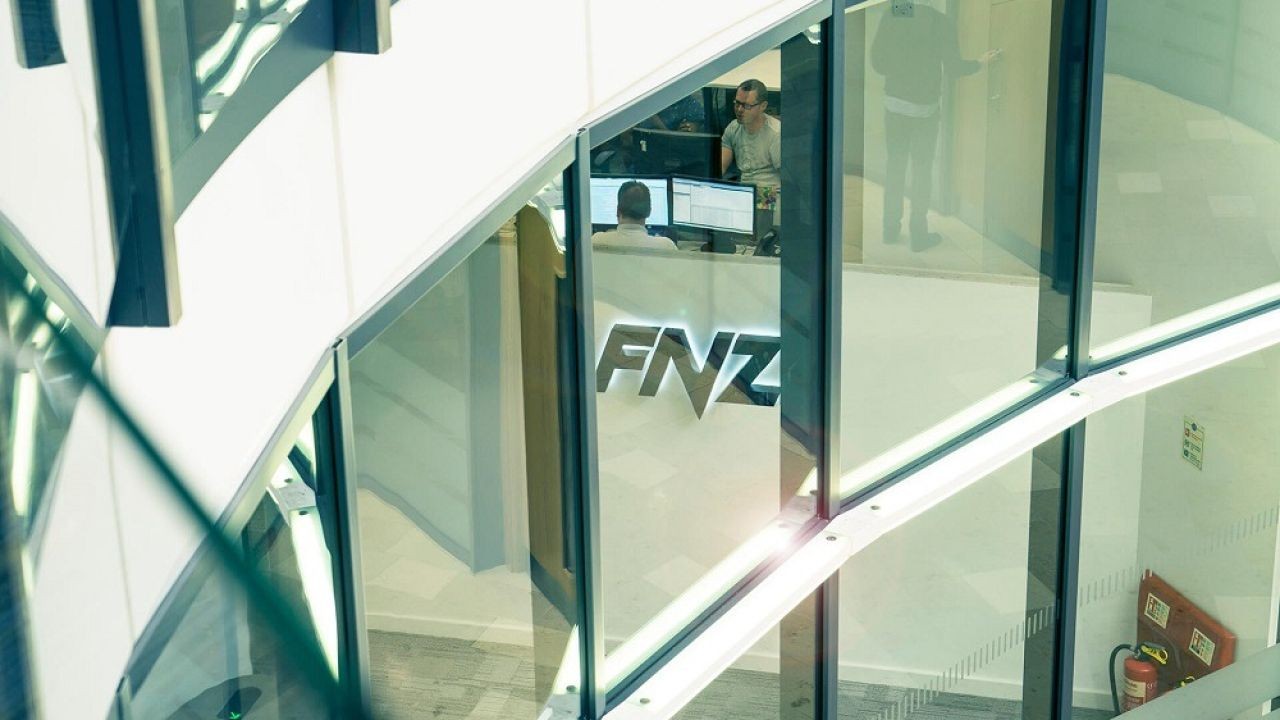
A significant internal dispute at a major financial technology firm, while seemingly a corporate governance story, serves as a potent case study in employer branding, internal communications, and the profound reputational risks that simmer beneath the surface of any high-growth company. The reported staff revolt at FNZ, the global investment platform backend provider and owner of the popular NZ-based investing app Hatch, over a perceived 'grossly unfair' capital raise, is not an isolated HR issue. It is a stark warning to New Zealand's burgeoning tech and financial services sectors about the delicate balance between capital ambition and cultural integrity. In an economy where talent retention is a critical bottleneck, how a company manages internal equity and communicates value to its employees can directly impact its external market position and customer trust.
Deconstructing the Discontent: Beyond the Headlines
The core of the reported FNZ dispute appears to centre on a selective capital raise that offered shares to external investors and certain senior staff at a valuation significantly lower than the company's last funding round. For employees outside this inner circle, particularly those holding options priced at the higher valuation, this dilutes their potential future wealth and can feel like a breach of the "shared mission" ethos common in startups and scale-ups. This scenario is far from unique to global firms; it presents a critical test for New Zealand's own high-growth enterprises.
Drawing on my experience supporting Kiwi companies through growth phases, I've observed that the transition from a tight-knit startup to a structured scale-up is where these cultural fractures most often appear. The communication of complex financial instruments like options and secondary sales is frequently an afterthought, handled with legalistic jargon rather than strategic clarity. When staff perceive inequity, it doesn't just affect morale; it leaks. It becomes a talking point in industry circles, on platforms like Glassdoor, and can subtly influence the narrative around customer-facing brands under that corporate umbrella, such as Hatch in the New Zealand market.
Key Actions for NZ Tech Leaders
- Proactive, Transparent Communication: Don't wait for a capital event to explain equity. Implement ongoing education about what employee share schemes mean, their potential value, and the realities of dilution.
- Fairness as a Framework: Establish clear, transparent principles for any internal investment opportunities long before they are needed. Who qualifies? Why? These criteria must be defensible and communicated early.
- Audit Your Cultural Risk: Regularly gauge employee sentiment regarding compensation and equity. An anonymous survey can uncover simmering discontent before it becomes a public revolt.
The New Zealand Context: A Tight Talent Market Amplifies Risk
In New Zealand, the stakes for such internal missteps are particularly high. Our tech sector's growth is constrained not by ideas or capital, but by a severe shortage of skilled professionals. According to a 2023 report by NZTech, the digital technologies sector has consistently faced a talent shortage, with thousands of roles remaining unfilled. In this environment, a company's reputation as an employer is a primary competitive asset. A public dispute over fair treatment can severely damage that reputation, making recruitment exponentially harder and increasing churn among existing, disgruntled high-performers.
Furthermore, the New Zealand market is uniquely interconnected. From observing trends across Kiwi businesses, news of poor internal culture at a major player like FNZ travels swiftly through professional networks in Auckland, Wellington, and Christchurch. This can have a chilling effect, not just on the involved company, but on the sector's ability to attract overseas talent, who meticulously research employer brands before relocating. The reputational damage can outweigh any short-term financial advantage gained from a particular capital structure.
Future Forecast: The Rising Demand for "Internal ESG"
Looking ahead, we will see the principles of ESG (Environmental, Social, and Governance) increasingly applied internally as a component of corporate reputation. Investors and customers are looking beyond public-facing statements to scrutinise how a company treats its workforce—its most valuable asset. This "Internal S" will become a critical metric.
I predict that within five years, we will see:
- Standardised Reporting: Metrics on employee equity distribution, internal promotion rates, and pay parity will become expected in annual reports, alongside carbon footprints.
- Investor Scrutiny: Venture capital and private equity firms, particularly those with ESG mandates, will conduct deeper cultural due diligence, viewing internal strife as a material risk to valuation and exit potential.
- Regulatory Nudges: While heavy-handed regulation is unlikely initially, bodies like the Financial Markets Authority (FMA) may issue guidance on fair treatment within employee share schemes, especially for financial services firms where consumer trust is paramount.
For New Zealand businesses, this trend presents an opportunity to lead. A Kiwi scale-up that champions radical internal transparency and fairness can build an employer brand that attracts top global talent and becomes a case study in sustainable growth.
Debate & Contrasting Views: Founder Control vs. Collective Good
This situation highlights a fundamental tension in modern company building.
The Advocate's View: Preserving Founder Vision and Agility
Proponents of strong founder/executive control argue that difficult, unilateral decisions are sometimes necessary for survival and long-term value creation. A capital raise at a lower "down round" valuation, while painful, can be essential to secure lifeline funding in a tough market. Offering sweetheart deals to key investors or senior staff might be the price of getting the deal done. The argument is that a company that survives, even with a bruised internal culture, is better for everyone in the long run than a failed one with pristine principles. The ultimate fairness, they contend, is in preserving the enterprise.
The Critic's View: The Erosion of Trust and Cultural Capital
Critics counter that this short-term financial logic catastrophically underestimates the value of cultural capital. Trust, once broken, is incredibly expensive to rebuild. Employee productivity, innovation, and discretionary effort plummet when people feel exploited. In a knowledge economy, you are not merely buying time with capital; you are burning the very fuel—employee goodwill and talent—that drives growth. A study by the University of Auckland Business School has repeatedly linked high-trust cultures to superior financial performance and innovation output. The critic would say that any capital raised at the cost of culture is ultimately dilutive to the company's core value.
The Middle Ground: Transparent Governance Structures
The compromise lies in establishing transparent governance structures before a crisis hits. This includes:
- Formalising an employee advisory panel that is consulted on major decisions affecting equity and culture.
- Implementing a clear, rules-based internal share transaction policy approved by the board.
- Ensuring independent board members can genuinely advocate for the interests of all stakeholders, including rank-and-file employees.
In practice, with NZ-based teams I’ve advised, those who establish these frameworks early navigate growth crises with far less collateral damage to their brand and culture.
Common Myths and Costly Mistakes to Avoid
Several dangerous misconceptions can lead Kiwi businesses into similar turmoil.
Myth 1: "Our employees won't understand the complex financial details, so it's better to just announce the final decision." Reality: Condescension is a cultural killer. Employees are savvy, especially in tech and finance. A lack of clear communication creates a vacuum filled with speculation and worst-case scenarios, which is far more damaging than a candid explanation of tough trade-offs.
Myth 2: "Equity is a 'bonus,' so employees shouldn't be upset about its treatment. Their salary is their real compensation." Reality: For many in startups, equity represents a significant portion of their total compensation and is a bet on the company's future. Treating it as an afterthought ignores the psychological contract and the reason many join high-risk ventures. Data from MBIE's surveys on high-growth firms shows that competitive equity packages are a top-three recruitment driver.
Myth 3: "Internal disputes will remain internal." Reality: In the digital age, there is no "internal." Disgruntled employees post on LinkedIn, Blind, and Glassdoor. Journalists source stories from former staff. Clients and customers read these accounts. Your internal culture is a core component of your external brand.
Biggest Mistakes to Avoid:
- Creating a Two-Tier System: Arbitrarily granting preferential investment access to an "in-crowd" is demoralising and legally risky. Always use transparent, performance-based criteria.
- Surprising Your Team: Springing a major capital event on employees without context is a cardinal sin. Engage in preparatory communication.
- Ignoring the Middle Managers: They are the cultural linchpins. If they feel alienated, their teams will too, leading to a breakdown in execution and communication.
Final Takeaways and Strategic Imperatives
The FNZ case is a cautionary tale with universal lessons, sharpened by New Zealand's specific market conditions. For marketing and business leaders, it underscores that brand management is no longer solely an external function.
- Fact: Employer brand and corporate brand are inextricably linked. Internal dissent directly erodes consumer trust, especially in finance.
- Strategy: Proactively manage "internal marketing." Communicate vision, value, and difficult decisions with the same care you use for customer campaigns.
- Mistake to Avoid: Viewing employee equity purely as a financial instrument. It is a psychological contract and a core retention tool.
- Pro Tip: Conduct a "cultural risk audit" alongside your financial audits. Measure employee sentiment on fairness and transparency regularly.
People Also Ask (FAQ)
How could an internal issue at a backend provider like FNZ affect NZ customers using Hatch? While Hatch operates independently, its parent company's reputational damage can create subconscious consumer anxiety about platform stability and long-term trust. In financial services, perceptions of corporate governance directly influence user confidence.
What is the first step a NZ SME should take to avoid similar equity disputes? Implement a clear, written Employee Share Scheme Policy from day one. Engage a specialist advisor to ensure it is fair, comprehensible, and includes a communication plan for various growth scenarios. Transparency from inception is key.
Are employee revolts like this becoming more common? Yes. With more transparency demanded by workers and platforms to air grievances, coupled with the high stakes of tech equity, businesses must operate with greater internal accountability. The old model of top-down, opaque decision-making is a significant reputational risk.
Related Search Queries
- FNZ Hatch employee capital raise controversy
- New Zealand tech startup employee share scheme fairness
- How to communicate equity dilution to employees NZ
- Employer brand damage internal dispute
- NZ talent shortage tech sector retention strategies
- ESG internal social governance reporting
- Financial Markets Authority NZ employee share scheme guidance
For the full context and strategies on Staff at Hatch owner FNZ revolt over ‘grossly unfair’ capital raise – The Growth Engine New Zealand Needs Now, see our main guide: Vidude For Hospitality Driving Bookings Local Engagement.