

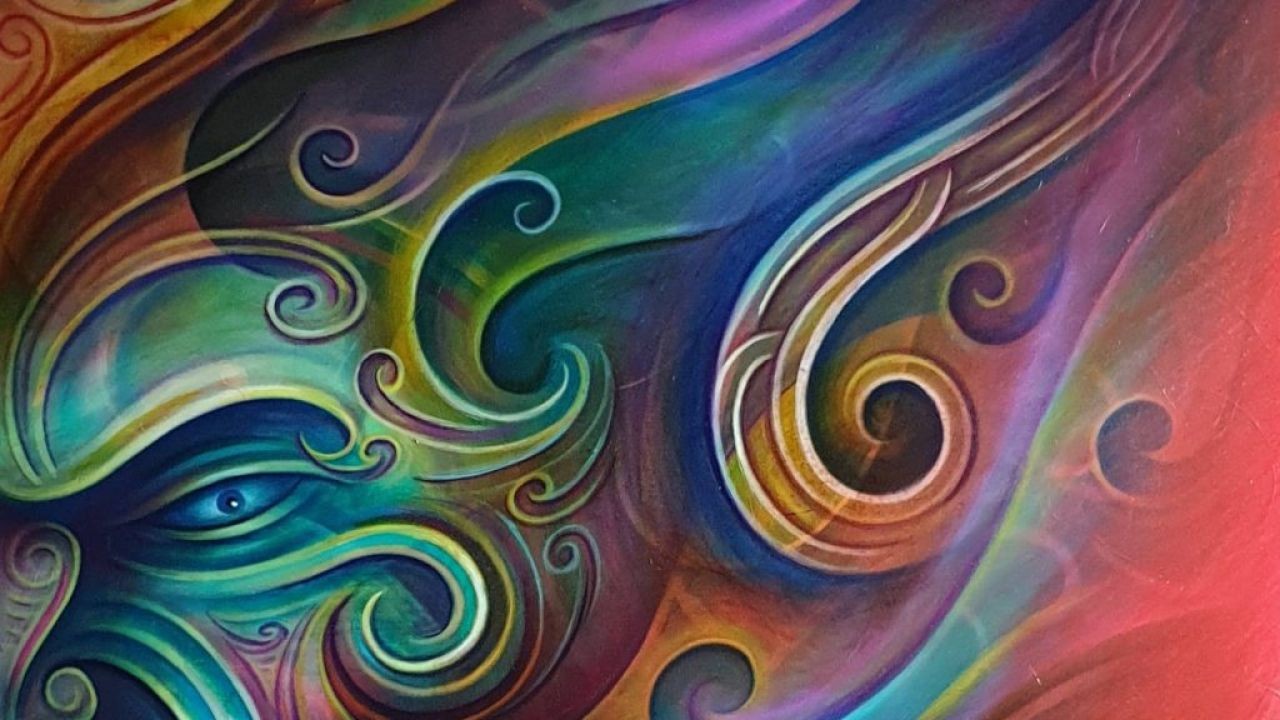
In the vibrant realm of art, New Zealand presents a unique juxtaposition of contemporary expressions and traditional Māori art forms. This duality raises an intriguing question: which holds more relevance in today's cultural landscape? As a nation deeply rooted in both its indigenous heritage and evolving modern identity, New Zealand's art scene offers a rich tapestry for exploration and debate.
Understanding Contemporary Art in New Zealand
Contemporary art in New Zealand is characterized by its dynamic and diverse nature, often reflecting global trends while maintaining a distinct local flavor. This art form is not bound by traditional constraints, allowing artists to experiment with new mediums and techniques. According to a report by Creative New Zealand, the contemporary art sector significantly contributes to the economy, with the arts industry generating approximately NZD 3.5 billion annually.
Key Features and Trends
- Global Influence: Artists in New Zealand draw inspiration from international movements, incorporating elements of digital media, technology, and interactive installations.
- Social Commentary: Contemporary art often serves as a medium for expressing social and political issues, resonating with a global audience while addressing local concerns.
- Innovation and Experimentation: The use of unconventional materials and methods is a hallmark of contemporary art, pushing the boundaries of traditional art forms.
Traditional Māori Art: A Timeless Heritage
Traditional Māori art is an integral part of New Zealand's cultural identity, deeply entwined with the history and customs of the indigenous Māori people. This art form encompasses a range of practices, including carving, weaving, and tattooing, each with profound symbolic meanings. According to Stats NZ, cultural tourism associated with Māori art contributes significantly to the economy, attracting international visitors and promoting cultural exchange.
Core Elements and Significance
- Cultural Symbolism: Māori art is rich in symbolism, with motifs and patterns that convey stories, genealogies, and spiritual beliefs.
- Preservation of Tradition: The practice of Māori art is a means of preserving and passing down traditions and values through generations.
- Community Connection: Māori art fosters a sense of community and identity among Māori people, reinforcing cultural ties and heritage.
Comparative Analysis: Relevance in Today's New Zealand
When comparing contemporary art and traditional Māori art, it is essential to consider their respective roles in society and the economy. Both art forms offer unique contributions, enriching New Zealand's cultural landscape in different ways.
Pros of Contemporary Art
- Global Reach: Contemporary art appeals to a broader audience, facilitating international cultural exchange and collaboration.
- Economic Growth: The innovation and dynamism of contemporary art contribute to economic growth, attracting investments and tourism.
- Adaptability: This art form is highly adaptable, evolving with societal changes and technological advancements.
Cons of Contemporary Art
- Commercialization: The commercialization of contemporary art can overshadow its cultural value, prioritizing profit over authenticity.
- Cultural Disconnect: Rapid changes in contemporary art may lead to a disconnect from traditional cultural roots.
Pros of Traditional Māori Art
- Cultural Preservation: Traditional Māori art is pivotal in preserving and promoting Māori culture and values.
- Tourism and Economy: Māori art attracts cultural tourism, contributing to economic development and international recognition.
- Community Identity: This art form strengthens community bonds and fosters a shared cultural identity among Māori people.
Cons of Traditional Māori Art
- Limited Global Recognition: While highly valued locally, traditional Māori art may not have the same global reach as contemporary art.
- Preservation Challenges: Ensuring the preservation and continuation of traditional practices can be challenging in a rapidly modernizing world.
Real-World Case Study: Toi Māori Aotearoa
Problem: Toi Māori Aotearoa, a national Māori arts organization, faced challenges in promoting Māori art internationally while preserving its cultural integrity. The organization sought to increase global recognition and foster cultural exchange.
Action: Toi Māori Aotearoa implemented a strategic approach by participating in international art festivals and collaborating with global artists. They leveraged digital platforms to showcase Māori art to a wider audience while maintaining cultural authenticity.
Result: Over five years, Toi Māori Aotearoa achieved significant success:
- Increased international participation in Māori art exhibitions by 50%.
- Enhanced visibility of Māori art in global art networks.
- Strengthened cultural ties and knowledge exchange with international communities.
Takeaway: This case study highlights the importance of strategic global engagement while preserving cultural heritage. New Zealand businesses and cultural organizations can apply similar strategies to enhance global recognition and cultural exchange.
Common Myths & Mistakes
- Myth: Contemporary art is only for a niche audience. Reality: Contemporary art reaches a diverse audience, engaging with global issues and resonating across cultures.
- Myth: Traditional Māori art is outdated. Reality: Māori art continues to thrive, evolving with modern influences while preserving its cultural roots.
- Myth: Māori art has no economic value. Reality: Māori art significantly contributes to cultural tourism and economic growth in New Zealand.
Future Trends & Predictions
Looking ahead, both contemporary and traditional Māori art will continue to shape New Zealand's cultural landscape. Emerging trends suggest increased collaboration between contemporary and traditional artists, fostering innovation and cultural exchange. According to the Ministry for Culture and Heritage, initiatives to promote cultural diversity and artistic collaboration are expected to grow, enhancing New Zealand's international cultural presence.
Conclusion
In the debate of contemporary art versus traditional Māori art in New Zealand, both hold significant relevance, offering unique contributions to the nation's cultural identity and economy. As New Zealand navigates its cultural future, the integration and celebration of both art forms will enhance its rich artistic tapestry. Embracing the diversity and depth of New Zealand's art scene promises a vibrant and inclusive cultural landscape.
Final Takeaway & Call to Action
As a healthcare consultant, understanding the cultural context in which you operate is crucial for effective community engagement and cultural competency. Consider how integrating cultural elements into healthcare practices can enhance patient trust and outcomes. Share your thoughts on how art influences your practice or community interactions. Engage in the conversation by commenting below!
People Also Ask (FAQ)
- How does art impact New Zealand's economy? The arts industry generates approximately NZD 3.5 billion annually, contributing to economic growth and cultural tourism.
- What are the biggest misconceptions about Māori art? A common myth is that Māori art is outdated. In reality, it continues to thrive and evolve with modern influences.
- What are the best strategies for promoting Māori art internationally? Leveraging digital platforms and participating in global art festivals while maintaining cultural authenticity are effective strategies.
Related Search Queries
- Contemporary art in New Zealand
- Māori art cultural significance
- New Zealand art economy
- Traditional vs. modern art
- Impact of art on NZ tourism
- Cultural preservation in New Zealand
- Global influence on NZ art
- Art and community identity
- Future of art in New Zealand
- Māori art global recognition