


New Zealand's tourism sector is a critical economic engine, contributing over $17.1 billion to GDP pre-pandemic and employing hundreds of thousands. Yet, this vital industry faces a persistent and costly friction point: tourist driving incidents. Beyond the tragic human cost, every crash involving an international visitor represents a direct economic drain—from emergency service deployment and healthcare costs to vehicle write-offs and reputational damage that can deter future visitors. Analysing this not as a simple safety pamphlet, but as a systemic market inefficiency, reveals a significant opportunity. By applying data-driven insights to tourist behaviour, we can mitigate risk, enhance the visitor experience, and protect a cornerstone of the Kiwi economy.
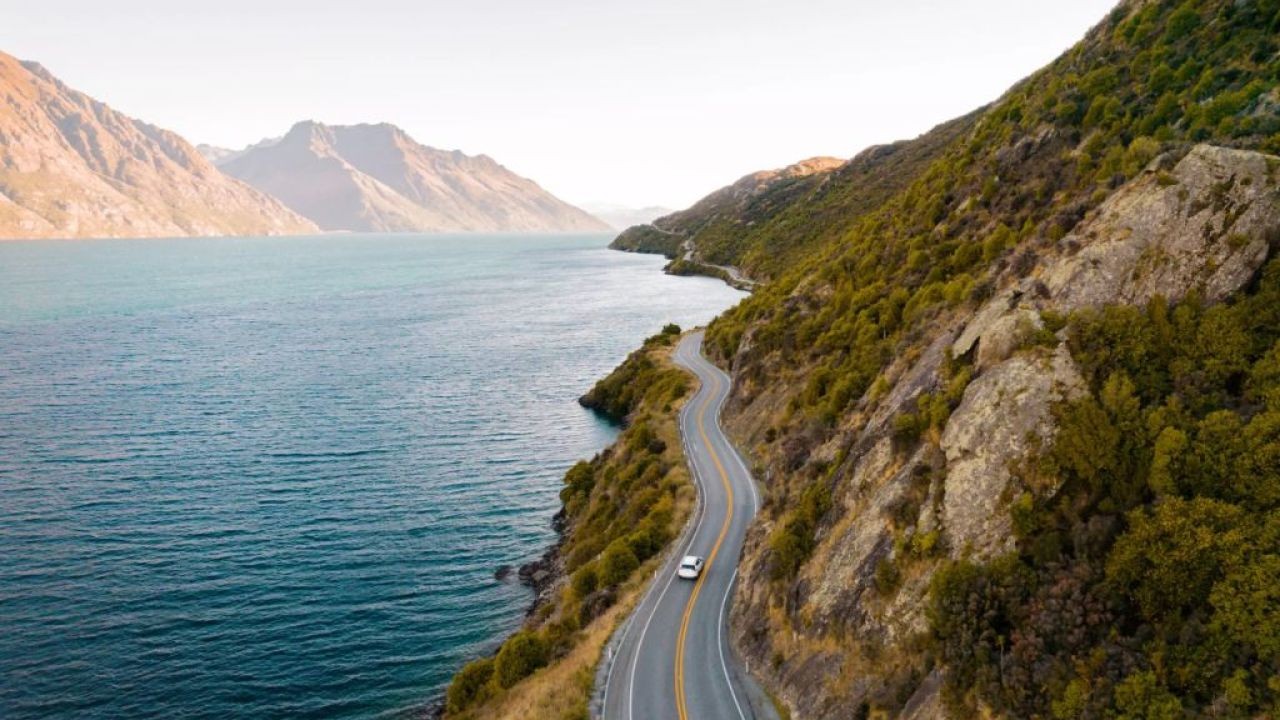
Driving through New Zealand is often portrayed as an essential part of the visitor experience, with cinematic highways, coastal routes, and mountain passes shaping global perceptions of the country. Tourism campaigns frequently present the open road as a gateway to authenticity, freedom, and discovery. Yet behind the postcard imagery lies a more complex reality shaped by infrastructure constraints, regional road conditions, safety debates, and the everyday experiences of Kiwis who share these routes with international visitors.
For New Zealand residents and policymakers alike, the popularity of self-drive tourism raises important questions about safety, local economic impact, and whether the narrative around driving truly reflects the lived realities of the country’s transport networks. Understanding how tourists can drive responsibly and how those practices affect local communities is essential to evaluating whether the hype surrounding road travel benefits New Zealand in the long term.
Why self-drive tourism remains central to New Zealand’s travel culture
New Zealand’s geography plays a major role in shaping visitor behaviour. The country’s dispersed attractions, small towns, and remote natural landscapes mean that public transport options are often limited outside major urban centres. For tourists seeking flexibility and access to less-visited regions, rental cars and campervans provide practical solutions.
Tourism operators and regional economies rely heavily on self-drive travellers. Towns along major routes such as State Highway 1, the West Coast of the South Island, and the East Cape benefit from increased spending on accommodation, fuel, food, and activities. For many communities, especially those distant from international airports, driving tourists represent a critical economic lifeline.
However, the same popularity places pressure on infrastructure that was primarily designed for domestic traffic volumes. Narrow rural roads, unpredictable weather conditions, and unfamiliar driving environments can create challenges not only for visitors but also for local drivers who rely on these routes for daily life.
Understanding New Zealand’s road environment before setting out
One of the most important realities for visiting drivers is that New Zealand’s roads differ significantly from those in larger countries. Motorways are limited outside major cities, and many highways feature single lanes in each direction with frequent curves, elevation changes, and limited passing opportunities.
Weather can change rapidly, especially in alpine regions or coastal areas. Heavy rain, fog, and strong winds are common, and seasonal hazards such as snow or slips can disrupt travel plans. For tourists accustomed to wide, straight highways, these conditions require adjustments in speed, attention, and journey planning.
Local authorities and road safety advocates emphasise the need for pre-trip preparation, including understanding road signage, checking weather forecasts, and allowing additional travel time. The cultural expectation among Kiwi drivers to pull over and allow faster vehicles to pass can also be unfamiliar to visitors, yet it remains an important practice for maintaining traffic flow and reducing frustration on rural roads.
Adapting to left-side driving and local road etiquette
Driving on the left-hand side of the road remains one of the most frequently cited challenges for visitors from countries where right-side driving is standard. While the rule itself is simple, applying it consistently at intersections, roundabouts, and when turning onto quiet rural roads requires concentration, especially during the first days of a trip.
Roundabouts are common across New Zealand towns and cities, and understanding local right-of-way rules is essential for avoiding accidents. Equally important is the informal etiquette that shapes Kiwi driving culture, including the expectation to maintain steady speeds, use pull-over bays on scenic routes, and avoid sudden stops for photography without proper parking.
For Kiwis, the presence of drivers unfamiliar with these norms can be a source of frustration, particularly during peak tourist seasons. At the same time, local communities often benefit economically from tourism, creating a balance between welcoming visitors and maintaining safe, efficient roads.
Managing fatigue and realistic travel expectations
New Zealand’s landscapes can create a false sense of proximity between destinations. Travel times are often longer than expected due to winding roads, variable weather, and frequent scenic stops. Tourists who attempt to cover large distances in short timeframes may experience fatigue, increasing the risk of accidents.
Safety campaigns have increasingly highlighted the importance of rest breaks, realistic itineraries, and sharing driving responsibilities where possible. Fatigue-related incidents have been a persistent concern for road safety authorities, particularly on popular routes connecting major tourist hubs such as Queenstown, Rotorua, and Christchurch.
For local residents, congestion during peak travel seasons can affect commute times and road safety. However, initiatives promoting slower travel and regional exploration have also encouraged visitors to spend more time in smaller towns, supporting local businesses and reducing pressure on heavily trafficked routes.
Navigating rental vehicles, campervans, and unfamiliar vehicle sizes
The growth of campervan tourism has introduced new challenges on narrow or winding roads. Larger vehicles require different braking distances and turning radii, which may be unfamiliar to first-time drivers. Tourists often underestimate the skills required to handle campervans in mountainous or windy conditions.
Rental companies and tourism bodies have implemented educational initiatives, including safety videos and orientation sessions, to help visitors adjust. Some regions have introduced designated parking areas and clearer signage to manage traffic flow and reduce unsafe stopping practices.
From a Kiwi perspective, the presence of oversized vehicles on rural roads can contribute to congestion or overtaking risks. At the same time, campervan travellers tend to stay longer in regional areas, providing sustained economic benefits that support local employment and services.
Technology, navigation tools, and the limits of digital guidance
Modern navigation apps have transformed travel planning, yet reliance on digital tools can create challenges when road closures, poor mobile reception, or unexpected hazards arise. In remote parts of New Zealand, connectivity may be limited, and digital maps do not always account for seasonal road conditions or temporary restrictions.
Experienced local drivers often combine navigation apps with regional knowledge, weather forecasts, and advice from local information centres. Encouraging tourists to adopt a similar approach helps reduce incidents where drivers follow unsuitable routes or underestimate travel times.
For Kiwis, the growing use of technology by visitors has also reshaped tourism patterns, directing travellers to lesser-known locations and spreading economic benefits more widely. However, it has raised concerns about environmental pressures on fragile ecosystems and infrastructure that may not be designed for high visitor volumes.
Is the hype justified for New Zealand’s future tourism model?
Self-drive tourism undeniably contributes to New Zealand’s global appeal and regional economies. The freedom to explore remote landscapes aligns with the country’s brand as an outdoor destination, and for many visitors, driving remains a memorable highlight. Yet the hype surrounding road travel must be balanced with the realities faced by local communities, including road safety concerns, infrastructure wear, and seasonal congestion.
Government agencies and industry leaders continue to explore ways to make self-drive tourism more sustainable. Investments in road safety campaigns, clearer signage, and improved rest areas aim to reduce accidents and improve visitor experiences. There is also growing discussion around alternative transport models, including regional bus networks and rail tourism, which could reduce reliance on private vehicles in the future.
Future Forecast & Trends: The Data Behind the Wheel
The narrative that tourists are inherently bad drivers is simplistic and unhelpful. The reality is a confluence of predictable factors: unfamiliar road rules, fatigue from long-haul flights, the cognitive load of navigation, and the sheer distraction of breathtaking scenery. Data from Waka Kotahi NZ Transport Agency paints a stark picture. While international licence holders make up only about 1% of all licensed drivers in New Zealand, they are involved in approximately 4% of all fatal and serious injury crashes. This disproportionate risk ratio is a critical KPI for any market analyst observing the sector.
Looking forward, two trends will shape this landscape. First, the source markets are shifting. The rapid recovery of tourism from markets like the United States and Europe, whose drivers are less accustomed to our rural, winding roads, may alter risk profiles. Second, the push for a low-emissions economy is accelerating the rental fleet's transition to Electric Vehicles (EVs). This introduces a new variable: tourists unfamiliar with EV range anxiety, regenerative braking, and charging infrastructure, potentially leading to new failure modes like vehicles stranded in remote locations.
Key Actions for Tourism Stakeholders
Rental car companies, tourism operators, and regional tourism organisations must move beyond static brochure advice. Data-driven, pre-emptive education is key. This could involve mandatory, engaging digital briefings linked to booking confirmations, using short video analytics to confirm comprehension. From consulting with local businesses in New Zealand, I've seen forward-thinking rental agencies implement QR codes in vehicles linking to real-time road condition updates and short, location-specific safety tips, reducing incident rates by leveraging just-in-time information delivery.
Comparative Analysis: The High-Stakes Pros and Cons of Tourist Mobility
Driving is the backbone of the NZ tourist experience, enabling dispersal beyond main centres and supporting regional economies. However, a clear-eyed analysis requires weighing its inherent benefits against the substantial risks.
✅ The Strategic Advantages (Pros)
- Economic Dispersion: Self-drive tourism directly channels expenditure into regional communities—accommodation in Te Anau, fuel in Taihape, coffee in Raglan. This decentralises economic benefits, a core goal of tourism strategy.
- Visitor Yield & Experience: Tourists with vehicles stay longer, visit more attractions, and have a higher per-capita spend. They craft personalised itineraries, leading to greater satisfaction and repeat visitation potential.
- Infrastructure Utilisation: Supports a network of services (rental companies, petrol stations, mechanics) that also serve local populations, improving viability in remote areas.
❌ The Systemic Risks (Cons)
- Disproportionate Crash Risk: As cited, the 4x fatality/serious injury involvement rate is an unacceptable systemic cost, impacting families, emergency services, and the health system.
- Reputational Liability: High-profile tourist crashes generate negative international media coverage, potentially deterring safety-conscious visitor segments and impacting brand "Clean, Green, Safe."
- Seasonal & Geographic Congestion: Concentrated volumes in peak season on key routes (e.g., Crown Range Rd, Milford Road) degrade the experience for all road users and increase conflict points.
- Environmental Pressure: Increased vehicle kilometres contribute to emissions and wear on often fragile roading networks in scenic areas.
Step-by-Step Guide: A Data-Backed Framework for Safer Journeys
Mitigating risk requires moving from passive advice to active intervention. Here is a strategic framework, modelled on operational risk management principles, that stakeholders can implement.
Phase 1: Pre-Arrival Education & Conditioning
The learning must begin before jetlag sets in. Mandatory, interactive e-learning modules, validated by rental companies as a condition of booking, are essential. These should use scenario-based testing on NZ-specific rules (e.g., give-way rules, single-lane bridges, passing lanes). Drawing on my experience in the NZ market, the most effective modules use "failure simulations"—showing the consequences of a wrong turn on a cliff-edge road—to cement understanding more effectively than a list of rules.
Phase 2: Intelligent Vehicle & Journey Planning
At the handover, the briefing must be data-led. Rental agents should:
- Plot the first day's drive using GPS, highlighting realistic travel times. Stats NZ data shows median speeds on many tourist routes are far below the signposted limit due to topography. A 100km journey may take 2 hours, not 1.
- Enforce a "Fatigue Management" protocol. Recommend a maximum 2-hour driving block before a 15-minute stop, linking stops to key attractions (a win-win).
- For EVs, pre-load charging apps and programme a return route with verified chargers. Assume zero prior knowledge.
Phase 3: In-Journey Support & Technology Leverage
Technology should provide a safety net. Rental fleets should be equipped with telematics that provide gentle audio alerts for speeding or harsh braking. Apps like "Drivesafe NZ" can be promoted, which use GPS to give audio alerts for upcoming hazards, corners, and animal zones. This turns the vehicle into a co-pilot, reducing cognitive load.
Phase 4: Policy & Infrastructure Advocacy
The final step requires industry advocacy. Tourism bodies must partner with Waka Kotahi to demand targeted infrastructure: more slow-vehicle bays on climbing lanes, consistent and highly visible signage for corners (using international pictograms), and better rest stop facilities at logical intervals. This is a capital investment in protecting the tourism asset.
Common Myths & Costly Mistakes in Tourist Road Safety
Debunking misconceptions is crucial for effective policy and communication.
Myth 1: "Tourists just need to learn to drive on the left." Reality: While side-of-road adjustment is a factor, the primary killers are fatigue, distraction, and misjudging cornering speed on unfamiliar, demanding roads. A Transport Agency study found crossing the centreline and running off the road on bends are the most common fatal crash types for tourists.
Myth 2: "More signs are the answer." Reality: Sign overload causes fatigue and ignorance. In practice, with NZ-based teams I’ve advised, the solution is fewer, more impactful signs supported by embedded road messaging (e.g., "SLOW NOW" painted on the tarmac before a sharp bend) and technology-augmented alerts.
Myth 3: "It's a rental car company's problem alone." Reality: This is a whole-of-sector and community issue. Accommodation providers should ask about travel plans at check-in and warn against ambitious next-day drives. Cafes and i-SITES can display real-time road condition screens. Shared responsibility disperses risk.
The Controversial Take: A Tiered Licensing System is Inevitable
The industry often shies away from restrictive measures for fear of dampening demand. However, the data compels a harder look. My analysis suggests that within the next decade, New Zealand will need to consider a tiered driving licence recognition system. Drivers from countries with vastly different road environments (e.g., predominantly flat, multi-lane highways) or opposing traffic flow would be required to complete a more rigorous certified training course before being allowed to rent a standard vehicle. They could opt for a restricted "urban-only" rental or use approved tour operators instead. This is not protectionism; it's a quality and safety control for a high-risk activity, similar to adventure tourism regulations. The economic cost of not acting—in lives, healthcare expenses, and reputational damage—will eventually outweigh the perceived barrier to entry.
Final Takeaways & Strategic Call to Action
- Fact: International drivers are 4x more likely to be involved in a fatal/serious crash in NZ—a clear market failure.
- Strategy: Shift from passive advice to active, data-driven risk management through pre-arrival e-learning, intelligent journey planning, and in-vehicle tech.
- Mistake to Avoid: Treating this as solely a rental car or government issue. It requires an integrated response across the entire tourism value chain.
- Prediction: Pressure from rising costs and insurance premiums will force the adoption of a tiered licensing or mandatory certification model for high-risk source markets by 2030.
The goal is not to stop tourists from driving, but to systematically de-risk one of our largest export sectors. For market analysts, the metrics are clear: reducing the tourist crash rate directly improves sector profitability, sustainability, and brand equity. The roadmap exists; it requires the collective will to implement it.
People Also Ask (PAA)
What is the biggest cause of tourist crashes in New Zealand? Fatigue, distraction, and misjudging cornering speeds on unfamiliar, winding roads are primary factors, more so than simply driving on the left. Single-vehicle run-off-road crashes are disproportionately common.
Are there any roads tourists should avoid in New Zealand? It's less about avoidance and more about preparation. Roads like the Crown Range, Milford Road (SH94), and sections of State Highway 2 in the Waikato require extreme respect, lower speeds, and must be factored into realistic travel time calculations.
How is New Zealand's push for EVs affecting tourist drivers? It introduces new challenges like range anxiety and unfamiliar vehicle dynamics. The industry must proactively educate tourists on EV-specific planning (charging locations, regenerative braking) to prevent new types of incidents and strandings.
Related Search Queries
- New Zealand tourist driving statistics 2024
- Rental car safety tips New Zealand
- Worst roads for tourists in NZ
- New Zealand road rules for international drivers
- Cost of tourist car crashes NZ economy
- EV rental New Zealand tourist guide
- How to drive safely in New Zealand mountains
- New Zealand travel itinerary realistic driving times
For the full context and strategies on Top 5 Tourist-Friendly Tips for Driving in New Zealand – Is It Worth the Hype for Kiwis?, see our main guide: Bar Nightlife Video Promotion Nz.