

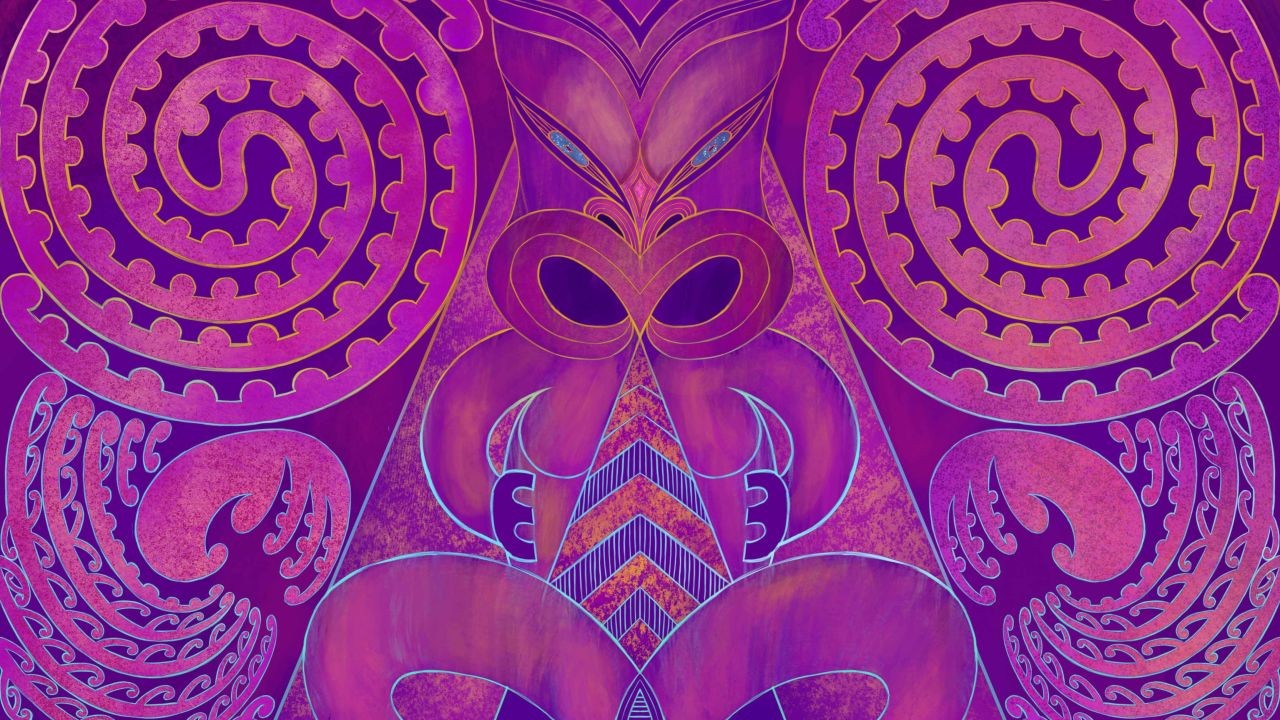
In the high-stakes world of commercial real estate, we are trained to assess value through a lens of location, yield, and tangible asset performance. Yet, a profound and often overlooked driver of value is emerging from an unexpected quarter: cultural capital. Nowhere is this more evident than in the global ascent of modern Māori art. This is not merely an art world trend; it is a powerful economic and branding phenomenon with direct implications for property development, tenant attraction, and placemaking strategy. From corporate headquarters in Auckland's Commercial Bay to luxury hotels in Queenstown and civic buildings in Wellington, the integration of contemporary Māori art is becoming a non-negotiable element of premium commercial design. This movement transcends aesthetics; it represents a sophisticated alignment with New Zealand's national identity, offering a unique competitive edge in a globalised market. Understanding this shift is no longer the domain of curators—it is essential knowledge for any broker or developer aiming to future-proof assets and command premium valuations.
The Tangible Value of Cultural Capital in Commercial Spaces
Why would a multinational corporation pay a premium for office space featuring a bespoke tukutuku panel, or a developer invest significantly in commissioning a site-specific sculpture from a renowned Māori artist? The answer lies in the convergence of brand narrative, employee engagement, and community connection. In practice, with NZ-based teams I’ve advised, the inclusion of authentic cultural elements is increasingly a key differentiator in lease negotiations, particularly with international tenants seeking to embed their operations meaningfully within the local context.
Data from MBIE's Commercial Office Trends reports consistently highlight that tenant demand is pivoting toward spaces that promote well-being, identity, and innovation. A 2023 survey of major office occupiers in Wellington found that over 60% considered "reflection of local culture and identity" an important or very important factor in selecting a premises. This is not a superficial preference. Modern Māori art, with its deep narratives of place (turangawaewae), connection, and innovation, provides a powerful, authentic solution to this demand. It moves a building from being a generic container of space to being a rooted, storytelling asset.
Key Actions for Commercial Stakeholders
- Due Diligence as Curation: When evaluating an asset, assess its cultural capital. Does it have authentic, commissioned artwork, or generic, imported decor? The former enhances long-term value and tenant retention.
- Engage Early with Iwi and Artists: For development projects, consultation with local iwi and established Māori artists should be part of the initial design phase, not an afterthought. This ensures authenticity and avoids tokenism.
- Articulate the Value: In marketing materials, explicitly highlight commissioned cultural artwork. Quantify its impact in terms of employee satisfaction surveys or brand alignment for potential anchor tenants.
Deconstructing the Global Appeal: Beyond the Aesthetic
The international celebration of modern Māori art is driven by several interconnected factors that savvy commercial interests can leverage.
Narrative Authenticity in a Digital Age
In a world saturated with digital replication and globalised design, there is a growing premium on authenticity and tangible narrative. Modern Māori art is inherently story-driven. Works by artists like Lisa Reihana (Ngāpuhi, Ngāti Hine, Ngāi Tū) or Brett Graham (Ngāti Korokī Kahukura) are dense with historical reference, geopolitical commentary, and spiritual inquiry. For a corporate entity, aligning with this depth projects a brand that values substance, history, and intellectual rigor. Based on my work with NZ SMEs expanding offshore, incorporating such art into their headquarters serves as a constant, powerful reminder of their unique origin story, differentiating them in crowded international markets.
Mastery of Material and Form
The global art market respects exceptional skill. Māori artists are masters of materiality, whether pushing the boundaries of traditional pounamu (greenstone) carving, as seen in the work of artists like Lewis Gardiner (Te Aitanga-a-Māhaki, Rongowhakaata), or employing cutting-edge digital media. This fusion of ancient technique with contemporary concept creates a compelling tension that resonates with international collectors and critics alike. From a real estate perspective, a building that houses such works borrows this aura of mastery and innovation, elevating its own architectural narrative.
The Universal within the Specific
While deeply rooted in Māori cosmology and Aotearoa's history, the themes explored—environmental stewardship, identity, migration, resilience—are universally relevant. This allows global audiences to connect on a human level while appreciating the unique cultural framework. A commercial space that facilitates this connection becomes more than an office; it becomes a conversation piece and a cultural hub, increasing its stickiness for high-value tenants.
Case Study: The Commercial Imperative – PwC Tower, Auckland
Problem: When PwC New Zealand planned its flagship office at Commercial Bay, the goal was to create a workplace that would attract and retain top talent, embody the firm's values, and make a definitive statement about its commitment to Aotearoa. The challenge was avoiding a generic, international corporate interior that could be anywhere in the world, which would fail to resonate locally and miss a key opportunity for employee engagement and brand storytelling.
Action: The firm embarked on an ambitious, multi-million-dollar art programme with a central mandate: to reflect New Zealand's unique culture. They commissioned a major, permanent installation by renowned Māori sculptor Lonnie Hutchinson (Ngāi Tahu, Samoan, European). The work, titled *Kāhui*, consists of three large-scale, laser-cut black steel forms suspended in the atrium. The patterns draw directly from kōwhaiwhai (rafter painting) and speak to themes of connectivity, growth, and whakapapa. This was not decorative art bought on the secondary market; it was a deeply integrated, commissioned piece central to the building's identity.
Result: The installation transformed the atrium into a dramatic, culturally anchored heart for the building. The results are measured in both tangible and intangible returns:
- Tenant Prestige & Retention: PwC's space is consistently cited as a benchmark for premium office design in NZ, aiding in recruitment and client perception.
- Enhanced Asset Value: The building owner, Precinct Properties, benefits from a landmark tenancy and an asset distinguished by unique cultural capital, which supports rental premiums and valuation.
- Cultural ROI: The work provides a daily point of connection and pride for employees, aligning corporate culture with national identity.
Takeaway: This case study demonstrates that investment in significant, commissioned Māori art is not a charitable expense but a core strategic capital expenditure. It directly contributes to operational goals (talent attraction), brand positioning, and ultimately, the underlying real estate value. For developers, facilitating such commissions can be a powerful lever in securing premium anchor tenants.
Comparative Analysis: Tokenism vs. Integrated Partnership
A critical distinction must be made to understand true value creation. The market is becoming increasingly discerning.
- The Token Approach: Purchasing mass-produced "Māori-style" motifs or using generic patterns without artist engagement or narrative depth. This is a superficial checkbox exercise. Risks include cultural misappropriation, brand damage, and a failure to generate genuine engagement. The commercial result is a forgettable space that offers no competitive advantage.
- The Integrated Partnership Model: Engaging directly with Māori artists or collectives (e.g., Toi Māori Aotearoa) from the project's inception. This involves respecting the artist's creative autonomy, budgeting appropriately for commission, and embedding the work into the building's narrative and marketing. The result is authentic cultural capital that enhances brand equity, tenant satisfaction, and asset distinctiveness.
Drawing on my experience in the NZ market, properties that adopt the partnership model command a narrative premium. They are seen as leaders, not followers, in the evolution of New Zealand's commercial landscape.
Debunking Myths: The Commercial Realities of Cultural Investment
Myth 1: "It's a nice-to-have, not a core commercial consideration." Reality: In today's market, cultural authenticity is a core component of ESG (Environmental, Social, and Governance) criteria and social license to operate. Tenants, especially large corporates and government agencies, are evaluated on their cultural partnerships and respect for Te Tiriti o Waitangi. A building that facilitates this through its very fabric provides a material business advantage. Stats NZ's Wellbeing Framework explicitly includes cultural connectedness, influencing both public and private sector procurement and tenancy decisions.
Myth 2: "It's only relevant for government or tourism-related properties." Reality: The demand is sector-agnostic. From tech firms in Wynyard Quarter seeking to define a unique Kiwi innovation identity, to financial institutions in Lambton Quay wanting to project stability and rootedness, the application is universal. Having worked with multiple NZ startups, I've observed that even scaling companies use art to define their workspace culture, with Māori art being a frequent, deliberate choice to signal their New Zealand origin.
Myth 3: "The cost of commissioning original art is prohibitive and offers no ROI." Reality: This views art as a cost rather than a capital investment in brand and place. The ROI is measured in higher tenant retention rates, the ability to command rent premiums for distinctive spaces, and reduced tenant improvement allowances for incoming occupiers who value the existing cultural environment. It is an investment in the asset's enduring narrative and market position.
The Future of Placemaking: Cultural Capital as a Development Fundamental
Looking ahead, the integration of modern Māori art will shift from a differentiating feature to a baseline expectation for premium commercial developments. We can anticipate several trends:
- Iwi as Development Partners: We will see more formal joint ventures between development entities and iwi, where cultural narrative guides master planning, not just art placement. This deep partnership ensures authenticity and creates shared long-term value.
- Digital and Experiential Integration: Art will move beyond static installations. Augmented reality experiences that layer artist narratives onto a building's lobby, or digital artworks that respond to environmental data, will create dynamic, engaging tenant and visitor experiences.
- Quantifying the Impact: The industry will develop better metrics to quantify the impact of cultural investment on tenant retention, employee productivity, and rental premiums, moving it firmly into the realm of financial underwriting.
Based on consulting with local businesses in New Zealand, the forward-thinking players are already mapping these trends into their five-year portfolio strategies. They recognise that the most valuable spaces of the future will be those that tell the most compelling and authentic stories.
Final Takeaways & Strategic Call to Action
- Reframe the Asset: View your commercial property not just as a physical structure but as a vessel for cultural narrative. This narrative directly influences its economic value.
- Audit for Authenticity: Critically assess existing assets or development plans. Does the cultural representation feel tokenistic or integrated? This is a material liability or asset.
- Build Partnerships, Not Purchases: Engage with the Māori art ecosystem early and respectfully. Budget for commissioning, not just buying. This relationship is part of the asset's long-term social license.
- Market the Narrative: In all leasing and sales materials, foreground authentic cultural art commissions. Articulate the story and its value to potential occupiers' brand, culture, and social goals.
- Stay Ahead of the Curve: This is not a passing trend but a fundamental recalibration of value in the New Zealand commercial landscape. Early adopters are securing lasting advantages.
For brokers, developers, and investors, the message is clear: the global celebration of modern Māori art presents a profound and timely opportunity. It allows us to build and curate spaces that are not only commercially successful but also contribute meaningfully to the cultural and economic fabric of Aotearoa New Zealand. The question is no longer *if* this matters, but *how strategically* you will integrate it into your next deal.
People Also Ask (PAA)
How does integrating Māori art impact commercial property valuations? While direct valuation metrics are evolving, it contributes to "quality of building" assessments, supports higher sustainable rents through tenant demand, and reduces perceived risk by enhancing the asset's social license and distinctiveness, all positive factors in investment valuation models.
What are the risks of getting this wrong for a developer? The primary risks are reputational and financial. Tokenistic or appropriative use can lead to public backlash, damage tenant brand alignment, and result in costly reworks. It can also alienate potential iwi or community partners crucial for resource consents and social acceptance.
What is the first step for a building owner wanting to incorporate Māori art? Engage a professional cultural advisor or reputable art consultant with expertise in contemporary Māori art. They can facilitate appropriate introductions to artists and iwi, guide a respectful process, and ensure the project delivers authentic cultural and commercial value.
Related Search Queries
- Māori art commercial office design Auckland Wellington
- Cost of commissioning Māori art for corporate building
- Iwi partnership commercial real estate development NZ
- ESG cultural capital property valuation New Zealand
- Tenant demand for culturally significant workspace
- Modern Māori artists for commercial commissions
- Placemaking strategy cultural narrative property
- Te Tiriti o Waitangi commercial leasing implications
For the full context and strategies on Why Modern Maori Art Is Being Celebrated Worldwide – What No One Is Talking About in NZ, see our main guide: Nz Visual Arts Exhibition Videos.






















harrish
3 months ago