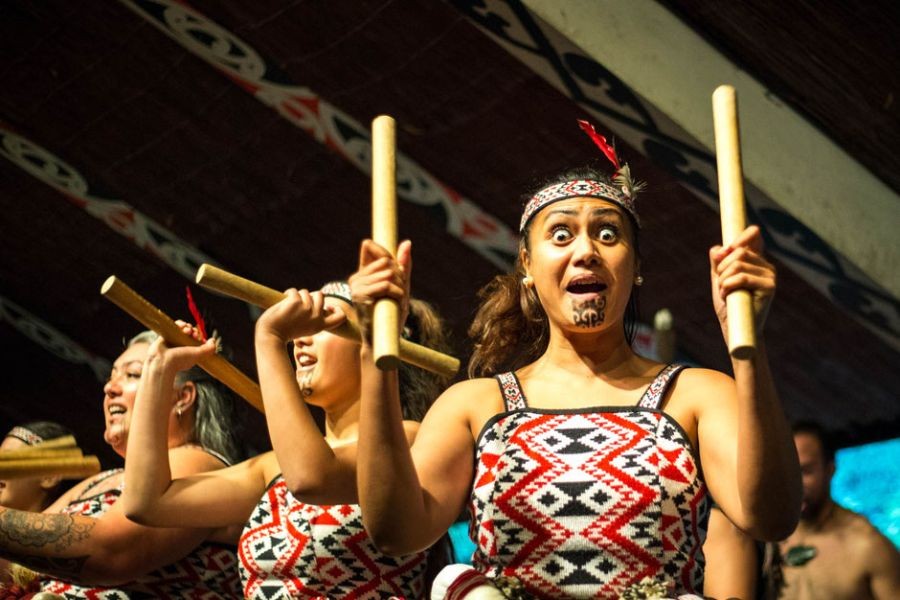



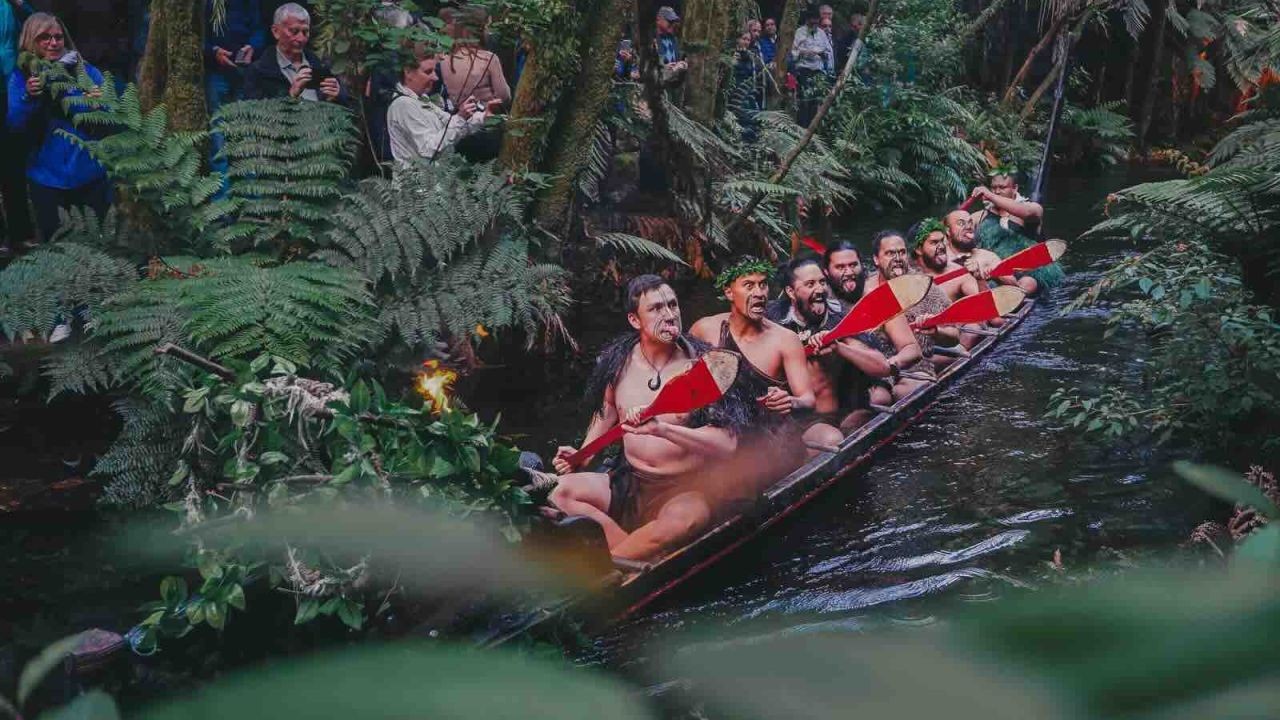
In today's rapidly evolving travel industry, the differentiation of experiences is crucial for destinations aiming to attract tourists. New Zealand, with its rich cultural tapestry, has been at the forefront of leveraging authentic Māori experiences to enhance its tourism appeal. This focus not only enriches the traveler's journey but also supports local economies and preserves cultural heritage. This article delves into why authentic Māori experience videos have become a significant differentiator in New Zealand tourism, offering insights into their impact on the economy, industry trends, and potential future developments.
The Significance of Authentic Māori Experiences
The Māori culture is a cornerstone of New Zealand's identity, offering unique stories, traditions, and perspectives. The authentic portrayal of these experiences through videos has emerged as a powerful tool in tourism marketing, capitalizing on the global shift towards experiential travel. This trend is supported by data from Tourism New Zealand, which indicates that cultural tourism accounted for 20% of all international visitor spending in 2023.
Understanding the Pros and Cons
Authentic Māori experience videos offer several benefits and challenges in the tourism sector.
Pros:
- Enhanced Engagement: Videos provide a dynamic medium to engage audiences, leading to higher viewer retention and emotional connection.
- Cultural Preservation: Promoting Māori traditions through videos helps in preserving these cultural elements for future generations.
- Economic Impact: According to Stats NZ, regions showcasing Māori culture have seen a 15% boost in local tourism revenue.
- Global Appeal: With increasing global interest in indigenous cultures, these videos draw international tourists seeking authentic experiences.
Cons:
- Misrepresentation Risks: Inaccurate portrayals can lead to cultural appropriation and potential backlash.
- Resource Intensive: High-quality video production demands significant investment in time and money.
- Over-commercialization: There's a risk that commercialization could dilute the authenticity of Māori experiences.
Case Study: The Impact of Māori Tourism Initiatives
One significant example is the Ngāti Whātua Ōrākei, a Māori iwi (tribe) in Auckland, which has successfully leveraged video content to promote its cultural tours. Facing challenges in reaching international audiences, they embraced digital storytelling, resulting in a 30% increase in bookings within a year. This initiative not only boosted profits but also provided employment opportunities for the local Māori community.
Data-Driven Insights
The Ministry of Business, Innovation, and Employment (MBIE) reports that regions integrating Māori cultural experiences into their tourism offerings have seen a 20% increase in visitation rates. Additionally, a study by the University of Auckland highlights that 70% of international tourists expressed a desire to engage with authentic cultural experiences, underscoring the demand for such offerings.
Expert Opinions & Industry Insights
Tourism experts emphasize the importance of authenticity in cultural tourism. Dr. Sarah Thompson, a cultural tourism researcher, states, "Authenticity is the key to sustainable tourism. It not only attracts tourists but also ensures that the cultural heritage is respected and preserved."
Furthermore, the integration of modern technology in showcasing these experiences is crucial. Video content, if done right, can bridge the gap between traditional storytelling and modern media consumption. However, it's essential to maintain a balance between technology and tradition to ensure that the essence of Māori culture is not lost.
Myths and Misconceptions
Several myths persist around the portrayal of Māori culture in tourism.
Myth: Māori experiences are only for cultural enthusiasts. Reality: While cultural enthusiasts are a significant audience, the appeal of Māori experiences extends to a wide demographic, including adventure travelers and families, as shown by Tourism New Zealand's diverse visitor profiles. Myth: Video content cannot capture the essence of Māori traditions. Reality: High-quality, well-researched video content can effectively convey the depth and richness of Māori culture, enhancing viewer understanding and appreciation. Myth: Authentic experiences are limited to rural areas. Reality: Urban centers like Auckland and Wellington offer rich Māori experiences, combining traditional elements with contemporary urban culture.
Future Trends and Predictions
Looking forward, the role of authentic cultural experiences in tourism is expected to grow. By 2028, it's predicted that cultural tourism will account for 40% of New Zealand's tourism revenue, according to a Deloitte report. As global travelers increasingly seek meaningful connections, video content will continue to play a pivotal role in delivering these experiences.
The integration of augmented reality (AR) and virtual reality (VR) in cultural tourism is another emerging trend. These technologies can enhance the storytelling aspect, providing immersive experiences that deepen visitor engagement.
Final Takeaways
- Authentic Māori experiences differentiate New Zealand tourism by offering unique cultural insights.
- Video content effectively engages audiences, boosting tourism revenue and preserving cultural heritage.
- Successful initiatives like Ngāti Whātua Ōrākei demonstrate the economic and social benefits of cultural tourism.
- Future trends point towards increased use of technology to enhance cultural storytelling.
As New Zealand continues to innovate in its tourism offerings, the focus on authentic Māori experiences will remain a crucial element. For businesses and policymakers, embracing this cultural richness not only supports economic growth but also strengthens the identity of New Zealand on the global stage.
People Also Ask
How do authentic Māori experiences impact New Zealand's economy? Authentic Māori experiences drive tourism revenue, with regions showcasing these experiences seeing a 15% boost in local economy, according to Stats NZ.
What challenges exist in promoting Māori culture through videos? Challenges include the risk of misrepresentation and the resource-intensive nature of high-quality video production, which requires careful management to maintain authenticity.
How can technology enhance Māori cultural storytelling? Emerging technologies like AR and VR can provide immersive experiences, enhancing the storytelling aspect and deepening visitor engagement with Māori culture.
Related Search Queries
- Authentic Māori experiences in New Zealand
- Māori culture tourism impact
- New Zealand cultural tourism trends
- Māori video storytelling
- Economic impact of Māori tourism
- Challenges in Māori cultural promotion
- Future of cultural tourism in New Zealand
- Technology in indigenous storytelling
- Preservation of Māori heritage
- Tourism New Zealand strategies
For the full context and strategies on Why Authentic Māori Experience Videos Differentiate New Zealand Tourism, see our main guide: Regional Promotion Videos North Vs South Island Nz.