





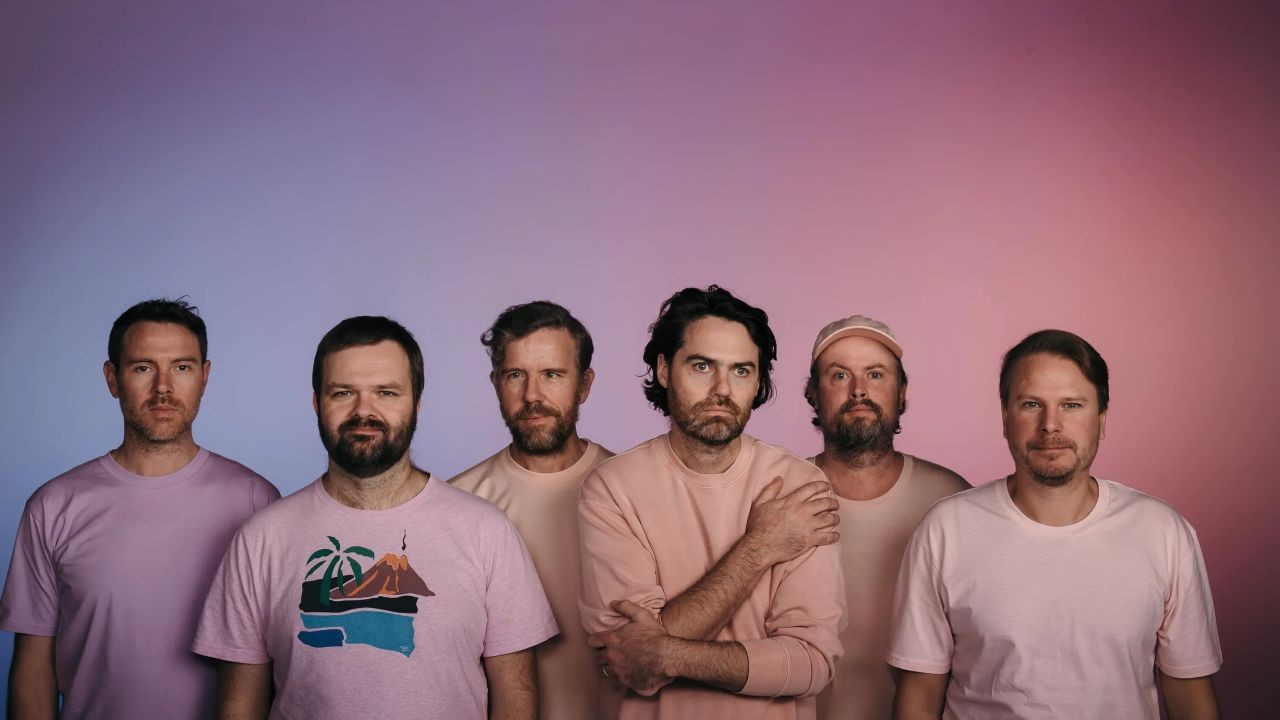
For a nation of just over five million people, New Zealand's cultural footprint on the global stage is, by any reasonable metric, disproportionately large. This phenomenon is most vividly illustrated in the realm of music, where a distinct Kiwi sound has evolved from local curiosity to international export. However, to view this success purely through a cultural lens is to miss a critical dimension. The ascent of New Zealand music presents a compelling, real-world case study in intellectual property (IP) valuation, cross-border income flows, and the economic impact of creative industries—areas of deep interest to any specialist analyzing asset classes and revenue streams. The financial architecture supporting a global hit like Lorde's "Royals" or the streaming dominance of artists like Six60 is as intricate as any corporate merger.
From Cultural Export to Economic Asset: A Framework for Analysis
The global music industry, valued at over US$28 billion, operates on complex royalty structures, publishing rights, and licensing agreements. When a New Zealand artist breaks internationally, they are not merely sharing art; they are activating a sophisticated financial engine. Revenue streams fragment into mechanical royalties (from sales and streams), performance royalties (from radio, TV, and public play), synchronization fees (for use in film, games, or ads), and neighboring rights. Each stream involves different collection societies, territorial rules, and tax implications.
In New Zealand, the creative sector contributed $11.1 billion to GDP in the 2022 financial year, as reported by Stats NZ. While this encompasses film, design, and broader arts, music is a significant pillar. Drawing on my experience in the NZ market, the financial maturation of local artists often mirrors that of a high-growth startup: initial domestic reinvestment, scaling through international partnerships, and eventually, managing a diversified portfolio of IP assets. The shift from viewing music as mere content to treating it as a licensable, revenue-generating asset is the key to understanding its true economic influence.
Key Actions for Financial and Business Advisors
For professionals advising creative clients or investing in this sector, a fundamental shift in perspective is required. Catalog the artist's work not as songs, but as discrete IP assets with identifiable revenue lifetimes. Understand the role of local bodies like Recorded Music NZ (for licensing) and APRA AMCOS (for songwriter/publisher royalties) as essential collection and distribution networks. Finally, model income with a global lens, accounting for withholding taxes and treaty benefits in key markets like the United States, the United Kingdom, and Australia, where Kiwi artists frequently earn substantial income.
Comparative Analysis: The DIY Model vs. The Major Label Machine
The pathway to global influence for New Zealand artists typically diverges into two distinct financial and operational models, each with profound implications for control, revenue share, and long-term sustainability.
The Independent, DIY Model
Exemplified by early-stage artists like Benee or the rock band The Beths, this model leverages digital platforms (Spotify, Bandcamp, social media) for direct global distribution. Artists often retain ownership of their masters (the original recordings) and publishing rights, outsourcing specific services like marketing or distribution. The financial upside is greater long-term equity and control; the downside is the requirement for significant upfront capital and business acumen.
- Pros: Higher ownership percentage (often 70-85% of streaming revenue vs. 15-20% on a traditional deal), direct fan relationship, full creative control, and flexibility.
- Cons: Capital intensive, requires the artist to act as CEO, scaling marketing is challenging, and navigating international royalty collection is complex without institutional support.
The Major Label Partnership Model
This is the traditional route, where an artist signs a recording contract with a global label (e.g., Universal, Sony) in exchange for an advance and access to their unparalleled marketing, distribution, and playlisting networks. In this scenario, the label typically owns the master recordings for the term of the deal, recouping its advance from royalties before the artist earns. From consulting with local businesses in New Zealand, I've observed that such deals can provide the rocket fuel for global saturation but can also lead to a loss of financial and creative autonomy if not structured carefully.
- Pros: Significant upfront investment, global promotional muscle, expert teams for marketing, radio, and sync licensing, and reduced administrative burden on the artist.
- Cons: Artist owns a smaller share of revenue (royalty rates are famously low), loss of control over masters, potential for creative interference, and the risk of being "dropped" if commercial targets aren't met.
The Middle Ground – A Hybrid Approach: Increasingly, savvy New Zealand artists and managers negotiate hybrid deals. These might involve licensing masters for a specific term or territory, joint-venture label imprints, or distribution-only agreements. This seeks to blend the scale of the major with the ownership ethos of the independent model. The financial structuring of these deals is highly bespoke and represents the cutting edge of music business strategy.
Case Study: Six60 – Building a Vertically Integrated Kiwi Music Empire
Problem: In the late 2000s, Six60 emerged as a local sensation, yet the traditional NZ music industry framework—reliant on radio play and domestic touring—offered a clear ceiling for growth and revenue. The band faced the classic challenge: how to scale a passionate local fanbase into a sustainable, large-scale business without ceding control to international intermediaries or diluting their unique connection to their audience.
Action: Six60, with their management, pursued a radically independent path focused on vertical integration. They famously bypassed traditional venues to stage their own record-breaking concerts at Western Springs Stadium, owning the entire event risk and reward. They built a direct-to-fan ecosystem, selling merchandise and tickets through their own channels. Crucially, they retained 100% ownership of their master recordings and publishing, licensing distribution rather than signing an all-encompassing label deal. Their strategy was less about chasing overseas approval and more about dominating the home market to a degree that forced international attention.
Result: The financial outcomes have been extraordinary. They have sold over 500,000 concert tickets in New Zealand alone. Their 2020 documentary film and live album debuted at #1. They consistently claim a disproportionate share of New Zealand's streaming charts. By owning their masters, their back catalog generates pure profit. Having worked with multiple NZ startups, I see clear parallels: Six60 treated their band as a scalable business model, with IP as the core asset, live events as a high-margin revenue stream, and fan loyalty as defensible market share.
Takeaway: This case study proves that global influence can be engineered from a stronghold of local dominance. The financial lesson is that ownership of core IP, combined with innovative, direct revenue streams, can build an entity more valuable and resilient than one dependent on traditional industry pipelines. For New Zealand, it demonstrates that the nation's music economy can generate significant internal wealth before a single dollar is earned abroad.
Common Myths, Mistakes, and Financial Pitfalls
Several persistent misconceptions can derail the financial success of even the most talented artists. Advisors must help clients navigate these realities.
Myth 1: "A global streaming hit means instant, life-changing wealth." Reality: Streaming economics are notoriously micro-transactional. A million streams on a major platform may generate only NZD $4,000 - $7,000, which is then split between record label, distributors, publishers, and songwriters. For an independent artist, it's a meaningful revenue stream; for a major label artist paying back an advance, it's often just a step towards recoupment. Viral success must be leveraged into touring, sync, and merchandise to create substantive wealth.
Myth 2: "Signing any major label deal is the ultimate goal and success." Reality: As our comparative analysis showed, a poor deal can be an albatross. An artist might receive a $200,000 advance but then owe the label 85% of all income until it's recouped—a process that can take years, during which they earn nothing. The real goal should be a partnership that aligns with the artist's specific career and financial objectives.
Myth 3: "Music income is simple and only taxed where I live." Reality: This is a critical error. Based on my work with NZ SMEs in creative fields, international royalty income is subject to withholding tax in the country of origin. For example, US-sourced royalties are typically withheld at 30% for non-residents. New Zealand has double tax agreements (DTAs) with many countries, which can reduce this rate (e.g., to 5% or 10% for royalties). Failure to file the correct forms (like a US W-8BEN) and understand DTAs can result in significant over-taxation.
Biggest Financial Mistakes to Avoid
- Neglecting to Register with Collection Societies: Failing to affiliate with APRA AMCOS (for songwriting) and Recorded Music NZ (for recording) means leaving performance and broadcast royalties uncollected—these are often "found money" that accumulates passively.
- Co-Writing Without Clear Splits: Informally agreeing to "just split it evenly" during a songwriting session can lead to protracted disputes when the song generates income. A "split sheet" signed at the time of creation is essential.
- Spending Advances Without a Plan: Treating a label advance as pure income, rather than a recoupable business loan to fund recording, marketing, and touring, can lead to a financial cliff when the money runs out and no royalties are yet flowing.
The Future Sound: Trends Redefining the NZ Music Economy
The next phase of New Zealand's musical influence will be shaped by technological and financial innovations that further democratize and complicate the landscape.
1. The AI Disruption in Creation and Rights Management: Generative AI tools that can mimic voices or compose music are creating existential questions around copyright and originality. The future will see a surge in legal cases and new licensing models for "synthetic" media. For New Zealand artists, robust, clear metadata attached to their work will become their best defense, ensuring they are identified and paid correctly in an AI-saturated ecosystem.
2. Blockchain and Direct-to-Fan Tokenization: While still nascent, blockchain technology offers potential for transparent royalty distribution and new asset classes like fan tokens or limited digital collectibles (NFTs). This could enable artists to raise capital directly from their audience, bypassing traditional financiers.
3. Sync Licensing as a Primary Market: With the explosion of streaming video content, the demand for music synchronization is higher than ever. New Zealand's unique sonic landscape—from Māori instrumentation to specific indie sounds—is increasingly sought after by global music supervisors. Building a strategy to target this market is becoming a primary, rather than secondary, revenue focus.
4. Data Analytics Driving Decisions: The use of data from Spotify for Artists, social media insights, and ticket sales is moving from marketing to core business strategy. Artists and their teams will increasingly make decisions on where to tour, how to market, and even what to create based on granular, global fan data.
Final Takeaways & Strategic Call to Action
The story of New Zealand music is a masterclass in transforming intangible creativity into tangible economic value. Its global influence is not an accident but the result of strategic IP management, evolving business models, and a deep understanding of digital and financial flows.
- Asset Recognition: Music is not a hobby; it is a portfolio of intellectual property assets with definable, long-term revenue streams.
- Model Selection is Critical: The choice between independent, major, or hybrid paths has decades-long financial consequences. Seek expert legal and financial advice before signing any binding agreement.
- Ownership is Leverage: As demonstrated by Six60, retaining ownership of masters and publishing is the single greatest determinant of long-term wealth generation in the music business.
- Think Globally, Account Locally: International success mandates an understanding of cross-border taxation, withholding, and double tax agreements. Proactive planning is non-negotiable.
For financial specialists, the rise of New Zealand's creative economy presents a new frontier. The principles of asset valuation, international tax, and business structuring apply here with full force. The question is no longer if New Zealand music is an economic force, but how we strategically steward that force for sustainable growth.
Ready to assess the true value of creative IP? Begin by auditing your client's or your own creative outputs. Catalog works, register them with the appropriate societies, and map their potential revenue streams. For a deeper dive into the specific tax implications of overseas royalty income for New Zealand residents, a consultation with a specialist familiar with both IRD rules and international copyright frameworks is the essential next step.
People Also Ask (PAA)
How does music export impact New Zealand's economy? Music exports generate foreign earnings, support jobs in management, law, and production, and boost tourism via concert attendance. They enhance New Zealand's brand, creating indirect economic benefits across sectors like film and hospitality, contributing to the $11.1 billion creative industries GDP.
What are the biggest financial mistakes new NZ artists make? The most costly errors are not registering with APRA AMCOS and Recorded Music NZ (leaving royalties uncollected), signing contracts without legal advice, treating advances as disposable income, and failing to understand the tax implications of international earnings, leading to overpayment.
What upcoming changes could affect NZ musicians' global income? Ongoing updates to double tax agreements, evolving digital service tax policies in Europe, and new copyright legislation addressing AI-generated content will significantly impact how Kiwi artists earn and are taxed on their global royalties in the coming years.
Related Search Queries
- New Zealand music industry statistics 2024
- How do musicians pay tax on overseas income NZ
- APRA AMCOS royalty distribution explained
- Six60 business model breakdown
- Independent vs record label deal pros and cons
- Music sync licensing New Zealand
- Withholding tax on US royalties for NZ residents
- Cost to register a song copyright in NZ
- New Zealand double tax agreement United Kingdom royalties
- Managing intellectual property for musicians
For the full context and strategies on - The influence of New Zealand music on the global stage. – The Hidden Opportunity in New Zealand, see our main guide: Transparency Trust Vidudes Promise To New Zealand.