




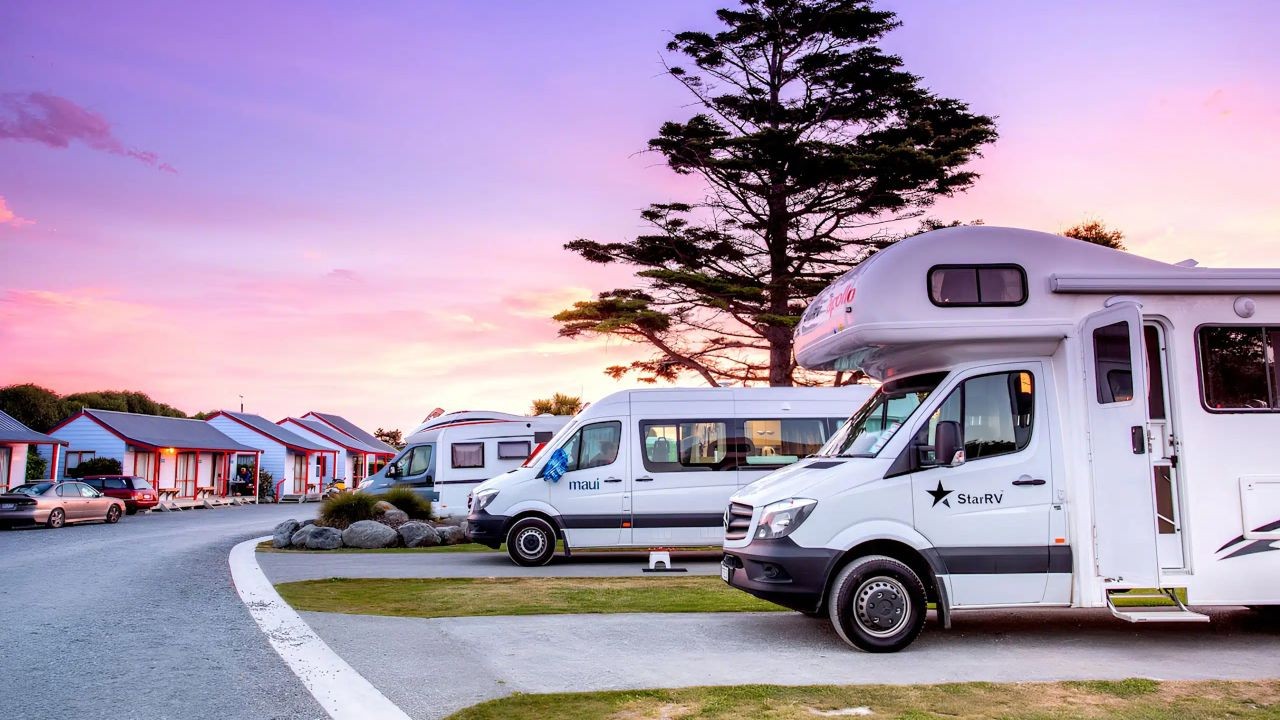
The romanticised image of the van life movement—freedom, minimalism, and communion with nature—has collided with a harsh economic reality. Across Australia, a growing cohort of digital nomads, remote workers, and sustainability seekers are discovering that the dream of low-cost, low-impact living is being systematically commodified and exploited by a segment of the caravan park industry. This isn't merely about high nightly rates; it's a structural issue where essential services for a mobile workforce are being gatekept by outdated business models, turning a lifestyle of liberation into one of precarious dependency. For the sustainability advocate, this represents a critical failure in our transition to a more flexible, decentralised, and environmentally conscious society.
The New Tenant: Van Lifers as a Captive Market
Understanding the exploitation requires first recognising the shift in who is using caravan parks. This is no longer solely the realm of the grey nomad on a three-month lap or the family on a two-week holiday. The 2021 Census data from the Australian Bureau of Statistics revealed a telling trend: a significant increase in the number of people living in 'caravans, cabins, or houseboats', with many regional areas showing double-digit percentage growth. This data point, often glossed over, is the bedrock of the new economy. These are often working-age individuals and couples for whom the park is not a holiday destination but a de facto residential rental market.
From consulting with local businesses across Australia, I've seen firsthand how this demographic is treated differently. They require reliable, high-speed internet for Zoom calls, secure postal addresses for ABN registration and banking, and consistent access to laundry and waste disposal—services that parks are uniquely positioned to provide, yet often do so at a premium that bears little relation to cost. The business model has pivoted from hospitality to essential utilities, but without the regulatory oversight that governs other utility providers.
Common Misconceptions About Park Operations and Van Life Affordability
Before dissecting the tactics, we must dismantle the narratives that enable them. The exploitation thrives on widespread misunderstandings.
Myth 1: "High prices are just a reflection of demand and prime location." Reality: While demand in hotspots like Byron Bay or Noosa plays a role, the issue is systemic, even in less glamorous regions. The cost often reflects a monopoly on essential services, not just land value. When a park is the only provider of legal dumping points or powered sites for hundreds of kilometres, they control a choke point.
Myth 2: "Van lifers are just cheapskates avoiding 'real' rent." Reality: This is a profound misreading of motivation. Based on my work with Australian SMEs, many van lifers are entrepreneurs, freelancers, and remote employees contributing meaningfully to regional economies. They seek financial resilience and a reduced carbon footprint, not a free ride. Exploitative pricing undermines this legitimate socioeconomic choice.
Myth 3: "If you can't afford it, just move on." Reality: This ignores the practical and legal constraints. Many councils have strict bylaws against freedom camping. "Moving on" incurs substantial fuel costs—a critical sustainability and financial downside—and offers no guarantee of finding better value elsewhere, creating a cycle of expensive mobility.
The Exploitation Playbook: Tactics Used on the Road
The methods employed are varied and often layered, designed to extract maximum revenue from a resident who has few alternatives.
The "Essential Service" Bundle and Opaque Fee Structures
Parks routinely bundle non-negotiable, basic amenities into inflated weekly or monthly "site fees." Internet access is the most egregious example. In an era where it is as essential as electricity, many parks offer slow, data-capped, and unreliable Wi-Fi at an extra cost of $50-$100 per month—a service that would be considered substandard in any residential rental. Drawing on my experience in the Australian market, I've reviewed contracts where the fee for a "standard powered site" suddenly requires added costs for a "long vehicle," an extra adult, or even a pet, despite the physical site being identical.
The Erosion of Long-Term Security
Traditionally, caravan parks offered discounted rates for long-term stays. This is being inverted. Some parks now actively discourage month-plus residents because they can make more money from a rapid turnover of short-term holidaymakers. This creates profound insecurity for van lifers, who face arbitrary eviction or steep rate hikes during peak seasons, forcing them into a perpetual state of housing stress. Having worked with multiple Australian startups in the proptech space, the lack of tenancy rights for these residents is a glaring legal grey area that the industry exploits.
Environmental Greenwashing and Infrastructure Neglect
Many parks market themselves as "eco-friendly" or "close to nature," while their operational practices tell a different story. I have observed parks charging extra for recycling disposal, failing to provide adequate solar-powered lighting or amenities, and designing sites that maximise density over green space. The van lifer, who often prioritises sustainability, is forced to participate in a system that contradicts their values, with no alternative but to pay for the privilege.
Case Study: The Regional Hub Paradox – A Tale of Two Towns
Consider two fictional but representative regional towns in New South Wales: "Riverbend" and "Highplain."
Problem: Both towns have a single large caravan park that has become a hub for van lifer remote workers. The local councils welcome the economic boost but have not updated planning laws to accommodate this new resident type. The park owners, recognising their monopoly, implement a new pricing model.
Action: In Riverbend, the park introduces a mandatory "Digital Nomad Package" for stays over two weeks, adding $75/week for Wi-Fi and a mailbox. They also eliminate monthly rates, citing "operational costs." In Highplain, the park takes a different tack: it keeps weekly rates stable but begins charging per device for Wi-Fi, imposes a new "greywater compliance fee," and reduces the number of affordable unpowered sites by converting them to permanent cabins.
Result: In both towns, the van lifer community—which was supporting local cafes, supermarkets, and gyms—begins to fracture. Some are priced out, moving on and depriving the town of consistent income. Those who remain see their cost of living creep toward that of a city rental, but without the security or space. The local business community, after an initial boom, sees volatility as the resident population becomes unstable. The park's short-term revenue may rise, but at the cost of community goodwill and long-term regional development.
Takeaway: This scenario, played out in various forms from Far North Queensland to Tasmania, highlights a critical market failure. The caravan park, as a private business, is prioritising yield per square metre over its role as essential regional infrastructure. The solution requires intervention at the council and state level to recognise van lifer tenancy and regulate essential service provision within parks.
A Path Forward: Advocacy, Alternatives, and Consumer Power
This is not an intractable problem. Change is possible through coordinated advocacy, smart policy, and consumer-driven pressure.
1. Demand Regulatory Recognition: Advocacy groups must lobby state governments to formally recognise long-term van lifers in caravan parks as a distinct tenant category under residential tenancy laws, granting them basic rights regarding fee transparency, eviction notices, and service standards. Reference the Australian Competition & Consumer Commission (ACCC) and its remit over unfair contract terms—standard park agreements are ripe for scrutiny.
2. Support and Utilise Alternative Networks: The growth of platforms like WikiCamps Australia is a start, but we need more. Advocate for and support businesses offering van lifer-friendly services: co-working spaces with parking, independent dump points funded by councils, and secure parcel-receiving services. In my experience supporting Australian companies, those that cater authentically to this mobile community build fierce loyalty.
3. Vote with Your Wheels & Your Wallet: As a van lifer, meticulously document and review park practices. Support parks that offer fair, transparent pricing and good infrastructure. As a sustainability advocate, call out greenwashing. Collectively, this data creates a powerful tool for informing other travellers and pressuring bad actors.
4. Council-Led Solutions: Propose that local councils develop low-cost, basic, long-stay sites with just power, water, dump points, and security—modelled on successful "aire" systems in Europe. Funded through modest user fees, they would provide ethical competition, stabilise the visitor economy, and demonstrate a genuine commitment to sustainable tourism.
The Future of Mobile Living in Australia
The tension between the van life movement and the caravan park industry is a microcosm of a larger shift. As remote work solidifies and the desire for sustainable, experiential living grows, Australia's infrastructure must adapt. The current exploitative practices are a short-sighted cash grab that will ultimately backfire, fostering resentment and driving innovation around the traditional park model. We will see a rise in:
- Private Land Sharing Networks: Platforms that ethically connect landowners with van lifers, bypassing parks entirely.
- Purpose-Built, Sustainable Hubs: Developer-led projects that integrate co-living, co-working, and van parking with renewable energy and waste recycling from the ground up.
- Stronger Regulation: Inevitable political pressure will lead to new classifications and standards for long-term mobile living, curbing the worst excesses.
The future belongs to models that see the mobile individual not as a captive to be monetised, but as a valuable community member and a pioneer of a lower-impact way of life. The caravan park industry has a choice: adapt to serve this new community ethically, or be rendered obsolete by it.
People Also Ask (PAA)
What rights do long-term van lifers have in Australian caravan parks? Alarmingly few. They are typically classified as "guests" under license agreements, not tenants, excluding them from standard residential tenancy protections regarding eviction, fee hikes, and dispute resolution. This legal grey area is central to the potential for exploitation.
Are there any Australian regulations governing caravan park pricing? There is no direct price control. However, the ACCC can intervene if pricing practices are deemed misleading, deceptive, or involve unfair contract terms. Systemic complaints about opaque, mandatory fee bundles could attract regulatory scrutiny.
What is the most sustainable alternative to caravan parks for van lifers? The most sustainable option is a dispersed, low-impact model using designated public land (where permitted) or certified private land-sharing platforms, combined with strong self-sufficiency (solar, water storage). This reduces reliance on centralised, often resource-intensive park infrastructure.
Final Takeaway & Call to Action
The exploitation of van lifers is more than an economic issue; it's a sustainability and equity issue. It represents the failure of outdated systems to accommodate a growing demographic seeking resilience and a lighter ecological footprint. We must move beyond romanticising van life and start pragmatically defending its viability.
Your action starts today: If you are part of this community, join or form an advocacy group. Document your experiences. Contact your local MP and demand clarity on tenancy rights. If you are a bystander, understand that this is a critical piece of our housing and regional development puzzle. Support businesses and councils that are innovating fair solutions. The freedom of the open road shouldn't end at the gate of a predatory caravan park.
Related Search Queries: van life Australia cost of living, caravan park long term rates, ACCC caravan park complaints, digital nomad Australia caravan park, sustainable van life sites Australia, alternatives to caravan parks, van lifer tenant rights Australia, working holiday van park fees.
For the full context and strategies on How Some Caravan Parks Are Exploiting Van Lifers – How It’s Changing the Game for Aussies, see our main guide: Public Service Campaign Videos Australia.