



In the serene landscapes of New Zealand, a new wave of tourism is emerging that blends cultural heritage with sustainable innovation. Maori tourism, a sector rich with tradition and storytelling, is now at the forefront of sustainable practices, offering investors a unique opportunity to support eco-friendly ventures while celebrating indigenous culture. This article delves into how sustainable Maori tourism is innovating and what this means for investors in the context of New Zealand’s economy and global trends.
Comparative Analysis: The Rise of Sustainable Maori Tourism
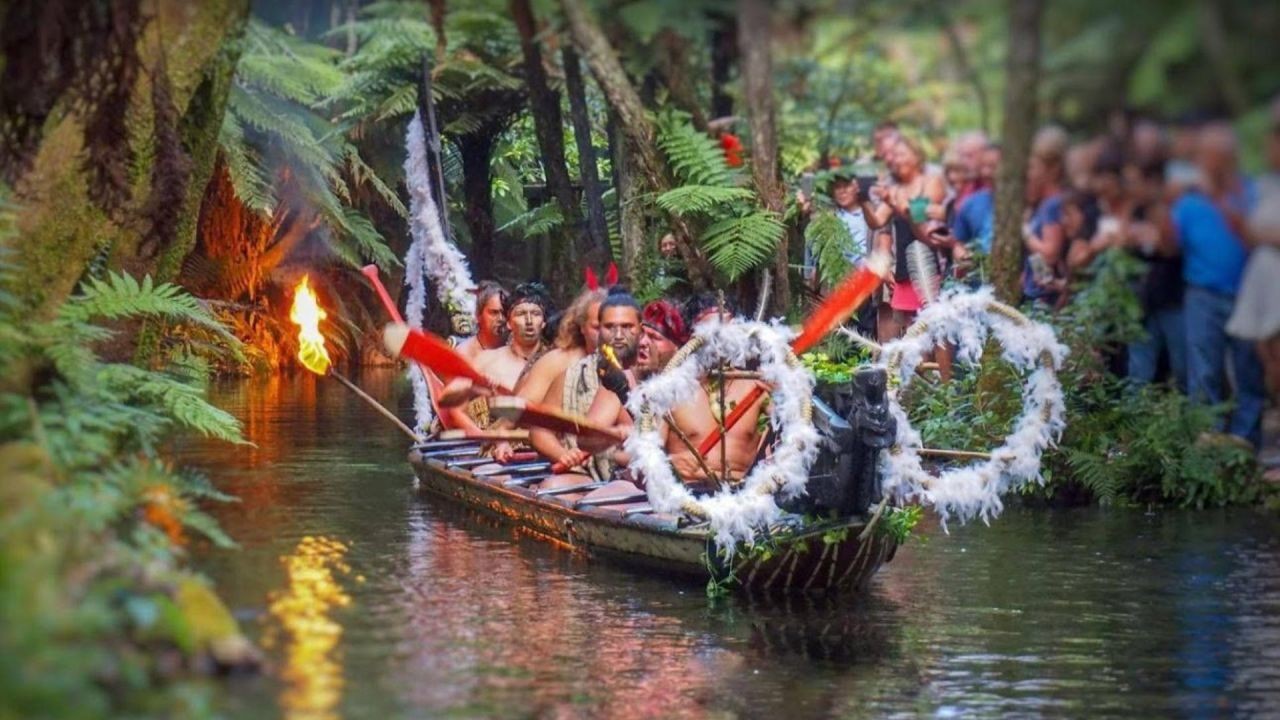
The concept of sustainable tourism is not new, but its integration with Maori cultural experiences presents a novel investment opportunity. Maori tourism has long been a staple in New Zealand's travel industry, attracting visitors eager to understand the indigenous culture through authentic experiences. However, the shift towards sustainability has added a new dimension, aligning with global environmental goals and New Zealand's commitment to sustainability.
According to the Ministry of Business, Innovation and Employment (MBIE), New Zealand's tourism sector contributed approximately 5.8% to the GDP in 2022. Within this, Maori tourism is a growing niche, offering distinct experiences that cannot be replicated elsewhere. By integrating sustainable practices, these ventures not only preserve the natural environment but also protect cultural heritage, providing a dual benefit that appeals to conscious travelers and investors alike.
Case Study: Wairakei Terraces – A Model of Sustainable Integration
Problem: Wairakei Terraces, a geothermal and cultural attraction in the North Island, faced the challenge of maintaining its natural geothermal features while enhancing its cultural offerings.
Action: The management adopted sustainable practices, such as using geothermal energy for heating and implementing waste reduction strategies. They also partnered with local iwi (tribes) to ensure cultural authenticity in their offerings.
Result: Visitor numbers increased by 30% over two years, while operational costs decreased by 20% due to energy savings. The attraction received accolades for its environmental stewardship, boosting its profile internationally.
Takeaway: This case study highlights the potential for Maori tourism ventures to thrive by integrating sustainability, offering lessons for similar projects in New Zealand and beyond.
Future Forecast & Trends: Investment Opportunities in Maori Tourism
As global travelers increasingly prioritize sustainability, the demand for eco-friendly travel experiences is expected to rise. According to Stats NZ, there was a 15% increase in tourists seeking sustainable travel options in 2023 compared to the previous year. This trend is likely to continue, presenting significant opportunities for investors.
In the next five years, we can expect to see Maori tourism operators expanding their offerings to include more immersive, eco-friendly experiences. This could involve collaborations with technology companies to create virtual reality tours or augmented reality experiences that bring Maori legends to life, all while minimizing environmental impact.
Debate & Contrasting Views: Balancing Culture and Commerce
As Maori tourism grows, so does the debate over maintaining cultural integrity versus commercial exploitation. On one side, proponents argue that tourism offers a platform to share Maori culture with the world, fostering understanding and appreciation while generating economic benefits. Critics, however, caution against the commodification of culture, which could dilute its authenticity.
Middle ground solutions include ensuring that Maori communities have a stake in tourism ventures, allowing them to control how their culture is presented and benefiting economically from these activities. This approach not only preserves cultural integrity but also empowers indigenous communities.
Common Myths & Mistakes in Sustainable Maori Tourism
- Myth: "Sustainability is only about environmental practices." Reality: Sustainability also encompasses social and cultural dimensions, ensuring that tourism practices respect and preserve indigenous cultures (Source: International Ecotourism Society).
- Myth: "All Maori tourism ventures are sustainable." Reality: Not all ventures incorporate sustainable practices; investors must conduct due diligence to ensure genuine sustainability (Source: NZ Tourism Board).
- Myth: "Sustainable tourism is less profitable." Reality: Sustainable tourism can lead to higher profitability through cost savings and premium pricing for eco-conscious travelers (Source: Global Sustainable Tourism Council).
Biggest Mistakes to Avoid in Maori Tourism Investments
- Ignoring cultural nuances: Failing to understand Maori customs can lead to misrepresentation and community backlash. Solution: Engage with local iwi and cultural advisors.
- Overestimating market demand: Not all tourists prioritize sustainability. Solution: Conduct market research to align offerings with consumer preferences.
- Neglecting local partnerships: Sustainable tourism thrives on community support. Solution: Develop partnerships with local Maori communities to ensure cultural authenticity and community buy-in.
Future Trends & Predictions for Maori Tourism
Looking ahead, the Maori tourism sector is poised for growth, driven by global sustainability trends and increasing interest in cultural experiences. The New Zealand government’s commitment to sustainability and indigenous rights will likely support this growth. By 2028, we predict that Maori tourism will contribute an additional 2% to New Zealand's GDP, supported by innovative, sustainable practices (Source: MBIE Economic Forecast 2024).
Conclusion
For investors, Maori tourism offers a unique opportunity to support sustainable practices while preserving cultural heritage. By understanding the nuances of this sector and engaging with local communities, investors can contribute to a thriving, sustainable tourism industry in New Zealand. Are you ready to explore the untapped potential of Maori tourism? Consider the cultural and economic benefits as you venture into this promising sector.
People Also Ask (FAQ)
- How does Maori tourism impact New Zealand's economy? Maori tourism significantly boosts New Zealand's economy by attracting culturally-aware tourists and promoting sustainable practices, contributing to GDP growth and job creation.
- What are the biggest misconceptions about Maori tourism? A common myth is that all Maori tourism is inherently sustainable. However, investors should verify sustainability claims by assessing cultural and environmental practices.
- What are the best strategies for investing in Maori tourism? Experts recommend partnering with local iwi, focusing on authentic experiences, and ensuring sustainability practices align with global standards for long-term success.
Related Search Queries
- Sustainable tourism in New Zealand
- Maori cultural experiences
- Eco-friendly travel trends
- Investing in New Zealand tourism
- Maori tourism innovations
- Sustainability in tourism sector
- New Zealand travel industry insights
- Indigenous tourism strategies
- Cultural preservation in tourism