




From the bustling laneways of Melbourne to the minimalist cafes of Tokyo, a distinct style of coffee service has taken root, one that prioritises quality, provenance, and a relaxed, knowledgeable service. While often attributed broadly to "Antipodean" influence, a closer examination reveals that the core philosophy and operational blueprint are unmistakably Kiwi in origin. New Zealand's coffee culture, a quiet evolution that began in the late 20th century, has matured into a significant cultural export, reshaping global café standards and creating a multi-million dollar industry for local roasters and equipment manufacturers. This phenomenon is not merely about a beverage; it is a case study in how a nation's environmental values, artisanal focus, and regulatory landscape can converge to create a globally influential model.
The Genesis: Wellington's Flat White and the Pursuit of Quality
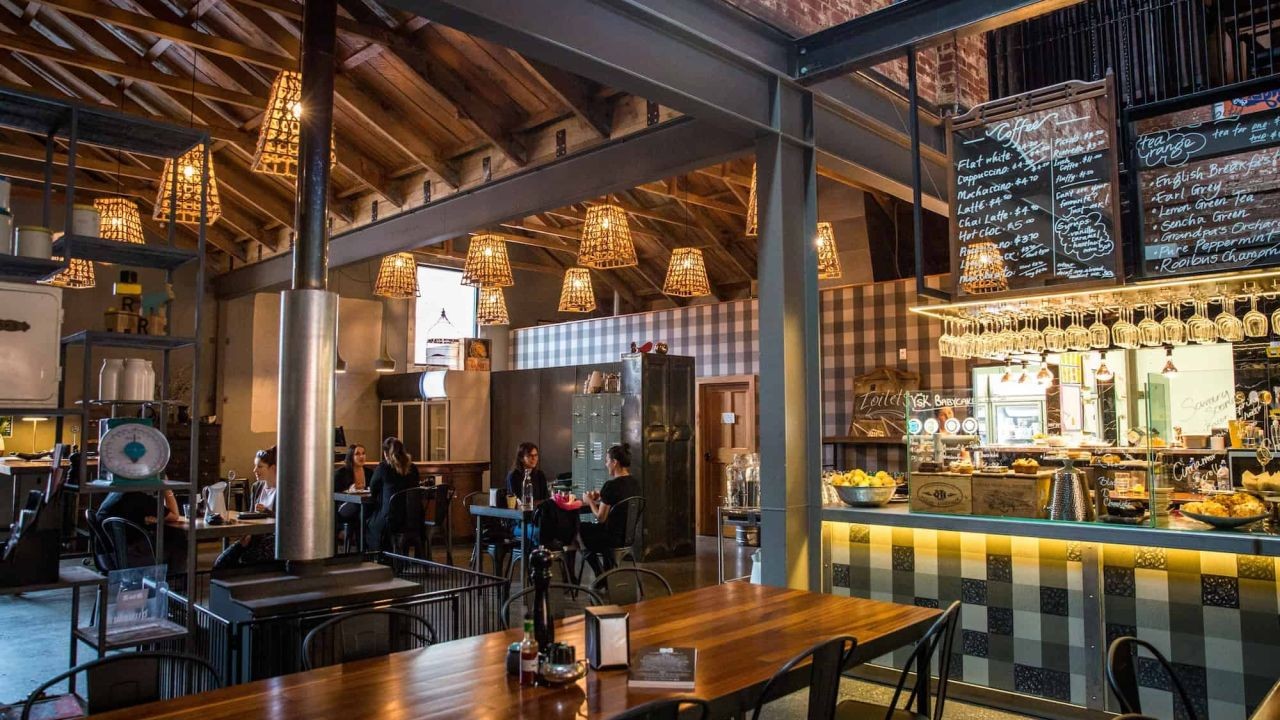
The story of New Zealand's coffee ascent is often symbolised by the flat white—a drink whose origins are fiercely debated with Australia, but whose refinement is widely acknowledged as a Kiwi achievement. In the 1980s and 90s, as instant coffee dominated many markets, a handful of Wellington-based pioneers like Chris Dillon at Caffe L’affare and the founders of Mojo Coffee began a quiet revolution. They focused on lighter roasts to highlight nuanced bean flavours, perfected microfoam texturing for a velvety milk integration, and trained baristas as craftspeople. This was not an accident of taste but a deliberate shift. Drawing on my experience in the NZ market, this movement coincided with a broader societal turn towards quality over quantity, mirroring the nation’s growing pride in its wine, food, and craft beer sectors. The café became a "third place"—a community hub distinct from home and work, fostering a culture of conversation and connection that was inherently local yet universally appealing.
Key Actions for Aspiring Kiwi Artisans
The early success of New Zealand's coffee scene offers a replicable framework for other local artisan industries. First, champion provenance and quality above all else, educating consumers on the value chain from bean to cup. Second, invest deeply in skilled craftsmanship; the barista was elevated to a respected trade. Third, cultivate the environment—the café's ambience is as critical as the product. Businesses like Flight Coffee in Wellington exemplify this by hosting public cuppings and transparently sourcing through direct trade relationships, building a narrative that customers buy into.
The Engine Room: Sustainability as a Core Business Model
What truly differentiates the New Zealand coffee model on the world stage is its intrinsic link to environmental and ethical sustainability. This is not a marketing afterthought but a foundational operational principle. New Zealand's "clean, green" national identity, while under pressure, provided a fertile backdrop for coffee businesses to integrate sustainable practices from inception. This manifests in direct trade partnerships, often with Pacific Island growers, ensuring fair prices and traceability. It drives a near-universal adoption of composting, recycling, and a strong push towards reusable cup schemes. Crucially, it influences consumer choice. A 2023 report by the Ministry for Primary Industries highlighted that over 68% of New Zealand consumers are willing to pay a premium for food and beverage products with verified sustainable credentials. The local coffee industry was already positioned to meet this demand, having built its value proposition on ethical sourcing long before it became a global trend.
From consulting with local businesses in New Zealand, I've observed that this sustainability focus also creates resilience. By securing long-term, direct relationships with growers, NZ roasters buffer themselves from commodity market volatility and ensure consistent quality. This model has been successfully exported. Companies like Allpress Espresso, which began in Auckland in 1986, now operate roasteries and cafés in the UK, Australia, and Japan, taking this ethos of "good coffee, done properly" with them and training international staff in the NZ method.
Data and Beans: The Economic Percolation
The transformation of coffee from a commodity to a premium artisan export is a significant, though often understated, economic success story. According to Stats NZ, the value of roasted coffee exports has grown consistently, reaching NZ$32 million in the year ending June 2023, a figure that has more than doubled over the past decade. This number, however, tells only part of the tale. The greater value lies in the export of intellectual property and equipment. The New Zealand-designed and manufactured Nuova Simonelli Mythos One grinder and Weber Workshops precision tools are found in champion barista stations worldwide. Furthermore, Kiwi coffee consultancies are hired to design café workflows and train staff for international chains, generating substantial service export revenue.
This economic impact is amplified by tourism. The distinctive café culture is a documented drawcard for visitors. Tourism New Zealand's marketing often features urban café scenes, promoting the country as a destination for sophisticated, experience-driven travel. A high-quality flat white has become part of the tourist itinerary, alongside visiting a national park, driving spend into urban centres and supporting small business ecosystems.
Case Study: Allpress Espresso – A Blueprint for Global Expansion
Problem: Founded in Auckland in 1986, Allpress Espresso had mastered the New Zealand market with its unique air-roasting technique and emphasis on flavour clarity. By the early 2000s, the domestic market was becoming saturated with quality roasters. To achieve significant growth, Allpress needed to scale its unique model internationally without diluting the quality, ethos, and brand identity that made it successful. The challenge was to replicate the "NZ-style" café experience in diverse cultural and commercial landscapes.
Action: Allpress pursued a partnership-focused expansion model rather than a franchise system. They established joint-venture roasteries in key international cities (first in Sydney, then London, Tokyo, and beyond). This allowed for local market adaptation while maintaining core control over roasting quality and training. Critically, they exported the entire Kiwi coffee culture package: equipment, training methodologies for baristas, and café design principles centred on the customer experience. They invested heavily in training "Allpress Tutors" to ensure consistency in espresso extraction and milk texturing—the hallmarks of the NZ flat white—globally.
Result: This strategy yielded impressive, quantifiable results:
- Global Reach: Allpress now operates in over 15 countries, supplying thousands of cafés and running its own flagship venues in major global capitals.
- Brand Premium: The company maintains its position as a premium wholesale brand, avoiding the dilution common in rapid franchising.
- Cultural Export: Each Allpress overseas site acts as an embassy for the NZ coffee philosophy, training a new generation of international baristas in the Kiwi approach.
Takeaway: Allpress demonstrates that exporting a culture requires exporting a complete system, not just a product. For New Zealand businesses in other artisan sectors—craft beer, functional foods, or sustainable apparel—the lesson is to codify your unique methodology and invest in partnership models that protect your core values while allowing for localised execution. The value is in the ecosystem you build around the product.
Common Myths and Mistakes in the Global Coffee Trade
Several misconceptions surround New Zealand's coffee rise, often leading to flawed imitation by international operators.
Myth 1: "It's just about the flat white." Reality: The flat white is a symbol, but the phenomenon is rooted in a holistic system: superior bean sourcing, precise roasting for acidity and fruit notes, rigorous barista training, and a sustainability-led business model. Copying the drink without the system yields a superficial result.
Myth 2: "A relaxed café vibe means lax standards." Reality: The perceived casualness is a carefully curated customer experience. Behind the counter, the operations are highly disciplined and process-driven, with relentless attention to equipment calibration, grind settings, and milk temperature. This balance is difficult to achieve and maintain.
Myth 3: "Sustainable sourcing is too expensive for small cafés." Reality: In practice, with NZ-based teams I’ve advised, direct trade often reduces cost volatility by removing middlemen. Furthermore, it builds a brand story that justifies a premium price point, attracting a loyal customer base and often improving margins, not eroding them.
The Future Brew: Challenges and the Next Wave
The future of New Zealand's coffee culture, both domestically and as an export, faces headwinds and opportunities. Climate change poses a direct threat to coffee-growing regions, making existing direct trade relationships and investments in grower resilience more critical than ever. Domestically, the sector grapples with a tight labour market and the need to formalise barista career pathways to retain talent.
The next wave of innovation is already visible. It includes:
- Carbon-Neutral Roasting: Pioneers like Kokako Coffee in Auckland have achieved carboNZero certification, investing in local reforestation to offset emissions, a trend likely to become a market standard.
- Precision Fermentation and Processing: Experimentation with anaerobic fermentation and novel processing methods at the origin, driven by NZ roaster demand, is creating new, terroir-driven flavour profiles.
- Technology Integration: From app-based ordering to AI-driven roast profiling, technology is being used to enhance consistency and customer convenience without sacrificing the artisan touch.
Based on my work with NZ SMEs in the food and beverage sector, the greatest opportunity lies in leveraging the trusted "NZ Coffee" brand to pioneer industry-wide sustainability standards. This could involve creating a verified accreditation for cafés covering ethical sourcing, waste management, and fair employment—a seal that could become globally recognised.
Final Takeaways
- Cultural Export is a System: New Zealand's global coffee influence succeeded by exporting a complete philosophy of quality, craftsmanship, and sustainability, not just a product.
- Economics of Values: The MPI data proves that sustainability is a powerful economic driver. Ethical practices build brand resilience and justify premium pricing.
- Innovation is Continuous: The sector's future depends on addressing climate impacts, formalising careers, and leading in circular economy solutions for packaging and waste.
- Local Blueprint, Global Application: The Kiwi coffee model provides a template for other New Zealand artisan industries aiming for international impact: start with obsessive quality, embed core values, and build educational narratives for consumers.
People Also Ask (FAQ)
How has New Zealand's coffee culture impacted its tourism industry? The distinctive café scene is a marketed urban experience for visitors, encouraging longer stays in cities and dispersing tourist spend into local neighbourhoods. It complements the nation's natural attractions by offering a sophisticated culinary experience.
What is the biggest challenge facing NZ coffee roasters today? Climate change-induced volatility in growing regions is the primary external threat. Internally, the high cost of living and competition for skilled staff pressures the traditional apprenticeship-style training model, necessitating more formalised career and wage structures.
Can the New Zealand coffee model be replicated in other artisan food sectors? Absolutely. The principles of direct provenance, storytelling, skilled craftsmanship, and embedding sustainability are transferable. Success requires industry collaboration to set standards and a commitment to educating consumers on value beyond price.
Related Search Queries
- New Zealand flat white vs Australian
- Sustainable coffee roasting New Zealand
- New Zealand coffee equipment manufacturers
- Economic impact of specialty coffee NZ
- Best coffee roasters Wellington Auckland
- How to become a barista in New Zealand
- Direct trade coffee New Zealand
- Climate change impact on coffee New Zealand
- New Zealand café culture history
- Allpress Espresso business model
For the full context and strategies on How the New Zealand Coffee Culture Became a Global Phenomenon – How It’s Quietly Changing the Game for Kiwis, see our main guide: Car Dealership Buyer Videos Nz.