



For New Zealand's business leaders, navigating the global market is not merely an expansion strategy—it is an economic imperative. As a small, geographically isolated nation with a population of just over five million, our prosperity is intrinsically linked to our ability to trade. The framework governing this trade is a complex web of bilateral and multilateral agreements, each with its own nuances and opportunities. A superficial understanding of these deals is a significant strategic vulnerability. In practice, with NZ-based teams I’ve advised, I've seen companies leave millions in potential revenue untapped by failing to align their market entry strategy with the specific tariff schedules and rules of origin within our key agreements. This analysis provides a structured framework for executives to move from awareness to actionable advantage.
Deconstructing New Zealand's Trade Architecture: A Three-Tiered Framework
To systematically assess opportunities, categorize New Zealand's trade relationships into three distinct tiers, each requiring a different strategic approach.
Tier 1: The Core Economic Pillars (CPTPP & NZ-China FTA)
These agreements form the bedrock of New Zealand's trade. The Comprehensive and Progressive Agreement for Trans-Pacific Partnership (CPTPP) and the New Zealand-China Free Trade Agreement (NZ-China FTA) are not just about tariff reduction; they are about setting high-standard rules for the 21st-century economy.
The CPTPP Advantage: Beyond market access to 10 other Pacific Rim economies, its true value lies in modern provisions covering digital trade, state-owned enterprises, and regulatory coherence. For a tech firm or a fintech startup, the CPTPP's data flow and e-commerce chapters reduce barriers to scaling regionally. Drawing on my experience in the NZ market, I've observed that SMEs often overlook these "behind-the-border" rules, focusing solely on tariffs and missing the larger operational benefits.
The China FTA Evolution: Our upgraded 2022 agreement is arguably the most significant. It provides for tariff-free access on 98% of New Zealand's $20 billion in exports to China. The data is compelling: according to Stats NZ, China remains our largest trading partner, with two-way trade worth over $38 billion annually. For the dairy, meat, and forestry sectors, this agreement is non-negotiable. However, the strategic insight lies in diversification within the relationship. Based on my work with NZ SMEs exporting consumer goods, success now hinges on leveraging e-commerce platforms like Tmall Global to reach Chinese consumers directly, moving beyond bulk commodity reliance.
Actionable Insight for Kiwi Executives:
- Conduct a Rules of Origin Audit: Map your product's inputs against the specific "product-specific rules" in each agreement. A finished good with 60% NZ content might qualify under one FTA but not another. MBIE's "Trade Agreements Portal" is an essential, free tool for this.
- Engage with Modern Chapters: Assign a team member to understand how the CPTPP's intellectual property or services chapters could streamline your operations or protect your IP in Vietnam or Mexico.
Case Study: Comvita – Leveraging FTAs for Premium Market Positioning
Problem: Comvita, a leading NZ producer of Manuka honey and health products, faced intense competition and volatile commodity pricing in key export markets. While benefiting from general tariff reductions, they were not fully optimizing the nuanced advantages within specific FTAs to build a defensible, high-value market position.
Action: The company implemented a dual-strategy focused on the NZ-China FTA and the Closer Economic Relations (CER) agreement with Australia. In China, they moved beyond bulk honey exports to develop a range of finished consumer health products (e.g., lozenges, skincare). This allowed them to utilize the FTA's preferential rates for processed goods while building a brand. Simultaneously, they used the seamless CER agreement to establish advanced manufacturing and R&D operations in Australia, creating a trans-Tasman supply chain that enhanced scalability for Asian markets.
Result: Comvita reported a significant shift in its revenue profile. Higher-margin finished products grew to constitute over 40% of sales in key markets. Their strategic use of the FTAs provided not just cost savings but a framework for brand elevation and supply chain resilience, contributing to a steady recovery in profitability and share price after a period of challenge.
Takeaway: This case demonstrates that FTAs should be used as a strategic design tool, not just a cost-saving mechanism. The goal is to structure your operations—from product development to supply chain—to maximize the compound benefits of multiple agreements.
The Strategic Debate: Diversification vs. Depth
A critical strategic tension exists for NZ exporters: should they deepen engagement in established, high-volume markets (like China) or prioritize diversification into newer, riskier ones (like those in the CPTPP or the EU)?
✅ The Case for Depth (China-First):
- Unmatched Scale: The market size and growth trajectory are unparalleled. The upgraded FTA provides a competitive moat that is difficult to replicate elsewhere.
- Supply Chain Integration: Many NZ businesses are already deeply embedded in Chinese supply chains, making pivots costly and inefficient.
- Predictability: The trading rules are now well-understood, reducing legal and administrative uncertainty.
❌ The Case for Diversification (Risk Mitigation):
- Geopolitical & Concentration Risk: Over-reliance on a single market exposes NZ to significant political and economic shock. The 2020 trade disruptions were a stark warning.
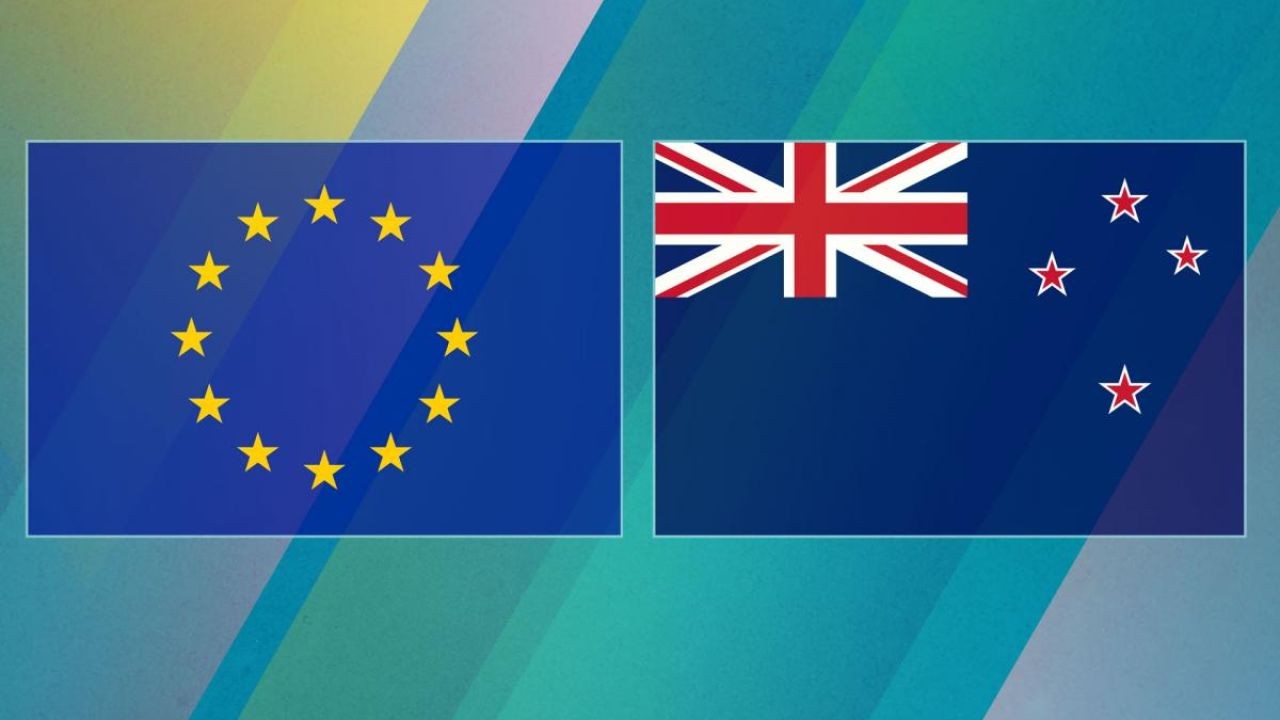
- Future-Growth Markets: Agreements with the EU and UK, once ratified, open doors to premium consumer markets with high willingness to pay for sustainable, high-quality NZ products.
- Building Optionality: A diversified portfolio of markets builds long-term resilience and bargaining power.
⚖️ The Middle Ground – A Portfolio Approach: The optimal strategy is not an either/or choice. From consulting with local businesses in New Zealand, the most resilient performers allocate resources across a portfolio: 70% in core "depth" markets (China, Australia), 20% in "growth" markets (CPTPP members like Japan, Vietnam), and 10% in "future" markets (EU, UK, India). This balances immediate revenue with strategic risk mitigation and future opportunity.
Common Myths and Costly Mistakes
Myth 1: "Once an FTA is signed, the work is done." Reality: An FTA is a living document. Tariffs are often phased out over 5-15 years. Missing a annual reduction increment means leaving money on the table. Furthermore, non-tariff barriers can emerge, requiring ongoing diplomatic and business advocacy.
Myth 2: "All FTAs offer similar benefits." Reality: The devil is in the detail. The rules of origin for a processed food product differ drastically between the CPTPP and the EU-NZ FTA. Assuming uniformity can lead to non-compliance and penalties.
Myth 3: "FTAs are only for large exporters." Reality: This is perhaps the most damaging misconception. SMEs often benefit disproportionately as they lack the scale to absorb high tariff costs. NZ's MFAT and MBIE offer dedicated support services to help SMEs navigate these agreements.
Critical Mistake to Avoid: The Compliance Blind Spot A 2023 report by the New Zealand Chambers of Commerce highlighted that approximately 30% of SMEs claiming FTA preferences had errors in their certificates of origin, risking future audits and back-payment of duties. The solution is to invest in training or outsource this function to a licensed customs broker. The ROI is clear: avoiding a single penalty can cover years of advisory costs.
Future Trends: The Next Wave of Trade Dynamics
The trade landscape is evolving from traditional goods-based agreements to frameworks governing the digital and sustainable economy.
- Digital Trade Agreements (DEAs): Following the Digital Economy Partnership Agreement (DEPA) with Singapore and Chile, expect more focus on AI governance, digital identities, and paperless trading. NZ tech firms must engage in shaping these rules.
- Carbon Border Adjustments: The EU's CBAM mechanism is a precursor to a global trend. Future trade advantage will hinge on verifiable carbon footprints. NZ's pastoral and manufacturing sectors must accelerate emissions reporting and reduction to maintain market access.
- Indigenous Trade: The inclusion of Māori economic interests in the UK and EU FTAs (through dedicated chapters) sets a precedent. This creates a unique point of differentiation for NZ and opens avenues for iwi-led exports and partnerships.
Final Takeaways and Strategic Actions
- Treat FTAs as a Strategic Asset, Not a Government Policy: Integrate analysis of trade agreements into your annual strategic planning and market selection process.
- Master Rules of Origin: This is the most technical but highest-ROI activity. A 5% tariff saving flows directly to your bottom line.
- Adopt a Portfolio Mindset: Balance depth in China with strategic diversification into CPTPP and future EU/UK markets to build resilience.
- Future-Proof with Digital & Green Standards: Invest now in the data systems and sustainable practices that will be the de facto requirements for trade within five years.
Your Immediate Next Step: Within the next quarter, mandate a review led by your Head of Strategy or CFO. Task them with answering: "For our top three products, which FTA provides the best preferential market access, and what specific operational changes do we need to make to fully qualify for and claim those benefits?" The answer will reveal immediate cost savings and untapped market potential.
People Also Ask (FAQ)
What is the most important FTA for New Zealand right now? The NZ-China FTA remains the most critical due to the market's sheer scale and the depth of our export relationship. However, the recently signed NZ-EU FTA will become equally significant for diversifying into premium markets once ratified.
How can a small NZ business start using FTAs? Start with MBIE's free online "Trade Agreements Portal." Input your product's HS code to see applicable tariffs. Then, engage a customs broker or trade consultant for a one-off audit to confirm rules of origin and documentation requirements. The upfront cost is minimal compared to long-term savings.
What is the biggest risk in not understanding FTAs? The twin risks of overpaying tariffs (eroding competitiveness) and non-compliance (leading to fines, shipment delays, and reputational damage with border agencies). Competitors who master the rules will outprice and outperform you.
Related Search Queries
- New Zealand China FTA tariff schedule 2024
- CPTPP benefits for New Zealand exporters
- Rules of origin calculator NZ
- NZ EU free trade agreement ratification date
- How to get a certificate of origin New Zealand
- MBIE export market development tools
- Impact of digital trade agreements on NZ SMEs
- New Zealand trade partners ranked by value
For the full context and strategies on How to Understand New Zealand’s Trade Agreements and Partners – A Results-Driven Approach for New Zealanders, see our main guide: How Kiwi Retailers Drive Sales Vidude Video Campaigns.